
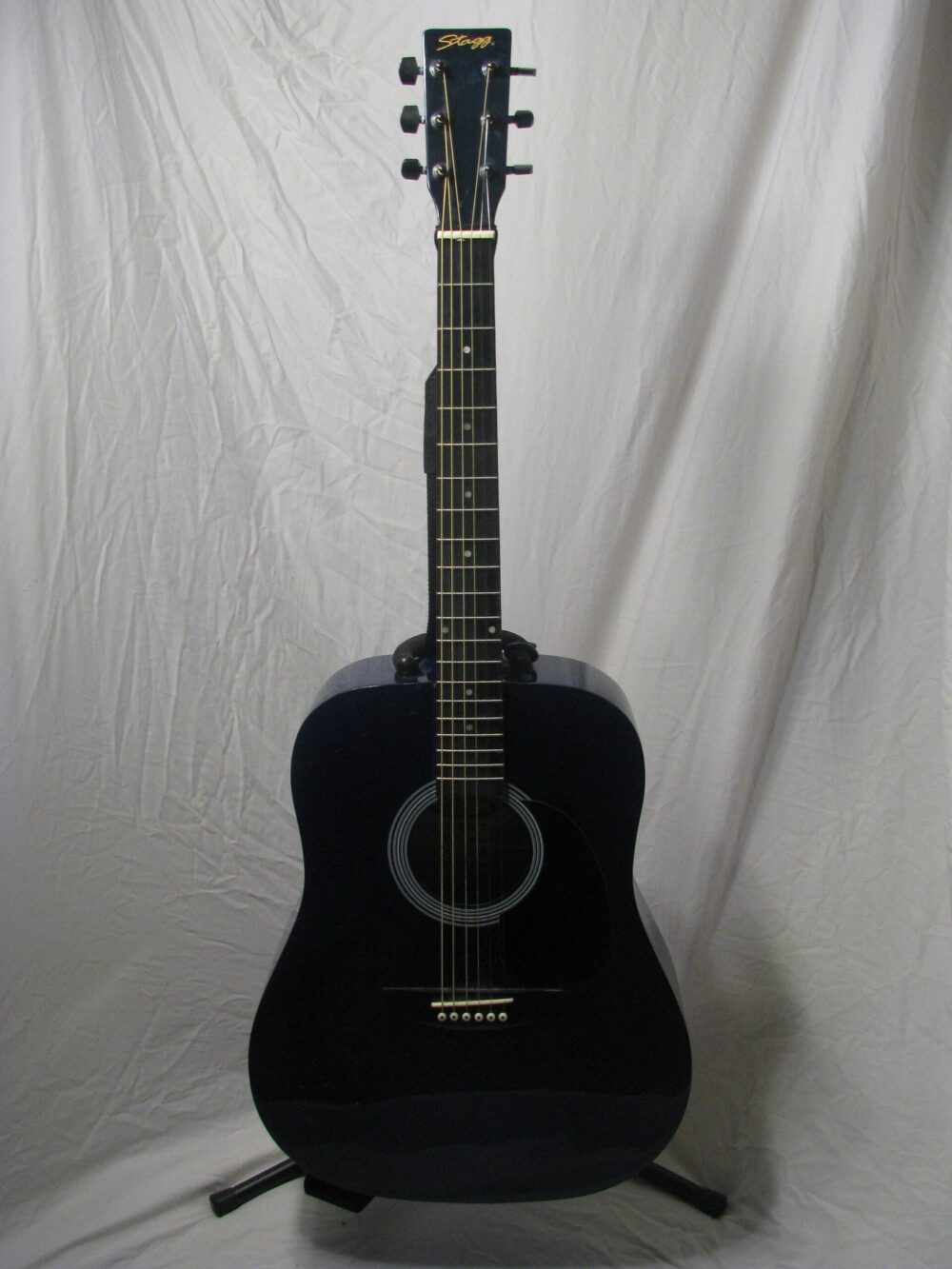
If you’re hunting for a blue acoustic guitar on DHgate, your job is to turn a very broad wholesale marketplace into a short, vetted shortlist. You’ll start with targeted search queries like “blue acoustic guitar,” jump into the guitar category, and then filter hard on body size, acoustic vs acoustic‑electric, and seller rating. From there, you read descriptions, photos, and reviews line‑by‑line, and contact sellers with specific questions before deciding whether a DHgate listing is good enough or if you’re better off buying locally in Australia.
DHgate promotes itself as a place where players of different skill levels can find guitars and accessories, often at wholesale‑style prices. That can be useful for a first personal instrument or a small ecommerce test batch—but only if you treat each listing as unverified until you’ve done your own checks.
What Buyers Mean by a “Blue Acoustic Guitar” and Why It Matters on DHgate
On DHgate, “blue acoustic guitar” isn’t a standardized product label; it’s a mix of seller keywords and color options. Before you search, decide which of these you actually mean:
- Pure acoustic: No electronics, usually steel‑string, used for practice, busking, and general playing.
- Acoustic‑electric: Looks like an acoustic, but has built‑in electronics so you can plug into an amp or PA.
- 3/4 or mini size: Shorter scale, often marketed to kids or travellers.
Color matters more on DHgate than in a local shop because many listings use phrases like “blue,” “blueburst,” or “translucent blue” loosely. You may see guitars with only a blue pickguard or trim still tagged as “blue.” To avoid surprises:
- Decide if you want full‑body blue, a blue top, or just blue accents.
- Be clear on finish: high‑gloss, matte, or transparent where wood grain shows through.
Specs to lock in before you even open DHgate:
- Scale length and overall size (e.g., full‑size vs junior) so you’re not guessing from photos.
- Neck profile and width if it’s for beginners with smaller hands.
- Acoustic vs acoustic‑electric depending on whether you’ll ever plug into an amp.
Once you’ve defined those basics, DHgate’s guitar section is much easier to navigate, even though the platform itself doesn’t standardize “blue acoustic” as a category.
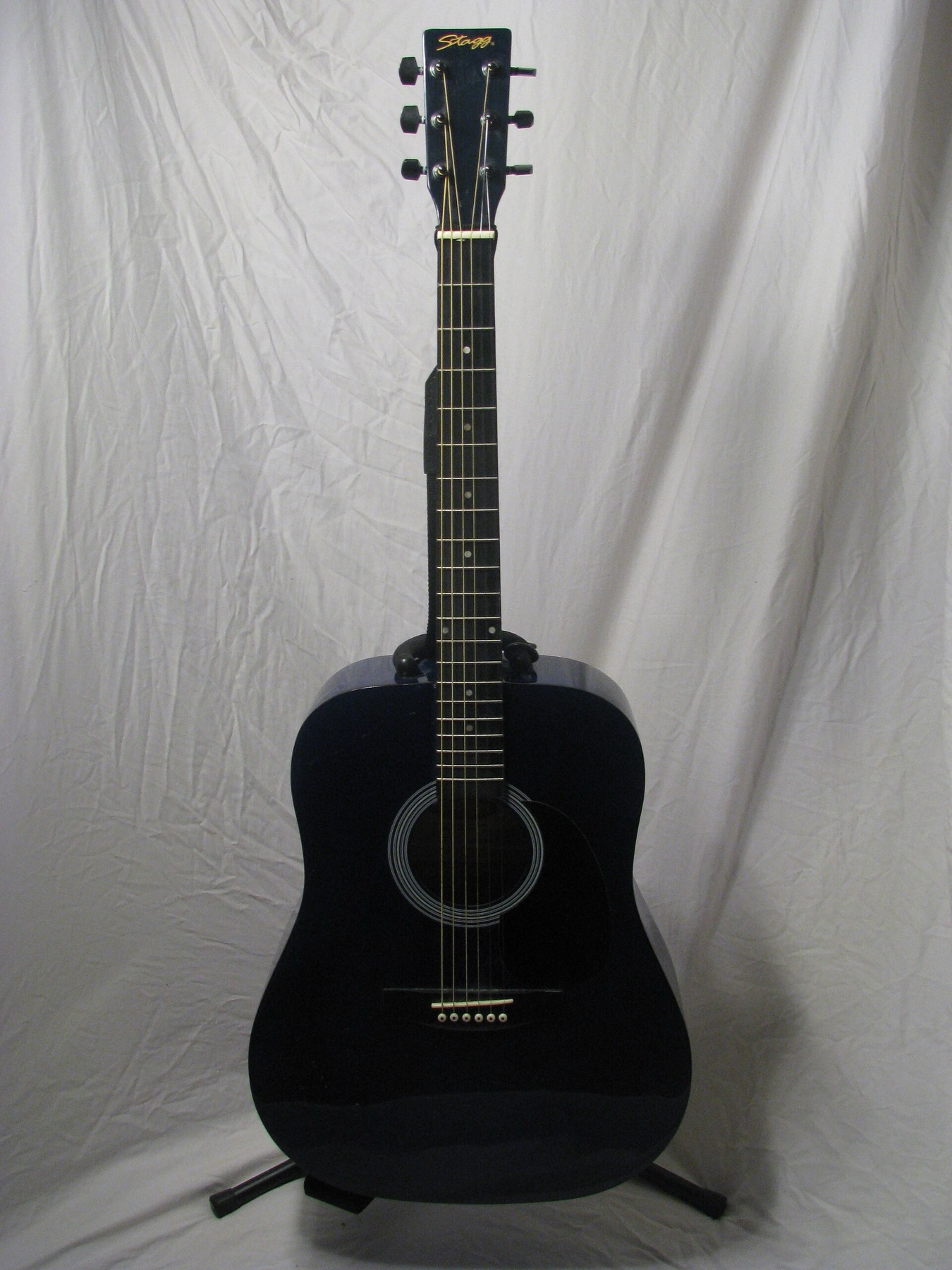
Step‑by‑Step: Searching and Filtering Blue Acoustic Guitar Listings on DHgate
You can reach relevant guitar listings in a few focused steps rather than browsing blindly.
- Start with the search bar
Go to DHgate’s homepage and type a query like:
- `blue acoustic guitar`
- `blue acoustic electric guitar`
- `blue 40 inch acoustic guitar`
Use English keywords; DHgate often surfaces multi‑language listings but English search works fine.
- Click into the right category
When results load, look for guitar‑specific categories (e.g., general guitar category pages) in the sidebar or breadcrumb trail. Moving into that category helps remove unrelated “blue” items such as electronics or fashion tagged with similar color words.
- Use filters where available
DHgate often provides filters for:
- Category: stay within guitars or musical instruments.
- Color/variation: some listings let you pick blue from a dropdown.
- Price range: set a realistic band for your budget to weed out toy‑level instruments at the bottom and high‑end show pieces at the top.
Don’t assume there will be a dedicated “acoustic” vs “electric” filter—often that distinction lives only in the title and description, so you’ll need to read carefully.
- Shortlist by title and thumbnail first
Scan product titles and thumbnails and immediately skip:
- Listings where the photo clearly shows an electric guitar despite “acoustic” in the title.
- Kids’ toys or plastic mini guitars masquerading as instruments.
- Guitars that only have a blue background or blue text, not blue finishes.
Open 5-10 promising listings in new tabs rather than trying to evaluate everything from the search page.
- Read the product page in detail
On each listing page, build a quick checklist:
- Photos: Do multiple angles show the guitar clearly? Is the blue finish consistent, or do different photos look like different instruments? Low‑resolution or stock photos reused across sellers are a red flag.
- Specifications: Look for body size (e.g., 40″ or 41″), scale length, materials (spruce, mahogany, laminated woods), and whether it’s acoustic‑electric. If a supposed acoustic‑electric guitar doesn’t list any electronics specs, treat that as a gap.
- Included items: Many DHgate guitar listings bundle bags, straps, picks, or tuners. Decide if you want a bare guitar or a kit, especially if you’re sourcing for resale.
DHgate’s own editorial tips emphasise carefully reading descriptions, specs, and customer reviews for guitar listings and contacting sellers to clarify questions before buying. That’s particularly critical for a niche color like blue, where mislabelled photos are common.
- Use ratings and reviews to rank your shortlist
DHgate highlights customer ratings and reviews as a way to judge product satisfaction. Treat them as data points:
- Prefer sellers with consistent positive ratings across multiple guitar listings, not just one.
- Read review text for terms like “finish”, “paint”, “color”, “setup”, or “action”—these matter more for guitars than generic “good product” comments.
- Pay attention to review photos: do buyer‑uploaded photos show the same shade of blue and design as the listing images?
- Message sellers with very specific questions
Before you add anything to cart, send a short, targeted message through DHgate’s messaging tools. Examples:
- “Is this model fully acoustic, or acoustic‑electric with built‑in pickup? The description is unclear.”
- “Can you confirm the scale length and body size of the blue finish guitar? Is it full‑size or 3/4?”
- “Are all photos on this listing the exact guitar you ship, or are some sample images?”
Their answers become part of your risk assessment—and are especially useful if you’re buying for a beginner who needs very specific playability factors.
Evaluating Sellers, Spotting Risks, and Deciding When to Use Another Channel
Use the seller page and listing details to separate safer bets from risky ones:
- Seller history: Prefer sellers who have been active for a while with a broad catalog of instruments or musical gear, rather than a general store that sells everything from toys to kitchenware.
- Cross‑listing consistency: Check several of the seller’s guitar listings. If photos and descriptions are sloppy or inconsistent everywhere, treat that as a pattern.
- Response quality: Judge how clearly and quickly the seller answers your pre‑purchase questions. Vague replies like “good quality, don’t worry” without specs aren’t enough for a guitar.
Here’s a simple way to compare potential sellers when you’re deciding whether DHgate is viable for you:
| Signal on DHgate seller page | What it suggests for blue acoustic guitars |
|---|---|
| Many guitar listings with detailed specs | Seller likely focused on instruments; better chance of usable guitars |
| Sparse specs, generic stock images | Higher risk of misrepresented products or non‑blue finishes |
| Review photos matching listing images | More confidence that the actual guitar looks like the blue guitar advertised |
| Mixed reviews mentioning color/finish issues | Risk that the “blue” finish varies or arrives different than shown |
| Slow or vague replies to messages | Treat as a warning sign—consider alternative sellers or channels |
For Australian buyers and small ecommerce businesses, there are clear situations where DHgate may not be your best channel:
- You need a known brand guitar with verified authenticity and warranty.
- You’re buying a single beginner instrument and can access local shops where you can physically check neck comfort and action.
- Your business relies on consistent repeat supply of the same model with strict quality control.
In those cases, local Australian guitar retailers, brand‑run online stores, or regional distributors usually give you clearer product guarantees and more predictable after‑sales support than a cross‑border marketplace listing.
On the other hand, DHgate can make sense if you:
- Want a low‑cost, visually striking blue acoustic for casual use or content props.
- Are testing a small resale batch and are prepared to treat the first order as a sample run, with thorough inspection on arrival.
Before you commit to checkout on any DHgate listing, it’s worth running through a general marketplace preparation list and a trust checklist. DHgateWiki has independent guides on what DHgate is and how the marketplace works, how to find trusted sellers on DHgate, and a practical DHgate order‑readiness checklist before checkout. Use those alongside the guitar‑specific steps above to decide whether a blue acoustic guitar listing on DHgate is genuinely worth your money—or whether you should close the tab and buy through a different channel.