
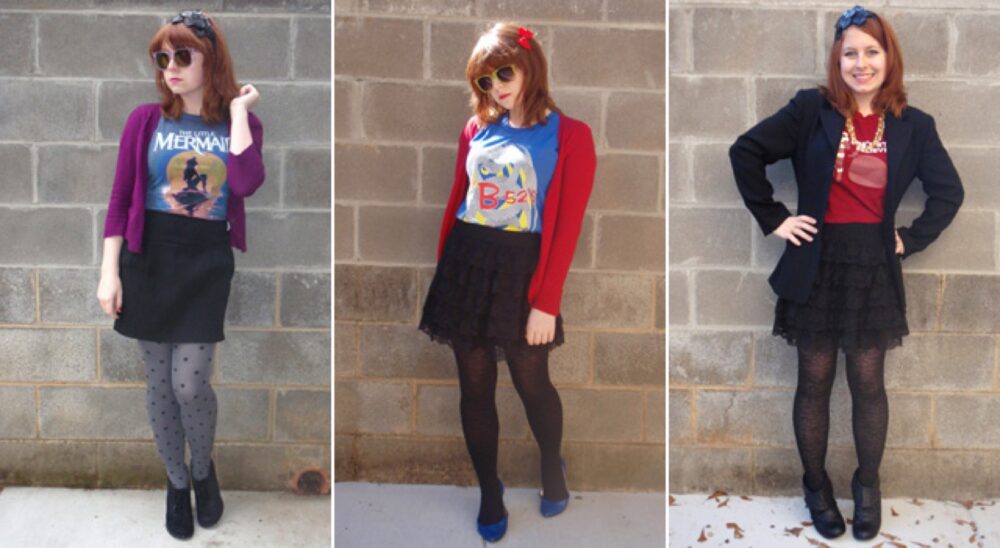
If you want a boyfriend graphic tee that actually fits and survives the wash, start with the cut, fabric, and print method, then decide which channel to buy from. Boyfriend tees use a relaxed, slightly oversized silhouette—usually borrowed from a men’s cut—but marketed to all genders, so you’ll often size differently than in a fitted women’s tee. For sourcing, you can buy single pieces from mass retailers, commission designs via print‑on‑demand, or tap marketplaces like DHgate for broader variety and wholesale‑friendly pricing, weighing that against sizing consistency and print‑quality uncertainty on cross‑border listings.
For small ecommerce brands, the key is to lock your specs (fit, fabric, print) first, then pick the platform that can repeat those specs reliably, even if that means skipping DHgate and using a different supplier.
What Counts as a Boyfriend Graphic Tee (and Who It Suits)
A boyfriend graphic tee is basically a casual, slightly oversized t‑shirt with a graphic print, cut with more ease through the torso than a typical women’s fashion tee. Many listings on marketplaces and retail sites describe them as “borrowed from the boys” or “boyfriend fit,” but there’s no single industry standard—what’s consistent is the relaxed, boxier silhouette and dropped ease around the waist and hips.
Men’s tees are usually straighter through the body, while women’s cuts are often shaped slightly at the waist with less overall width. Boyfriend styles mimic the ease of a men’s tee but are marketed as gender‑neutral and styled for tucking, knotting, or pairing with leggings.
This fit works well if:
- You like a slouchy, off‑duty look over jeans or bike shorts.
- You’re styling around high‑rise bottoms and want enough length to tuck.
- You resell tees to customers who prefer relaxed streetwear rather than tailored basics.
Quick size‑choice examples for US buyers
Because boyfriend tees often use men’s/unisex blocks:
- If you usually wear a women’s M in fitted tees and want a loose but not huge boyfriend fit, a unisex S or M is often comparable.
- If you usually wear a men’s M and want extra drape, you might go up to a men’s L in a boyfriend tee listing.
Always check each seller’s size chart—especially on cross‑border marketplaces—since measurements can vary a lot between brands.
Core Buying Choices: Fit, Fabric, and Print Quality
The three specs that make or break a boyfriend graphic tee are fit, fabric, and print method. Here’s how to read listings in a way that actually predicts comfort and longevity.
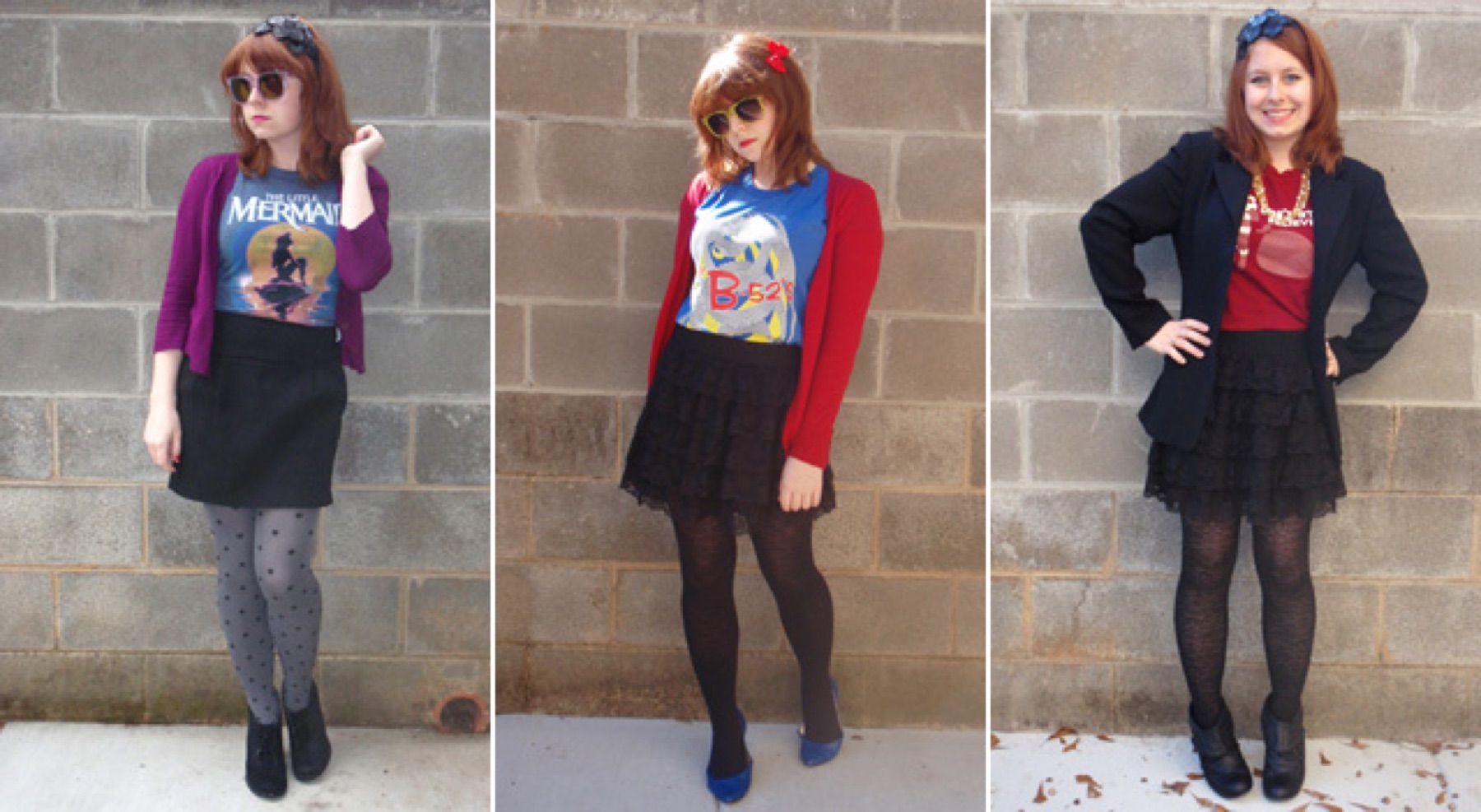
1. Fit details that matter
Look beyond “boyfriend” in the title and focus on:
- Chest width and length (in inches or cm): These tell you how oversized the tee will be on your body.
- Neckline: Crew neck is classic and pairs well with layered jewelry; a wider crew or slight scoop reads more feminine but still casual.
- Sleeve length: Slightly longer sleeves help sell the borrowed‑tee vibe. Shorter cap sleeves feel more like a women’s fashion tee.
For small sellers, decide on a fit standard (e.g., based on a well‑known blank like a typical unisex cotton tee) and stick to it across suppliers, so customer sizing stays predictable.
2. Fabric: cotton vs blends and how they drape
Fabric and weight significantly affect how a graphic boyfriend tee hangs and feels.
Typical options:
- 100% cotton: Softer as it breaks in, with a more structured drape at mid weights. Works well for bold graphics and casual everyday wear.
- Cotton/poly blends: Often lighter and smoother, with a bit more flow. They can feel cooler in heat but may pill sooner at low quality.
Heavier tees tend to hold their boxy shape and make prints look crisp; lighter tees cling more and can feel more feminine or drapey. Guides on graphic tees like Demons Behind Me’s fit and fabric breakdown stress fabric choice as a primary comfort factor—and that carries over directly to boyfriend fits.
For cross‑border orders (including DHgate listings), treat vague fabric descriptions like “soft material” as a red flag: you’ll want specific fiber content (e.g., “100% cotton” or “60/40 cotton/poly”) before you commit.
3. Print method and durability
The print method affects how your graphic ages:
- Screen printing: Typically more durable, especially on heavier cotton tees. Ink is pushed through a stencil and tends to sit strongly on the fabric, resisting cracking and fading under normal wear.
- Low‑end digital prints: Common on very cheap tees and some fast fashion; these can look great out of the bag but may fade or crack faster, especially on thin fabrics.
Clothing guides like Dapperr’s graphic tee primer note screen printing’s typical longevity compared to basic digital prints. As a buyer, you usually won’t see “screen printed” vs “DTG” declared in a marketplace listing, but clues include:
- Close‑up photos of the print (does it look plasticky, or integrated into the fibers?).
- Whether the same design is offered on multiple colors and fabrics (suggesting print‑on‑demand digital).
For personal wear, either method can work if you accept some fade over time. For resale, lean toward suppliers that specify screen printing or use reputable blank brands so customers don’t feel short‑changed.
4. Design legality and risk points
Because graphic tees are often covered in logos, characters, and memes, copyright is a real concern, especially on open marketplaces and cross‑border orders.
To reduce risk:
- Avoid tees that clearly copy major brands, sports teams, or entertainment IP unless you can verify proper licensing.
- For your own brand, prioritize original artwork or text that doesn’t depend on someone else’s trademark.
If you’re building a small ecommerce business, questionable IP may help short‑term sales but can create long‑term platform or legal headaches.
Where to Source Boyfriend Graphic Tees Online (DHgate vs Other Channels)
You have three main online channels for boyfriend graphic tees: mass retailers, open marketplaces like DHgate, and print‑on‑demand (POD) services. Each trades off control, price, and consistency.
Here’s a concise comparison to help you choose:
| Channel type | What you get for personal use | What you get for small resale | Typical pros for US buyers | Typical trade‑offs |
|---|---|---|---|---|
| Mass retailers (big-box, fashion chains) | Ready‑to‑wear boyfriend tees with established sizing and seasonal graphics | Limited ability to restock the exact design; you resell whatever they currently offer | More consistent sizing and quality norms; easy returns via the retailer’s own policies; you can feel fabrics in-store when available | Less control over branding; designs change frequently; per‑unit prices higher than wholesale |
| Open marketplaces (incl. DHgate) | Huge variety of printed tees, including relaxed fits marketed as boyfriend or unisex | Access to bulk pricing from individual sellers; assortment suitable for testing niche aesthetics | Wide design variety and generally wholesale‑friendly price levels, as suggested by DHgate’s t‑shirt marketing claims | Sizing and print quality can vary a lot by seller; you must vet each listing yourself; IP infringement risk is higher if you’re not selective |
| Print‑on‑demand platforms | You upload or choose artwork on boyfriend‑style blanks and get a made‑to‑order tee | You control designs and branding while the POD provider prints and ships under your label | Strong control over artwork and logo; easier to repeat exact designs; many POD services emphasize consistent blanks and sizing | Per‑unit base cost can be higher than bulk imports; fabric and fit locked to the provider’s catalog; lead times depend on POD workflow |
For US buyers who just want a couple of boyfriend graphic tees, mass retailers and POD are straightforward and predictable. If you’re experimenting with larger assortments or testing niche themes for a shop, marketplaces like DHgate can be relevant because they carry many printed tees at wholesale‑friendly price points, but you’ll need a clear spec sheet and be ready to walk away from listings that don’t match your fit, fabric, and design requirements.
If you decide DHgate is worth exploring as part of that mix, it can help to first understand what DHgate is and how the marketplace works, then apply targeted checks to sellers using guidance like how to find trusted sellers on DHgate and the DHgate order‑readiness checklist.
For many small brands, a practical path is: define your boyfriend tee specs, test them via POD or a consistent blank supplier, and use DHgate or other marketplaces only where they clearly align with those specs and your risk tolerance.