
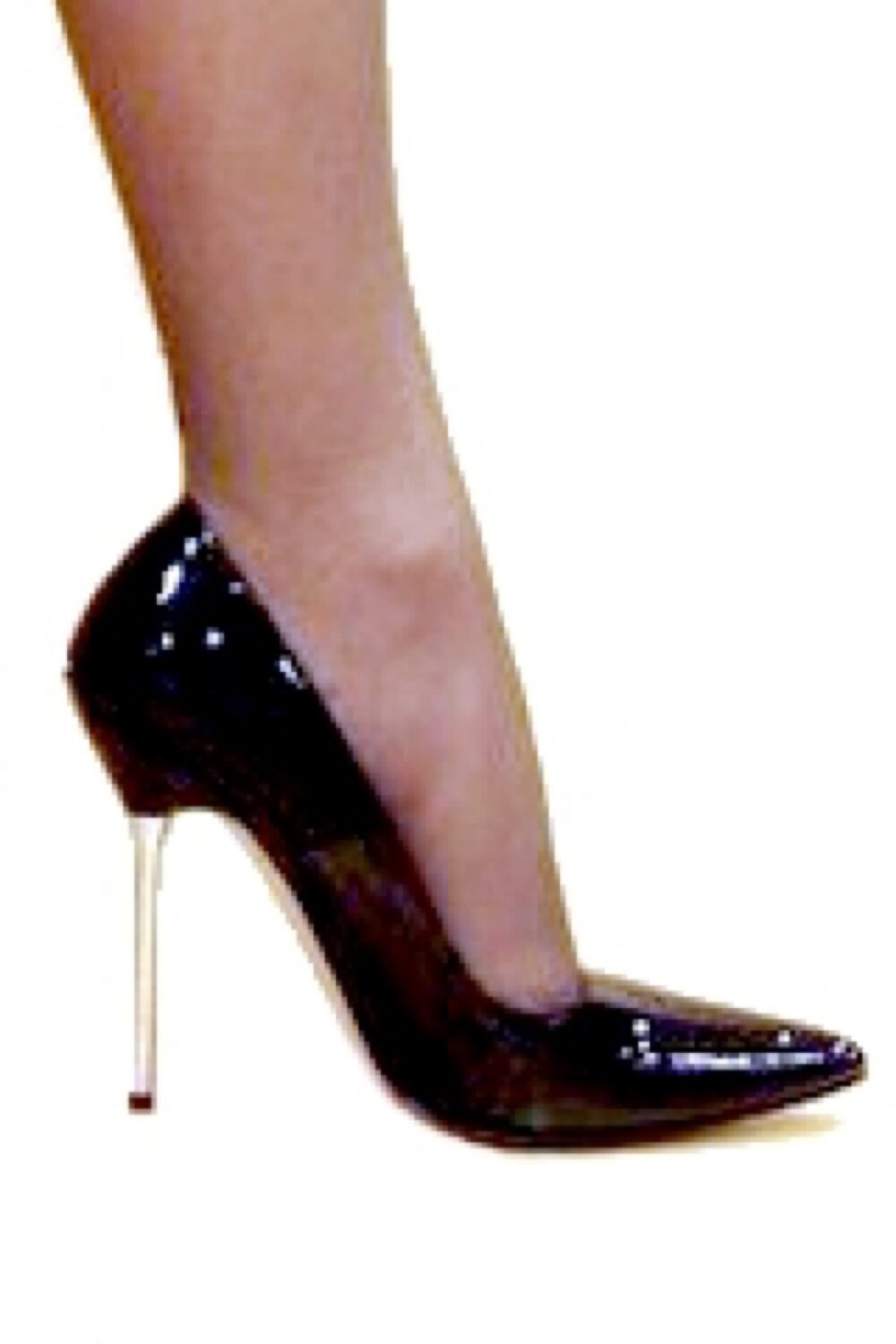
Pewter shoes and heels — that soft metallic gray between silver and charcoal — are easiest to find on mainstream fashion sites and large marketplaces. For most US buyers, retailers like Zappos, Target, Walmart, Lulus, Next, and resale platforms such as Etsy and Poshmark will give you the widest, simplest selection. DHgate can be relevant if you’re sourcing cross‑border in small batches or bulk and are willing to vet individual sellers carefully, but it’s not the go‑to for a single wedding pair you need next week.
What Makes Pewter Shoes and Heels Distinct, and Who Buys Them?
Pewter footwear is defined by its metallic gray tone, similar to pewter metal. It’s less bright than mirror silver and more dressy than flat gray, which is why you’ll see it used for both everyday low heels and formal event shoes.
A good example is the Taylor Pewter ankle-strap heel on Lulus: the color reads as a muted, reflective gray that works with black, navy, jewel tones, and pastels. That versatility is the main reason people seek pewter specifically rather than “silver” or “taupe.”
Typical buyers and occasions:
- Wedding and formal guests who want something dressy but not as attention-grabbing as bright silver.
- Bridesmaids or prom-goers coordinating with multiple dress colors.
- Office and everyday wearers who like a subtle metallic that functions almost like a refined neutral.
- Small ecommerce sellers looking to offer an alternative to standard black/nude heels that still plays nicely with many outfits.
If your use case is narrow (e.g., one specific dress color), you can safely treat pewter like a flexible neutral and focus more on heel type and comfort than on minor shade variations.
Key Pewter Heel Types and Where They Show Up Online
You won’t find “pewter” treated as a separate shoe category, so the trick is to combine color filters with style filters on the big platforms. Here’s how the main heel types tend to map across channels, based on public listings.
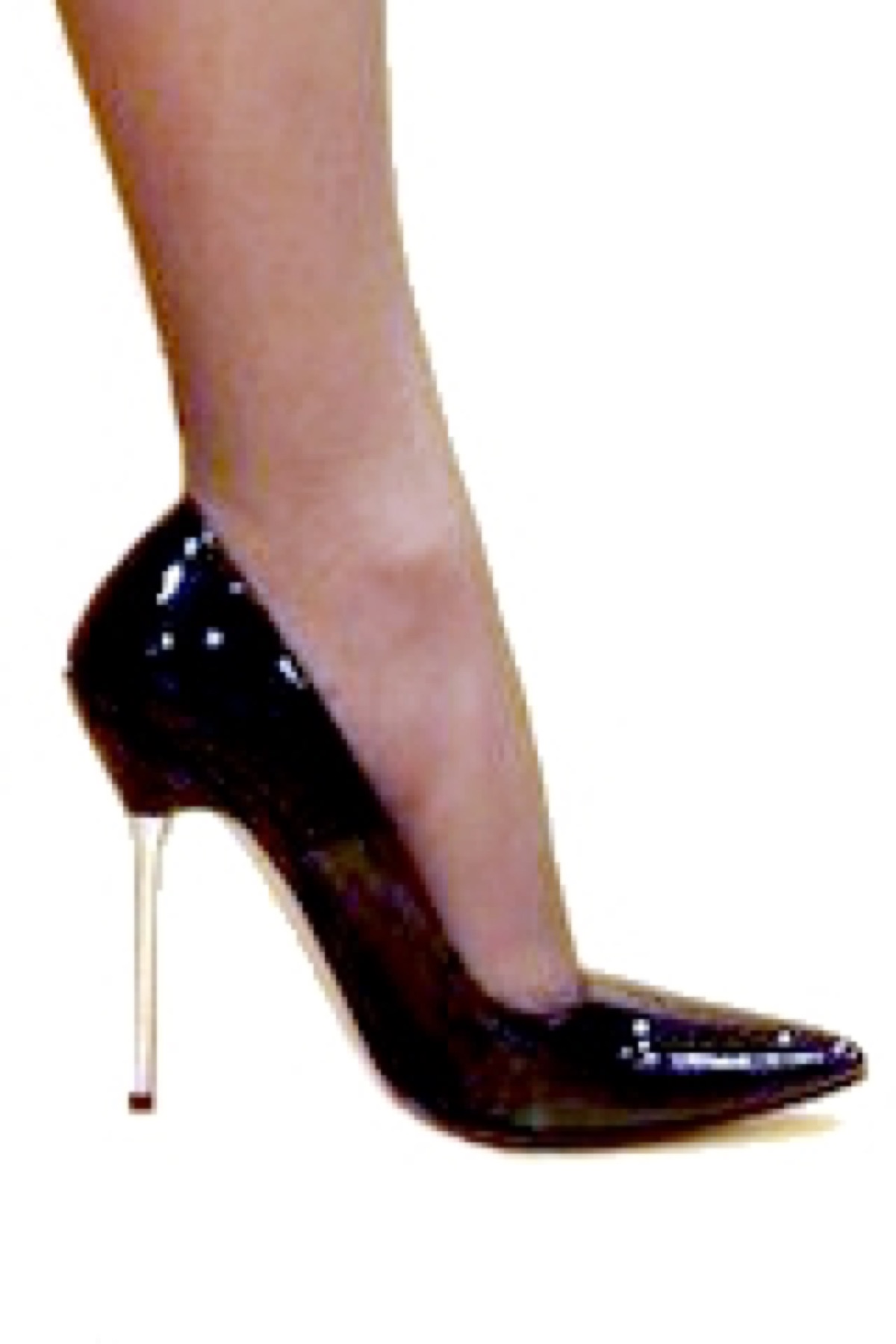
Everyday low and block heels
If you want something walkable for the office or events with lots of standing:
- Zappos has multiple 2-inch pewter heels and low pumps; searching for “pewter 2 inch heels” surfaces block and kitten styles in comfort brands, often with cushioned insoles.
- Walmart’s pewter block heels category shows budget-friendly block-heel sandals and pumps, which are useful if you’re buying several sizes for a small shop.
- Target carries pewter-colored heels and sandals under fashion and occasion lines; its search results for “pewter heels” include strappy low-heel options suitable for work-to-event wear.
These channels are straightforward for US sizing, returns, and quick comparisons across brands.
Dressy ankle-strap and classic pumps
For more traditional event heels:
- Lulus focuses on fashion-forward designs. The Taylor Pewter ankle-strap heels, for example, show how the color works in a minimalist, dressy silhouette suitable for bridesmaids or cocktail outfits.
- Next US, visible via aggregated listings on Lyst, offers pewter point-toe low kitten heels and extra-wide-fit options, which matter if you need specific width fittings.
- Zappos’ broader pewter heels search pulls in classic pumps, slingbacks, and sandals in comfort, dress, and occasion brands.
These are good channels when you want consistent photography, detailed size filters, and clear heel height information.
Wedding, vintage, and one-off statement styles
For less standard looks, craft and resale platforms shine:
- Etsy’s pewter heels and wedding pewter heels searches show satin, embellished, and handmade styles aimed at brides and formal events. Think glittered peep-toes, lace overlays, or custom dye jobs.
- Poshmark has multiple pewter listings, including vintage-style caged heels and satin pewter lace-up heels, such as the Satin Pewter Lace Up Heels. Expect more variety in brand age and condition, because items are usually pre-owned.
These channels are ideal if you want something unique, are open to secondhand, or need a very specific aesthetic (vintage, glam, or bridal).
Quick style/channel summary
Here’s a compact way to think about where to look first based on style:
| Need this pewter heel type | Best first stop(s) | Why it fits |
|---|---|---|
| Low block or kitten heels | Zappos, Walmart | Many comfort brands and value options; easy size/heel filters |
| Classic pumps & ankle-strap dressy | Zappos, Lulus, Next via Lyst | Clean styling, clear heel heights, event-ready designs |
| Wedding or embellished statement | Etsy | Handmade or small-batch bridal and special-occasion focus |
| Vintage, one-off designer or satin | Poshmark | Resale listings with older collections and niche aesthetics |
| Multiple pairs for a micro-inventory | Walmart, Target, Zappos; possibly DHgate | Value pricing and breadth; DHgate if you’re comfortable cross‑border |
Choosing the Right Channel: Retail Sites, Marketplaces, Resale and DHgate
Once you know the style you want, choosing the channel is mostly about how fast you need the shoes, how many pairs you’re buying, and how much uncertainty you can tolerate.
For single-pair, US-based buyers
If you’re just buying one pair for a wedding, office, or night out:
- Mainstream retailers (Zappos, Target, Walmart, Lulus, Next) are usually the simplest. You get standardized size charts, multiple photos per listing, and straightforward filters by heel height and width. These sites are strong for trying a couple of sizes and sending back what doesn’t fit.
- Etsy works when you care more about design than speed. Handmade or customized pewter heels can take longer or be final sale, but you gain access to looks you won’t see in big-box catalogs.
- Poshmark is best when you’re comfortable with resale and carefully reading condition notes. If you’re on a tight deadline, look at listings that mention being unworn or include clear close-ups of soles and uppers.
For most one-off purchases, these channels will feel more predictable than cross‑border marketplaces.
For small ecommerce sellers testing pewter inventory
If you’re a small US-based shop or online seller wanting to stock pewter heels:
- Buying a handful of pairs from Walmart, Target, Zappos, or Next lets you test demand with familiar brands and sizes. You’re essentially re-retailing domestic inventory.
- Etsy can double as a source if you partner with a maker who agrees to repeat designs; you’re closer to a micro-wholesale relationship, often with clearer communication on materials and production.
- DHgate enters the picture if you’re comfortable importing. It operates as a cross‑border marketplace with many footwear listings and is structured to support competitive pricing and bulk-friendly deals across categories like pumps, sandals and dress heels, though quality varies by seller.
Because DHgate connects you directly with individual sellers, there’s more homework on your side before placing an order. Helpful next steps if you’re considering that route:
- Read up on how DHgate works as a marketplace via What DHgate is and how the marketplace works.
- Learn how to evaluate seller history, reviews, and listing details in Find trusted sellers on DHgate.
- Use the DHgate order-readiness checklist before committing to any bulk or small-batch footwear order.
As a small business, you might start with domestic channels to validate that customers actually respond to pewter heels, then explore DHgate or other cross‑border sources once you know which styles and sizes are moving.
When to skip a channel altogether
- Skip resale apps if you need multiples of the same style and size; consistency is hard with one-off listings.
- Skip handmade-only Etsy options if your margin can’t handle higher per-pair costs or longer production times.
By matching your use case — one pair vs inventory, standard vs unique styling, domestic vs cross‑border — to the right channels, you’ll spend less time searching and more time actually wearing pewter heels that fit your needs.