
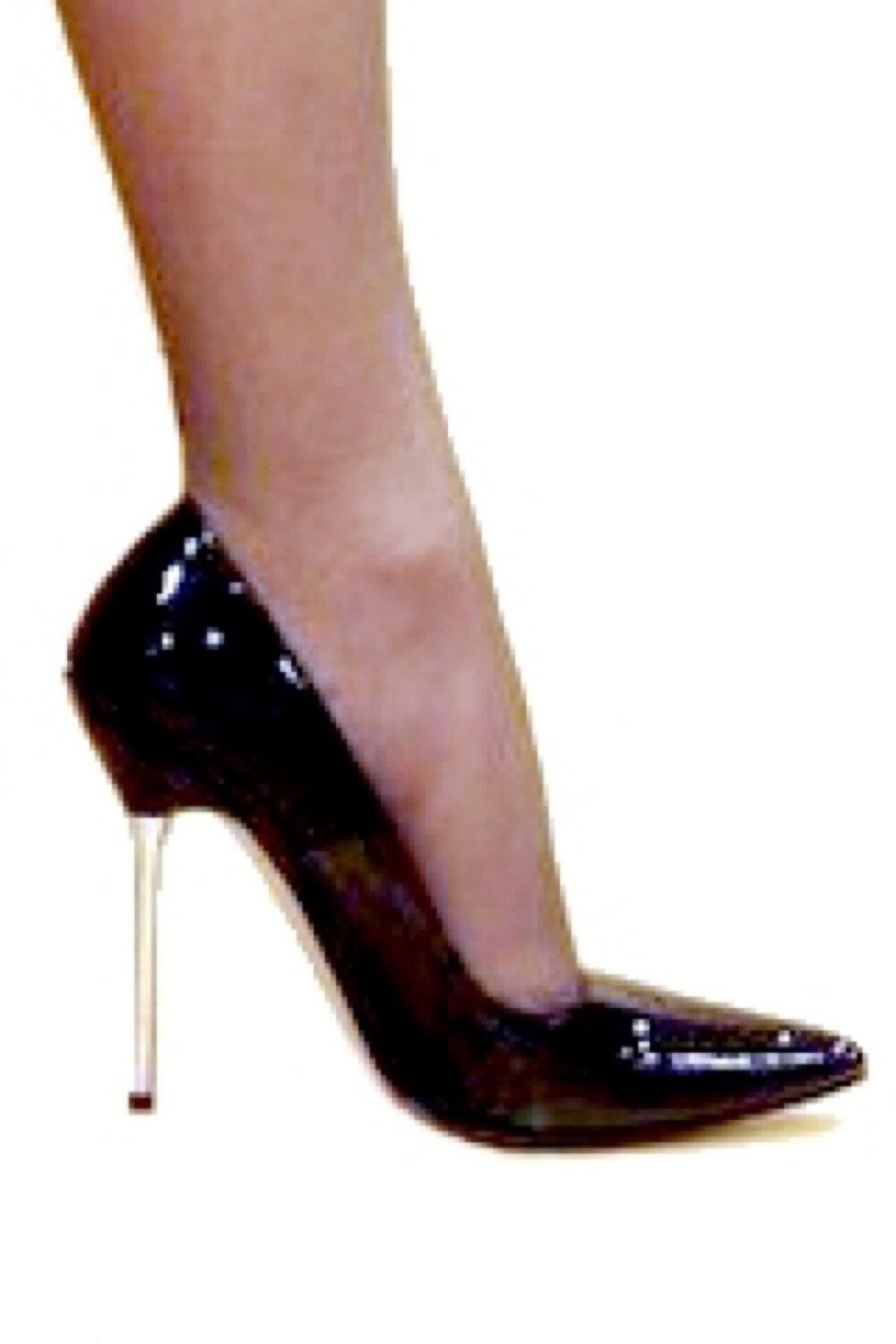
Pewter shoes and heels work best when you match the color, heel type, and material to your actual plans: a muted metallic pump or sandal for weddings, a comfortable block heel or flat for long days, and more dramatic stilettos for short events. Start with occasion and outfit, then choose heel height you can realistically stand and walk in, and only after that compare materials, lining, and price. If you’re open to cross-border buying, you can add DHgate to your shortlist alongside U.S. retailers and big marketplaces, but treat it as a wide-selection, lower-price option that still requires careful listing checks because shoes there can range from genuine to replicas and fakes.
What Counts as a Pewter Shoe or Heel and When It Works Best
Pewter in footwear isn’t bright chrome silver. It’s a softer, grey-based metallic that looks more subtle and slightly darker. Style guides note that pewter shoes commonly pair well with navy, taupe, sandstone, and other neutrals, because the muted shine doesn’t fight strong colors the way mirror silver can. Guides like TopShoesReview show pewter shoes used with navy dresses, sandstone tones, and similar palettes as a “quiet” metallic accent.
That makes pewter heels a popular choice for weddings and formal outfits. A pewter pump or strappy heel can read dressy enough for an evening event but won’t steal focus from the dress the way glitter silver sometimes does. Wedding-focused sources such as TheWeddingShoeShop treat pewter dress shoes as a common pick for bridal parties and guests.
In everyday wear, pewter flats, loafers, and low heels work with black jeans, charcoal suiting, or a taupe dress because the color acts almost like a neutral. If you want one metallic shoe that can cover both work and special occasions, pewter is more forgiving than bright silver or gold.
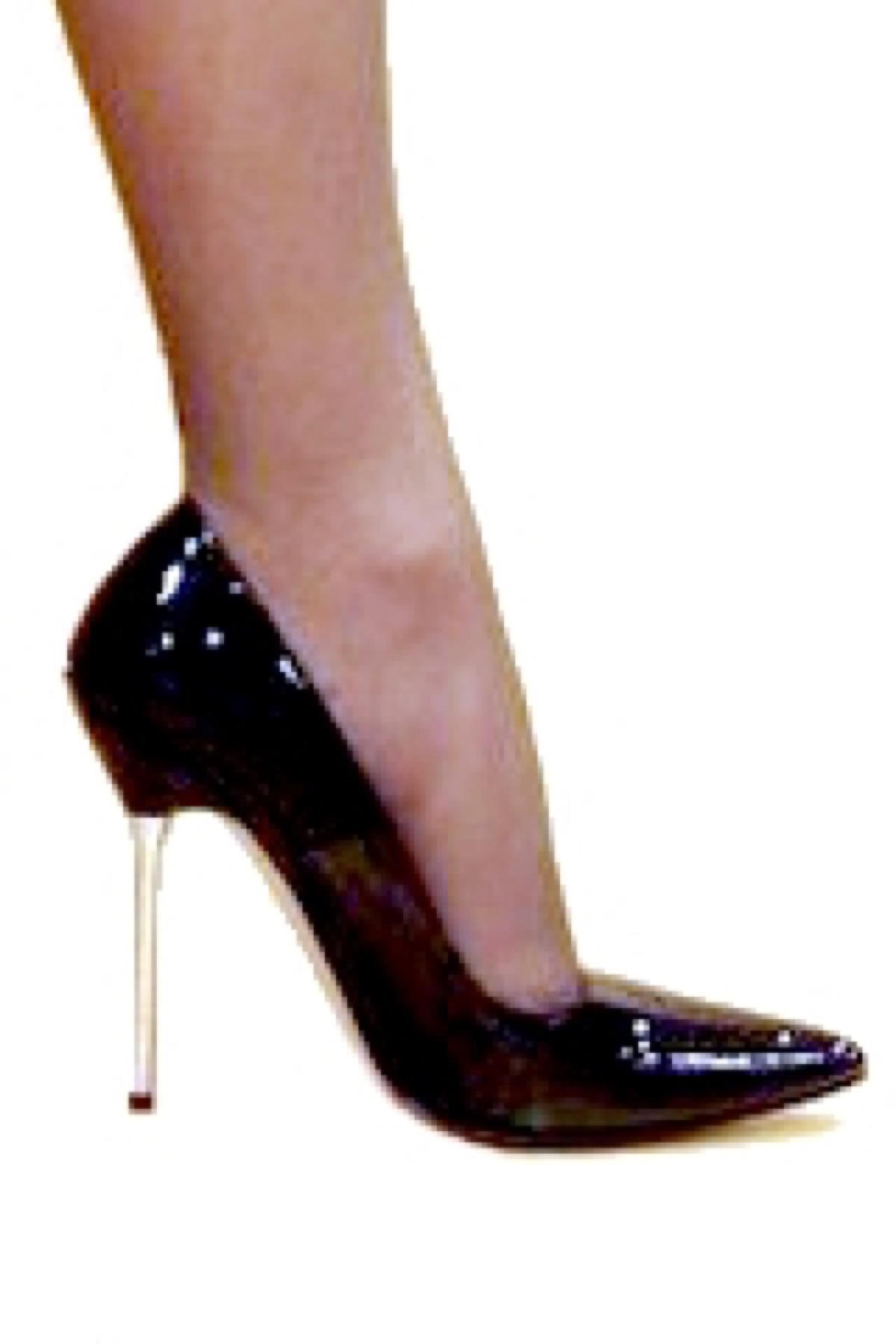
Key Pewter Shoe and Heel Types: Color, Heel Shape, and Materials
Once you know pewter’s vibe, you still have to pick a specific silhouette and construction. These choices change both how your shoes look and how long you can actually wear them.
Common pewter footwear variants
From mainstream assortments (for example, Walmart’s pewter heels category) and style sites, you’ll typically see:
| Pewter style type | Typical look & use | Comfort window (editorial judgment) |
|---|---|---|
| Classic pump (mid heel) | Closed toe, 2-3″ heel for office, weddings, dinners | 4-6 hours if fit is good |
| Strappy sandal / slingback | Dressy, open toe for parties and warm-weather events | 2-4 hours; depends on strap design |
| Block-heel courts | More stable heel for work and events | 6+ hours for many wearers |
| Flats / low wedges | Everyday metallic neutral, casual or business-casual | All-day if cushioned well |
| Platform stiletto | High-impact fashion, clubs, photos, short ceremonies | 1-3 hours before fatigue |
These are general expectations, not rules, but they help you narrow down options. If you need to stand in a pewter heel for an entire reception, a mid-height pump or block heel usually beats a thin 4″ stiletto.
Heel shape and height: what to match to your reality
- Stilettos in pewter are visually sharp and formal. They elongate the leg and look great with column gowns and slim trousers, but the narrow heel concentrates pressure, so they’re best for short events.
- Block heels and chunky sandals in pewter deliver the metallic look with more surface area on the ground. They pair well with midi dresses and jumpsuits and are friendlier if you’ll be walking on grass or cobblestones.
- Kitten heels provide a hint of height with far less strain. For office wear or long ceremonies, a pewter kitten-heel slingback can give you the dressy metallic touch without the pain.
For small ecommerce buyers, this matters: if your customers are buying for weddings and are likely in the shoes all day, weighting your inventory toward mid-height pumps and block heels can reduce returns and complaints.
Uppers, lining, and finish
Pewter can show up in different materials and finishes:
- Synthetic metallic uppers (the most common in budget ranges) are easy to clean but can be stiff. For long wear, look for listings that mention padded insoles and soft linings.
- Leather with pewter finish tends to flex better and mold to the foot over time, but price is higher.
- Matte vs high-shine pewter: matte or brushed finishes feel more “daytime” and conservative; mirror-like finishes skew dressy and evening.
For long events, prioritize:
- A slightly rounded or almond toe over a very pointy toe (more room for swelling).
- Cushioned insoles and stable heel bases, especially with synthetic uppers.
- Adjustable straps on sandals so wearers can tighten or loosen as needed.
Buying Pewter Shoes Smartly (Including DHgate vs Mainstream Platforms)
Once you know the style and material you want, the next step is deciding where to buy or source inventory.
How mainstream platforms usually handle pewter
U.S. retailers and specialty sites tend to carry pewter mostly in classic forms: pumps, slingback heels, and a modest number of dress sandals. Browsing a typical assortment like Walmart’s pewter heels shows a focus on wearable heel heights and simple silhouettes, not lots of wild niche styles.
This is good if you want reliable, easy-to-match shapes and established brands with predictable sizing. It’s less ideal if you’re hunting for very specific niche looks—say, pewter gladiator stilettos or unusual platform designs—for either personal style or to stand out as a reseller.
Where DHgate fits in your shortlist
DHgate is an international marketplace that connects buyers directly with many different shoe sellers. Editorial pieces on DHgate’s own blog describe shoes as one of the platform’s popular categories, with a wide range of wedding and special-event shoes and the potential for prices lower than offline stores because you’re not going through traditional retail markup.
Those same sources acknowledge that listings can span genuine products, replicas, and outright fakes. That mix matters a lot when you’re buying metallic heels, where big-brand looks are frequently copied. Extremely low prices on designs that resemble well-known luxury or designer heels can be a sign you’re looking at replicas or fakes rather than authentic branded stock.
So DHgate can belong in your pewter shortlist if:
- You’re price-sensitive and willing to trade some predictability for more variety and potentially lower unit costs.
If you do consider DHgate, it’s helpful to understand the marketplace itself via What DHgate is and how the marketplace works and then, before committing, use a process like Find trusted sellers on DHgate and the DHgate order-readiness checklist.
Simple workflows for small resellers
If you’re a small ecommerce seller testing pewter shoes:
- Test demand with safe, classic shapes first. Start with pewter pumps or block-heel sandals from domestic suppliers or major marketplaces where sizing and branding are clearer.
- Watch which sizes and substyles move. If mid-height pewter pumps in wide widths sell quickly, you’ve learned something specific about your audience.
- Use DHgate for breadth once you have data. When you know your core performers, consider DHgate to experiment with more sizes, heel heights, or niche styles at lower unit costs—accepting that you must vet each listing for photos consistency, material descriptions, and realistic pricing.
For many buyers, domestic platforms will cover everyday pewter needs just fine. DHgate becomes relevant when you either can’t find the exact style you want locally or you’re chasing margin and assortment breadth for a small store and are prepared to handle the extra evaluation work and cross-border uncertainty.