
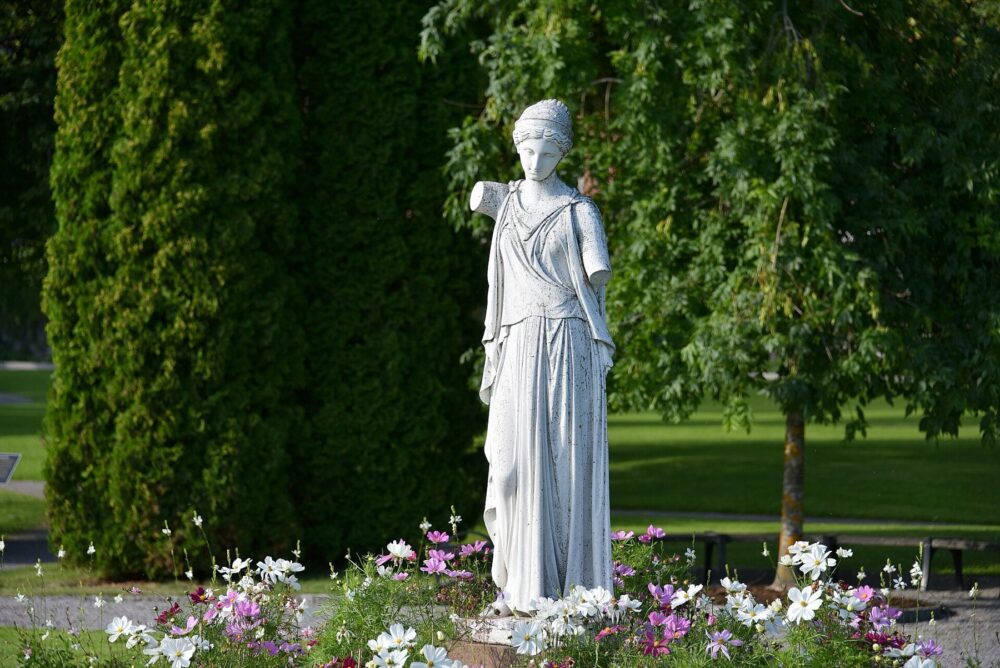
If you’re hunting for a Hebe goddess statue, the most reliable sources are niche statue retailers and artisan marketplaces that specialize in classical or mythological art. They’re where you’ll consistently find cast marble, alabaster, and well-made garden fiberstone Hebe figures. Large décor brands also sell outdoor Hebe statues in resin or fiberstone. Broad marketplaces and B2B sites (including DHgate) can be useful for budget resin or fiberglass pieces and bulk orders, but specific Hebe listings come and go, so you’ll need to evaluate each listing carefully and be ready to walk away if the photos or details look generic.
For most US buyers—especially collectors or small ecommerce shops—the first decision is what kind of Hebe statue you want: a small indoor figure, a medium décor piece, or a full-size garden sculpture. Once that’s clear, you can match that format to the channels that actually stock it instead of scrolling vague search results.
What Counts as a Hebe Goddess Statue and Who Buys Them?
Hebe is the Greek goddess of youth and a cupbearer to the gods, often shown holding a jug or cup and sometimes standing beside an eagle or fountain. Sources like MagickalSpot describe her as a frequent subject in statuary because the theme of youth and renewal works well in home and garden décor.
In practice, “Hebe statue” usually refers to a few visual profiles:
- Classical standing Hebe – draped, holding a jug or goblet.
- Fountain-integrated Hebe – the jug pours water into a basin.
- Collector-scale figurines – smaller, desk or shelf pieces.
Typical buyers include:
- Individual collectors who care about mythological accuracy, finer details in the drapery and face, and materials like cast marble or alabaster.
- Home and garden decorators who want a visually striking but practical piece—often resin, fiberstone, or similar mixes that can stay outdoors.
- Small ecommerce or garden décor businesses looking for repeatable stock: a Hebe figure they can list reliably without dealing with one-off antiques.
- Landscapers and designers specifying full-size outdoor Hebe sculptures as focal points in formal gardens.
Knowing which of these camps you sit in—collector vs décor vs reseller—changes where you should shop.
Key Hebe Statue Types: From Small Resin Figures to Full-Size Garden Sculptures
Hebe statues span everything from palm-sized figurines to life-size garden pieces. Material and scale drive both price and durability.
Main formats and what they’re good for
| Statue type | Typical material | Scale & use | Best fit |
|---|---|---|---|
| Small tabletop figure | Resin, sometimes metal | 6-12″ tall, indoor | Low-budget collectors, gift items, resellers who ship cheaply |
| Medium indoor décor | Cast marble or alabaster | Around 12-18″; display on shelves or pedestals | Mythology fans who want more detail and weight |
| Garden Hebe statue | Fiberstone or stone mix | Outdoor-ready, various heights | Home/garden owners, landscapers, garden retailers |
| Large carved Hebe | Natural marble or stone | Full-size outdoor sculpture | High-end projects, estates, hotels, public spaces |
Small resin figures. Shops that focus on fantasy and mythological collectibles—such as Dark Knight Armoury’s Hebe figure—tend to offer resin statues in the 6-12 inch range. These are light, shippable, and affordable enough for individual buyers or resellers, though fine detail and longevity will vary by brand.
Cast marble or alabaster Hebe. For more art-focused pieces, some retailers use cast marble or alabaster. Gallery Demeter offers an alabaster Hebe/Juventas statue aimed squarely at collectors who care about the classical look. These pieces are heavier and feel more like museum reproductions than generic décor.
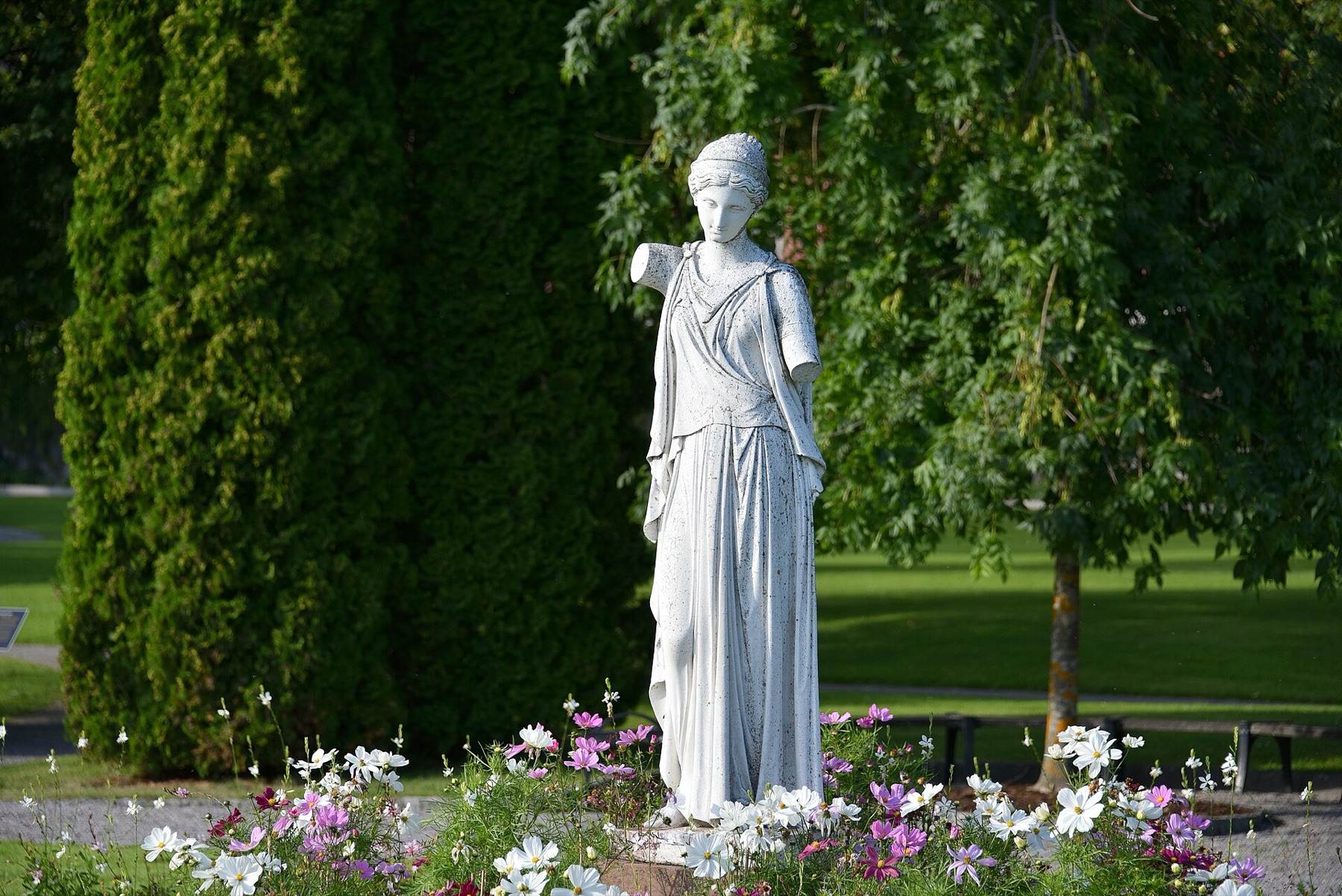
Garden fiberstone Hebe. If you want Hebe outdoors in a US yard, fiberstone or similar stone-and-fiberglass mixes are common. Retailers like GardenOrnaments sell outdoor-ready Hebe statues marketed specifically for garden use in those composite materials. These balance weight (so the statue doesn’t blow over) with enough weather resistance for typical garden placement.
Brands such as Design Toscano also sell larger Hebe statues designed for garden display, usually in resin or fiberstone. These can reach impressive heights and work as central features in a planting bed or near a patio.
Carved marble Hebe sculptures. For life-size or near life-size works, some buyers go straight to sculpture manufacturers in China or other production hubs. A typical example is the marble Hebe statue offered by China Marble Sculpture, where Hebe statues are produced for outdoor use and often made-to-order. These are substantial pieces with very different logistics—shipping, crating, and installation—than a small resin figure.
For small ecommerce businesses, the practical dividing line is usually shipping: pieces that can go via standard parcel vs those that require freight and serious planning.
Where to Buy Hebe Goddess Statues Online and How DHgate Compares
Once you know your desired format and material, you can choose the right online channel rather than hoping one marketplace magically covers everything.
1. Niche statue and garden décor retailers
If you want something reliable and relatively straightforward to buy in the US, specialty statue shops and garden décor brands are the most predictable route.
- Garden-focused retailers like GardenOrnaments and décor brands such as Design Toscano stock outdoor Hebe statues in fiberstone or resin.
- Many large home-and-garden platforms (Wayfair, Overstock, etc.) carry these brands; the DHgate Blog’s overview of statue-buying channels notes that sites like Amazon, Etsy, eBay, Wayfair, and Overstock tend to offer wide selections with filters and customer reviews.
These channels suit:
- Homeowners wanting a garden-ready Hebe without dealing with custom manufacturing.
- Small retailers who prefer repeatable stock from recognized décor brands.
You can usually narrow results by material (resin vs stone), size, and outdoor suitability using on-site filters.
2. Artisan and collector marketplaces
Artisan platforms and specialist retailers are better if you care about craftsmanship or mythological fidelity.
- Artisan shops like Gallery Demeter focus on alabaster and collector-grade pieces.
- There are similar cast marble Hebe offerings on European and Greek art sites, often described as museum-style reproductions.
These suits:
- Collectors who want a specific classical interpretation of Hebe.
- Smaller online shops positioning themselves as higher-end mythology or spiritual décor vendors.
The trade-off is price and lead time, but you get better documentation about the sculptor, material, and finish.
3. Cross-border manufacturers for large marble Hebe statues
If you need a life-size outdoor Hebe for a garden project or commercial space, cross-border manufacturers are usually the only realistic source.
Companies like China Marble Sculpture showcase large marble Hebe statues aimed at international buyers. These are typically:
- Made-to-order or batch-produced, so you can request certain dimensions or finishes.
- Freight shipped, meaning longer timelines, higher shipping costs, and import paperwork for US buyers.
This route fits:
- Landscapers or designers specifying a permanent stone focal point.
- Businesses outfitting hotels, event spaces, or formal gardens.
You’ll need to plan for CAD drawings or photos, crating, and installation. For small ecommerce businesses, this is rarely practical unless you specialize in high-ticket statuary.
4. DHgate and other broad marketplaces
DHgate, AliExpress, Amazon, eBay, and similar marketplaces can be helpful for budget-friendly resin or fiberglass Hebe-like statues and related garden figures, especially if you’re sourcing cross-border inventory.
For Hebe specifically:
- Listings fluctuate. You may find Hebe statues one month and mostly generic “Greek goddess” figures the next.
- Listing-level checks matter. Look closely at photos, dimensions, material descriptions, and how specific the title is (“Hebe” vs “Greek lady with jug”). Avoid listings where the sculpture doesn’t clearly match Hebe’s typical iconography.
On DHgate in particular, treat Hebe statues as a niche within a broader “garden statue/resin décor” category. If you don’t see convincing product photos or clear material notes, it’s safer to buy from a dedicated statue retailer or artisan shop.
For readers who plan to use DHgate more broadly—for example, to source generic garden décor or resellable statues—articles like What DHgate is and how the marketplace works and Find trusted sellers on DHgate can help you understand the marketplace itself before you commit.
5. Matching your use case to the right channel
Here’s a compact way to decide:
- You’re a collector wanting a display piece indoors. Start with artisan retailers and cast marble/alabaster shops; consider small resin figures from mythological collectible stores if budget is tight.
- You’re decorating a US home or garden. Look at garden décor brands and home/garden platforms that sell fiberstone or resin Hebe statues designed for outdoor use.
- You’re specifying a large outdoor sculpture for a client. Work directly with marble sculpture manufacturers and budget for freight, import, and installation; this is closer to a construction decision than a simple online purchase.
If you can’t find a Hebe statue that hits your size and material targets in your preferred channel, don’t force a compromise through a vague listing. In most cases, there are better options in adjacent themes—other Greek goddesses or classical female figures—on the same platforms, and the buying experience will be less risky than chasing a barely-described cross-border Hebe statue.