
For mica-related buying, the right platform route depends on whether you need finished jewelry, mineral specimens, or industrial mica sheets and powders. For finished mica jewelry or small decorative pieces, retail marketplaces and specialist mineral shops are usually the easiest and most reliable. For bulk decorative flakes or jewelry components, B2B marketplaces like DHgate can make sense if you’re willing to vet sellers. For high-spec electrical or construction uses, specialist industrial suppliers such as Asheville Mica or USA Mica typically beat general marketplaces on consistency and technical support.
DHgate is one of several China-based B2B marketplaces that often serve small brands and ecommerce sellers looking for bulk or niche products, but it’s not the default route for every mica use-case.
How the Online Market for Mica Jewelry, Specimens, and Industrial Mica is Structured
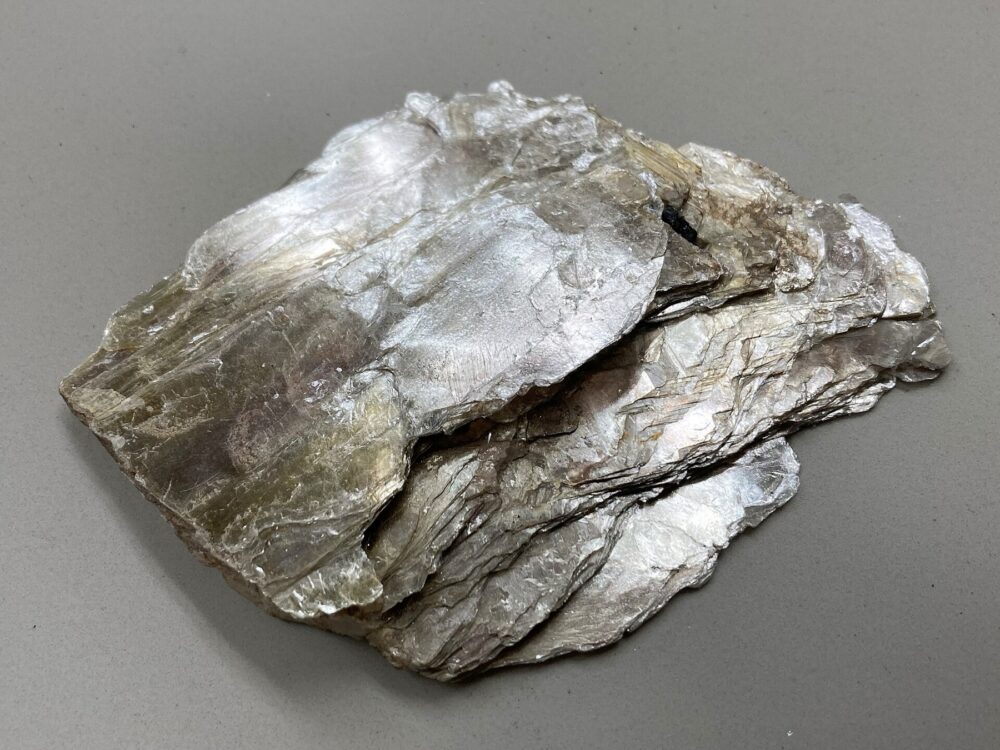
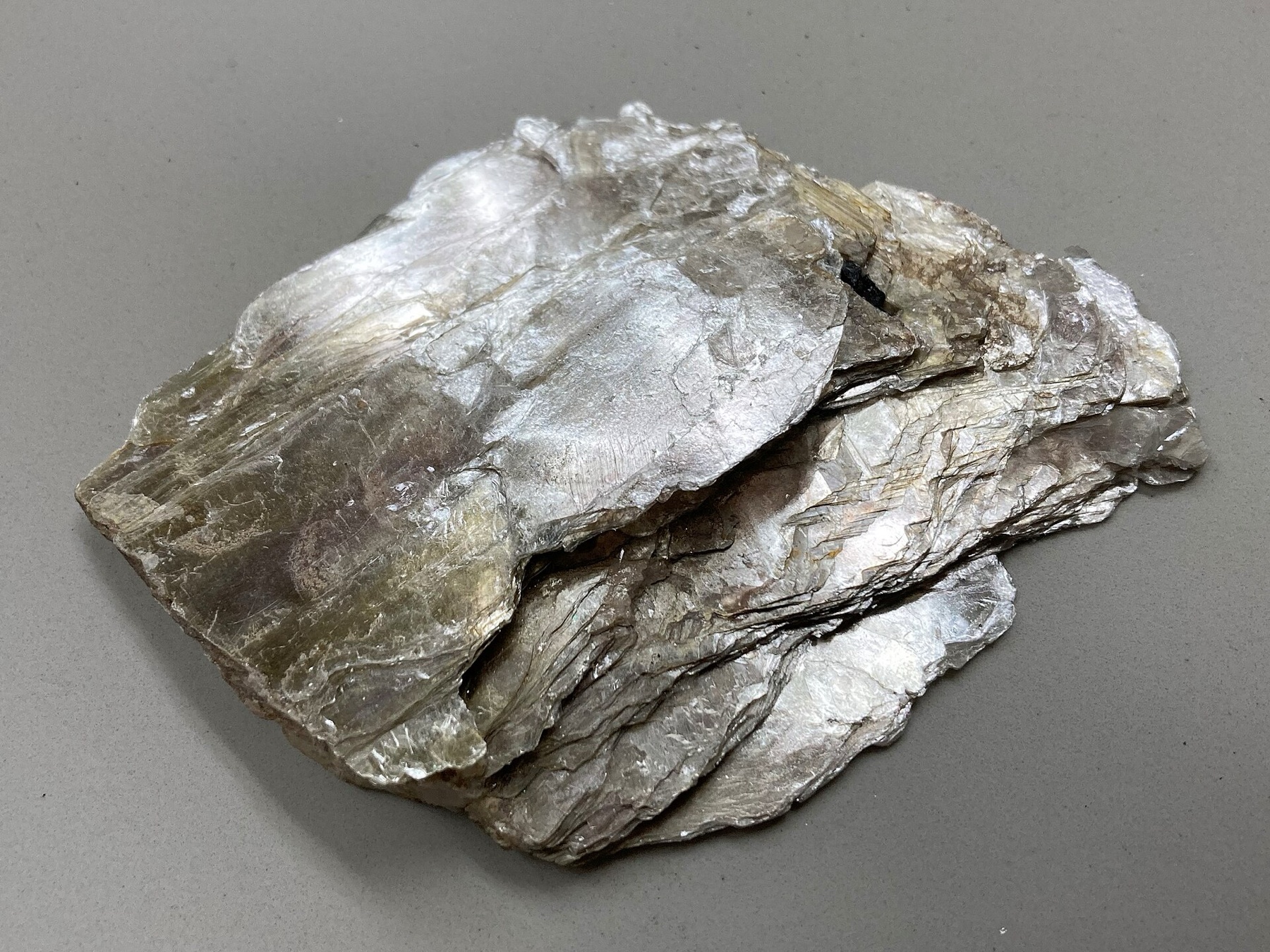
Mica is a family of silicate minerals known for sheet-like crystals, a pearly sheen, heat resistance, and electrical insulation. That mix of looks and performance means you’ll find mica in very different corners of the internet:
- Jewelry and decorative crafts – mica flakes or cabochons used for sparkle in resin jewelry, boho-style pendants, or inlays.
- Mineral specimens – intact mica crystals or books sold to collectors, schools, and decor buyers.
- Industrial and technical uses – natural or processed mica used as an electrical insulator, heat-resistant gasket material, fillers and pigments in coatings, plastics, and cosmetics.
Because those applications are so different, the online market splits into three broad platform types:
- Retail marketplaces (Amazon, eBay, Etsy, AliExpress): focus on finished jewelry, small craft packs of mica flakes, and individual mineral specimens. These work well for one-off or low-volume buying.
- B2B/wholesale marketplaces (DHgate, Alibaba): connect you to manufacturers and wholesalers who sell mica jewelry components, decorative mica powders, and sometimes semi-industrial materials in bulk.
- Specialist industrial mica suppliers (e.g., Asheville Mica, USA Mica, PNR Mica): focus on natural and processed mica for industrial and decorative applications rather than retail jewelry. They usually offer cut parts, sheets, tapes, and technical grades with documented properties.
Understanding which of these three buckets your needs fall into is the first step. A US hobbyist buying ten mica pendants and a small manufacturer sourcing mica-based electrical insulation are in different markets, even if they’re both typing “mica” into a search bar.
Retail Marketplaces vs B2B Platforms vs Specialist Suppliers
For US buyers and small ecommerce businesses, the platform choice usually hinges on order size, need for technical specs, and how much supplier vetting you’re willing to do.
Here’s a compact comparison tailored to mica-related products:
| Platform type | Typical buyer need | Volume & MOQ (editorial view) | Product focus for mica |
|---|---|---|---|
| Retail marketplaces | Hobbyist, small reseller, gift buyer | Single pieces to small multi-packs | Finished jewelry, small specimen lots, craft flakes |
| B2B marketplaces (DHgate/Alibaba) | Small brand, dropshipper, bulk decorative buyer | Cartons or bulk lots; MOQs often apply | Jewelry components, decorative powders/flakes, some industrial grades |
| Specialist mica suppliers | Industrial user, manufacturer, serious crafter | Custom runs, cut parts, ongoing supply | Sheets, tapes, electrical insulators, technical pigments |
Retail marketplaces are strong for:
- Mica pendants and fashion jewelry with ready-made branding.
- Small bags of mica flakes for resin art or home crafts.
- Individual mineral specimens described by locality and size.
You rarely get detailed engineering data, but the buying flow is straightforward and aligned with consumer expectations.
B2B marketplaces such as DHgate and Alibaba, by contrast, are designed around business buyers and bulk orders. DHgate is a China-based online B2B marketplace connecting buyers to manufacturers and wholesalers across categories including jewelry and fashion accessories.Source Marketing descriptions from DHgate position it mainly for bulk and niche purchases, where competitive pricing often shows up when you buy in quantity.Source This format suits mica-related products like:
- Large lots of mica-based beads or pendants for a jewelry line.
- Decorative mica powders in kilogram-level quantities for cosmetics or craft brands.
- OEM-style components (e.g., mica sheets pre-cut for lighting or appliance makers), when a seller specializes in those.
AliExpress sits closer to the retail side. DHgate’s own editorial materials describe AliExpress as focused on B2C orders with small quantities at low prices, while Alibaba and DHgate focus more on wholesale/B2B sourcing.Source That distinction is useful: AliExpress may be better if you need 20 mica charms; DHgate or Alibaba if you need 2,000.
Specialist mica suppliers like Asheville Mica and USA Mica are in a different league. Their sites outline applications across electrical insulation, thermal management, and decorative uses.SourceSourceSource You’ll see product families such as:
- Natural mica sheets and parts machined to spec.
- Mica tape and paper for electrical coil insulation.
- Decorative grades of mica, including flake sizes and color ranges.
These vendors generally don’t sell packs of fashion jewelry; they sell materials. If your question is “What dielectric strength can this mica sheet handle at 200°C?” a specialist platform is the practical route.
Choosing Your Platform Route for Different Mica Use-Cases
Once you match your need to a platform type, the decision gets clearer. Below are common buyer scenarios and the routes that usually make sense for US-based shoppers and small ecommerce businesses.
1. Hobbyist or Small Reseller: Finished Mica Jewelry and Specimens
If you’re buying mica jewelry or mineral specimens to resell in small quantities, your priority is usually design, aesthetics, and predictable delivery over per-unit optimization.
Typical best routes:
- Retail marketplaces (Amazon, Etsy, eBay, AliExpress) for finished pendants, earrings, and small specimen lots. The catalog is broader, and you can compare styles and photos quickly.
- Specialist mineral shops for higher-quality specimens or ethically-focused sourcing. These often describe locality, mineral associations, and specimen grading more carefully than general marketplaces.
Poor-fit scenarios for DHgate: one-off specimen purchases where provenance matters, or where you rely on a curator-like seller. Specialist mineral retailers or hobbyist-friendly sites will usually serve you better.
2. Jewelry Brand or Craft Business: Components and Decorative Mica in Bulk
Small brands often hit a volume where retail packs of mica beads or flakes feel expensive. If you’re designing your own lines or kits, you’re looking for reliable supply rather than finished jewelry.
Typical best routes:
- Specialist decorative mica suppliers listed on industrial sites (e.g., Asheville Mica’s decorative mica section) when you care about specific flake sizes, color stability, or compatibility with resins and coatings.Source
Where DHgate makes sense: if your unit economics depend on lower per-piece cost and you’re comfortable managing cross-border sourcing. DHgateWiki already has process-oriented guides on how to approach this kind of buying, such as How DHgate Works for Buying Electronics and Gadgets and How to Find the Best Products on DHgate’s Marketplace. While those focus on electronics, the workflows—shortlisting sellers, scrutinizing product descriptions, and aligning on specs—apply directly to mica jewelry components and decorative powders.
When a specialist mica site beats DHgate: if your product claims hinge on material behavior, not just appearance. For example, promising heat resistance or colorfastness in industrial coatings. Specialist sites usually provide application notes or technical assistance that general marketplaces don’t.
3. Industrial Buyer: Mica for Electronics, Heat Insulation, or Construction
Industrial uses of mica include electrical insulation, heat shields, and fillers in paints or plastics.Source Here you’re dealing with safety-critical or performance-critical applications, often inside regulated products.
For these use-cases, the strongest platform routes are:
- Specialist industrial mica suppliers (Asheville Mica, USA Mica, PNR Mica) that provide defined grades, cut parts, and documentation for thermal and electrical properties.SourceSourceSource
- Broader industrial-material distributors or local reps when you need integration with other materials (e.g., mica plus fiberglass or ceramics).
DHgate’s limited fit here: while you may find sellers listing mica sheets or insulation-like products, the platform is structured around general B2B commerce rather than engineering support. If your design process requires verified datasheets, compliance statements, or tight tolerance machining, a specialist mica supplier is generally more appropriate.
A useful way to think about it: if you can’t safely ship your end product without being confident in the mica’s exact specs, choose a specialist supplier site over a general marketplace.
Practical Cross-Platform Tips For Mica Buyers
Regardless of platform, there are a few mica-specific questions that sharpen your sourcing decisions beyond generic “check reviews” advice:
- Clarify mica type and format up front. Are you buying muscovite sheets, phlogopite, flakes, powder, or finished jewelry incorporating mica? Misaligned expectations often start with vague terminology.
- Tie platform choice to your test method. If you plan to evaluate mica in a lab or production line, specialist suppliers and B2B marketplaces where you can discuss specs are better than retail listings that only show lifestyle photos.
- Match audience to platform: AliExpress and other retail marketplaces skew toward one-off consumer orders; DHgate and Alibaba are better aligned with recurring wholesale relationships; industrial suppliers are built to handle spec-heavy RFQs.
For additional DHgate platform context, use Compare DHgate with AliExpress, Alibaba and Temu.
If you’re still weighing options, DHgateWiki’s broader platform articles such as What DHgate is and how the marketplace works and Compare online marketplaces and shopping platforms can help you place DHgate alongside other routes before you commit to a mica-specific workflow.