
If you’re choosing Miffy stickers for yourself or for a small shop, start by matching the sticker format (rolls, flat packs, 3D bubble, removable) and material (paper vs vinyl) to how they’ll be used. Then decide whether you need officially licensed designs or are comfortable with fanart-style interpretations, and compare listing photos and reviews across platforms. For many Australian buyers, local retailers and artist markets will cover small needs; marketplaces like Etsy, SHEIN, Faire, and DHgate are more relevant once you want larger packs, variety, or cross‑border pricing, but quality and licensing become more variable and need closer checking.
What Counts as a “Miffy Sticker” Today?
“Miffy stickers” is a broad label now. It includes classic line-art Miffy on simple paper sheets, glossy character stickers for kids, decorative packs for journaling, and more experimental 3D formats.
Character‑focused shops like Miffytown and lifestyle retailers such as Natural Supply Co stock branded Miffy sticker sets that lean toward officially licensed merchandise, often bundled as themed packs for gifting or stationery.
Looking at real products, you’ll see several formats:
- Sticker rolls – continuous rolls used for planners, crafts, classroom rewards, or wrapping. Australian chains and online stationery shops have offered Miffy‑branded rolls in this style.
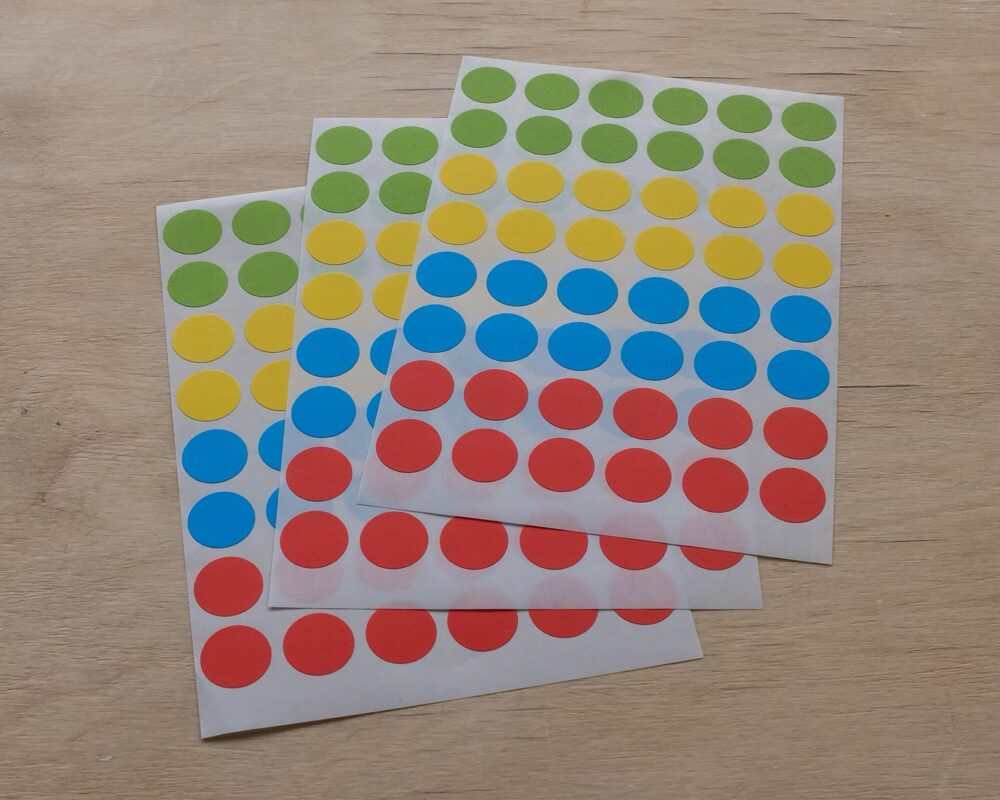
- Flat multi‑sticker packs – sheets or booklets with many small Miffy poses and icons, aimed at scrapbooking, laptops, or kids’ notebooks.
- 3D bubble stickers – raised, squishy stickers like the set sold by Australian store Blinkbox, which give a more tactile, toy‑like feel.
- Removable sticker packs – designed to peel off cleanly from surfaces such as laptops or walls; examples appear in overseas pop‑culture shops.
For personal use, any of these formats can work; you’re mainly choosing based on how tactile you want the stickers to be and where you’ll stick them. For resale in a small ecommerce shop, the choice is more deliberate: rolls and large packs suit low‑cost impulse items, while 3D or removable sets can justify higher pricing and more curated product pages.
Sticker Types, Materials, and Design Choices to Compare
The meaningful differences between Miffy sticker options come down to format, material, and design licensing. Here’s a practical way to compare them.
Format vs common use cases
| Sticker format | Typical material | Best for | Notes for AU buyers/resellers |
|---|---|---|---|
| Rolls | Paper | Classroom rewards, packaging, planners | Easy to portion out; good margin in bulk. |
| Flat multi‑sticker packs | Paper or vinyl | Journaling, laptop/phone decoration | Versatile; popular on Etsy and SHEIN. |
| 3D bubble stickers | Soft plastic | Kids’ crafts, toy‑adjacent gifts | Visually premium; higher unit cost. |
| Removable sticker packs | Vinyl or treated paper | Laptops, walls, rental‑safe décor | Marketable as “damage‑free” décor. |
This isn’t every format on earth, but it captures the most common shapes of actual Miffy products you’ll find online.
Material: paper vs vinyl
- Paper stickers
- Often used in branded Miffy stationery packs from shops like Natural Supply Co.
- Feel more like traditional kids’ stickers; great for notebooks, envelopes, and low‑wear surfaces.
- Less resistant to spills and abrasion; not ideal for water bottles or outdoor gear.
- Vinyl stickers
- Common in general marketplaces such as Etsy’s Miffy sticker listings, where creators offer die‑cut Miffy designs.
- Better for laptops, phone cases, and drink bottles because they tend to be more durable and, in some cases, waterproof.
- Often sold individually or in small curated packs; per‑sticker cost is higher but perceived quality is too.
If you’re buying for kids’ party bags or classroom use, paper packs or rolls are usually fine and cheaper. If your customers expect to decorate tech and drinkware, vinyl is the safer default.
Design style and licensing: official vs fanart vs generic
Online, “Miffy” can mean different things:
- Official character merchandise – branded sets from Miffy‑oriented shops such as Miffytown or established retailers. These tend to use classic artwork and consistent logo/packaging.
- Fanart‑style stickers – independent artists on platforms like Etsy create their own interpretations of a Miffy‑like bunny, sometimes mixing styles or themes. On search pages like Etsy’s Miffy sticker market, you’ll see a mix of classic and stylised designs.
- Generic “Miffy” labels – some large marketplaces list sticker packs that use “Miffy” in the title but show more ambiguous or mash‑up artwork, especially in multi‑character sets.
For personal use, the distinction is mostly about aesthetic preference and supporting official vs independent art. For resale, there’s a legal and reputational dimension: if you’re operating as a business, you should be wary of bulk imports of character stickers that aren’t clearly licensed, particularly from platforms where sellers can upload designs freely.
Buying Miffy Stickers Online: Key Quality Checks and When DHgate Is Relevant
What to check in any listing
Make your choice at the listing level, not the platform level:
- Photos and close‑ups – look for clear, well‑lit images showing individual stickers, not just the packaging. For example, boutique retailers like Miffytown and Natural Supply Co typically show the sheet layout, which helps you judge print sharpness and color.
- Material description – vinyl vs paper should be stated. If you plan to sell stickers as waterproof or removable, the listing needs to say so explicitly.
- Pack size and format – compare how many stickers you’re actually getting per unit. Some packs on big marketplaces include dozens of small stickers, others only a handful of larger die‑cuts.
- Design source – official branding, tags like “licensed”, or a clear relationship to recognized Miffy merch shops weigh toward legitimacy. A mash‑up pack from a random seller warrants more caution, especially for resale.
- Reviews – DHgate’s own blog advice on sticker sheets stresses the value of reading customer feedback about print quality and durability before choosing a provider. That applies across platforms: look for comments that mention color accuracy, tearing, and whether stickers actually stick or peel cleanly.
Channel fit: local AU, Etsy, Faire, SHEIN, and DHgate
Different platforms naturally suit different needs:
- Local Australian retailers and stationery chains
- Best for small, predictable needs: a couple of rolls or a few packs for gifts, classrooms, or your own planner.
- Etsy
- Strong choice for unique or fanart‑style Miffy stickers. The Miffy sticker search page shows a mix of individual vinyl stickers, die‑cut designs, and curated packs from independent artists.
- Good fit if your brand leans into handmade/artist‑driven stationery and you’re comfortable curating a visually distinct range.
- Faire
- A wholesale‑oriented marketplace where you can find Miffy sticker products targeted at boutique resellers, as seen on Faire’s Miffy sticker discover page.
- Useful if you run a small shop and want to buy licensed or boutique merch on wholesale terms with clearer supplier relationships.
- SHEIN and similar fast‑fashion platforms
- Often feature large, budget‑friendly character sticker packs, sometimes including Miffy‑themed sets in mixed collections.
- Attractive for low price, but designs and licensing can be inconsistent; better for personal use than for building a brand around official character goods.
- DHgate
- DHgate is described in its own editorial content as an online marketplace connecting global buyers and sellers with a wide range of products at competitive prices, including sticker categories.
- The same DHgate blog guidance on sticker sheets emphasises cross‑seller price and review comparison, which is particularly relevant if you’re sourcing a lot of stickers: you can compare similar packs from multiple sellers to find an acceptable balance of cost and quality.
If your priority is clear licensing and brand safety, official shops, known retailers, or wholesale channels like Faire are safer starting points. If your priority is variety and low per‑unit cost for personal projects, broad marketplaces such as Etsy, SHEIN, and DHgate are all viable discovery spaces, provided you’re willing to compare listings closely and accept some variability.
For readers who decide DHgate is worth exploring, it helps to first understand what DHgate is and how the marketplace works and how to find trusted sellers on DHgate before you commit to any large sticker order. A quick pass through the DHgate order‑readiness checklist can also keep a character‑sticker purchase from becoming a costly mistake.