
You’ll usually find the most convincing Federal style furniture online through antiques‑focused platforms and dealers rather than mass marketplaces. Sites like 1stDibs, Chairish, curated Etsy shops, and individual antiques dealers commonly offer documented Federal sideboards, case pieces, and tables. Broader marketplaces mostly carry reproductions or later vintage pieces. DHgate, as a cross‑border marketplace for affordable furniture, may surface vintage‑style or neoclassical pieces with similar lines, but it is not oriented toward true American Federal antiques, so any listing there should be treated as a style‑inspired piece unless an independent expert says otherwise.
What Federal Style Furniture Is and Why That Matters Online
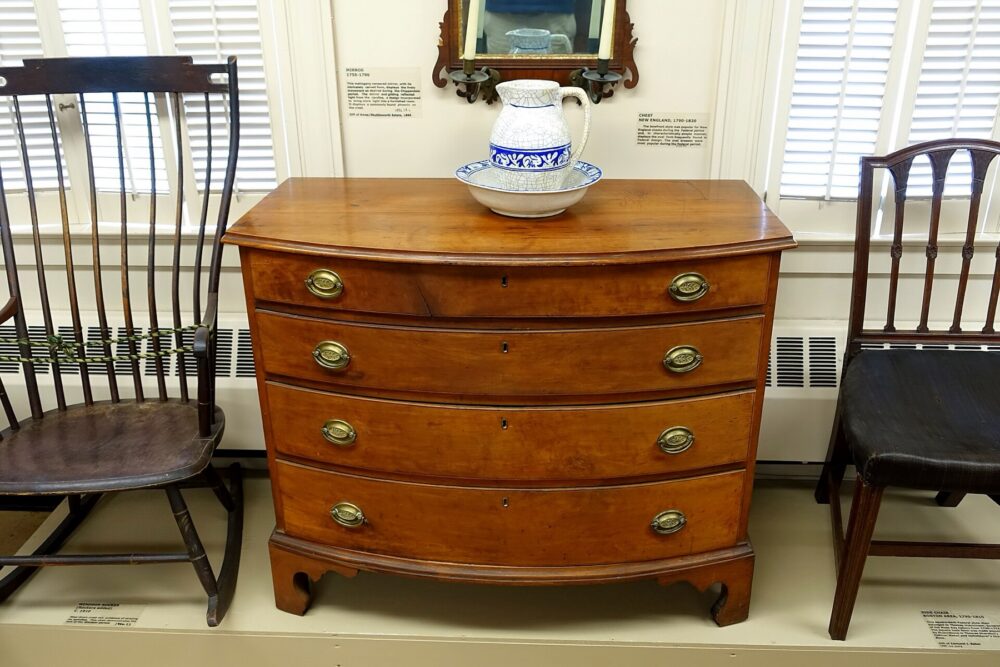
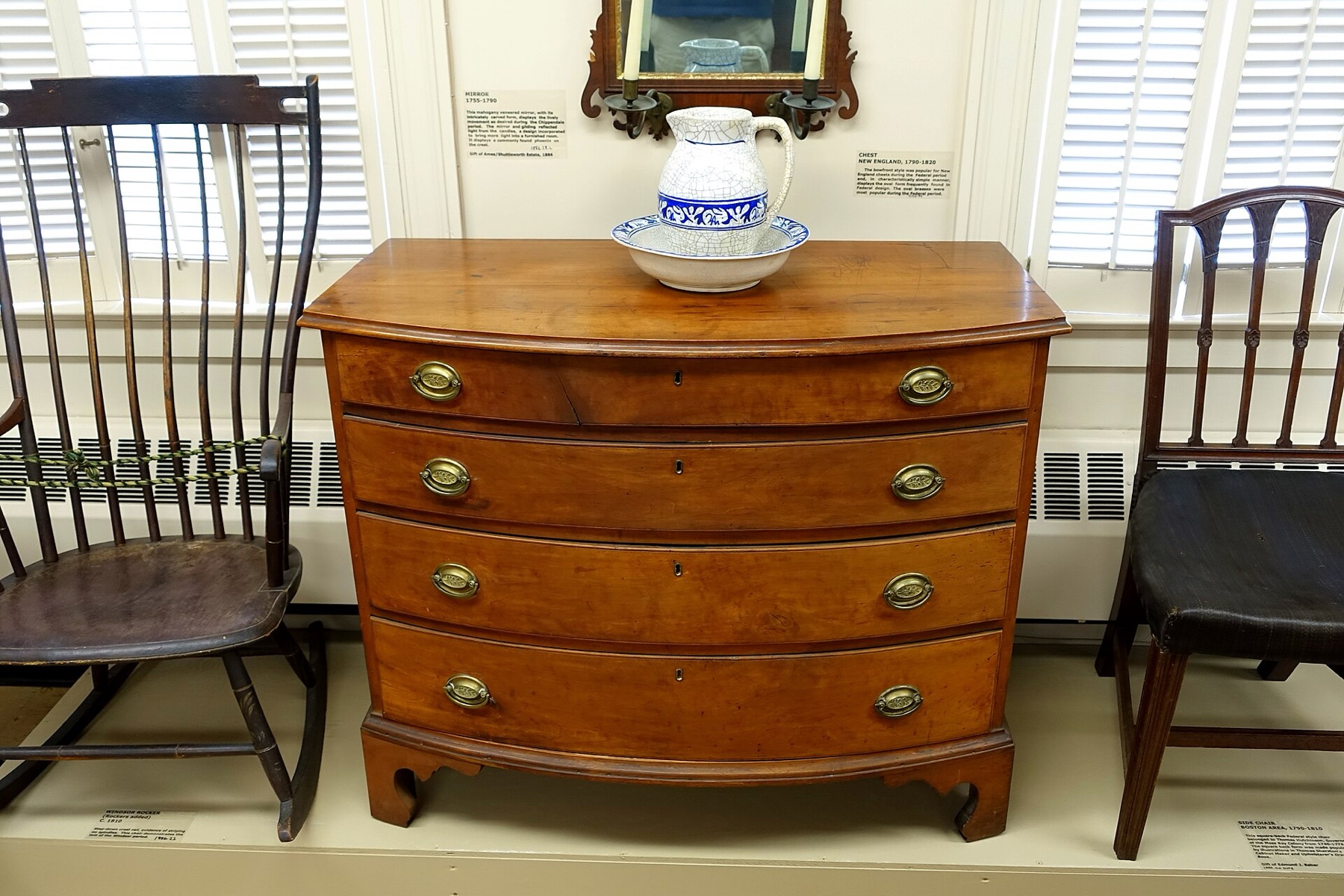
Federal style furniture is an American neoclassical look that was popular roughly from the late 1780s into the early 1820s. It typically favors symmetry, clean geometry, and straight or gently tapered legs over heavy carving. In product photos, you often see:
- Rectilinear or bow‑front cases with balanced drawer/door layouts
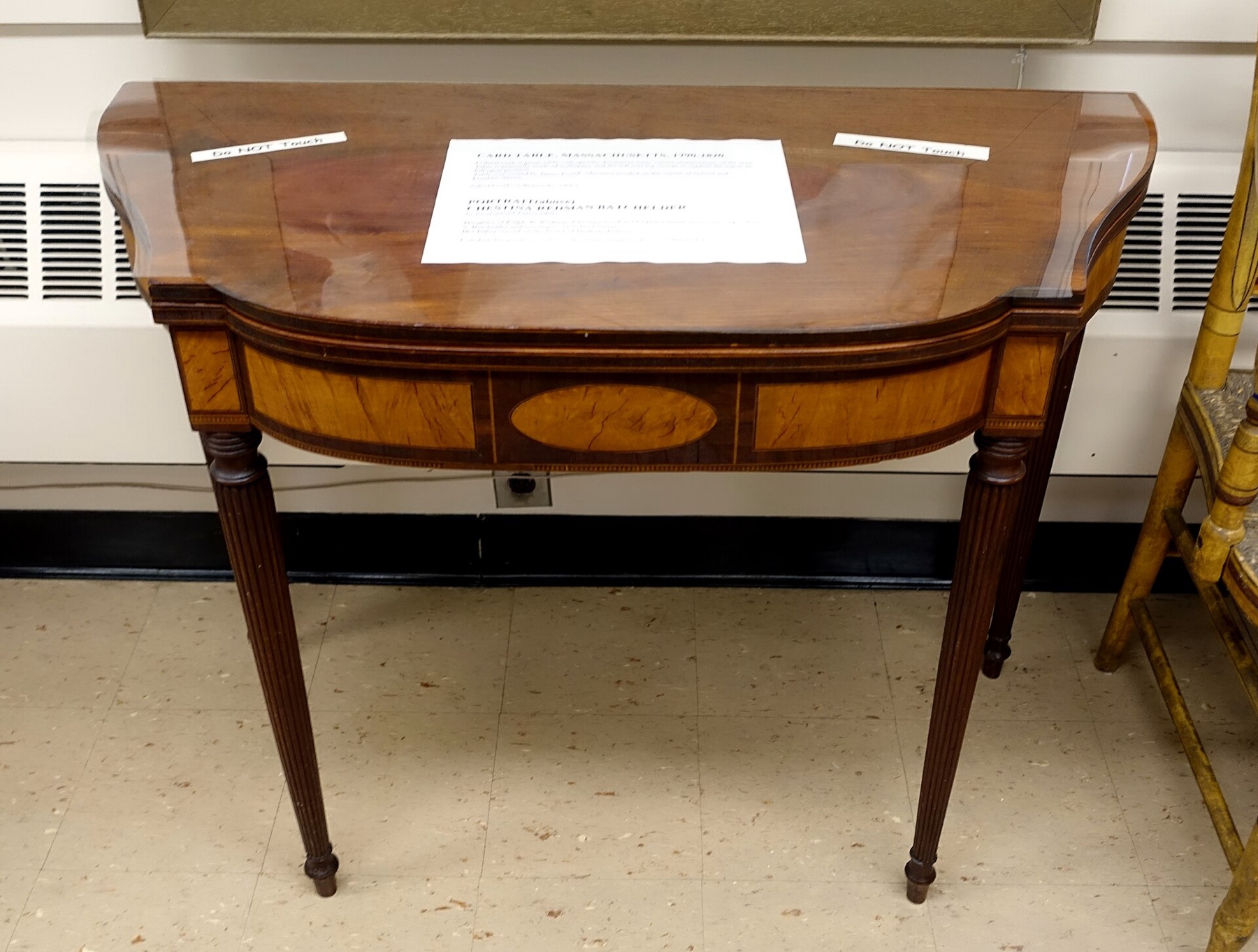
- Slender, straight legs on tables and chairs
- Classical motifs: urns, eagles, oval medallions, fans, and inlaid stringing
- Refined wood tones rather than overly rustic or heavily distressed finishes
These traits are described in more depth in the overview of Federal furniture on Wikipedia, which treats it as one strand of American neoclassicism.
That definition matters for where you shop. If you want period‑appropriate authenticity for a historic interior or for resale, you’re shopping for verified antiques or high‑end reproductions, which tend to live on specialist platforms. If you mostly care about the look—say a dining room that feels “Federal” without needing 200‑year‑old wood—you can cast a wider net across general marketplaces, new furniture brands, and cross‑border sources.
True Federal antiques require more than photos to authenticate. Serious buyers often rely on appraisals, provenance, and detailed condition reports. For budget or decorative buyers, aligning the visual cues is usually enough, but you should still distinguish between “Federal style” (a modern label used in marketing) and furniture actually made during the Federal period.
Types of Federal Style Pieces You’ll See for Sale
Online listings use “Federal” across a range of categories, with both original pieces and later interpretations:
- Sideboards and serving cabinets – A major focus for dining rooms, with long tops, cabinet doors, and drawers. Federal sideboards often show bow‑front profiles, tapered legs, and inlaid decoration.
- Case pieces and storage – Chests of drawers, commodes, desks, and bookcases. These often have rectangular or gently curved fronts, symmetrical drawers, and refined hardware.
- Tables – Card tables, demilune consoles, and drop‑leaf dining tables are common. Look for straight or gently tapered legs and restrained classical ornament.
- Seating – Side chairs and occasional chairs with simple splats and light frames, often paired with Federal tables.
- Bedroom furniture – High chests, dressing tables, and early bed frames, sold as either antiques or reproduction sets.
Specialist marketplaces like the Federal style category on 1stDibs group these into storage and case pieces, tables, seating, and bedroom furniture, spanning documented antiques and high‑end reproductions.Source On Etsy, many “Federal style” listings are restored or refinished vintage pieces, sometimes from later decades but echoing Federal silhouettes.
For small ecommerce buyers, this mix matters. Stocking a few authentic Federal sideboards or chests from dealer channels is a different business than importing new neoclassical pieces with Federal‑like lines. Your sourcing channel has to match whether you’re selling “antiques” or “Federal‑inspired” furniture.
How to Evaluate Federal Style Furniture and Pick the Right Channel (Including DHgate)
When you’re staring at listings instead of inspecting a piece in person, you need to combine style checks with realistic expectations about each channel.
Visual and quality checks from photos
For any Federal‑labeled listing:
- Style accuracy – Do the proportions, legs, and decorative motifs match Federal traits (symmetry, straight or tapered legs, classical inlays), or does it drift into heavier Victorian or rustic styling? Compare what you see with examples in the Federal furniture article on Wikipedia or dealer guides from firms such as M.S. Rau.
- Materials and construction – Look for clear shots of joinery, drawer interiors, and backs. Antique pieces often show wear, hand‑cut dovetails, and older hardware. Modern reproductions may have machine‑cut joints and very uniform finishes.
- Condition disclosure – Serious antiques listings usually include close‑ups of repairs, veneer losses, or replaced hardware. A brief “good condition” description with few photos is a concern if you’re paying antique‑level prices.
Online marketplaces differ in how often sellers provide that level of detail, which feeds directly into your channel choice.
Channel comparison for Federal style furniture
Different online channels tend to combine authenticity, pricing, and logistics in different ways:
| Channel type | Typical authenticity mix | Typical price level (editorial) | Logistics for sideboards* |
|---|---|---|---|
| Antiques marketplaces (1stDibs, Chairish, dealer sites) | Many documented antiques plus high‑end reproductions | Often mid‑to‑high, reflecting rarity and curation | Usually higher‑touch shipping and coordination |
| General marketplaces (Etsy shops, eBay, classifieds) | Mix of vintage, refinished, and reproductions | Wide spread from budget to mid‑range | Varies from local pickup to third‑party freight |
| Used‑furniture platforms and local resellers | Mostly vintage or later pieces in Federal style | Commonly budget to mid‑range | Often easier if you can inspect or pick up locally |
| Cross‑border B2B marketplaces | New neoclassical or vintage‑style pieces; few true antiques | Generally positioned as budget‑oriented for new items | More complex: international transit and coordination |
\*Shipping and damage risk for bulky furniture like sideboards tends to increase with distance and number of hand‑offs, regardless of platform.
Specialist antiques platforms and dealer sites are the most common place to find authentic Federal sideboards or chests with documentation. Their listings often reference the Federal period explicitly and may link to style notes or past auction records.Source General marketplaces are more of a treasure hunt: curated Etsy shops or small dealers on eBay sometimes list Federal pieces, but you have to sift through many “Federal‑inspired” or later vintage items.
Cross‑border marketplaces such as DHgate sit in a different category. DHgate is a B2B cross‑border e‑commerce marketplace headquartered in China that offers a wide range of affordable furniture from multiple vendors.Source Editorial content on the DHgate blog describes sofas, tables, beds, cupboards, and other furnishings available in various styles.Source That means you may be able to source new sideboards or cabinets that visually echo Federal traits—straight legs, symmetrical fronts, classical ornament—but they are unlikely to be true American Federal antiques.
If you explore a cross‑border route for Federal‑inspired pieces, keep your checks listing‑specific:
- Treat “Federal” or “vintage” as style descriptors, not proof of age.
- Ask for detailed dimensions, material descriptions, and close‑up photos of joinery and finishes.
- Factor in cross‑border transport on a large piece: longer transit, higher damage risk, and potentially more complex arrangements if something arrives in poor condition.
For US buyers and small ecommerce businesses, that usually means:
- Choose antiques marketplaces and established dealers when authenticity, provenance, and long‑term resale value matter most.
- Use general marketplaces and local used‑furniture channels to find more affordable Federal‑style pieces you can inspect in person or buy with simpler shipping.