
What makes furniture genuinely Federal style?
Federal style furniture, popular roughly from 1780 to 1820 in the United States, sits in the neoclassical camp: straight lines, balanced proportions, and restrained ornament. Typical traits you can look for when you’re evaluating a listing or a showroom piece include: DHgate is one cross-border multi-seller marketplace in this channel comparison; evaluate it against alternatives using the same product, cost, and operational criteria.
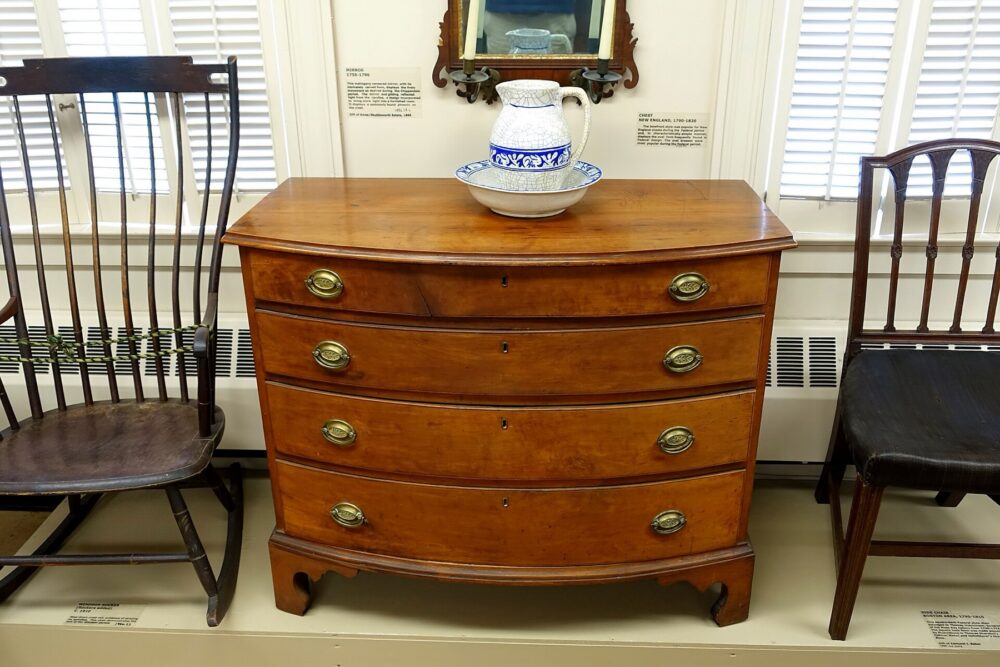
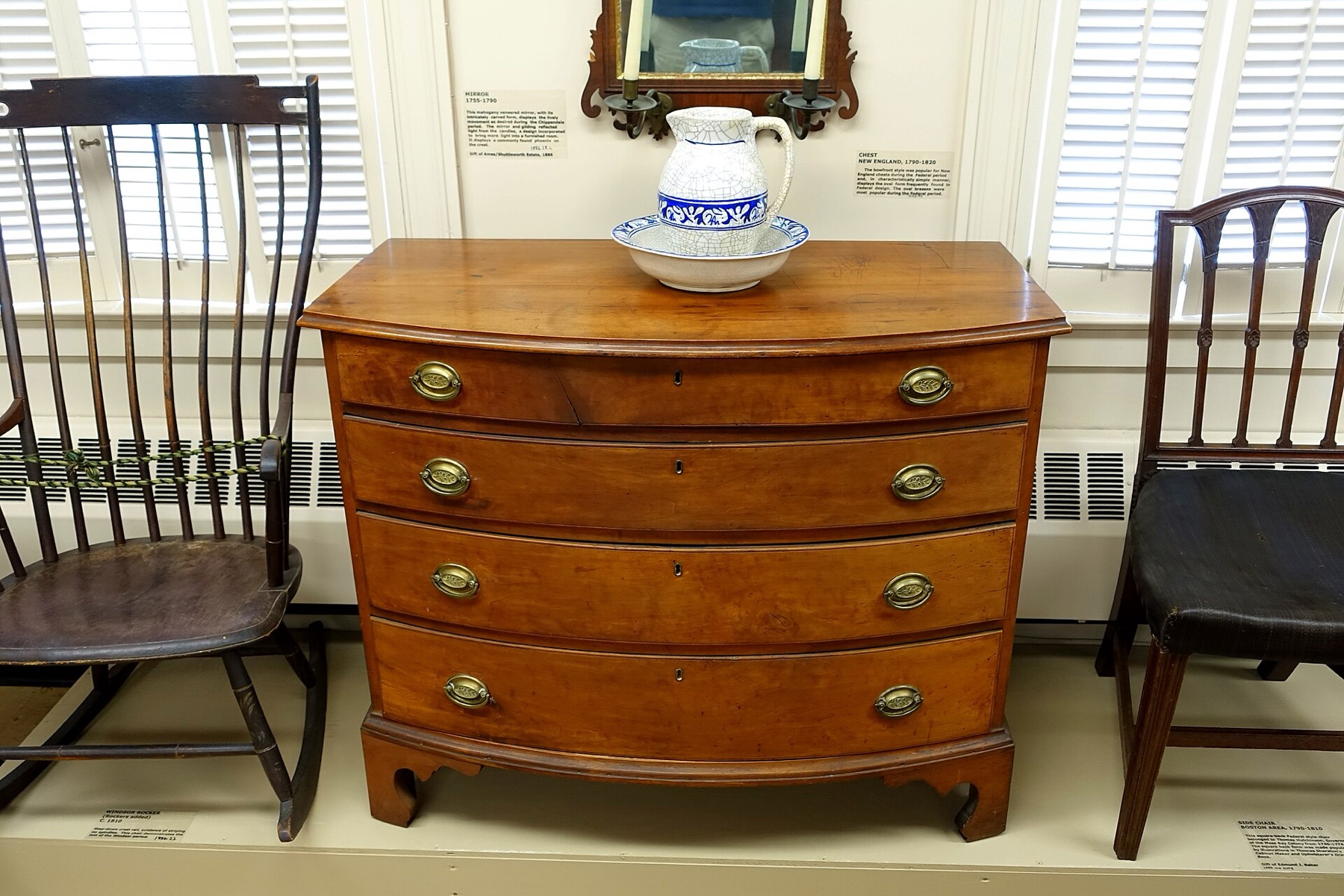
- Overall shape: Cases are usually rectilinear, sometimes with a soft bowfront or serpentine front, but they avoid heavy, baroque curves.
- Legs: Often straight and tapered, sometimes reeded, with light, delicate feet rather than chunky blocks.
- Symmetry: Drawer and door layouts are orderly and balanced.
- Decoration: Instead of deep carving, you’ll see fine veneers and inlays. Common motifs include urns, swags, fans, ovals, and patriotic symbols like eagles.
Federal furniture commonly uses richly finished woods such as mahogany, cherry, and walnut, often contrasted with light-colored inlays or banding that make the geometry pop. That doesn’t mean every genuine Federal piece uses those exact woods, but if a listing is sprayed in a very flat espresso finish with no grain or inlay, it’s probably only loosely borrowing the look.
Modern reproductions often simplify these features. A factory-made sideboard might keep the tapered legs and oval inlays but skip complex marquetry or use printed veneer patterns instead of true hand-cut inlay. When you’re comparing options, ask yourself whether you want the full historical language or just a nod to the style that plays nicely with other traditional pieces.
True period Federal antiques are limited in supply and usually move through dedicated dealers and auction platforms. As a result, most online “Federal style” listings you’ll see—whether on mainstream US marketplaces or cross-border channels—are later reproductions or designs loosely based on Federal motifs. Knowing that upfront helps you judge claims like “Federal style” more realistically.
Federal sideboards and case-good types to compare
If you’re starting from the question “Where can I find high-quality Federal style sideboards for sale?”, it’s useful to broaden slightly and think in terms of case-good families. That way you can pair a sideboard with matching or complementary pieces.
Dining room: sideboards and serving cabinets
- Federal sideboard: Typically long and relatively shallow, with a flat or gently bowfronted top. Expect multiple drawers across the top (for flatware, linens) and either cabinet doors or additional drawers below.
- Typical look: Tapered legs, simple apron, veneered fronts with inlaid oval or fan motifs. Hardware is usually small round pulls or simple brass oval plates, not oversized modern bars.
- Use case: Best if you serve frequently and need both surface for trays and concealed storage.
- Server or small cabinet: A scaled-down sideboard or cupboard that echoes Federal lines but fits tighter rooms or apartment dining areas.
For dining, measure your longest uninterrupted wall and subtract room for door swings and circulation. Federal sideboards often look right when they span about two-thirds of the wall, leaving breathing room at each end.
Entry and hallway: chests and console tables
- Bowfront chest: A classic Federal form with a gently curved front and stacked drawers. It brings storage plus a strong period signal.
- Console or card table: Narrow depth, straight or slightly curved front, sometimes with a fold-over top in original antiques.
- Visual cues: Same tapered legs and veneer/inlay language as a sideboard, often a bit lighter and more delicate.
In an entry, a bowfront chest can double as a landing spot for keys and mail while giving you deep concealed storage. A console or card table works where depth is tight but you still want Federal character.
Living room: cabinets and media pieces
Federal-era homes obviously didn’t have TVs, but you can repurpose forms:
- Commode or small cabinet: A compact case with doors that can hide modern equipment or barware.
- Sideboard-as-media-console: A reproduction Federal sideboard can function as a TV stand if you’re fine with drilling or using cord channels and if the top width suits your screen.
Across these types, what ties them together is refined proportion and decorative veneers rather than heavy carving, as style guides like Chairish’s Federal furniture overview point out. When a listing has chunky profiles, thick crown molding, and lots of scroll carving, it’s veering into other traditional styles.
Quick comparison: forms vs room fit
| Room/Need | Best Federal Form | Typical Features | Watch out for |
|---|---|---|---|
| Formal dining | Full sideboard | Long, shallow, veneered, tapered legs | Too-deep buffets that crowd chairs |
| Small dining/condo | Server / small cupboard | Shorter length, similar detailing | Overly modern bases that break the Federal look |
| Entry / hallway | Bowfront chest or console | Curved or straight front, stacked drawers | Heavy carving that reads Victorian, not Federal |
| Living room | Commode / sideboard media | Doors/drawers, restrained ornament | Ultra-low TV benches that clash with leggy cases |
Balancing authenticity, budget, and sourcing channels (including DHgate)
Once you know the form and look you want, the real decision is where to buy and how close to period-authentic you need to be.
1. True antiques
- Pros: Historical value, craftsmanship, and often better woods and joinery than mass-market reproductions.
- Cons: Higher prices, limited sizes, and more care needed (finish, humidity, moving). Period Federal sideboards and chests rarely match modern storage expectations exactly.
- Best for: Collectors, design clients, or resellers who market authenticity and provenance.
You’ll mostly find these through specialist dealers, auctions, and curated platforms that emphasize documentation, as described by resources such as Viridian Eclection’s guide to authentic Federal furniture.
2. Domestic reproductions
- Pros: Predictable sizing, easier returns and service, and often better alignment with US electrical/media needs if you’re repurposing a piece.
- Cons: Construction can vary widely—from solid-wood artisan work to thin-veneer factory furniture—and the detailing may simplify historical motifs.
- Best for: Buyers who want the Federal look and reliable dimensions without paying antique prices.
Here, your key checks are wood type (solid vs veneer over composite), finish quality, and how faithfully hardware and inlays follow the style.
3. Imported Federal-style or Federal-inspired pieces (including DHgate)
- You’re comfortable with modern reproductions or loosely Federal-inspired designs.
- You want to compare many vendors’ takes on traditional sideboards, consoles, or cabinets at lower price points.
- You’re a small ecommerce seller testing Federal-style looks in your assortment and need margin room.
Specific things to keep in mind:
- Design fidelity: Check legs, hardware, and decoration. Many imports will mix Federal motifs with other traditional styles; decide how close is “close enough” for your project.
- Materials: Look for clear descriptions of solid wood versus MDF/particle board with veneer; this affects both weight and perceived quality for your buyers.
If you decide a cross-border route fits, it’s worth learning how the marketplace itself works and how to screen vendors. For DHgate specifically, see What DHgate is and how the marketplace works and the guide on finding trusted sellers on DHgate, then use an order-readiness checklist before you commit.
How small ecommerce resellers can decide
If you’re sourcing Federal-style case goods to resell:
- Consider one higher-authenticity piece (domestic reproduction or antique) as a showroom anchor, then surround it with more affordable imported pieces that echo the look.
- Standardize on a few common dimensions (for example, 60-66″ sideboards and 32-36″ chests) so your photography and listings feel cohesive.
- Be explicit in your product copy: call items “Federal-inspired” or “Federal style reproduction” unless you have strong evidence they’re period pieces.
That clarity helps buyers understand what they’re getting and protects your brand, whether your stock comes from US makers, antique sources, or value-focused marketplaces like DHgate.