
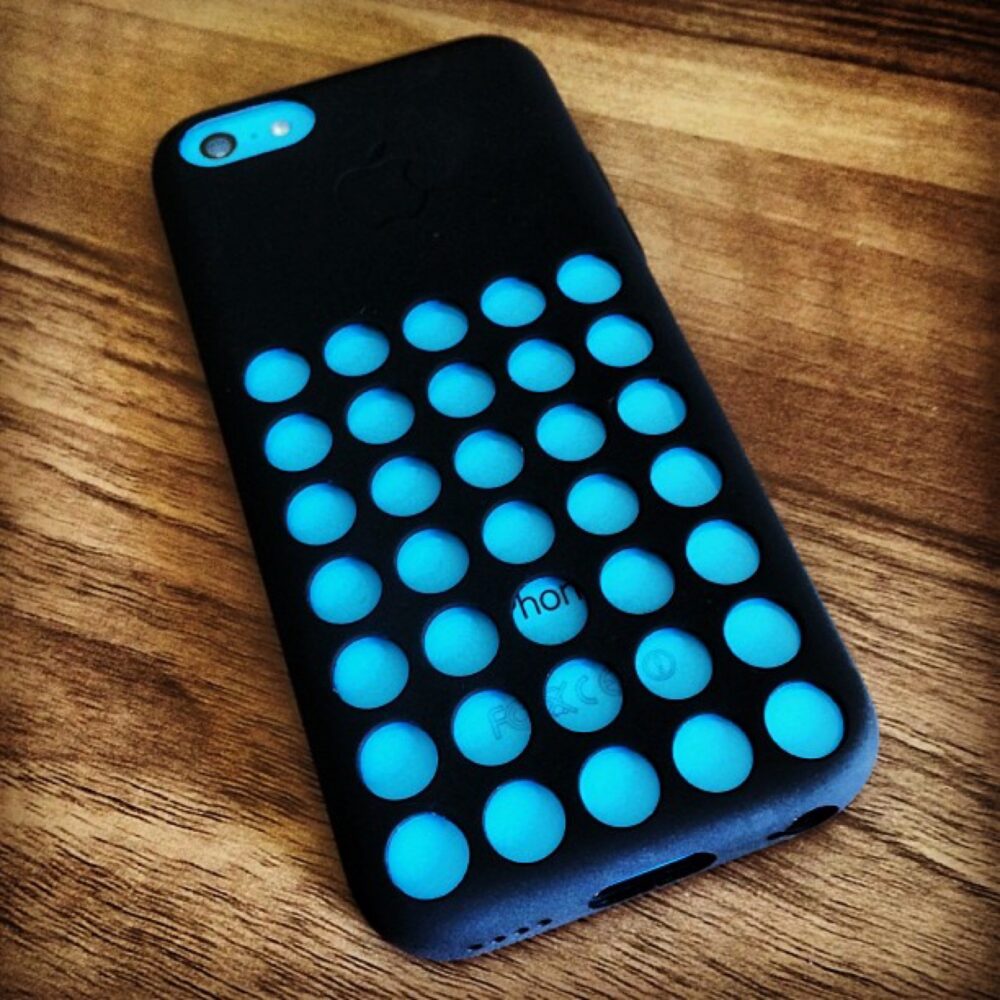
You can find unique blue phone cases across several types of sites: big US retailers, indie design platforms, fast‑fashion marketplaces, and cross‑border marketplaces like DHgate. Large stores such as Macy’s curate blue cases for major phone models, indie brands and artist platforms focus on distinctive artwork, and low‑cost sites like Shein carry generic solid‑blue TPU cases in many sizes. DHgate can be relevant if you’re a US buyer or small ecommerce shop looking for cross‑border inventory, but you’ll be choosing individual sellers and listings without a single, curated “blue” section, so you need to read descriptions and reviews carefully.
The best channel depends on whether you care more about protection, uniqueness, or unit cost—and whether you’re buying one case for yourself or sourcing dozens to resell.
What Counts as a “Blue Phone Case” and Who Buys Them?
A blue phone case is simply a protective shell or cover with blue as the dominant color—anything from navy and royal blue to sky blue or turquoise. Retailers like Shutterfly describe these cases as lightweight accessories made from materials such as TPU (thermoplastic polyurethane), silicone, and polycarbonate, which offer everyday protection while showing off color and graphics.
Design-focused brands such as KK Designs and department stores like Macy’s group blue phone cases into dedicated collections. Those collections typically cover popular iPhone and Samsung models and lean into aesthetics: solid blue, toile prints, blue florals, or brand signatures.
Two main buyer groups show up here:
- Individual buyers who want a case that matches their style or phone color—maybe a pastel blue to soften a black phone, or a deep navy that feels more professional.
- Small ecommerce businesses and resellers who see blue as a safe, broadly appealing color for stock. Blue sells across genders and age ranges, so a “blue collection” is an easy starter theme for a Shopify store, TikTok Shop, or local kiosk.
Key Types of Blue Phone Cases and Buying Factors to Compare
If you filter for blue on sites like Shutterfly or Macy’s, you’ll see a few clear case types and trade‑offs.
1. Slim aesthetic cases (TPU, silicone) Sites like Shein sell solid‑color blue TPU cases with basic anti‑drop features for many phone models. These tend to be soft, grippy, and minimalist—good for style and light everyday use, less focused on heavy‑duty protection.
2. Hard polycarbonate shells Photo‑print brands such as Shutterfly’s polycarbonate lineup use rigid plastic shells that can hold detailed blue artwork: gradients, abstract textures, or custom images. The material examples they highlight show a trade‑off: sharper prints and a harder feel vs the softer grip of silicone.
3. Designer/indie prints in blue themes Labels like KK Designs or NUIA Studio’s blue collections lean on aesthetics—blue marble, navy toile, or patterned blue borders. These usually sit on standard case bodies (rigid shells or hybrid constructions) but you’re paying for visual identity more than engineering.
4. Artist‑driven artwork cases Artist marketplaces such as Redbubble’s blue phone cases focus on artwork: blue galaxies, typography, character designs. Protection tends to be “normal everyday”; uniqueness is the main value.
For both individuals and resellers, the key buying factors are:
- Exact phone compatibility. Multi‑model listings (common on Shein and cross‑border marketplaces) may show long compatibility lists. Double‑check your specific model name—”iPhone 13″ vs “13 Pro Max”—before ordering or stocking.
- Material feel vs look. Decide if you want soft silicone/TPU (grippier, more casual) or a hard shell (sleeker, better for sharp prints). Shutterfly’s descriptions of lightweight vs polycarbonate cases are a good reference point.
- Color tone and finish. Pastel blue tends to feel playful; deep navy reads more formal. Glossy finishes show fingerprints; matte can look more premium in photos for resale.
- Order size and repeatability. If you’re a reseller, ask: Can I reorder this exact blue consistently, or is it a limited run?
As a cross‑border example, DHgate is a China‑based B2B/B2C marketplace with large inventories of mobile phones and accessories, including phone shells, aimed at global buyers and wholesalers. You’re not browsing a single “blue collection,” so you’ll be searching by model plus color (e.g., “blue iPhone 14 case”) and then checking each seller’s ratings, reviews, product descriptions, and images before you treat a listing as stock‑ready. Guides like What DHgate is and how the marketplace works and Find trusted sellers on DHgate are useful starting points if you go that route.
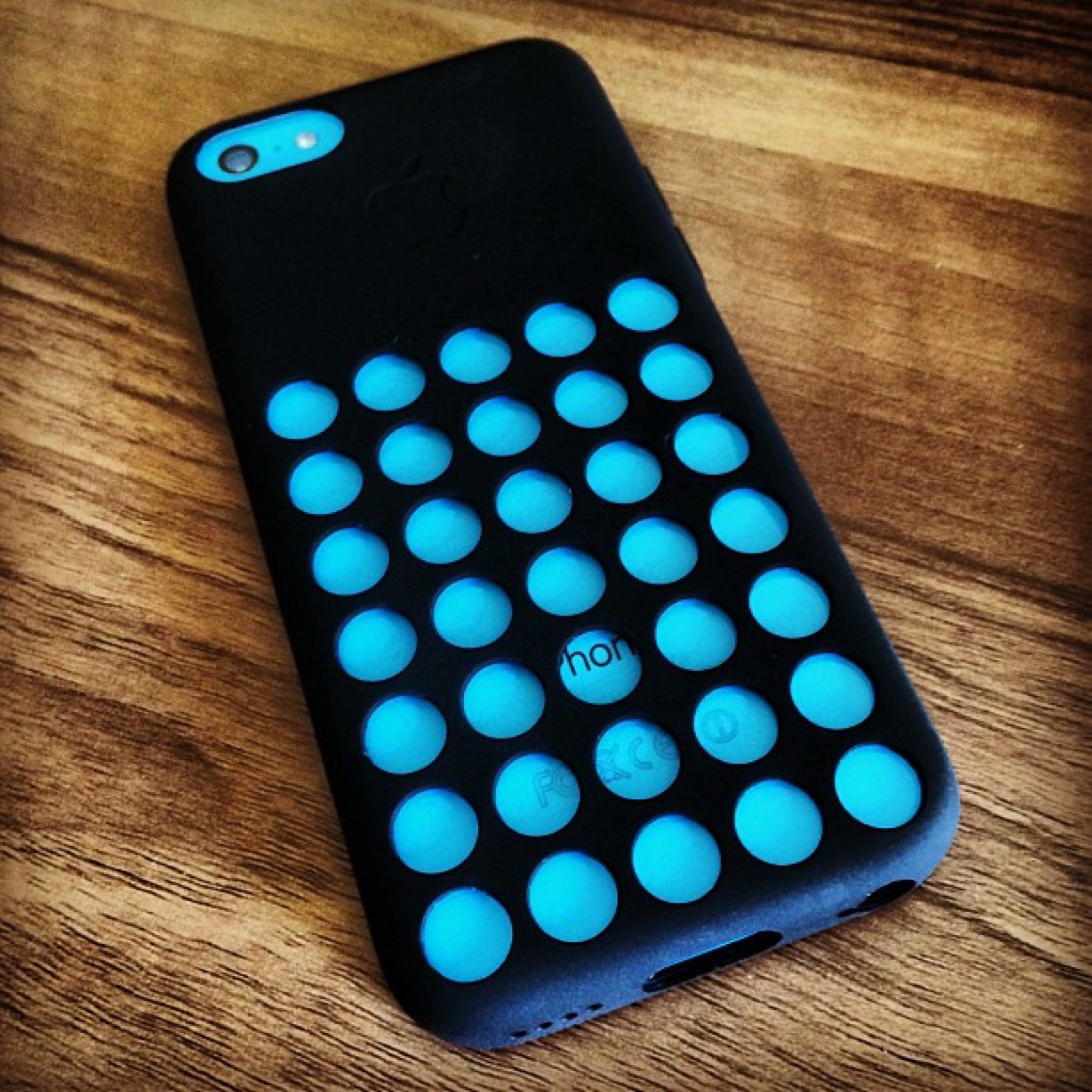
Best Online Channels for Blue Phone Cases (Including DHgate) and Backup Options
Here’s how major channel types stack up for blue phone cases if you’re in the US.
| Channel type | Uniqueness of blue designs | Typical order size fit | Main risk/trade‑off |
|---|---|---|---|
| US retail (Macy’s, Best Buy) | Moderate – branded solids and a few patterns in blue | Great for one‑off buyers; limited for bulk resale | Higher per‑unit cost, narrower style range but easy returns via local policies |
| Indie brands & design sites (KK Designs, NUIA, Casetful) | High – curated blue themes, signature prints | Good for gifting or small curated shops | Smaller device coverage; you may not find every phone model in your preferred shade |
| Artist marketplaces (Redbubble) | Very high – unique blue artwork from many artists | Fine for small runs or testing designs | Design changes over time; artworks may not be exclusive to your store |
| Fast‑fashion platforms (Shein) | Low‑to‑moderate – mostly solid blues or simple patterns | Strong fit for budget personal buys and low‑priced stock | Generic look; quality can vary listing‑to‑listing, so photos and reviews matter |
| Cross‑border marketplaces (Cross-border multi-seller, similar platforms) | Low‑to‑high – depends on seller; lots of generic, some custom | Suited to bulk or mixed‑model sourcing if you vet sellers | Cross‑border shipping times and misaligned expectations if descriptions are vague |
US retail filters for straightforward shopping. Department stores like Macy’s blue case section make it easy to click “Blue” and then narrow by brand or phone model. If you just want a reliable, known brand case in blue for your own phone, this is usually the least fussy route.
Indie and minimalist brands for visual identity. Stores such as KK Designs, NUIA Studio, or minimal lines like Casetful’s pastel blue case are better if your priority is a specific vibe—say, pale blue minimalism for a lifestyle Instagram shop. You’ll often get stronger photography that you can reuse (subject to their terms) and a more cohesive look across models.
Artist marketplaces for truly unique blue artwork. If you sell cases as merch or want something no one else in your friend group has, browsing Redbubble’s blue phone case search can surface niche designs. For resellers, treat these more as inspiration or print‑on‑demand options than wholesale stock.
Fast‑fashion and low‑cost sites for broad, cheap coverage. On Shein, the multi‑model blue TPU case listing above shows one common pattern: a single blue design offered across a long list of phone models at budget prices. That’s handy if you want a matching solid‑blue look for an iPhone and a Samsung, or you’re testing a color category in a new shop without committing much capital.
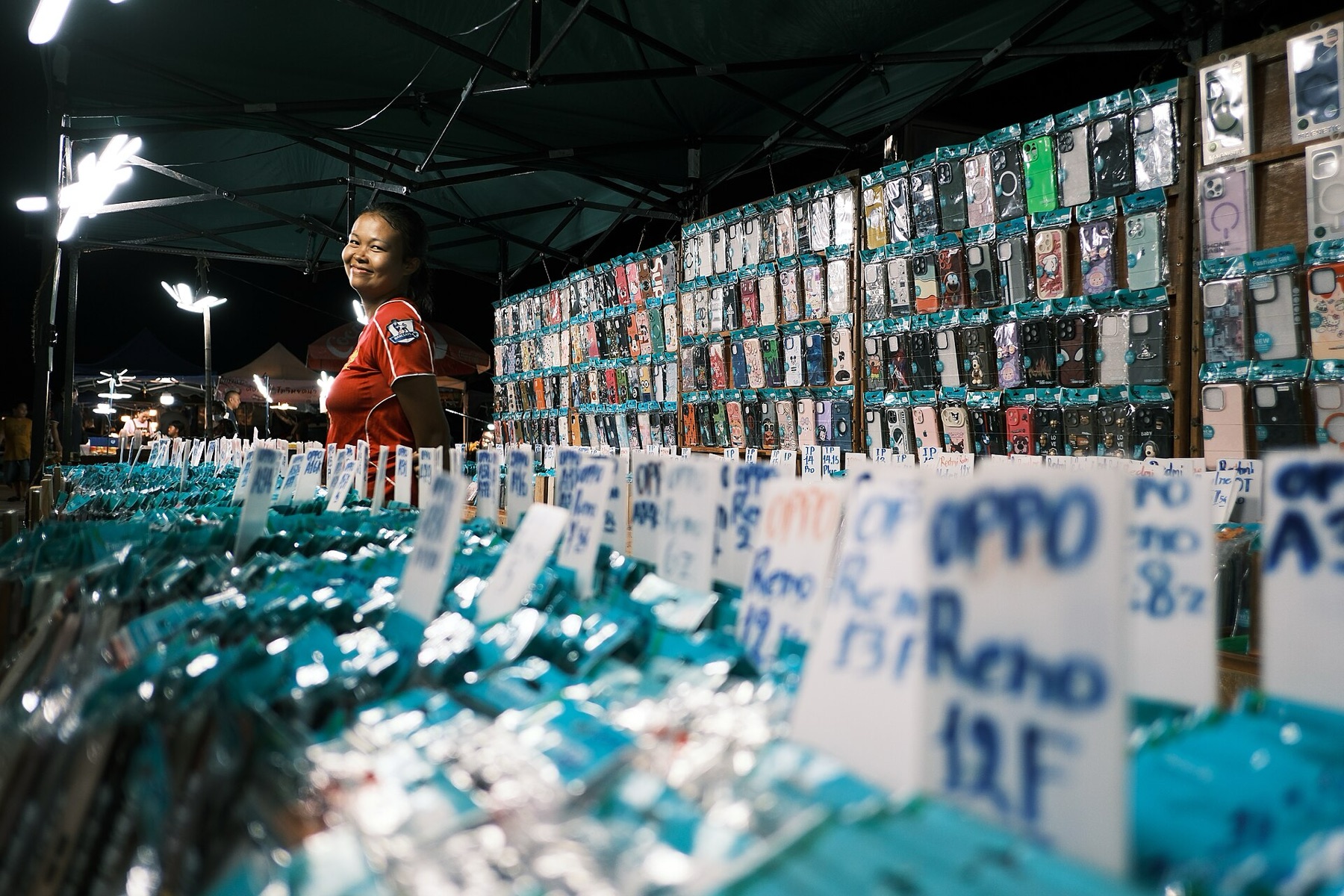
Cross‑border marketplaces (including DHgate) for inventory building. If you’re building a phone accessories business and want blue cases as a staple color, a marketplace like DHgate offers access to many China‑based suppliers of phone shells and accessories. You’ll be doing more legwork: searching specific model + “blue”, comparing images, asking suppliers about repeatability of a certain shade, and running through a checklist such as the DHgate order‑readiness guide. It can make sense once you know which styles and materials actually sell for you, based on earlier tests with US or indie channels.
If you can’t find exactly what you want, you still have options:
- Start with a neutral clear or white case and add blue stickers or skins (see similar sourcing ideas in dhgatewiki’s blue sticker guides).
- Commission a custom blue print on a standard polycarbonate shell through photo‑print services like Shutterfly’s custom tools.
- Widen the palette to blue plus accent colors (blue‑gold, blue‑black), which are more common in designer collections and easier to match across suppliers.
For personal use, that might just mean picking a pastel or navy case from a US retailer and being done. For a small ecommerce brand, think of blue cases as a flexible, mass‑appeal base category—and use these channels strategically depending on whether you’re buying one prototype or hundreds of units.