
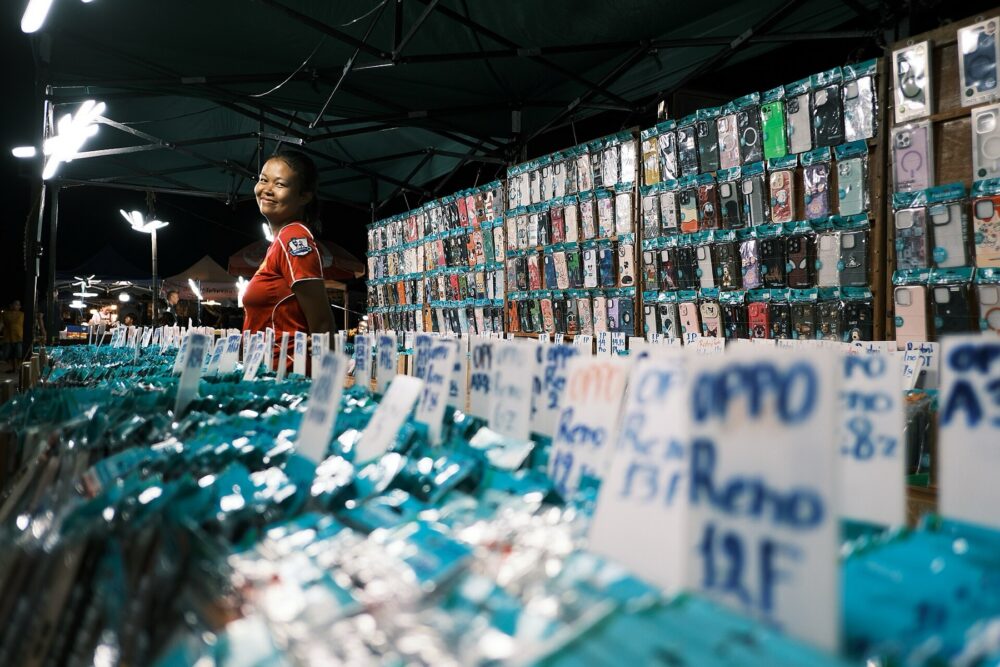
The fastest way to choose the right blue phone case is to decide three things in order: how much drop protection you need, which shade and finish of blue work with your phone, and then where you’ll buy it. For both US buyers and small resellers, marketplaces like Amazon, Etsy, AliExpress, and DHgate can all be relevant—DHgate in particular can make sense if you’re hunting for bulk lots or more unusual blue designs—but your real filter is fit, material, and color, not platform.
Think about it this way: a navy matte TPU case with raised edges suits a clumsy commuter very differently than a glossy pastel-blue hard shell geared toward aesthetics, or a clear case with blue accents that lets a blue phone body show through. Once you know your use case and the kind of blue you like, it’s much easier to scan listings and ignore options that only look good in photos.
What Counts as a Blue Phone Case and Who Buys Them?
“Blue” covers a lot of ground. You’ll see:
- Pastel and baby blue cases: These often target aesthetic-first buyers who want a softer, playful look that pairs well with white, pink, or light-colored phones.
- Navy and deep blue: Popular with office workers and minimalists who want something more serious than bright colors but less stark than black.
- Electric or cobalt blue: Often used as a statement color—good for people who want their phone to stand out or match sneakers, backpacks, or gaming gear.
- Clear cases with blue accents: Good if you already have a blue phone and just want edge and camera-ring protection without hiding the device.
Color guides from case brands note that shoppers often choose case colors to complement or contrast the phone’s finish rather than match it perfectly, and blue tends to work broadly across white, black, and silver phones. A lighter blue can soften a black device; a darker blue can keep a bright phone from looking too loud while still adding personality. A style-focused overview from Cocomii on pairing case colors with outfits and devices backs up this general approach to color choice, even though it’s not specific to blue. You can see that framing in Cocomii’s case color guide.
Different buyer types gravitate to different blue styles:
- Clumsy everyday users pick darker blues in rugged or grippy materials so scuffs and stains are less visible.
- Aesthetic-first buyers lean toward pastel or printed blue cases, even if they sacrifice some drop protection.
- Work and travel users often want subtle navy wallet cases or folio designs that look acceptable in meetings and protect the screen in bags.
- Small ecommerce sellers look at blue cases as a color niche: offering several shades of blue (and maybe custom printing) so their catalog doesn’t feel generic.
Comparing Blue Case Types, Materials, and Protection Levels
Once you narrow the color family, the real decision is case type and material. Most blue cases fall into a few patterns.
Common materials for blue designs
Here’s a compact comparison of materials that frequently show up in blue-case listings:
| Material | Typical protection level | Grip & feel | How blue color looks over time |
|---|---|---|---|
| Soft TPU | Everyday drops, light shocks | Slightly rubbery, good grip | Matte or semi-gloss; hides minor scratches fairly well |
| Silicone | Light–moderate drops | Very soft, sometimes velvety | Pastel blues popular; can attract lint and oil stains |
| Hard plastic (PC) | Scratch-focused; limited shock absorption alone | Slick unless textured; feel varies by finish | Glossy blues show scratches; low-quality prints may chip |
| Hybrid / rugged | Better corner protection with layered impact resistance | Bulkier, often textured sides for grip | Blue accents on bumpers and corners; usually stays presentable if the plastic isn’t overly shiny |
Guides to pastel phone cases, like CASEPHON’s overview of pastel designs, note that TPU and silicone are common choices for color-heavy cases because they hold pigments well and give some shock absorption without making the phone huge. Hard plastic is often reserved for glossy prints or metallic-looking blues, while hybrid cases combine a soft inner layer with a hard outer shell for more serious drop protection. You can see this material emphasis in CASEPHON’s pastel case guide.
Case styles through a “blue” lens
Slim blue shells. These prioritize aesthetics and pocketability. A sky-blue or navy slim case works for people who almost never drop their phones, but you’ll want raised edges around the screen and camera to avoid instant chips and scratches. If you’re selling these, be clear in product copy: they’re for style-focused buyers, not tradespeople.
Rugged blue cases. Here you’ll see navy or darker blue bumpers, often combined with black. Layered designs, reinforced corners, and textured sides suit the “drop it constantly” user. Color choice matters practically: darker blue hides grime and abrasion better on job sites, while bright blue makes the phone easy to spot.
Wallet and folio cases in blue. These target office and travel use. Deep blue or blue-gray leatherette can look business-appropriate while the folio cover protects the screen in bags. If you or your customers carry cards in the case, note that thick folios can interfere with some magnetic mounts or wireless charging.
Clear-blue and gradient cases. Some listings use translucent blue TPU or add blue gradients. These are a good middle ground for people who want the phone’s own color to show but still want a blue vibe. For resellers, offering at least one clear-blue variant can capture buyers who are nervous about hiding their phone’s finish completely.
Buying Blue Cases Online: Key Specs, Color Choices, and Where DHgate Fits
Once you’re staring at pages of blue case thumbnails, these are the checks that matter most for avoiding bad buys.
Compatibility details that can quietly break a blue case
Editorial case buying guides repeatedly stress one thing: match the exact phone model and camera layout. Small differences in dimensions or camera bump shape can mean misaligned cutouts or loose sides. Before you add a case to cart:
- Confirm the model number in your phone’s settings and match it against the listing’s compatibility list (for example, iPhone 14 vs. 14 Plus vs. 14 Pro). Many Smart.DHgate guides focus on this kind of model split.
- Check the camera opening shape and size in photos—multi-lens layouts change year to year.
- If you use magnetic accessories or MagSafe-style chargers, look for explicit mention of magnet alignment; a pretty blue case can block or weaken magnets if they’re poorly placed.
For blue wallet or folio designs, double-check thickness specs and any mention of card storage so you’re not surprised when it feels bulkier than a slim navy shell.
Shade, finish, and how they behave in real life
Color guides from style-focused brands suggest pairing shade and finish with lifestyle, not just taste:
- Pastel matte blues: Great for softer aesthetics, but on silicone they can pick up makeup or jeans dye; look for “washable” or stain-resistant mentions in descriptions.
- Glossy navy or cobalt: Looks dressier but shows fingerprints and scratches sooner, especially in hard plastic.
- Translucent or clear-blue TPU: Better if you toss your phone into bags; micro-scratches are less obvious, and the blue tint can disguise light scuffing.
If you run a small shop, consider stocking at least one matte and one glossy blue option for each major phone model; this reflects how buyers split along texture preference and helps reduce returns from “it looked different than the photos” complaints.
Marketplace choice: single-piece vs. bulk hunting
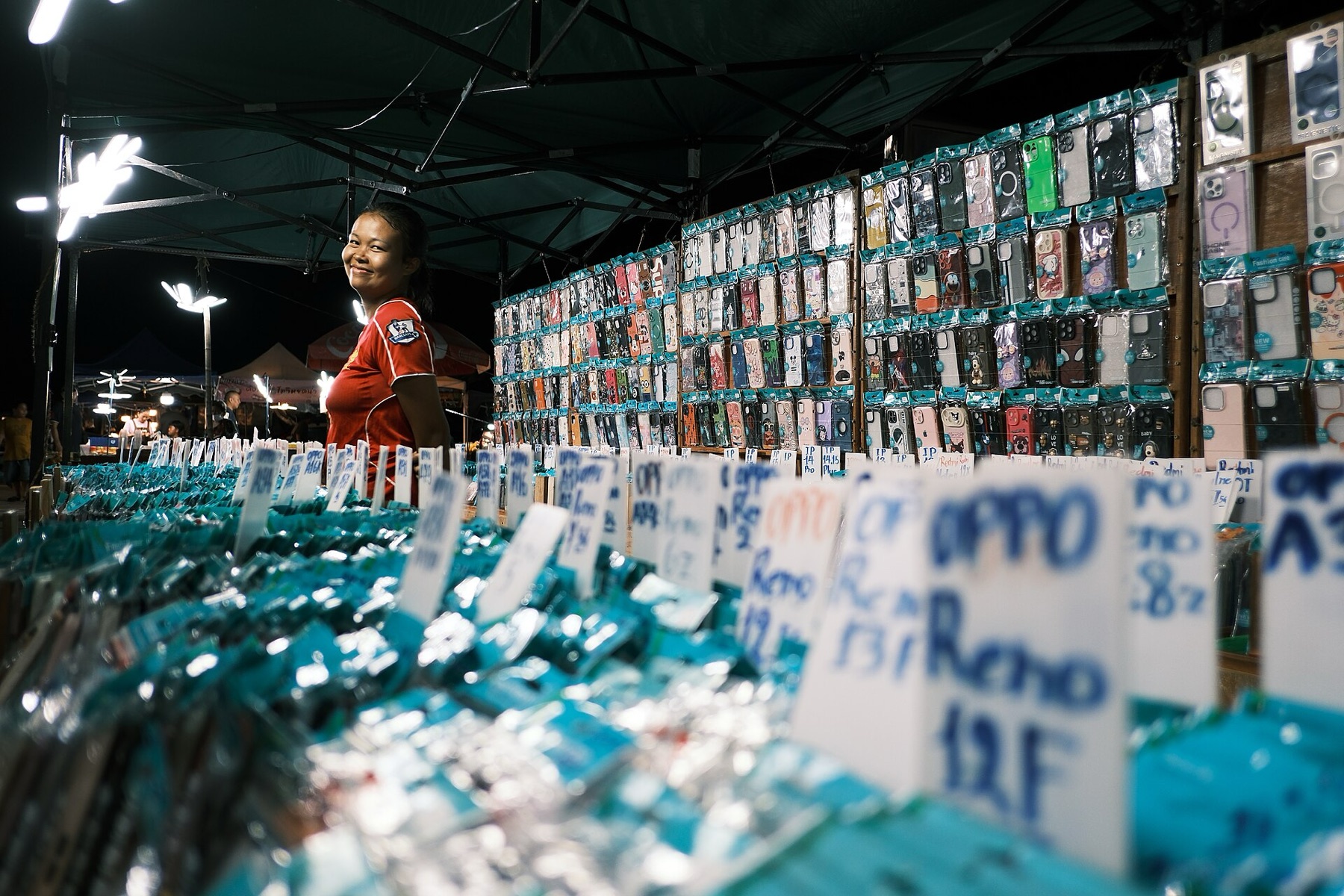
For single-piece purchases in the US, most buyers start with Amazon or big-box retailers because shipping is straightforward and returns are familiar. Etsy can be better for niche blue art prints or handmade leather folios. AliExpress and similar cross-border marketplaces offer huge variety, but listings can range from generic to very specific brand-inspired designs.
DHgate’s own blog presents the marketplace as having a wide selection of smartphone accessories at competitive prices, particularly in aftermarket cases and related gear. That editorial positioning lines up best with two scenarios:
- Bulk or semi-bulk buying: Small ecommerce businesses can use DHgate to test multiple blue designs (different shades, textures, and prints) from wholesalers, then refine their catalog.
- Custom or printed blue shells: DHgate’s blog guidance on brand design phone shells highlights using seller reviews, detailed product descriptions (materials, compatibility, customization options), and clear images to judge whether a supplier can deliver the blue look and print quality you want.
When you’re exploring DHgate specifically, treat it as one sourcing channel among several. If you need a broader understanding of the marketplace itself, there are neutral explainers such as What DHgate is and how the marketplace works and practical trust-focused advice like Find trusted sellers on DHgate. Pair those with an order-focused checklist such as Review the DHgate order-readiness checklist so that by the time you place an order for blue cases, you’ve already nailed the specs, color choices, and supplier vetting.
Regardless of marketplace, your short list should always be built around compatibility, material, protection level, and the exact shade/finish of blue—platform choice comes after that.