
The first decision with a Candyland-themed cake is simple: either pay a bakery to build the full fantasy cake for you, or turn a basic supermarket cake into Candyland using extra decorations and candy you source yourself. Finished themed cakes usually come from local or online bakeries, while marketplaces like DHgate mainly make sense for bulk candy and packaging that support the look, not the cake itself.
If you want a one-off birthday or baby shower centerpiece and don’t bake, a bakery-made Candyland cake is usually easier. If you’re testing Candyland-style desserts for your small business or you like DIY projects, buying a plain cake plus decorations, candy, and boxes can give you more control over cost and design.
What Counts as a Candyland-Themed Cake?
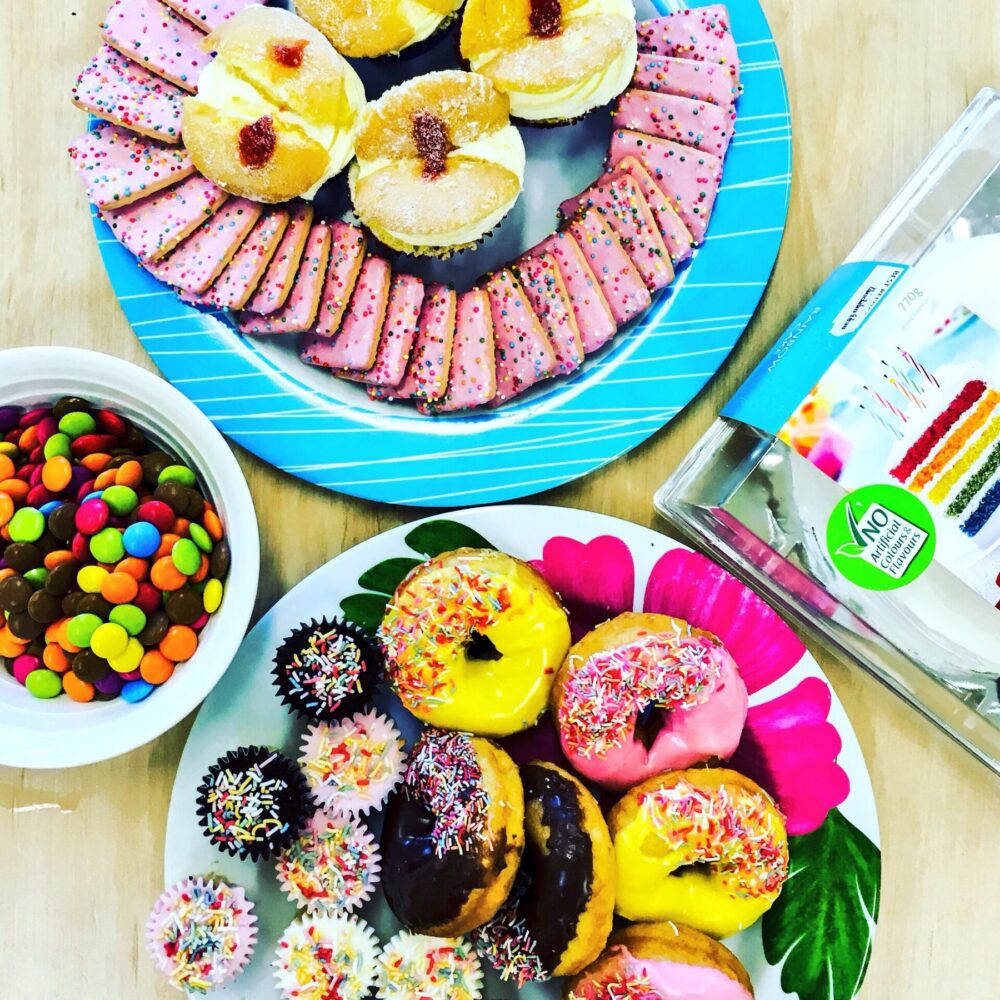
A Candyland cake is less about a specific recipe and more about a visual theme: bright colors, candy everywhere, and a playful, game-like feel that matches Candyland party decor.
Looking at real products helps. Cakes and Memories, for example, sells a Candyland Cake with Girl, 2-Tier 1st Birthday that stacks two tiers of cake and covers them in rainbow colors, lollipops, and candy pieces, with a figurine topper on the upper tier. You’ll also find their Candyland Cake with Donuts, Pink 2-Tier Birthday that swaps some candy elements for donuts but keeps the same candy-saturated, pastel design, and a Candyland Sweets Cake, Colorful 1-Tier 1st Birthday that delivers the look on a single tier instead of two.
Party theme sites describe Candyland birthdays as a mash-up of rainbow colors and assorted candies—lollipops, gumdrops, sprinkles—often coordinated across the cake, table decor, and favors.Source
That style usually shows up in three kinds of use cases:
- Kids’ birthdays: A high-impact centerpiece, often multi-tier, with a character topper or number.
- Baby showers: Slightly softer colors, with Candyland elements woven into a more pastel palette.
- Small dessert businesses: Themed cakes sold as premium designs alongside simpler options.
If your event fits any of these, you’re shopping in the Candyland cake lane even if you tweak the exact colors and candy mix.
Style and Material Choices: Bakery Designs vs DIY Builds
Once you know you want Candyland, you’re essentially picking between:
- A finished Candyland cake from a bakery
- A DIY Candyland build using a plain cake plus decorations
Each path has different style and material decisions.
1. Bakery-made Candyland cakes
Independent dessert shops like Cafe Vida Desserts and patisseries such as Edith Patisserie sell ready-made Candyland-themed cakes for birthdays and showers. Their listings show some common patterns:
- Tier count: One-tier “sweets” designs vs two-tier celebration cakes (often for 1st birthdays).
- Topper type: Figurine or number toppers, donut stacks, or lollipop clusters.
- Icing finish: Smooth fondant shells for sharp, sculpted decorations vs buttercream or “soft icing” for a more organic drip look.
Pros and cons in plain terms:
| Option | Pros (look & effort) | Trade-offs (taste & flexibility) |
|---|---|---|
| 2-tier fondant Candyland cake | Very polished; supports sculpted candy pieces and clean tiers | Fondant texture isn’t everyone’s favorite |
| 1-tier “sweets” cake | Easier to serve; still visually busy and on-theme | Less height and drama than multi-tier designs |
| Buttercream/soft icing style | Often preferred for taste; forgiving if slightly damaged in transit | Less perfect for very detailed sculpted decor |
If you’re hosting a large party or selling high-price custom cakes, the 2‑tier fondant or hybrid designs give you the most visual impact. For smaller gatherings or budget-conscious customers, a single tier with dense candy and a good topper is usually plenty.
2. DIY Candyland using a supermarket cake
Editorial guides like Candyland Crafts’ piece on making a supermarket cake look custom show how far you can push a store-bought base.Source The basic idea:
- Start with a plain frosted cake from a supermarket bakery.
- Add your own candy (lollipops, gummies, chocolate pieces) in a structured way.
- Use themed toppers, sprinkles, and color-coordinated decor to close the gap with custom designs.
This approach works best when:
- You care more about theme than intricate sculpting.
- You’re comfortable doing some hands-on decorating.
- You’re managing a tight budget or testing a concept for ecommerce before investing in custom bakery inventory.
Taste-wise, you’re relying on the supermarket cake recipe, then adding candy. Visually, you can hit many of the same notes the pro cakes use: rainbow scatter, upright lollipops, candy “pathways” around the sides, and a big topper or number.
Choosing Online Supply Channels, Including Where DHgate Fits
Finished Candyland cakes themselves are typically bought from bakeries—either local or online—not general marketplaces. Most marketplace listings focus on supplies, decorations, and candy rather than fully decorated themed cakes.
So your supply choice depends on whether you’re buying a finished centerpiece or components.
If you want a finished Candyland cake
For US buyers and small ecommerce sellers testing the theme, the practical routes are:
- Local custom bakeries – You can bring reference photos from sites like Cakes and Memories or Edith Patisserie and ask for a similar 1‑ or 2‑tier Candyland design using your preferred flavors.
- Online bakeries that ship regionally – Some independent shops take orders through their sites and offer Candyland-themed designs directly. Use their photos as a spec sheet: tier count, topper style, candy density.
Marketplaces like DHgate generally aren’t the place to look for finished, ready-to-eat Candyland cakes.
If you’re building your own Candyland cake
Here’s where different platforms—and DHgate—start to matter:
- US general retailers (Target, craft stores, grocery chains)
Good for: ready-made cakes, basic sprinkles, branded toppers, disposable stands. Use Candyland party aisles or search results (for example, Target’s Candyland theme listings) to keep your cake aligned with the rest of the decor.
- Specialty cake and candy shops online
Good for: themed toppers, high-quality sprinkles, and on-theme candies you can place upright on the cake. These stores tend to show design examples, helping you plan placement.
- DHgate and similar cross-border marketplaces
Based on DHgate’s own editorial blog, the platform promotes itself as a source for bulk candy and candy packaging like heart-shaped candy boxes. That makes DHgate more relevant for:
- Large quantities of visually striking candies (for dessert tables, favor bags, or to scatter around the cake display).
- Packaging such as heart-shaped or themed candy boxes if you’re pairing the cake with favors or selling Candyland gift sets.
It is less aligned with buying the cake itself; you’d still source the edible centerpiece from a bakery or supermarket.
If you fold DHgate into your plan, treat it as a supply channel:
- For a single home party, DHgate only makes sense if you truly need bulk candy or themed boxes (for example, assembling dozens of Candyland goodie bags).
- For a small ecommerce dessert business, bulk candy and packaging can support Candyland bundles or upsells around a cake you bake or buy locally.
Before ordering any cross-border candy or packaging, make a quick checklist that’s specific to this theme:
- Does the color mix match your cake concept (rainbow vs pastel vs one accent color)?
- Are shapes usable on cakes (flat pieces, lollipops, or gummies) or better suited to favor bags only?
- Will packaging dimensions actually fit the candies you plan to include with your Candyland cake offer?
If those answers line up, you can pair bakery or DIY cakes with DHgate-sourced candy and boxes in a way that keeps the cake itself local but uses cross-border supplies to scale the Candyland look.
For broader context on how DHgate works as a marketplace, you can read What DHgate is and how the marketplace works, and if you move into regular bulk buying, Find trusted sellers on DHgate and the DHgate order-readiness checklist before checkout are useful pre-checks.