
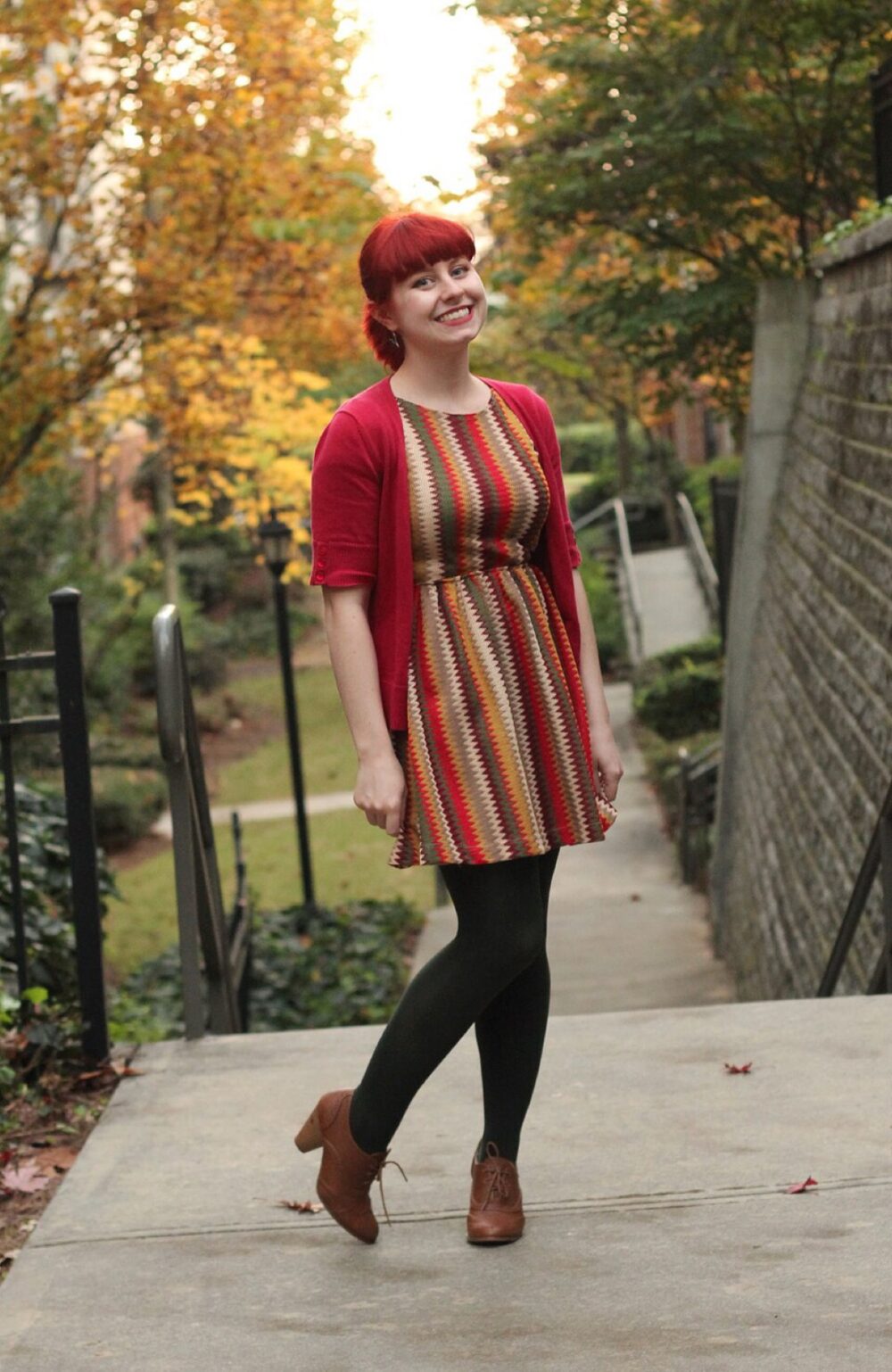
If you start with the occasion, then choose dress length, and finally match tights or stockings by denier and color, it’s much easier to get a short-dress outfit that looks intentional instead of random. For everyday US wear, think mini or above‑the‑knee dresses with tights in the 20-80 denier range; sheer for parties, more opaque for work and cold weather. From there, you can decide whether to buy the whole look from a fashion retailer, split it across sites, or tap marketplaces like DHgate for bulk or niche hosiery while sourcing dresses elsewhere.
The sections below focus on style and fit decisions; platform choice—including DHgate—is covered only where it changes what you can realistically buy.
What Counts as a Short Dress Outfit with Tights or Stockings?
Short dress–plus–hosiery outfits usually mean hems at or above the knee: mini dresses, short sweater dresses, skater cuts, and tailored shifts. A common pattern in US styling guides is pairing these lengths with tights or stockings for cooler seasons, extra coverage, or to make a very short hem feel wearable outside nightlife.
Style blogs that track short‑dress trends describe combinations like:
- A mini wrap or bodycon dress with sheer black tights for going‑out looks.
- A short A‑line or skater dress with opaque tights and ankle boots for fall errands.
- Above‑the‑knee knit dresses with thicker tights for office or smart‑casual settings.
Short dress outfits with tights show up most often in fall/winter casual styling, workwear that allows dresses but expects covered legs, and party looks that need a bit of warmth without switching to pants. Guides like OutfitNotes’ dress‑and‑tights ideas emphasize these same three occasions—work, casual weekends, and evening events—as the sweet spot for this combo.
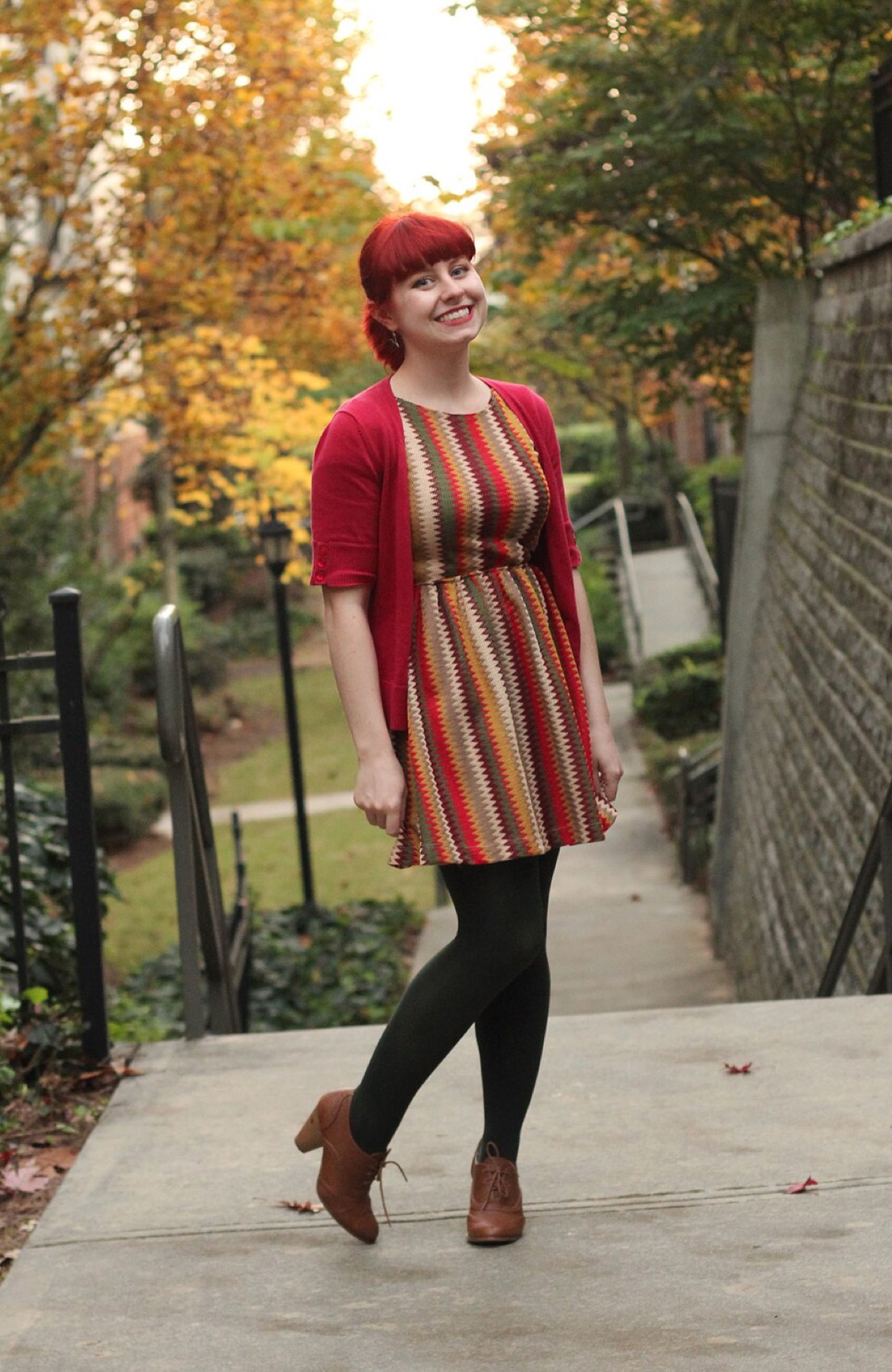
For resellers, this category is essentially “short dresses plus fashion hosiery,” often sold separately but styled together for lookbooks or social content.
Key Style and Fit Choices: Dress Types, Denier, and Color Pairings
Your big levers are dress cut, hosiery thickness (denier), and color/pattern. Getting these aligned is what makes a short dress outfit feel balanced instead of under‑ or over‑dressed.
Common dress silhouettes and how they behave with tights
Think first about how fitted or flared the dress is:
- Bodycon minis (curve‑hugging, shorter hems) read sexy and high‑impact. They pair well with sheer or semi‑opaque tights or stockings if you want to keep that vibe, or with more opaque tights to tone it down.
- Skater and A‑line dresses flare from the waist, giving movement and more coverage. They’re forgiving with opaque tights, patterned tights, or even colored hosiery because the silhouette is already playful.
- Shift and straight minis can look very polished with matte, mid‑denier tights and simple shoes, which is why they’re common in office‑friendly outfits.
- Short sweater dresses add volume and texture on top; balancing them with darker, more opaque tights keeps them from looking too casual.
Supplying short dresses from cross‑border platforms, you’ll typically see these same silhouettes described in listings and can plan hosiery pairings in your own product photography.
Understanding denier: warmth and coverage in one number
Denier is the standard way hosiery brands signal thickness. Guides such as Everlady’s tights explainer align broadly on this:
- Lower denier = sheer, lighter, less warm.
- Higher denier = more opaque, thicker, warmer.
You don’t need lab‑grade ranges to make decisions, but most style resources use bands roughly like these:
| Dress & occasion example | Typical denier band | Look & coverage summary |
|---|---|---|
| Cocktail mini dress, parties | ~10-20 | Very sheer, legs visible, sexy/soft |
| Short work dress, mild weather | ~20-40 | Semi‑sheer, polished, office‑friendly |
| Fall skater dress, everyday wear | ~40-60 | Mostly opaque, good basic coverage |
| Winter sweater dress, cold climates | ~60-80+ | Fully opaque, warm, matte |
These bands are editorial judgment based on hosiery guides; individual brands can label opacity differently. For US buyers, starting with “sheer below 20, opaque above 40” is a practical rule of thumb.
Color and pattern: what usually works with short hems
Style guides like OutfitNotes’ hosiery combinations often recommend two simple color strategies for short dresses:
- Neutrals for polish: black, charcoal, navy, or rich brown tights with most solid dresses. A burgundy dress with black tights, or a cream sweater dress with dark brown tights, looks intentional without trying too hard.
- Contrast that still feels grounded: black tights with a white or light‑colored dress, or nude hosiery that closely matches your skin tone with bright dresses if you want the leg line to disappear.
Patterns—polka dots, ribbed knits, lace motifs—can work well under solid short dresses, as long as only one item (dress or hosiery) is visually loud. A houndstooth mini skirt plus polka‑dot tights, for example, is a fashion‑forward look that some shoppers love but can be too busy for conservative workplaces.

For small ecommerce brands, picking a limited palette—say, black and charcoal tights with three hero dress colors—keeps inventory and photography manageable while still covering most customer use‑cases.
Buying Short Dresses and Hosiery Online: Quality Signals and Where DHgate Fits
Once you know the look you’re going for, you have three practical checks: fabric, fit, and durability. Then you can decide which platforms are worth including in your search.
Quick checklist for single‑outfit buyers
For short dresses:
- Fabric and weight: Cotton blends, viscose, and knits tend to drape better and feel less revealing than very thin polyester on short hems. Product photos that show the dress in motion help you judge cling.
- Length and model photos: Look for side‑view shots and check where the hem hits on the model (mid‑thigh vs. just above the knee). If you’re taller than the model, assume the dress will sit higher.
- Size chart plus reviews: Compare your body measurements to the chart and skim reviews that mention “too short,” “rides up,” or “see‑through”—these matter more for minis than for midi dresses.
For tights and stockings:
- Denier and fiber content: Listings that clearly state denier and fiber mix (e.g., nylon with some elastane) are easier to match to your use‑case than vague “thin” or “thick” descriptions.
- Waistband and gusset details: Comfort and ladder resistance often show up here; buyers frequently mention “rolls down” or “snags easily” in reviews.
What small resellers should watch for
If you’re stocking short dresses and hosiery for your own shop or boutique:
- Consistency of sizing across lots is critical. Test‑order a small range and measure actual lengths; mini dresses that vary an inch or two between batches will generate returns.
- Opacity testing under bright light is worth the effort. If you’re selling dresses specifically to wear with hosiery, note in your product copy whether they’re lined and how sheer they run.
- Hosiery failure rate: Run a quick wear test on several pairs from a supplier. If ladders appear after a single use, that’s a red flag for bulk orders.
Where DHgate fits alongside other platforms
DHgate is a global online marketplace that connects international buyers with mainly Chinese wholesalers and manufacturers, with millions of fashion listings across categories.The platform’s own fashion overview highlights its broad assortment and generally competitive pricing compared with retail stores.
For pantyhose and tights, DHgate’s editorial guide to women’s pantyhose describes a wide selection and the ability to buy in bulk at budget‑friendly unit costs, which makes it relevant for small apparel resellers who want to experiment with colors, prints, or higher‑denier basics without paying US retail per pair.See the pantyhose overview for that positioning.
In practice, here’s how DHgate compares conceptually to other sources for this specific outfit category:
- Alibaba‑type wholesale platforms: Often aim at larger MOQs and more formalized B2B relationships. Attractive if you’re ready for higher volume and negotiating custom runs, less convenient for testing 10-50 units across multiple styles.
If you’re new to DHgate and considering it for tights or dresses, it’s worth understanding the marketplace model first via this overview of how DHgate works, then reviewing how to find more reliable sellers and a basic order‑readiness checklist. For single outfits, most US buyers will still find it simpler to buy dresses from domestic fashion sites and treat DHgate primarily as a hosiery and experiment‑friendly add‑on, if they use it at all.
Ultimately, you’ll get the best outcome by deciding the occasion and hem length first, matching denier and color to that scenario, and only then choosing whether DHgate or another marketplace belongs in your mix for either the dress or the tights.