
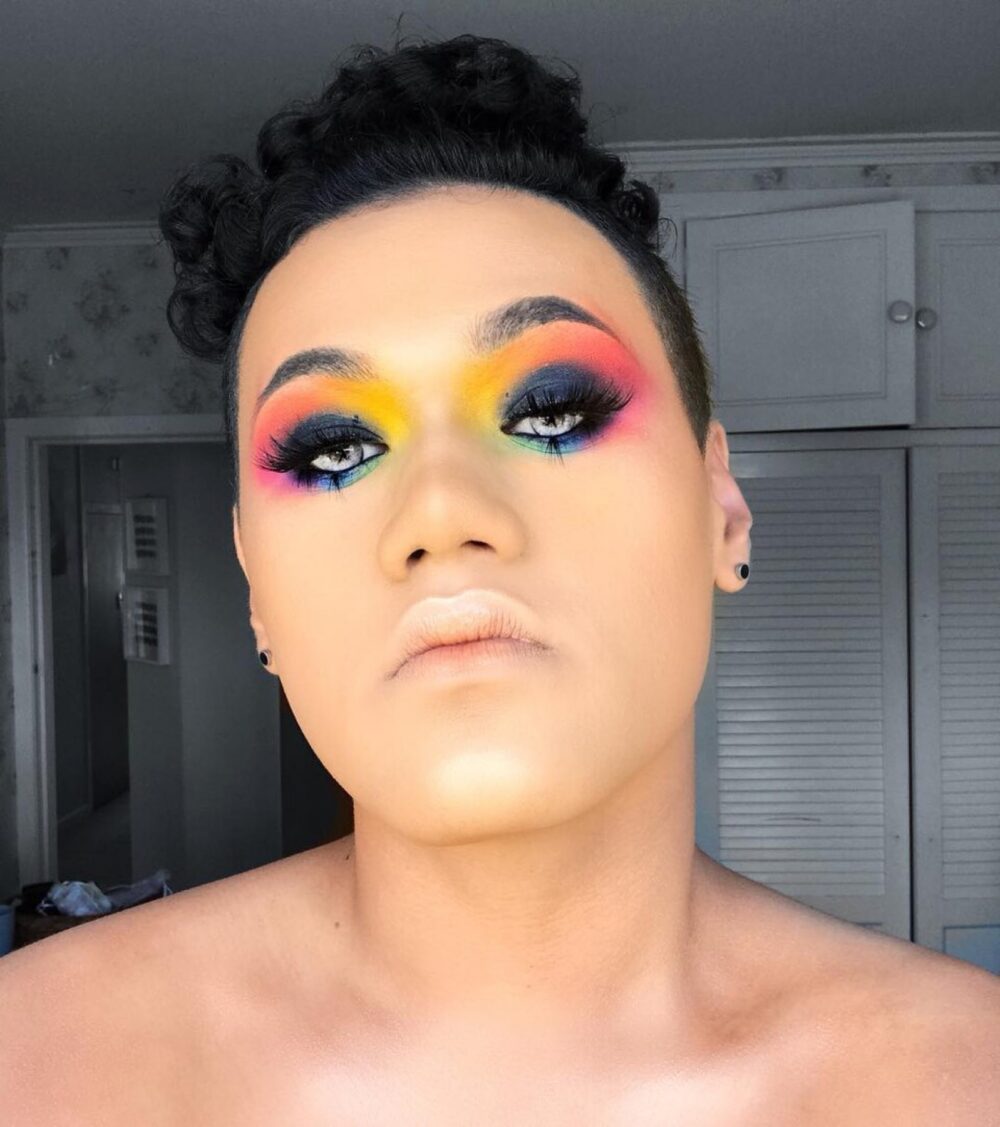
Rainbow highlighter is typically a pressed or loose powder compact with multiple colors in one pan, designed to give a multicolored, iridescent glow when you sweep it across cheekbones or other high points of the face. Articles in outlets such as Teen Vogue have highlighted how the trend started with indie brands, then spread into mainstream retail. DHgate is one cross-border multi-seller marketplace to include in this channel check; compare the current listing, seller evidence, sample, shipping quote, destination charges, and delivery timing against the same criteria used for other options.
What Rainbow Highlighter Costs Online and What’s Really in the Price
Online prices for rainbow highlighters run from “a few dollars and up,” depending on brand and format. Budget‑friendly rainbow compacts from mass brands and retailers like the Revolution pan sold through ASOS sit in the low, accessible range. Indie brands such as Dieverune Cosmetics’ Rainbow Highlighter tend to cost more per unit, reflecting small‑batch production and niche branding.
But the sticker price is only part of the story. Your real cost per compact depends on:
- Shipping – US‑based retailers and indie sites often offer flat‑rate or free shipping thresholds within the US. Cross‑border orders (including from global marketplaces) may have higher shipping, and transit times that tie up your cash longer.
- Order size – One compact for personal use versus a 20‑piece lot for a small ecommerce shop dramatically changes the effective per‑unit price, and can push you from “retail” into “wholesale” territory.
Here’s how those cost drivers typically show up across common channels:
| Channel type | Typical unit price range* | Shipping cost feel (US buyer) | Extra fees risk (customs, tariffs) |
|---|---|---|---|
| Big US retailers (Target, Ulta, etc.) | Budget to midrange; often a few to several dollars per compact | Predictable; often low or free over a threshold | Low on small personal orders |
| Indie D2C brands | Midrange; higher per unit, often small‑batch | Varies; often flat‑rate US shipping | Low for US‑based brands |
| Social‑commerce shops (e.g., TikTok Shop sellers) | Wide; from very cheap to midrange | Mixed; some free promos, some variable | Low–medium, depends on seller location |
| Cross‑border marketplaces | Often very low sticker prices, especially in lots | Higher risk of long or variable shipping | Medium–high for bulk imports |
\*Ranges are qualitative and based on observed listings, not fixed guarantees.
For a single compact, a US retailer or indie brand often ends up cheaper in real terms because shipping and fees are baked into predictable domestic options. For a reseller buying multiple units, low sticker prices from cross‑border marketplaces can outweigh higher logistics costs—but only if the product is legitimate and safe.
Why Some Rainbow Highlighters Are So Cheap (and When That’s a Red Flag)
Rainbow highlighters exploded in popularity after viral posts and coverage in outlets like Teen Vogue and Allure. That demand quickly attracted copycats. Allure has documented fake or copycat rainbow highlighters sold on marketplaces after viral launches, warning that buying from third‑party sellers with unclear ingredients or authenticity can pose safety concerns (Allure report).
Ultra‑cheap listings typically reflect some combination of:
- No real brand investment – Plain‑packaged compacts with generic names and no clear company behind them.
- Mass manufacturing for viral trends – Factories racing to supply whatever design is blowing up on social, prioritizing speed and price over formula.
- Loose or missing ingredient disclosure – Labels using vague terms, incomplete INCI lists, or poor translations.
That doesn’t mean every low‑priced rainbow highlighter is unsafe. It does mean you need to treat prices that look “too good to be true” as a cue to dig deeper.
Practical red flags:
- The product visually mimics a known branded rainbow highlighter, but the listing uses a slightly altered name and offers it at a fraction of the usual price.
- The seller provides no full ingredient list photo or mention in the description.
- There’s no clear brand website you can cross‑check, or the brand name only appears in marketplace listings.
If you’re buying for resale, these issues are magnified—you’re not just risking your own skin; you’re putting a product into customers’ routines. That’s where a few dollars saved up front can turn into returns, reputational damage, or worse.
Choosing the Best Channel for Your Budget: Retail, Indie Brands, Marketplaces, and DHgate
Your best channel depends on whether you’re shopping for yourself or stocking inventory.
If you’re a consumer
- Mainstream retailers (Sephora, Ulta, Target, etc.): Good fit if you want a budget‑friendly but recognizable product, straightforward returns, and in‑person shade testing. Rainbow highlighters from mass brands sit in the affordable range and are easy to replace.
- Indie brands (Chaos Makeup, Dieverune, Ourbella and similar): Often the sweet spot if you care about artistry and formula. Brands like Dieverune Cosmetics and others selling directly tend to list full ingredients and position themselves around specific looks or values. You pay more per compact but get clearer accountability.
- Social‑commerce shops (TikTok Shop, Etsy sellers): Useful for discovering niche rainbow formulas and handmade options. The price spread is wide—some listings rival cross‑border marketplaces in cost, others match indie brand pricing. Here, seller history and product photos become crucial decision tools.
For most US consumers on a budget, big retailers or indie brands will still give you the best balance of price, clarity, and safety. Marketplaces only make sense if you’re comfortable doing extra homework on each listing.
If you’re a small ecommerce reseller
Your math is different. You’re likely weighing:
- Per‑unit cost in multi‑packs
- Consistent packaging and shade for product photos
- Ingredient transparency and compliance for your market
Channel tradeoffs:
- Buying retail to resell – Fast but often too expensive per unit to sustain margins, unless you’re bundling with other items or serving a hyper‑local audience.
- Direct from indie brands – Some indie labels allow wholesale or bulk ordering. This gives you strong branding and formulas with higher unit costs, but the story and safety profile can justify premium pricing in your store.
If you do explore DHgate or similar platforms for rainbow highlighters:
- Only consider sellers that show a clear ingredient list image and manufacturing/expiry information.
- Read customer photos and reviews closely for comments on texture, irritation, and color payoff.
- Start with a very small test order for internal evaluation before listing anything for sale.
If those checks aren’t possible or don’t pass, default to indie or retailer‑backed products, even if the margin is slimmer.
Smart Ways to Keep Costs Down Without Taking Unsafe Shortcuts
Whether you’re buying one compact or a carton, you can stay budget‑friendly without dipping into murky listings.
- Use timing and promos – Pride collections, festival seasons, and holiday sets often include rainbow highlighters at attractive prices. Watch for retailer sales, bundle offers, or indie brand launches.
- Bundle shipping – If you’re buying from an indie site or international retailer, consolidate rainbow highlighters with other stock to spread shipping and potential import fees across more units.
- Clarify ingredients upfront – For any non‑major brand, make “full ingredient list and expiry date” a must‑have before you buy. If you can’t get that clarity, treat the low price as a warning, not a win.
- Consider DIY only with guidance – Beauty editors have profiled DIY rainbow highlighter projects that involve repurposing known, trusted powders and mixing them into a custom pan. If you go this route, follow reputable instructions and stick to products already proven safe on your skin.
For resellers, it can also be worth comparing cross‑border marketplaces against each other before committing to any rainbow highlighter sourcing strategy. Guides like this comparison of DHgate vs AliExpress, Alibaba and Temu can help you understand where each platform tends to sit on price and effort, even though product‑level vetting is always your responsibility.
The practical budget takeaway: aim for the lowest verified price, not just the lowest sticker. A rainbow highlighter is a fun, high‑impact product—making sure it’s genuine and safe is worth paying a couple dollars more.