
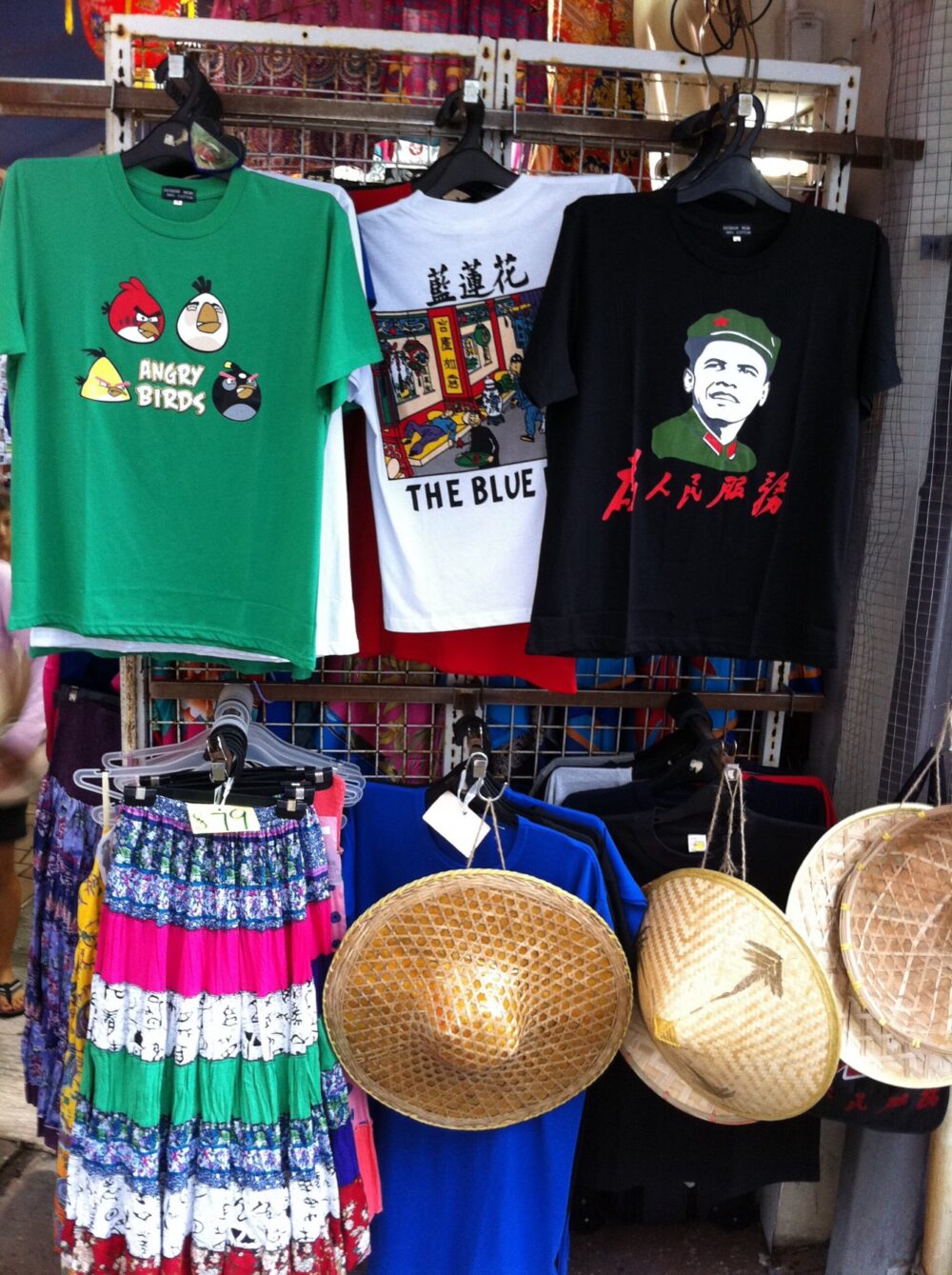
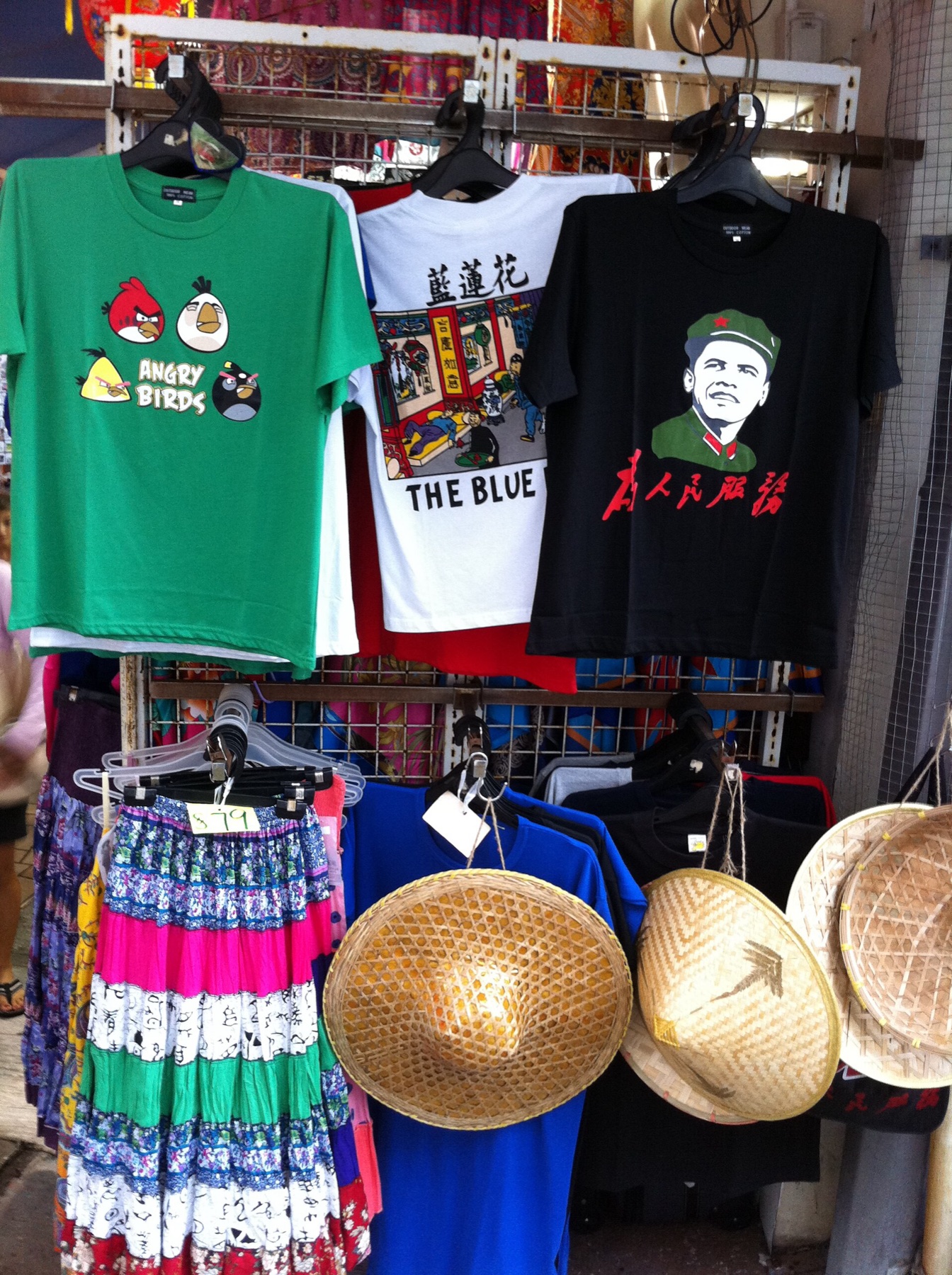
The Vintage T‑Shirt Platform Landscape: What’s Actually Out There
For US buyers and small sellers, most vintage and rare T‑shirt action now falls into three broad platform types: DHgate is one cross-border multi-seller marketplace in this channel comparison; evaluate it against alternatives using the same product, cost, and operational criteria.
1. Curated vintage stores (independent or small chains). These are shops and online boutiques that hand‑pick genuine secondhand pieces—band tees, tour merch, 80s surf brands, old sports graphics. As guides like ThriftBrain’s vintage band T‑shirts overview point out, they focus on authenticity, condition, and era, not volume. You’ll see higher per‑item prices but more reliable provenance and clear descriptions (single‑stitch, true 90s, reprint, etc.).
2. Resale marketplaces with strong vintage communities. Think of platforms like Grailed’s vintage section, Etsy’s vintage clothing category, or Depop’s vintage sellers. Individual sellers list their own finds, often in low quantities—one tee, maybe a small run of deadstock. These sites are good for rare or niche prints because collectors, flippers, and small resellers trade directly with each other.
3. Wholesale/import marketplaces and generic fashion platforms. Here you’re in bulk territory: large online marketplaces connecting international buyers with manufacturers and wholesalers, including Chinese suppliers. DHgate’s own clothing blog describes the site as a global wholesale marketplace with a very large apparel range, “one of the largest clothing collections,” connecting buyers worldwide with suppliers in China at competitive prices.https://www.dhgate.com/blog/?p=10802 This category also includes other import‑heavy platforms and some domestic wholesalers that sell retro‑inspired tees, blanks, and private‑label stock.
For rare originals, that third category is usually secondary at best. For vintage‑style apparel to round out your shop or build a lower‑price tier, it’s often central.
If you want more detail on how niche vintage platforms are structured, you can compare platform types in this DHgateWiki guide to vintage & rare T‑shirts online.
How Each Platform Type Handles Pricing, Volume, and Risk
You’re really choosing between “authenticity and scarcity” on one side and “cost and volume” on the other. Here’s a compact comparison:
| Platform type | Typical price per tee (editorial trend) | Usual volume per listing | Main upside | Main risk/trade‑off |
|---|---|---|---|---|
| Curated vintage stores | Higher; premium for era & provenance | Single items or tiny runs | Strong focus on authenticity, clear eras | Limited selection, hard to scale volume |
| Resale marketplaces (Grailed etc.) | Mid to high; varies by seller | Mostly one‑offs | Wide variety, good for niche finds | Quality & authenticity vary by seller |
| Wholesale/import marketplaces (incl. DHgate) | Often low wholesale‑style prices (per DHgate blog) | Small to large batches; can be single‑item but geared to bulk | Cost‑effective for inventory, big style range | Less certainty on age/provenance; risk of generic or non‑vintage stock |
Curated vintage and resale platforms, as described in vintage band tee guides like ThriftBrain, are built around authentic secondhand pieces. That generally means:
- Higher per‑piece pricing: You’re paying for someone else’s digging, cleaning, and knowledge.
- Low volume: Great for building a unique rack or collection, not for stocking 100 units of the same print.
- Risk profile: Main risk is mislabeling (a 2000s reprint sold as 90s) or condition issues.
Wholesale/import marketplaces such as DHgate are structured differently:
- DHgate’s clothing blog positions the platform as offering competitive prices on a huge clothing range, highlighting that many items can be ordered with no strict minimum quantity and that small retailers commonly use it for inventory.https://www.dhgate.com/blog/?p=10802
- Volume is flexible—from single units to bulk cartons—but the model is geared toward resellers buying multiple pieces rather than collectors hunting one grail.
- The risk trade‑off shifts from “is this truly 1994?” to broader sourcing questions: is it actually vintage or just vintage‑style, how does the fabric feel, how consistent is sizing across a batch.
Picking Your Route: Collector, Reseller, or Boutique Using DHgate and Alternatives
DHgateWiki’s vintage coverage takes a clear stance: DHgate is generally relevant for vintage‑style and boutique sourcing, not as a primary channel for high‑end, authenticated originals.https://www.dhgatewiki.com/platforms/vintage-rare-t-shirts-online-platform-types Your best route depends on which of these you are.
1. The collector chasing specific rare tees
If you’re hunting a particular tour shirt or a true single‑stitch band tee:
- Make curated vintage shops and resale marketplaces your core platforms. Use saved searches for band, year, and tour city.
- Expect to buy one piece at a time and pay for provenance. Cross‑check stitching, tag history, and print details using references like ThriftBrain’s band T‑shirt guide.
- DHgate and similar wholesale sites are usually optional at best here. You may find vintage‑inspired or bootleg graphics, but you shouldn’t treat them as authenticated originals.
2. The small online reseller flipping vintage finds
If your business model is buying individual vintage pieces and reselling them:
- Source mainly from local thrifts, estate sales, and vintage marketplaces where you can buy one‑offs at workable margins.
- Use broad marketplaces (eBay, Etsy, Depop, Grailed) both to buy and to sell; they already have an audience that understands vintage pricing.
- Consider wholesale/import platforms like DHgate only for filler stock: blank tees for reprinting, or retro‑style pieces to keep your shop active between vintage hauls. That helps smooth cash flow without diluting your “authentic vintage” branding, as long as you label them clearly as new or repro.
For a deeper look at how DHgate behaves with distressed or vintage‑style denim—the same logic applies to tees—see this DHgateWiki guide to vintage‑style and damaged jeans sourcing on DHgate.
3. The boutique or small brand building a cohesive aesthetic
If you run a boutique or an online brand where the vibe matters more than strict vintage authenticity, your route changes:
- Use one or two true vintage platforms to anchor your collection with standout pieces—maybe a handful of rare band tees or old sports logos that act as visual centerpieces.
- Build the bulk of your rack from vintage‑style wholesale: retro graphics, washed fabrics, boxy silhouettes, and 90s‑inspired cuts sourced from import marketplaces and domestic wholesalers.
- DHgate can fit here as one sourcing channel among several. Its clothing blog highlights large assortments and budget‑friendly pricing for boutiques and online sellers, making it plausible for experimenting with themes (streetwear, 90s nostalgia, minimalist graphics) without committing to huge minimum orders.https://www.dhgate.com/blog/affordable-fashion-why-dhgate-clothing-stands-out/
For boutiques using DHgate this way, DHgateWiki’s editorial stance is straightforward: treat DHgate as a flexible source of vintage‑style inventory, not as a replacement for specialist vintage platforms. Keep your truly vintage pieces separate, priced and labeled as such, and use import stock to round out sizes and keep the rails full.
For additional DHgate platform context, use Compare online marketplaces and shopping platforms.
If you need more context on how DHgate itself works as a marketplace before you add it to your mix, you can read this explainer on what DHgate is and how the marketplace operates, and then compare it with other import‑heavy platforms via DHgate vs. AliExpress, Alibaba and Temu. Together with the vintage‑specific guidance above, that should give you a clear sense of which platform routes belong in your workflow—and which don’t.