
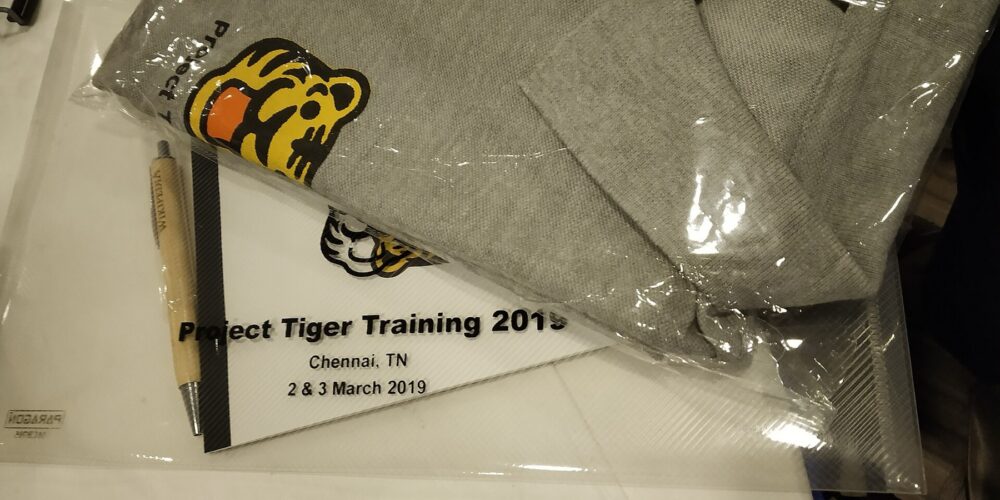
Tiger T‑shirts differ more than most people realize: the artwork style, fabric weight, print method, and fit all change how they look, feel, and resell. For personal wear, start by picking a graphic type you’d actually wear (realistic wildlife vs streetwear vs gym or brand‑style motifs), then look for cotton or quality blends with enough fabric weight (GSM) to avoid see‑through tees and check the size chart instead of just grabbing your usual “M.” For small ecommerce businesses, those same specs drive return rates and margins. DHgate can be useful when you want a wide variety of unbranded tiger graphics or bulk quantities from Chinese suppliers, but quality and consistency vary by seller, so it works best when you already know what fabric and fit you’re targeting.
What Counts as a Tiger T‑Shirt Today?
“Tiger T‑shirt” now covers a broad range of graphic tees, not just tourist gift‑shop merch.
You’ll see at least four common styles:
- Realistic wildlife graphics – photographic or detailed illustrations of tigers, often used by wildlife or conservation groups and fans of nature art.
- Stylized or artistic tigers – geometric, neon, anime‑inspired, or tattoo‑style designs that fit streetwear and festival fashion.
- Streetwear/brand‑style motifs – tees where the tiger is part of a logo or emblem, similar to gym brands or motorsports graphics (for resale, these are usually generic, not licensed).
- Gym and fitness themes – aggressive tiger heads or slogans used on training shirts; often in moisture‑wicking blends rather than classic cotton.
For individual buyers in Canada, the decision is mostly about self‑expression and comfort: do you want a bold full‑front tiger, a subtle chest logo, or something that reads more like modern art than animal print?
For small ecommerce sellers, the use cases split:
- Casual fashion drops: stylized or streetwear tigers in modern colors and oversized fits.
- Niche merch: realistic wildlife or conservation‑themed prints for specific audiences.
- Gym or lifestyle micro‑brands: tiger as a power symbol on performance tees.
Knowing which bucket you’re in helps you ignore the noise. A realistic wildlife tee for a park gift shop has very different specs than a polyester tiger training shirt you expect customers to sweat in.
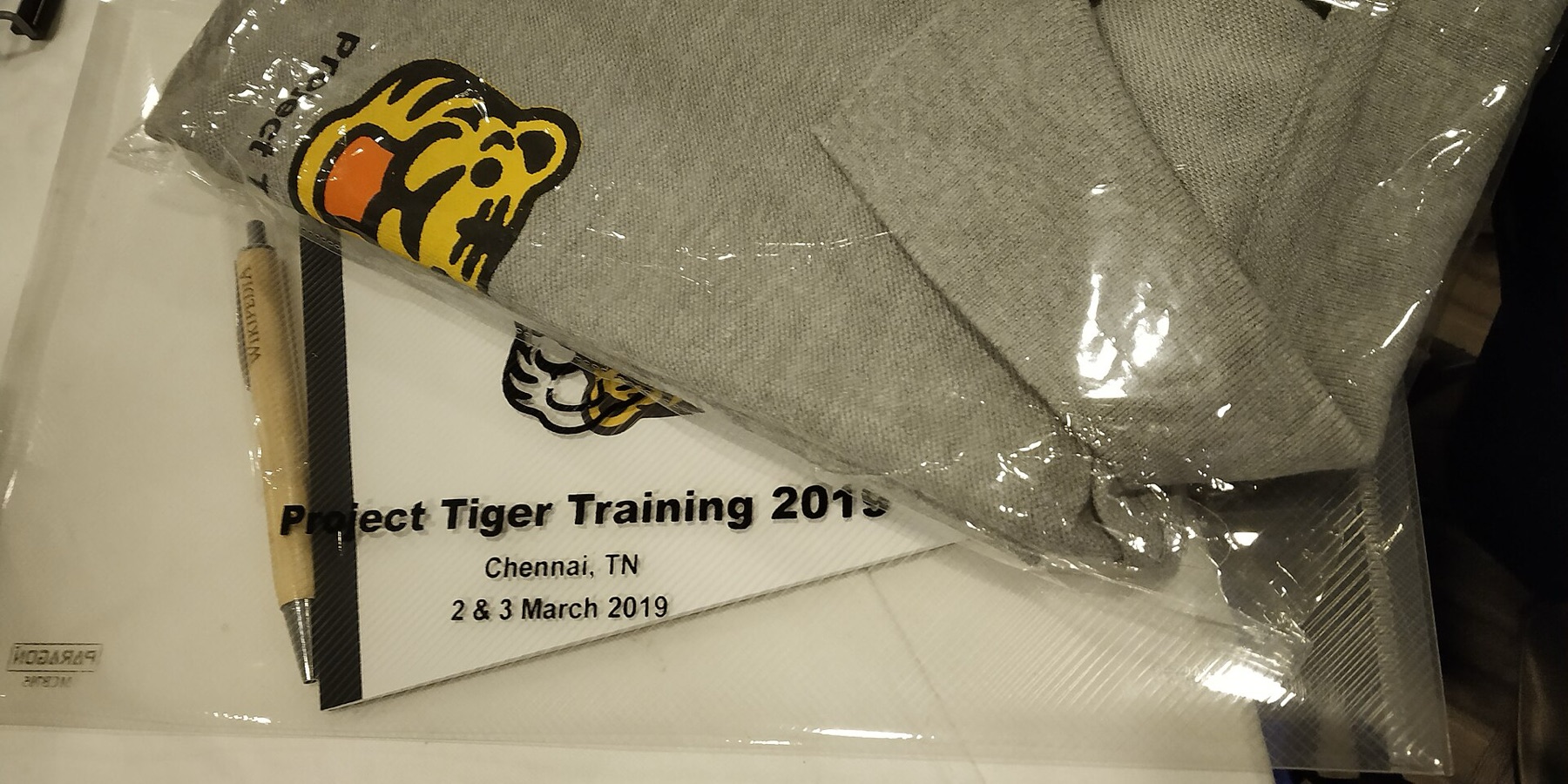
Design, Fabric, and Fit: The Specs That Actually Matter
The most useful way to compare tiger tees is to break them into artwork, fabric, print method, and cut. Here’s how those pieces work together.
Artwork and print style
On marketplaces and brand sites, tiger art usually shows up as:
- Full‑front prints – a large tiger image that covers most of the chest. Great for bold fashion, but more sensitive to cracking if the print quality is low.
- Logo‑style motifs – a small tiger head, crest, or emblem on the chest; easier to pair with jackets and less “loud” for everyday wear.
- All‑over or pattern designs – repeated tiger faces or stripes, often more niche and fashion‑forward.
For resale, think about image resolution and line work. Blurry or jagged edges often signal low‑quality artwork files and cheap printing; crisp details and solid color fields tend to look better after multiple washes.
Fabric composition and GSM: avoiding flimsy tiger tees
General T‑shirt fabric guides emphasize two things: what the yarn is made of and how heavy the fabric is.
- Cotton: usually the safest choice for everyday tiger tees. It’s comfortable and breathable and, at a reasonable fabric weight, won’t be see‑through.
- Cotton blends: cotton mixed with polyester or elastane can add stretch, wrinkle resistance, or moisture management, which suits gym‑style tiger shirts.
- GSM (grams per square meter): the fabric weight. Very low‑GSM tees feel light but can be transparent and lose shape quickly. Mid‑range GSM cotton or blends generally offer better comfort and opacity.
A practical shopping habit is to check listings or product pages for fiber composition and GSM whenever they’re listed. Guides like Practical Textile’s T‑shirt overview underline GSM as a key quality indicator: heavier isn’t always better, but extremely light fabrics are more likely to disappoint.
If you’re buying for resale, pick a minimum fabric feel for your brand: for instance, “no paper‑thin tiger tees” and “only cotton or cotton‑rich blends.” That lets you quickly filter out listings that never mention GSM or use vague phrases like “soft fabric” without details.
Printing methods and durability
Most tiger graphics are made with one of three common methods:
- Screen printing – layers of ink pushed through a stencil; often the best for saturated colors and durability if done well.
- DTG (direct‑to‑garment) – inkjet‑style printing directly onto the fabric; good for complex, multi‑color tiger art but more sensitive to wash care.
- Heat transfer/vinyl – a printed or cut graphic pressed onto the shirt; edges can feel rubbery and may crack sooner.
Marketplace listings rarely spell out the print method, but you can infer a lot from close‑up photos: thick, shiny blocks of color suggest heavy plastisol or vinyl; softer, slightly matte prints tend to feel better. For business buyers, consider ordering at least one sample or a small test run for any design you plan to stock heavily.
Fit, sizing, and cut
General T‑shirt guides consistently stress that you shouldn’t rely on the label alone. A “large” from one supplier can fit more like a medium elsewhere.
Best practice is to:
- Check the size chart on each product page.
- Compare chest width, length, and shoulder measurements to a tee you already own.
- Note the cut: regular, slim, oversized, or boxy.
Canadian buyers often juggle North American and Asian sizing, especially on cross‑border platforms. Expect tiger tees from Chinese manufacturers to run differently than domestic brand tees. For resale, consider offering your own measurement table in product descriptions to reduce returns.
Here’s a simple mental checklist you can run before checkout:
- Artwork: Does the style (realistic vs stylized) match how and where it’ll be worn?
- Fabric: Is the composition and GSM clear, and does it align with your comfort/opacity expectations?
- Print: Do photos show clean lines and consistent color, or obvious cracking and shine?
- Fit: Have you checked actual measurements and cut, not just the size letter?
Where Tiger Tees Are Sold and When DHgate Is a Practical Option
You can find tiger T‑shirts across several types of online channels, each with different strengths for price, uniqueness, and scale.
Common channels for tiger T‑shirts
Broad apparel and marketplace guides show graphic tees being sold through:
- Online marketplaces – large platforms with many independent sellers offering both casual and niche tiger designs.
- Wholesale and bulk sites – focused on volume orders, often with generic but inexpensive graphics suited to budget fashion or event merch.
- Brand and retailer sites – fashion labels, sports brands, or gym retailers that incorporate tiger imagery into their collections, usually with more consistent fit and fabric.
- Custom printers – services where you upload your own tiger artwork for print‑on‑demand; useful for merch or unique designs.
No single channel is universally “best”; the right choice depends on whether you’re chasing lowest unit cost, unique artwork, or predictable quality and sizing.
Where DHgate fits among those options
DHgate is an online marketplace that connects global buyers to Chinese wholesalers and manufacturers, including a wide range of clothing and T‑shirts. Editorial overviews of T‑shirt buying highlight that platforms like DHgate tend to carry a very large volume of tee listings, which makes them appealing when you want:
- Variety of unbranded tiger graphics to test different aesthetics.
- Bulk quantities of trend‑driven designs for short runs or budget‑friendly drops.
For Canadian buyers and small ecommerce sellers, DHgate is most practical when:
- You’re not looking for licensed or big‑name branded tiger logos, but for generic or original artwork.
- You’re willing to do listing‑by‑listing checks on fabric composition, GSM (when available), and size charts instead of assuming consistency.
- You treat your first order as a quality test, not a full launch.
If your priority is rock‑solid, predictable sizing and brand identity, domestic brand sites or established gym retailers may be simpler. If your priority is experimenting with several tiger looks or stocking low‑cost graphic tees, a cross‑border marketplace like DHgate can be one of the options you evaluate, as long as you bring clear spec demands to the search.
For readers who decide DHgate might be worth exploring, there are separate guides that explain the marketplace itself and how to screen sellers, such as What DHgate is and how the marketplace works, How to find trusted sellers on DHgate, and the DHgate order‑readiness checklist before checkout. Those resources focus on seller and transaction vetting; the goal here is to help you walk into any tiger T‑shirt listing—on DHgate or elsewhere—with a clear sense of design, fabric, and fit requirements.
Quick channel comparison for tiger tees
To pull it together, here’s a compact comparison focused specifically on tiger T‑shirts:
| Channel type | Best for tiger designs | Typical strengths |
|---|---|---|
| Large marketplaces | Wide range of generic/stylized graphics | Variety, cross‑border options, bulk buys |
| Wholesale/bulk sites | Simple tiger prints for events or budget | Low unit cost at volume |
| Brand/retailer sites | On‑trend, curated tiger motifs | Consistent fabric, fit, brand storytelling |
| Custom printers | Your own tiger art or logos | Uniqueness, control over design |
Once you know which combination of art style, fabric feel, and fit you want, it becomes much easier to pick the right channel—and to decide whether a marketplace like DHgate is a fit for your particular tiger tee project.