
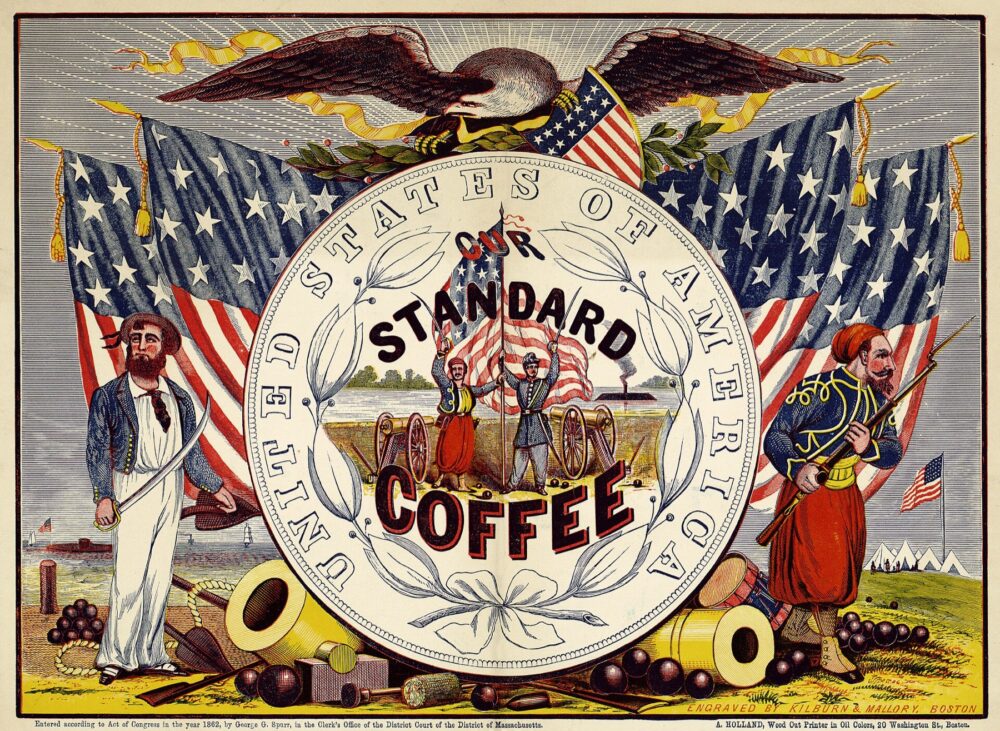
If you want true vintage coffee ads, your best bet is collector-focused sites like Etsy, eBay, Mercari, and niche dealers such as Adirondack Retro. Those channels regularly list original mid‑century magazine ads and hospitality prints. Cross‑border marketplaces like DHgate are usually relevant only for inexpensive modern reproductions with a retro coffee look, not for original advertising ephemera, so they work better for bulk decor than for collecting.
For a café owner or small ecommerce seller, that split matters. Originals are slower to source, more fragile, and priced as collectibles. Retro‑style prints and digital designs are easier to buy in sets and scale into inventory. The rest of this guide focuses on how to tell those categories apart and which platforms match each use case.
What Counts as Vintage and Retro Coffee Advertising?
Vintage and retro coffee advertising covers historic promotional pieces and memorabilia that use classic coffee brand imagery and typography. Think old magazine spreads for instant coffee, illustrated posters for roasters, or small trade cards from grocers.
Key formats you’ll see:
- Original paper ads – magazine pages, newspaper inserts, store displays that were printed decades ago.
- Signs and hospitality prints – framed ads that once hung in diners or hotels.
- Ephemera and trade cards – small handouts and packaging panels with coffee branding.
Retro coffee advertising also includes modern designs that imitate that look: aged paper textures, bold mid‑century fonts, and smiling families around a coffee pot. These can be:
- Reprints made from scans of old ads (often “vintage-style” posters).
- Original contemporary art that just borrows the aesthetic.
Collectors typically care about age and originality. A 1950s Nescafé magazine page or a mid‑century instant coffee spread on thin, period paper is an original artifact, even if it’s not museum-grade. A 2020 poster that recreates that style is retro decor, not a historic piece.
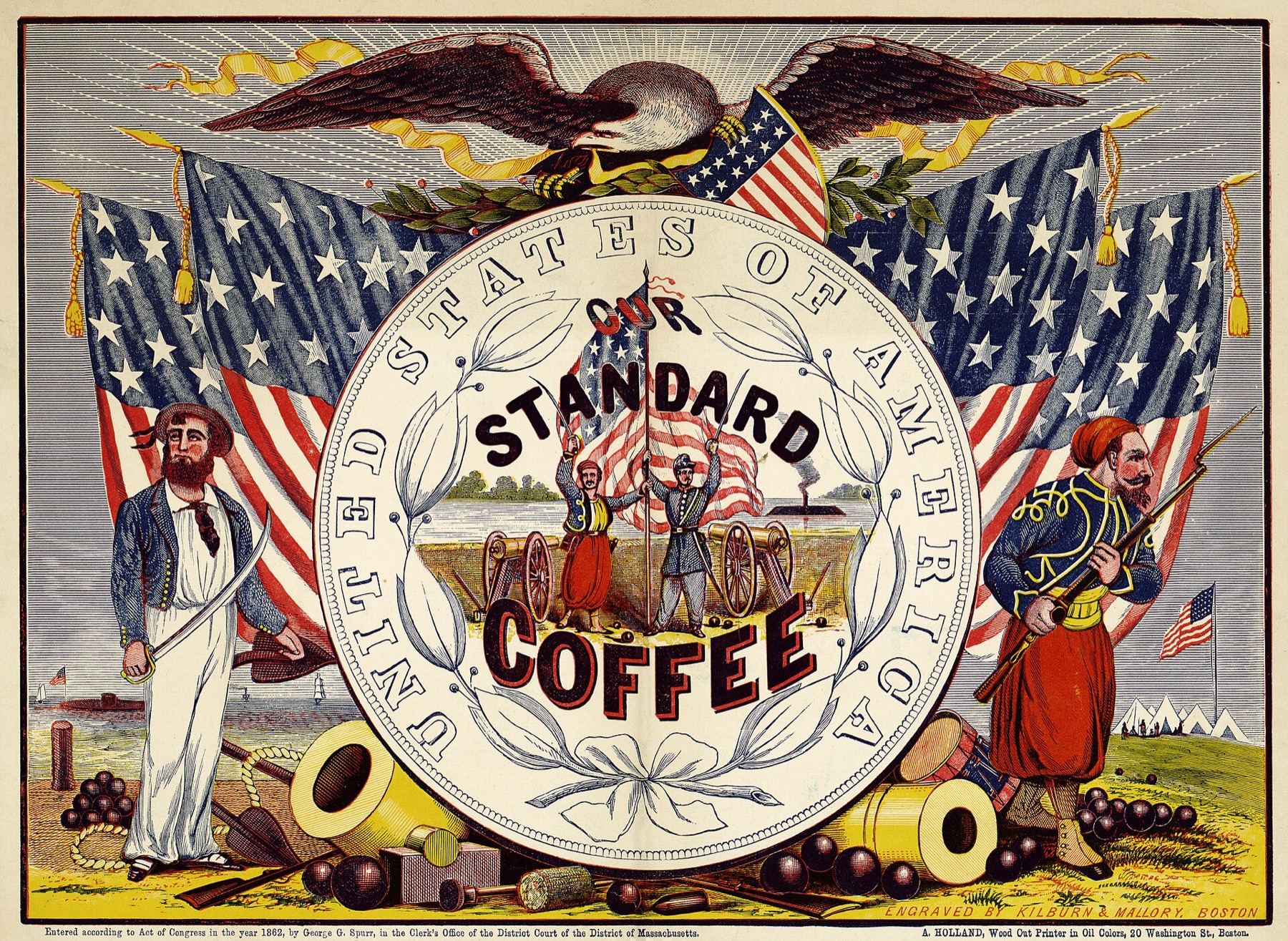
Types of Coffee Advertising and Where Each Lives Online
Once you know what you’re looking at, picking the right platform gets easier. Here’s how common product types line up with real sites.
1. Original magazine ads and hospitality prints
These are the single pages and framed prints that serious collectors chase.
- Etsy – The marketplace hosts many listings labeled as original mid‑20th‑century coffee magazine ads, plus vintage-inspired prints. You’ll see specific brand and year references (for example, 1950s Kroger or Nescafé ads) in item titles and descriptions; the coffee advertising search page is a good starting point.
- eBay – Individual coffee ad listings are common, such as mid‑century instant coffee advertisements sold as collectible ephemera. Sellers often show the whole page front and back, sometimes noting the magazine issue.
- Mercari (US) – More casual, but you can find coffee‑branded prints and vintage kitchen art as people declutter.
- Specialist dealers – Adirondack Retro sells original beverage advertisements, including coffee-related magazine ads and hospitality prints in a curated section. This is useful if you want a smaller, vetted selection rather than hunting through thousands of marketplace listings.
These channels are best if you care about original paper and era.
2. Vintage-inspired prints and poster sets
If you’re decorating a café wall or building a coffee theme for an online store, you might want the look without worrying about age.
- Etsy – Lots of retro kitchen posters and “vintage coffee” print sets made by independent designers.
- Redbubble – Print‑on‑demand designs such as the high-resolution Vintage Coffee Poster Set, which emulates vintage advertising aesthetics across multiple posters for modern wall decor.
- DHgate – Often features modern reproductions of vintage-style coffee items and decor, similar to other retro bar or kitchen art. These listings are usually bulk-friendly and cost-focused, but they’re typically graphic reproductions, not original advertising ephemera.
This category is ideal for display and resale where consistency and quantity matter more than authenticity.
3. Digital designs and inspiration-only content
Sometimes you just need the vibe: mood boards, digital assets, or print files you’ll output locally.
- Etsy digital downloads – Designers sell printable retro coffee ads or kitchen posters you can print yourself.
- Independent inspiration sites – Blogs like Orkut Junks’ vintage coffee advertisement inspiration page share imagery and decor ideas without necessarily selling physical pieces.
These work for branding, social media, or DIY printing but don’t give you a collectible artifact.
Quick mapping table
Here’s a compact view of which channels fit which product type:
| Product type | Best-fit channels | Typical use case |
|---|---|---|
| Original magazine ads (paper) | Etsy, eBay, Mercari, Adirondack Retro | Collecting, unique wall display |
| Original hospitality prints/signs | Etsy, eBay, Adirondack Retro | Café / diner decor, collectors |
| Vintage-inspired physical posters | Etsy, Redbubble, DHgate (reproduction decor) | Café/home decor, ecommerce resale |
| Digital retro coffee designs | Etsy downloads, inspiration blogs | Branding, DIY printing, mood boards |
Buying Vintage Coffee Ads Online: Quality, Risks, and Best Channels
The right channel depends on whether you’re acting more like a collector or a decor buyer/reseller.
Scenario: Collector vs café owner
- Collector searching for 1950s instant coffee ads: You’ll likely prioritize Etsy, eBay, Mercari, and niche sites like Adirondack Retro. On marketplace listings, check that the ad is clearly described as removed from a period magazine, with close-up photos of paper texture, aging, and any margin trimming.
What to judge before you click “buy”
For original vintage ads:
- Age & context – Look for mention of the decade, magazine title, and issue if provided. On sites like Etsy and eBay, many coffee ads are mid‑century; that’s useful context but not a guarantee.
- Condition – Scrutinize photos for yellowing, tears, folds, and stains. Paper ephemera is vulnerable, and grading standards vary by seller, so rely on images more than adjectives.
- Format – Confirm whether you’re buying a full-page ad, a clipped panel, or a framed piece. That affects both value and shipping risk.
For reproduction and retro-style prints (including DHgate and Redbubble-type products):
- Source imagery – Is the design a direct scan of an old ad or an original illustration? This matters if you’re curating a historically themed shop versus a more generic retro vibe.
- Print quality – Check mention of resolution (the Redbubble coffee poster set, for example, markets itself as high-resolution) and printing method if stated. Higher-resolution files will hold up better at larger sizes.
- Consistency & quantity – If you need sets or backup stock for resale, favor platforms geared to repeatable printing or bulk decor. Reproduction-focused marketplaces and print-on-demand sites usually make that easier than one-off vintage listings.
Cross-border shipping and fragile paper
Original ads are thin, decades-old paper. That makes long-distance shipping more risky than for modern posters:
- For fragile originals, shorter shipping routes (US-based Etsy/eBay/Mercari sellers, or a domestic dealer like Adirondack Retro) reduce transit time and handling.
- For modern repro decor, cross-border marketplaces and print-on-demand sites are usually fine. You’re buying freshly printed pieces that can be re-ordered if one arrives damaged.
If you decide to explore DHgate or other cross-border marketplaces for retro-style coffee decor, treat listings as new products with a vintage look, not as collectible ads. Before committing, it’s sensible to learn how the marketplace works and how to evaluate sellers; DHgateWiki has neutral explainers such as What DHgate is and how the marketplace works, Find trusted sellers on DHgate, and a DHgate order-readiness checklist that you can adapt to decor purchases.
If your goal is a wall full of matching coffee posters on a budget, reproduction channels (Etsy prints, Redbubble sets, DHgate-style decor) will feel efficient. If your goal is a binder of real ads from the 1940s–1960s, focus your time and budget on collector marketplaces and specialist vintage sites.