
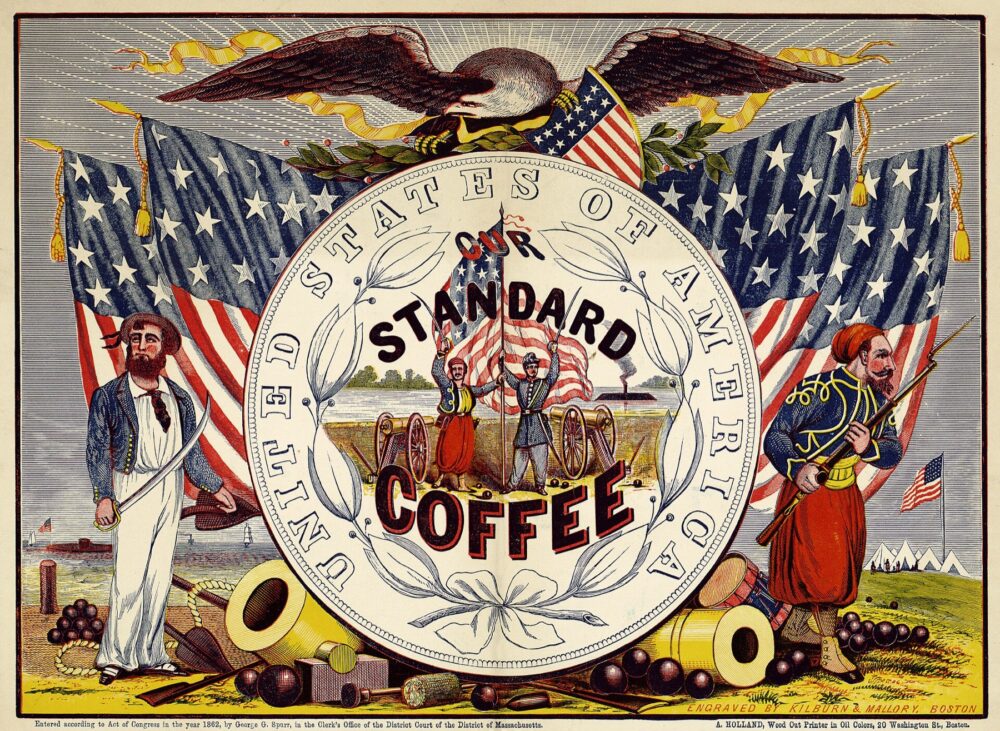
If you search DHgate for vintage coffee ads, you’ll mostly find reproduction and retro‑style decor—tin signs, canvas prints, posters—not rare originals. The trick is to use very specific keywords, filter aggressively, and read each listing and seller page as if you were buying for a shop display. For true collecting of original advertising ephemera, DHgate is usually the wrong place; for coffee‑themed wall art to resell or decorate a café, it can be a workable, low‑cost source once you vet sellers and sample quality.
Before we get into the workflow, it helps to be clear on what you’re actually trying to buy.
What Counts as Vintage and Retro Coffee Advertising Today
“Vintage coffee advertising” covers a few different things:
- Originals – authentic historical pieces: paper posters, trade cards, magazine ads, tin signs, store displays from early 20th century brands, etc.
- Reproductions – modern prints or metal signs that copy those old designs, often digitally re‑drawn or color‑boosted.
- Retro‑style designs – new art made to look old (1950s diner style, faux distressed typography, pin‑up coffee waitresses) but not tied to a real historic ad.
On DHgate, you should assume you are looking at reproductions or retro‑style decor unless a seller provides convincing provenance—which is rare on cross‑border decor listings. Typical formats you’ll see include:
- Thin metal “vintage coffee” signs with pre‑drilled holes
- Canvas prints with faux aging and coffee slogans
- Paper posters styled like old café or roastery advertising
For a visual reference of true historical coffee advertising, compare what you find on DHgate to archival pieces like this 19th‑century coffee poster:
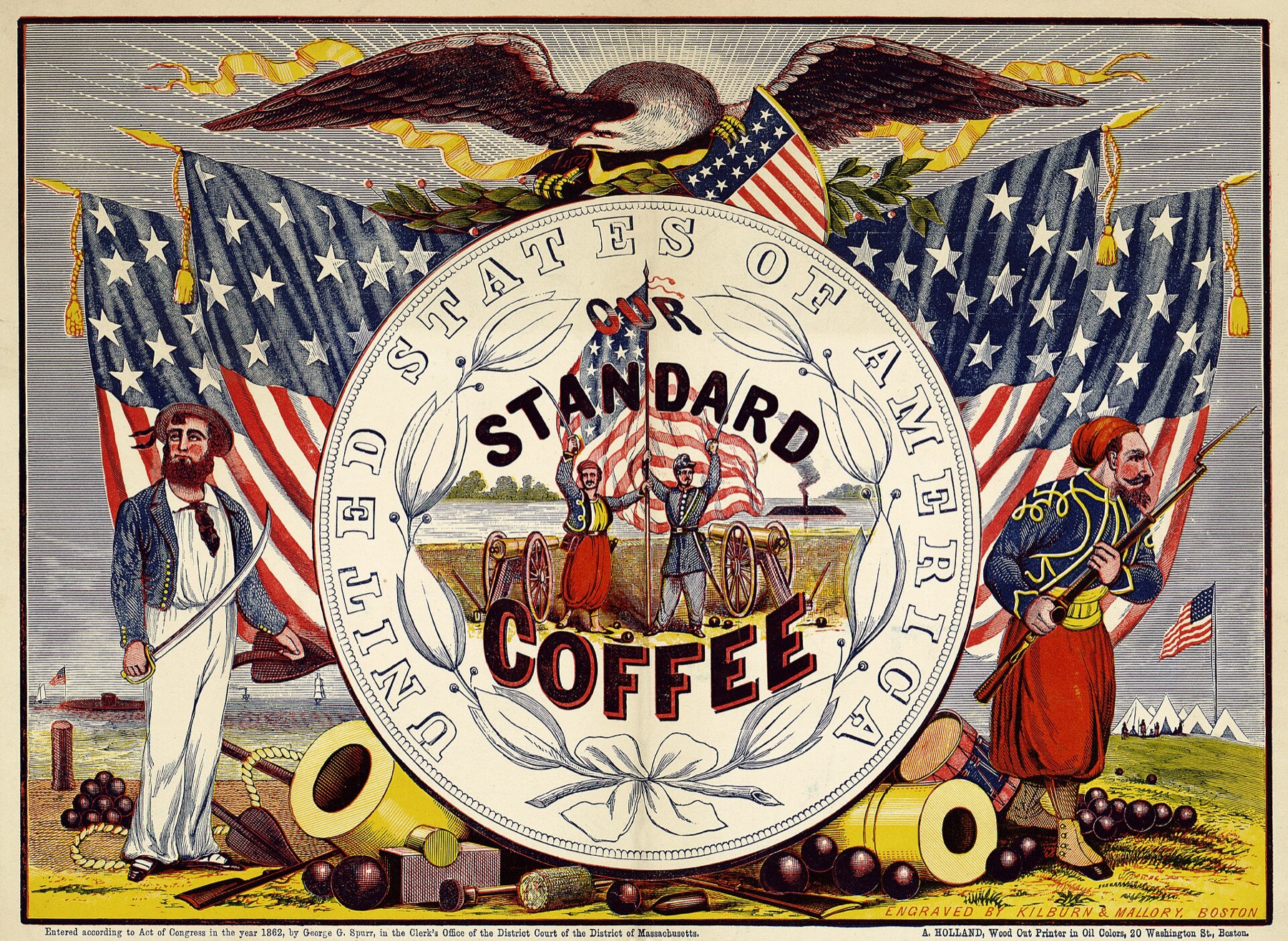
If you need authentic ephemera for serious collecting, you’re better off on eBay, Etsy, or specialty dealers. If you mainly want the look—for café walls, Airbnb staging, or online decor sales—DHgate can be relevant.
Searching and Narrowing Coffee Advertising Listings on DHgate
DHgate is a large multi‑seller marketplace with themed and vintage‑style products scattered across categories. You won’t get a neat “vintage coffee ads” shelf, so you have to drive search yourself.
Guidance from DHgate’s own sourcing content notes that buyers should use the platform’s search functionalities and filter options to narrow product lists to specific, relevant choices, and that customer reviews are useful for judging product quality and seller reliability. You can see that general advice in their boutique sourcing blog post: sourcing for your boutique on DHgate. Applied to coffee advertising decor, here’s a practical workflow:
1. Start with focused keywords
Use the main search bar with phrases that combine theme and format:
- `vintage coffee tin sign`
- `retro coffee wall art metal`
- `coffee advertising poster vintage`
- `coffee shop vintage decor sign`
Include the material or format you want (“metal sign”, “canvas”, “poster”) to avoid generic digital prints.
2. Use filters to cut noise
DHgate’s ecommerce guidance suggests using filters and search tools to narrow to products that match your criteria. After your first search:
- Pick a relevant category like Home & Garden → Home Decor, or similar, so you’re not mixed with apparel.
- Sort by Orders or Best Selling to see what people actually buy in this niche.
- If you’re sourcing for ecommerce, pay attention to price range so you’re only looking at items that leave margin for resale.
3. Scan thumbnails for ad‑style layouts
Coffee decor can be anything from photos of mugs to typography quotes. If you want advertising‑style pieces:
- Look for layouts with brand panels, product illustrations, slogans in banners, or faux logos.
- Skip listings that are just generic motivational quotes about coffee unless that’s part of your plan.
4. Open listings and read the fine print
DHgate’s shopping guide explains that each product listing typically includes specifications, images, prices, and seller ratings, and encourages buyers to review these details carefully to make sure a product meets their requirements. When you open a promising coffee ad listing:
- Size: Note dimensions in inches/centimeters; check if variations change the design or only the size.
- Material: Metal vs canvas vs paper; thin tin signs feel very different from heavy steel or thick card.
- Printing method: If mentioned, note whether it’s digital print, UV print on metal, etc.
- Finish: Words like “retro,” “distressed,” “rust effect,” or “vintage style” indicate modern decor made to look old.
5. Refine with DHgate’s tools
As DHgate’s ecommerce guide recommends, keep using filters and search refinements to match your criteria—especially important because “coffee decor” is broad and you’re hunting for a specific advertising look.
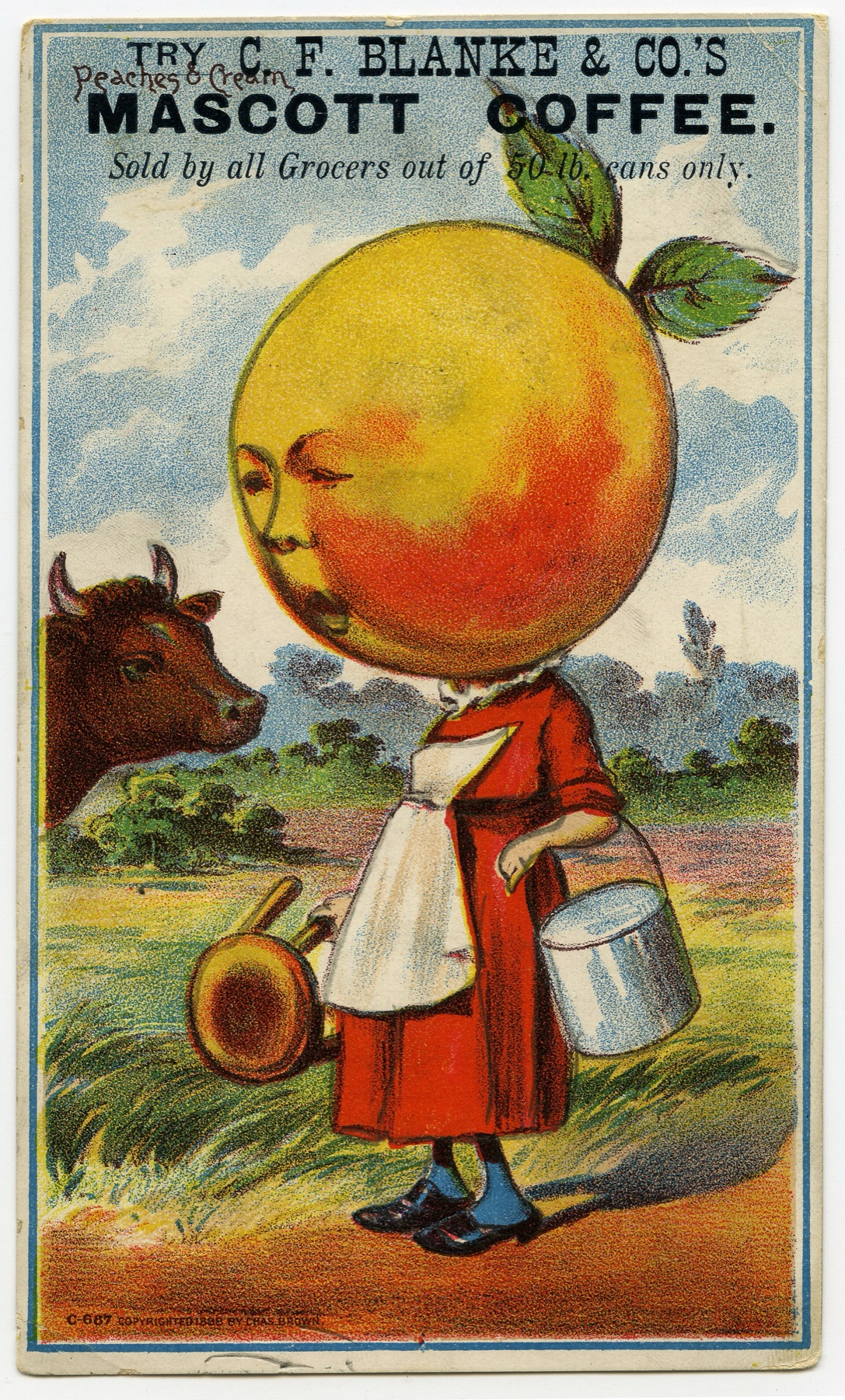
For inspiration on the type of graphic style many sellers imitate, historic trade cards like this one can be helpful:
Quick search checklist
If you’re sourcing for a small ecommerce shop or café, you can run each search against this short checklist:
| Goal | Keyword to try | What you’re mostly finding on DHgate |
|---|---|---|
| Diner‑style coffee signs | `retro coffee tin sign` | Metal signs with pin‑up art, 1950s typography |
| Old roastery ad look | `vintage coffee advertising poster` | Posters/canvas prints mimicking early ad layouts |
| Café menu board feel | `coffee shop vintage wall art` | Typographic prints, chalkboard‑style menus |
| Brandable decor for resale | `retro coffee wall art canvas` | Generic coffee slogans on canvas |
Use this table to keep searches focused and match DHgate’s listings to your actual use case.
For more context on how DHgate works as a marketplace overall, see What DHgate is and how the marketplace works.
Evaluating Sellers, Samples, and When to Go Off DHgate
Once you’ve found a few coffee advertising designs you like, the bigger question is whether the seller and product are reliable enough for your use.
DHgate’s editorial content on shopping and sourcing consistently recommends that buyers:
- Check seller ratings and feedback
- Read customer reviews
- Compare product descriptions and specs
- Request samples before placing larger orders
You can see these points echoed in their general shopping guide and ecommerce sourcing guide: DHgate comprehensive shopping guide and how to start an ecommerce business on DHgate. Applied to coffee decor, here’s how to make those steps specific.
How to vet DHgate sellers for coffee decor
- Seller rating and feedback: Favor sellers with a history and solid ratings on similar wall art or decor. Ratings built on unrelated products don’t tell you much about print quality on metal or canvas.
- Customer reviews: Look for buyers mentioning:
- Color accuracy (does the print look faded or vibrant?)
- Material thickness (especially for tin signs)
- Real‑world use (hung in a café, used for resale, etc.)
- Buyer photos: These often show what “vintage” distressing really looks like. Compare photos to the original listing images to decide whether the aging effect feels convincing or cheap.
For a more general walk‑through of seller checks, you can also read Find trusted sellers on DHgate.
Use samples before you commit
DHgate’s ecommerce guide specifically recommends ordering samples to test product quality before larger orders. For coffee advertising decor, treat samples as essential if you’re buying for resale or commercial interiors:
- Order one or two designs from each promising seller.
- Check:
- Print sharpness and color
- Edge finishing on metal signs (sharp edges can be a liability in public spaces)
- How “aged” effects look up close—some are just printed noise.
Samples give you a snapshot of quality but don’t guarantee that every future batch will be identical. They’re still the best way to avoid committing blind.
You can pair this with the DHgate order‑readiness checklist to make sure your sample and bulk orders line up with your budget and risk tolerance.
When DHgate is—and is not—the right channel
DHgate can be helpful if you:
- Need cheap, themed decor for a coffee shop, restaurant, or short‑term staging.
- Want bulk quantities of retro‑style signs or prints to resell in a general home‑decor store.
It’s less suitable if you:
- Collect original brand advertising (store cards, lithographs, early packaging art) where provenance and rarity matter.
- Sell to an audience that expects verified antiques or limited‑edition prints with documented artists.
As a rule of thumb, treat every “vintage” coffee advertising listing on DHgate as modern decor unless the seller provides strong, verifiable evidence to the contrary. Use the platform’s filters to target the formats you want, and let ratings, reviews, and samples carry most of your decision weight.
If you decide that originals are essential to your business or collection, that’s the point to move your search to platforms that specialize in historical ephemera rather than decor reproductions.