
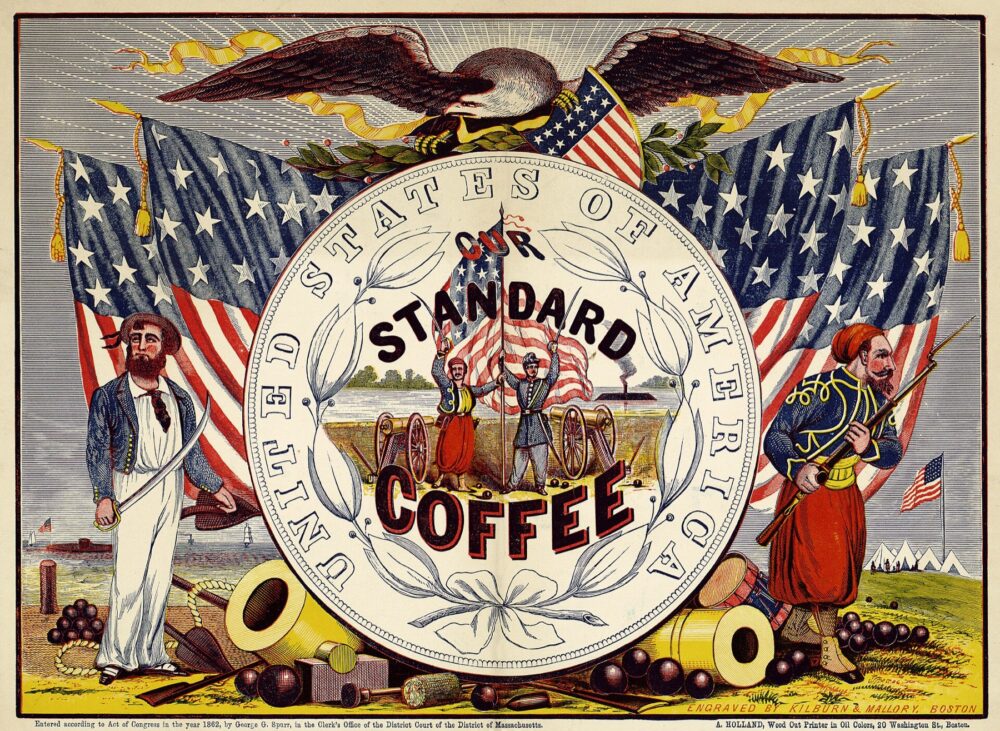
If you’re choosing coffee advertising pieces, start by deciding whether you actually need authentic vintage ads or just retro-looking decor. Original coffee posters, tins, and signs are collectibles with value tied to era, brand, format, and condition. Modern reproductions, including most “vintage coffee” wall art sold on cross‑border marketplaces like DHgate, are decor products: they give you the look, not the history. That’s ideal for cafe walls or low-cost resale, but not for serious collecting.
What Counts as Vintage Coffee Advertising vs Retro-Inspired Decor
Real vintage coffee advertising means pieces that were produced as marketing in their original era: a 1940s diner sign for a regional coffee brand, a 1920s lithographed poster, or branded coffee tins that sat on store shelves. Collector guides emphasize four core factors when judging these: the era, the brand, the format (sign, poster, tin, card), and the condition.descriptive source name
Retro-inspired decor is different. These are modern items designed to look like they came from the 1950s or 1930s—often with generic phrases (“Fresh Brewed Coffee Served Here”) or pseudo-vintage logos. On broad marketplaces, including DHgate and similar platforms, most listings labeled “vintage coffee” in the home decor category are typically these modern reproductions rather than true period pieces.
In practice, the difference matters for:
- Price and scarcity: originals are limited and priced by rarity and condition; repro decor can be reordered in bulk.
- Risk and authenticity: collectibles need careful authentication; repro decor is judged on print quality and durability.
- Use case: a serious collector or brand historian needs originals; a cafe owner usually just needs cohesive, on-theme art.
If your goal is collecting or long-term value, treat anything mass-produced and shipped new—especially from high-volume decor sellers—as reproduction unless it comes with strong provenance.
Key Types and Specs: Signs, Prints, Tins, and Wall Art
Coffee advertising shows up in several physical formats. Understanding these helps you compare apples to apples, whether you’re looking at a flea market find or a DHgate wall panel.
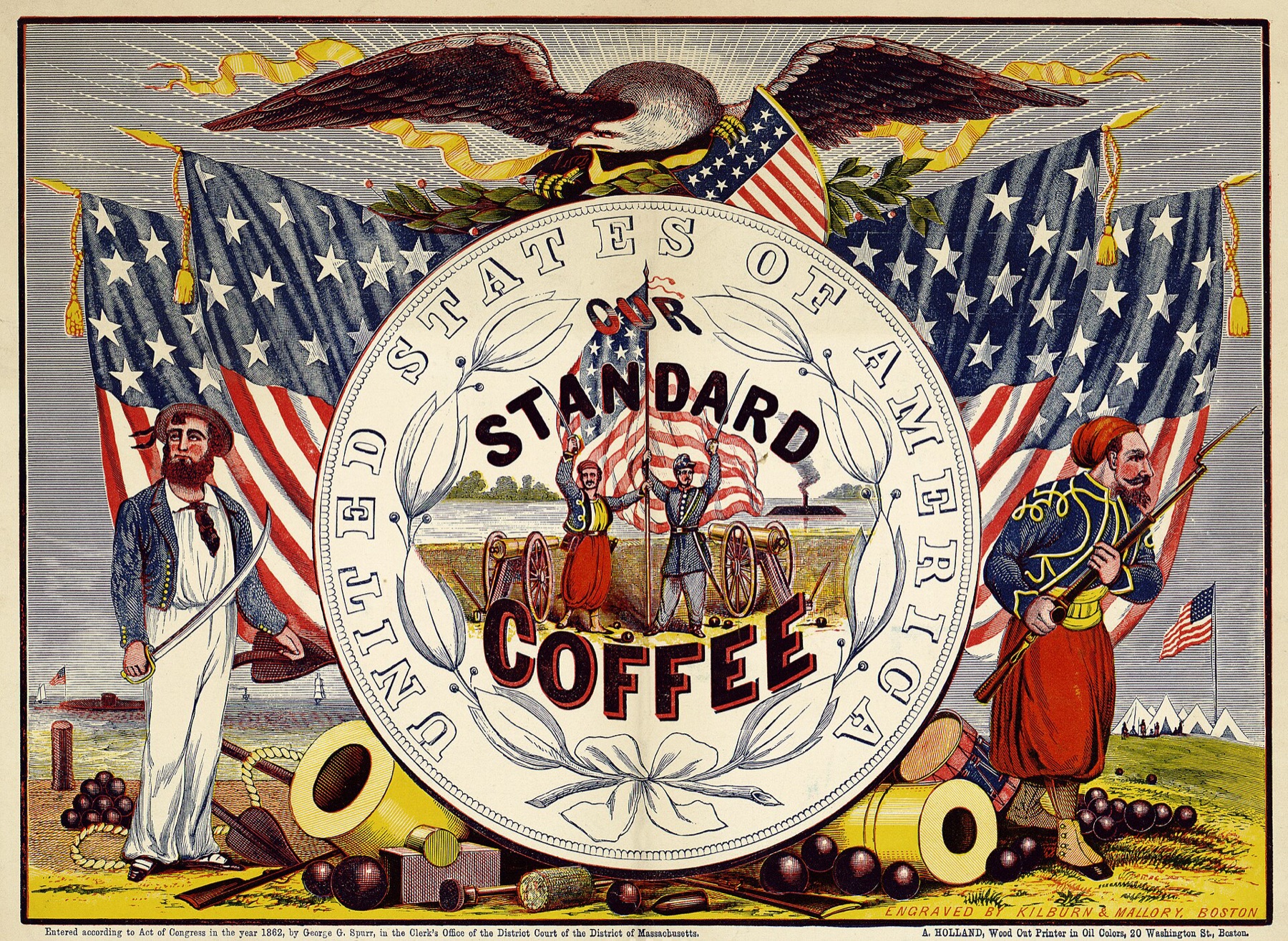
Common formats and what to check
| Format type | Typical materials (original) | Typical materials (reproduction) | Key specs to check for decor or resale |
|---|---|---|---|
| Advertising signs | Tin, steel, enamel, sometimes cardboard | Lightweight metal, MDF, printed plastic | Size, mounting holes, surface coating, rust/fade |
| Posters & paper prints | Lithographed paper, card stock | Digital print on photo paper or canvas | Resolution, color fidelity, paper weight |
| Coffee tins & cans | Metal with printed or painted graphics | Decorative cans with printed wrap | Structural integrity, graphics clarity, lid fit |
| Flat wall art panels | N/A (modern format) | MDF/wood, canvas, PVC foamed boards | Thickness, edge finish, hanging hardware |
Collector-focused sign guides note that rust, bending, heavy fading, and surface damage all reduce the value of original tin or enamel signs.descriptive source name For tins, evaluation often centers on whether the metal is solid, the paint or printing is original, and the graphics are still sharp and legible.descriptive source name
You can borrow these criteria when buying modern decor:
- Signs and panels: focus on how well the print adheres to the substrate, whether the protective coating feels sturdy, and if mounting hardware is usable for your walls.
- Paper and canvas prints: look for crisp typography, clean edges, and paper or canvas that isn’t too flimsy for repeated handling.
- Decorative tins: if you plan to resell, avoid sharply dented or misprinted tins; graphics should be centered and consistent across units.
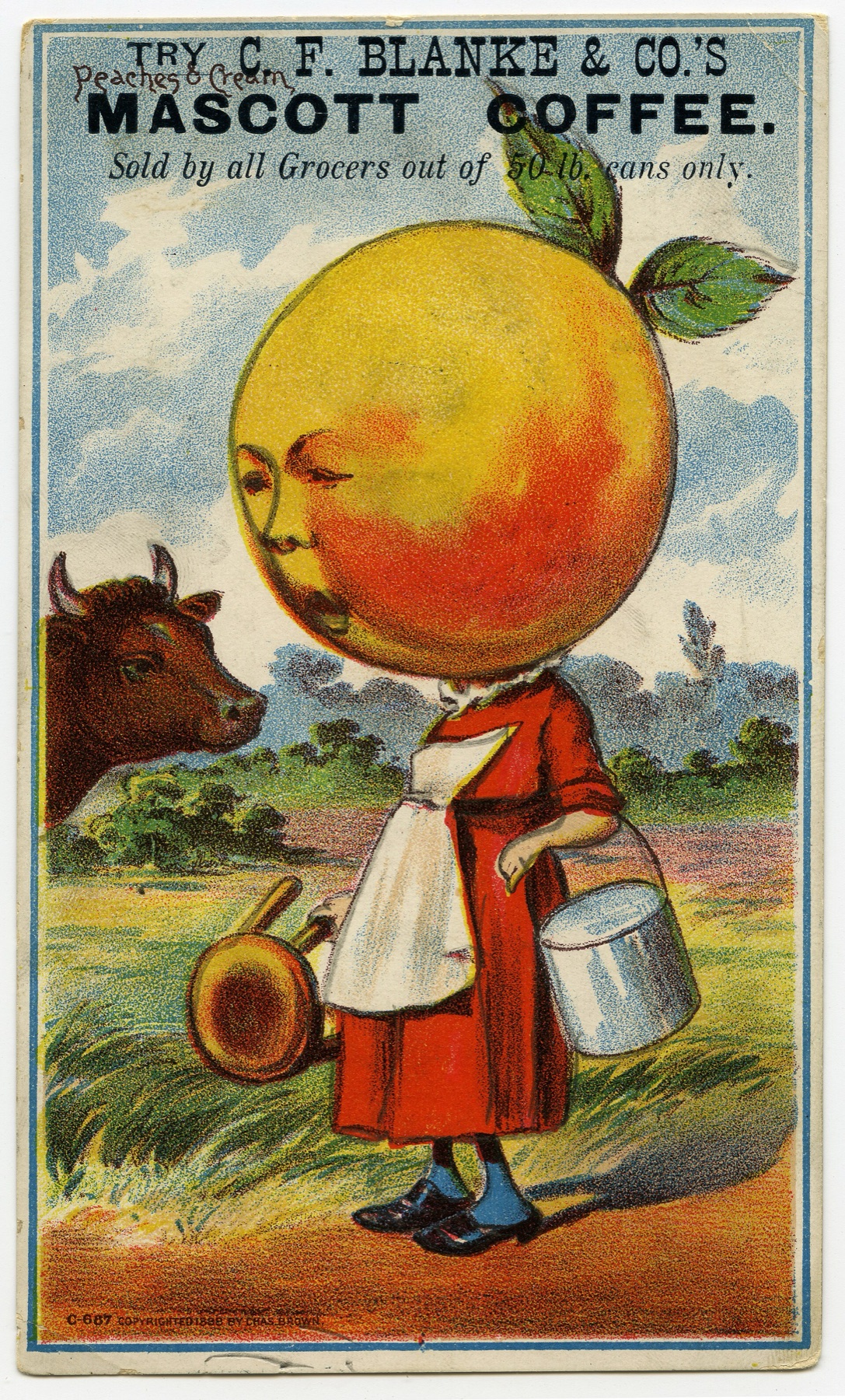
For cross-border repro wall art like you’d see from DHgate sellers, product pages usually focus on size (in inches or centimeters), printing method, and substrate. Match these specs to your actual wall dimensions and hanging plan; a 12×8″ sign set behaves very differently from a single 40″ canvas.
Choosing Between Originals, Licensed Prints, and DHgate-Style Reproductions
Once you understand the formats, the real decision is which tier of vintage look you need: originals, licensed prints from archival art, or modern reproductions sourced from high-volume marketplaces.
Scenario 1: Collector or brand historian
If you care about authenticity, provenance and long-term value, you’re in the original category.
- Prioritize era and brand: regional roasters, defunct brands, and pre‑1960 advertising often have the strongest collector interest.descriptive source name
- Buy through specialist channels: antique advertising dealers, estate sales, and verified auction houses.
- Apply sign and tin evaluation criteria rigorously: rust, overpainting, repairs, or missing parts should be reflected in price, not glossed over.
DHgate and similar platforms are generally not built for this use; they mostly surface newly manufactured decor without the documentation serious collectors expect.
Scenario 2: Cafe, coffee cart, or hospitality decor
A US cafe fitting out its space needs impact, not museum-grade authenticity. Here, licensed prints and modern reproductions are usually the sweet spot:
- Licensed prints: Art-print publishers sometimes sell reproductions of historic ads with rights cleared. You get real brand artwork, good print quality, and clear sizing—but the pieces are still new.
- Modern retro decor: Metal signs, MDF panels, and canvas prints with generic or invented branding. These excel when you need multiple pieces in a consistent color palette or theme.
Cross-border marketplaces like DHgate, which describe themselves as broad, budget-friendly sources for vintage-style home decor, can be useful in this decor scenario. The trade‑off is that designs are often generic or mashups inspired by vintage aesthetics rather than faithful reproductions of specific historic coffee ads. That’s fine if you just want atmosphere; less fine if you’re trying to honor a real legacy brand.
Scenario 3: Small ecommerce seller or boutique
If you run a small online shop or booth and want to sell coffee-themed wall art or tins:
- Decide if your brand pitch is “authentic vintage” or “retro-inspired decor.” Mixing both can confuse buyers.
- For authentic positioning, stick to sourced originals and clearly describe age, condition, and any flaws. Use collector-style criteria in your product descriptions.
- For decor positioning, modern reproductions—including DHgate-type products—offer repeatable stock and volume pricing. You’ll care more about consistent print quality, packaging, and the ability to reorder.
DHgate’s own editorial blog frames the site as a global marketplace with wide variety that boutique owners can mine for themed products.descriptive source name For coffee advertising style decor, that usually translates into wall signs, panels, and art prints bearing coffee motifs rather than true historical ads.
If you go this route, treat each listing as a modern decor item: scrutinize mockup images, size specs, and material descriptions. Avoid listing these pieces to your customers as “original” or “antique”—position them honestly as retro-inspired.
For additional DHgate platform context, use What DHgate is and how the marketplace works, Find trusted sellers on DHgate, and Review the DHgate order-readiness checklist.