
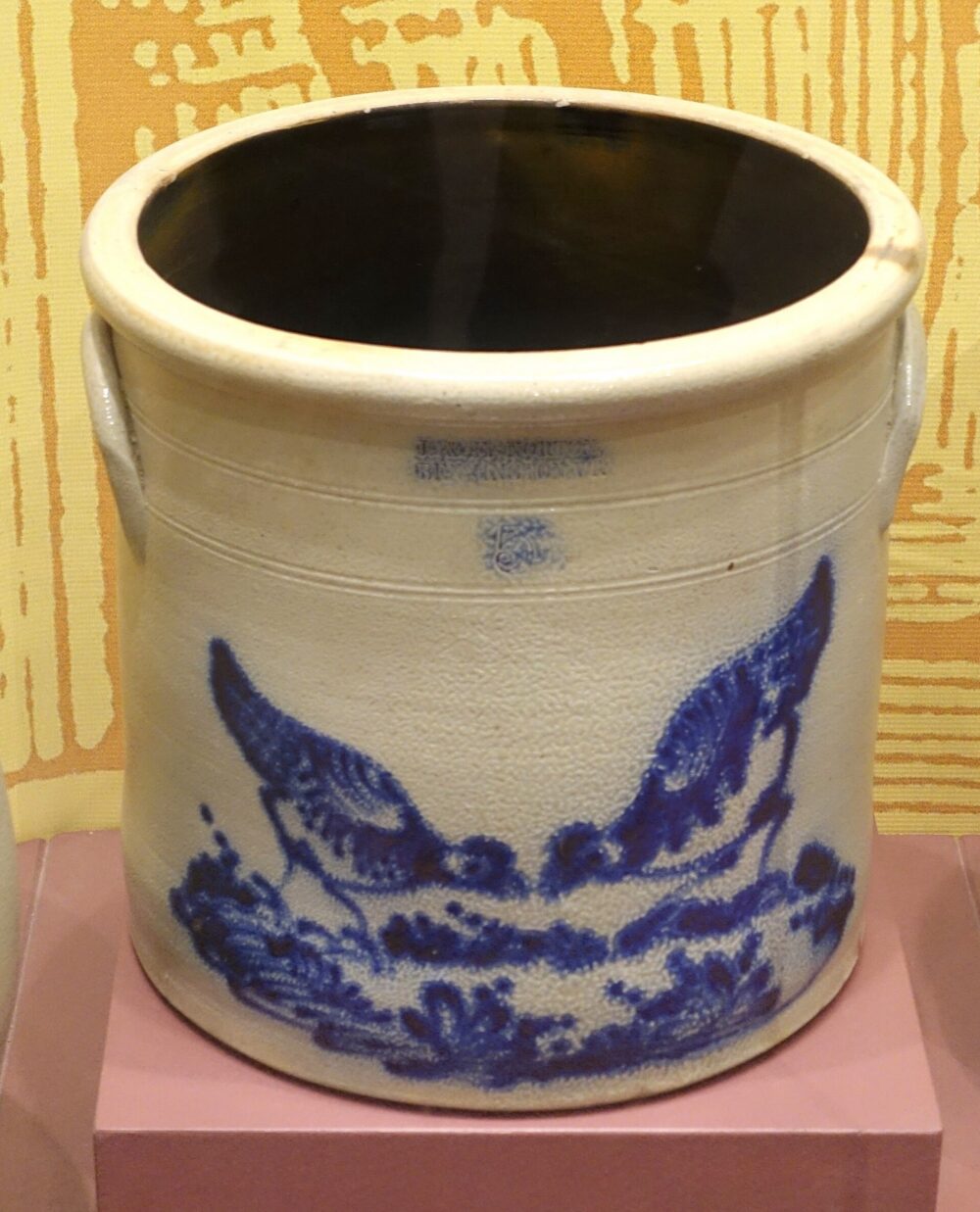
If you’re choosing between Longaberger pottery crocks and Longaberger-style alternatives, start by deciding whether the Longaberger name actually matters for your use. For collectors or buyers who care about brand history, you’ll want authentic stoneware with the Woven Traditions basketweave embossing and proper backstamp. For everyday kitchen use or low-cost shop inventory, a similar stoneware crock from a global marketplace like DHgate can be fine, as long as you accept that it’s not Longaberger and judge it purely on material, finish, and capacity.
Once you’ve made that call, compare crock options by size (from small ramekins and condiment crocks up through roughly 1‑pint pieces), open vs lidded forms, and glaze color or pattern. Auction sets and resale listings show that buyers describe Longaberger crocks by capacity, pattern name (such as Heritage Red or Cornflower), and condition, and those three factors are usually what drive both usability and resale appeal.
What Longaberger Pottery Crocks Are and How People Use Them
In Longaberger’s catalog, pottery crocks sit in the stoneware/tableware family that carries the same visual language as the brand’s baskets. The Woven Traditions line uses a basketweave-style embossing around the body, plus colored bands and glazes that match other Longaberger pieces. Collectors describe the pottery as stoneware that’s both display-worthy and practical for the table.
Longaberger’s own product pages feature examples like the Woven Traditions 1‑pint crock in Cornflower, a compact straight-sided vessel sized for kitchen and table use.Pottery Collection: Dinnerware & Bowls shows related bowls and serving pieces in the same style. Auction lots, such as grouped Longaberger crock sets on HiBid, often include small open crocks and lidded condiment crocks marketed as part of complete table settings.Longaberger Pottery Condiment Crocks With Lids
In everyday use, people reach for these crocks to hold sauces, dips, sugar, or side dishes. In resale or small ecommerce, they function as recognizable brand pieces that can anchor a Longaberger-themed shelf or bundle.
Key Crock Types, Sizes, and Patterns to Compare
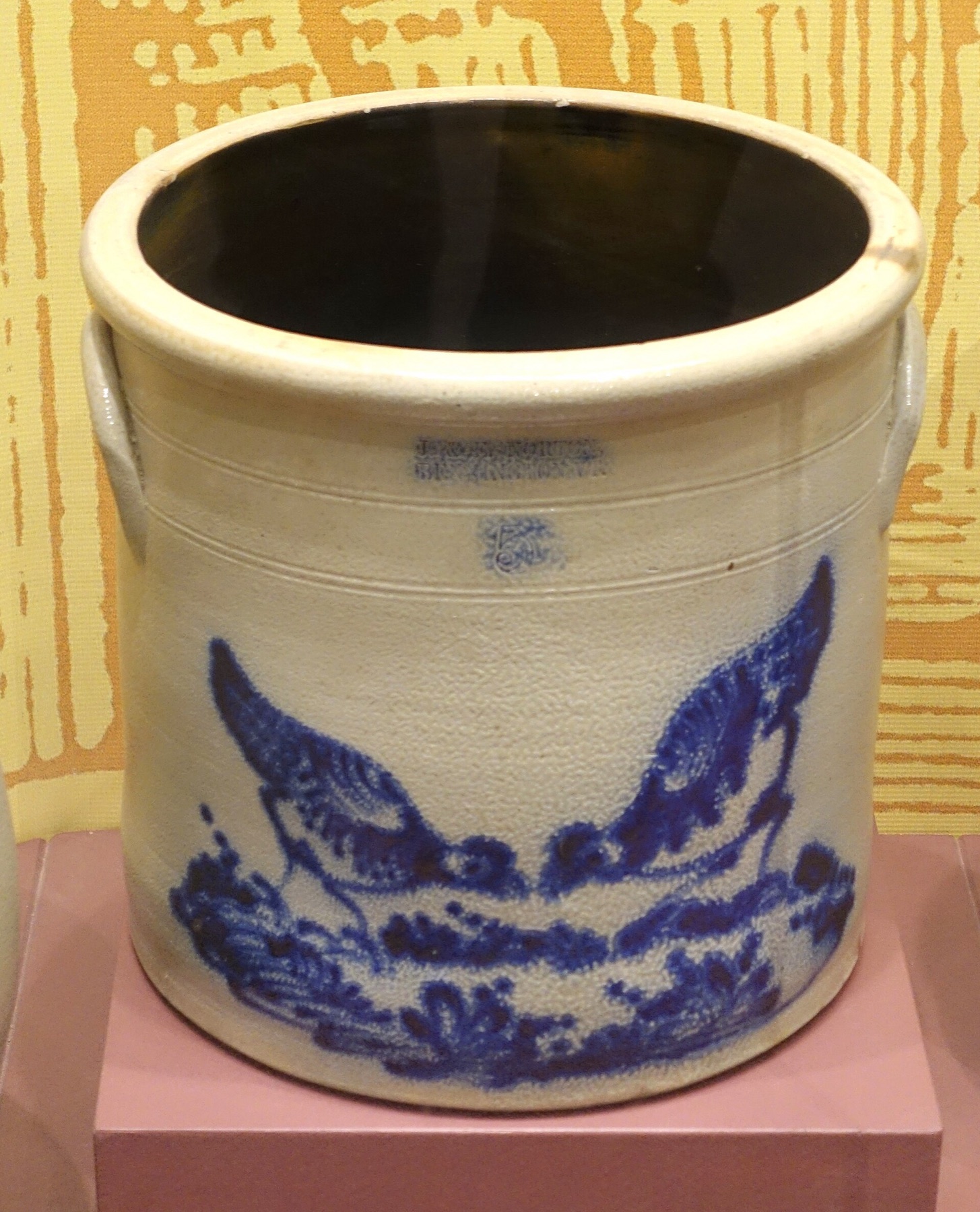
You won’t find a single official map of every Longaberger crock, but you can see the core types repeated in catalog and auction photos:
- Small ramekins / basketweave crocks – Individual-serving pieces, often described on resale platforms as ramekins or mini crocks with the Woven Traditions embossing. A Poshmark listing for a Heritage Red ramekin set calls them “basketweave crocks,” which is typical language for this size.Heritage Red ramekin listing
- Condiment crocks with lids – HiBid lots show multiples of these, each with a lid, marketed for condiments or sugar.Longaberger Pottery Condiment Crocks With Lids They’re useful if you need covered storage or want pieces that present well for resale.
- Open 1‑pint-style crocks – The Longaberger Woven Traditions 1‑pint crock is a common reference point for a medium-sized, straight-sided crock that can hold dips, beans, or small casseroles.Woven Traditions 1-pint crock
Patterns and colors matter almost as much as size, especially if you’re building matching sets. Longaberger used named glaze colors like Cornflower (a blue tone) and Heritage Red, and resale listings nearly always lead with those names alongside condition descriptors such as “EUC” (excellent used condition).Longaberger Woven Traditions Heritage Red ramekin listing
Here’s a quick way to think through options:
| Crock type | Typical use case | When it’s a good choice |
|---|---|---|
| Small ramekin / mini crock | Individual dips, custards, mise en place | Buyers who host often or resellers making 2‑pc sets |
| Lidded condiment crock | Sugar, relish, buffet condiments | Gift bundles and display-heavy resale setups |
| Open ~1‑pint crock | Side dishes, warm dips, oven-to-table | Home cooks and sellers offering “complete table” lots |
| Mixed crock sets at auction | Matching tableware groupings | Resellers wanting inventory in one purchase |
For home use, choose the form that matches how you cook and serve. For resale, prioritize recognizable shapes (ramekins and lidded crocks) in popular colors like Heritage Red or Cornflower, since those are easier for buyers to search and match.
Buying Criteria: Authentic Longaberger vs Similar Pottery from Global Marketplaces
The first big decision is whether you need authentic Longaberger-branded pottery or simply the look and function of a stoneware crock.
Authentic Longaberger pieces typically show:
- Woven Traditions basketweave embossing – A raised weave motif around the crock body that ties back to the brand’s baskets.Longaberger pottery history
- Backstamps or branding – Marks that identify Longaberger as the maker; collectors rely on these, along with pattern and shape, to sort genuine pottery from lookalikes.Longaberger pottery history
These cues are common but not foolproof; if value or rarity really matters, treat them as a starting point and consider consulting more specialized references or local expertise. For everyday buying decisions, they’re enough to separate clearly branded pieces from generic stoneware.
Condition also plays a big role. Marketplace and auction listings usually spell out chips, crazing, and use level and may highlight “EUC” for pieces that have seen minimal wear.Longaberger Pottery Crocks auction example If you’re sourcing stock for an ecommerce shop, decide up front whether you’ll accept light utensil marks or only near-mint pieces; that choice affects both buy cost and how wide a pool of listings you can consider.
If you don’t need the Longaberger name, you can expand to similar pottery:
- Global marketplaces like DHgate host broad ceramic and stoneware selections, including crock- and ramekin-style pieces without brand marks.Discovering artisan products on DHgate These are suitable when you just need durable stoneware in the right size and color, not collectibles.
- Because these are non‑branded, judge each listing on material description, glaze finish, capacity, and buyer photos rather than assuming anything about brand history.
A practical rule of thumb:
- Choose authentic Longaberger if you’re adding to an existing collection, staging Longaberger-focused decor, or running a store where the brand name drives traffic.
- Choose Longaberger-style, non‑branded crocks if you just want functional stoneware at a lower cost or you’re building generic farmhouse or cottage kitchen bundles where the visual feel matters more than the mark on the bottom.
If you do explore DHgate specifically, keep your evaluation centered on the seller and listing: verify the stated material (stoneware vs lightweight ceramic), check buyer images for color accuracy and finish, and decide whether the design language complements or clashes with any authentic Longaberger you already own.
For additional DHgate platform context, use Find trusted sellers on DHgate.
For buyers who plan cross-border imports, it’s worth reading a broader overview of what DHgate is and how the marketplace works and, if you eventually place orders there, using DHgateWiki’s order-readiness checklist before checkout to keep your decision focused on real listing details rather than assumptions about the platform.