

Most true vintage and antique animal traps are sold through collector‑friendly marketplaces and auctions—think Etsy, eBay, specialist dealers, and sites like Invaluable. DHgate can show up in searches for “vintage” traps, but it’s mainly relevant for modern or replica hardware, not for historically significant pieces. If you care about maker marks, original springs, and period‑correct design, you’ll do better on platforms that focus on secondhand goods and antiques and treat DHgate as a side option for functional, retro‑style traps rather than collectibles.
What Counts as a Vintage or Antique Animal Trap Today
For most buyers, a “vintage” trap means mid‑20th‑century hardware that shows real use and period manufacturing—common in farm, fur, and pest control history. “Antique” usually implies older, often pre‑1920 steel or cast‑iron traps that illustrate early animal‑capture methods and are now valued as historical objects rather than tools.
Collectors gravitate to recognizable makers: Victor, Oneida, Newhouse, and Blake & Lamb appear frequently in online listings. On marketplaces like Etsy, you’ll see phrases like “Victor animal trap” or “vintage Oneida Victor trap” used as primary search hooks, often paired with words like “cast iron” or “rustic decor.” Those same brands show up in curated dealer listings—for example, Antique Iron sells mixed lots of Oneida Victor and Blake & Lamb traps with detailed notes on construction and age, reinforcing that these pieces are treated as historical artifacts rather than generic hardware.
People seek these traps for three main reasons: to build brand‑specific collections, to decorate cabins or hunting rooms with authentic gear, or to study how trapping evolved. A smaller group still looks for older traps for light, legal field use, but that’s where condition and safety questions get more serious.

Trap Types, Conditions, and Listing Details That Matter
Online, you’ll see several recurring trap formats:
- Leg‑hold/foot‑hold traps: Classic spring jaws that clamp a limb. Vintage examples from Victor and Newhouse often have clearly stamped pans and heavy, riveted construction.
- Small game and vermin traps: Lighter, smaller versions built for muskrat, mink, or rats. These are common mixed lots on eBay and Etsy.
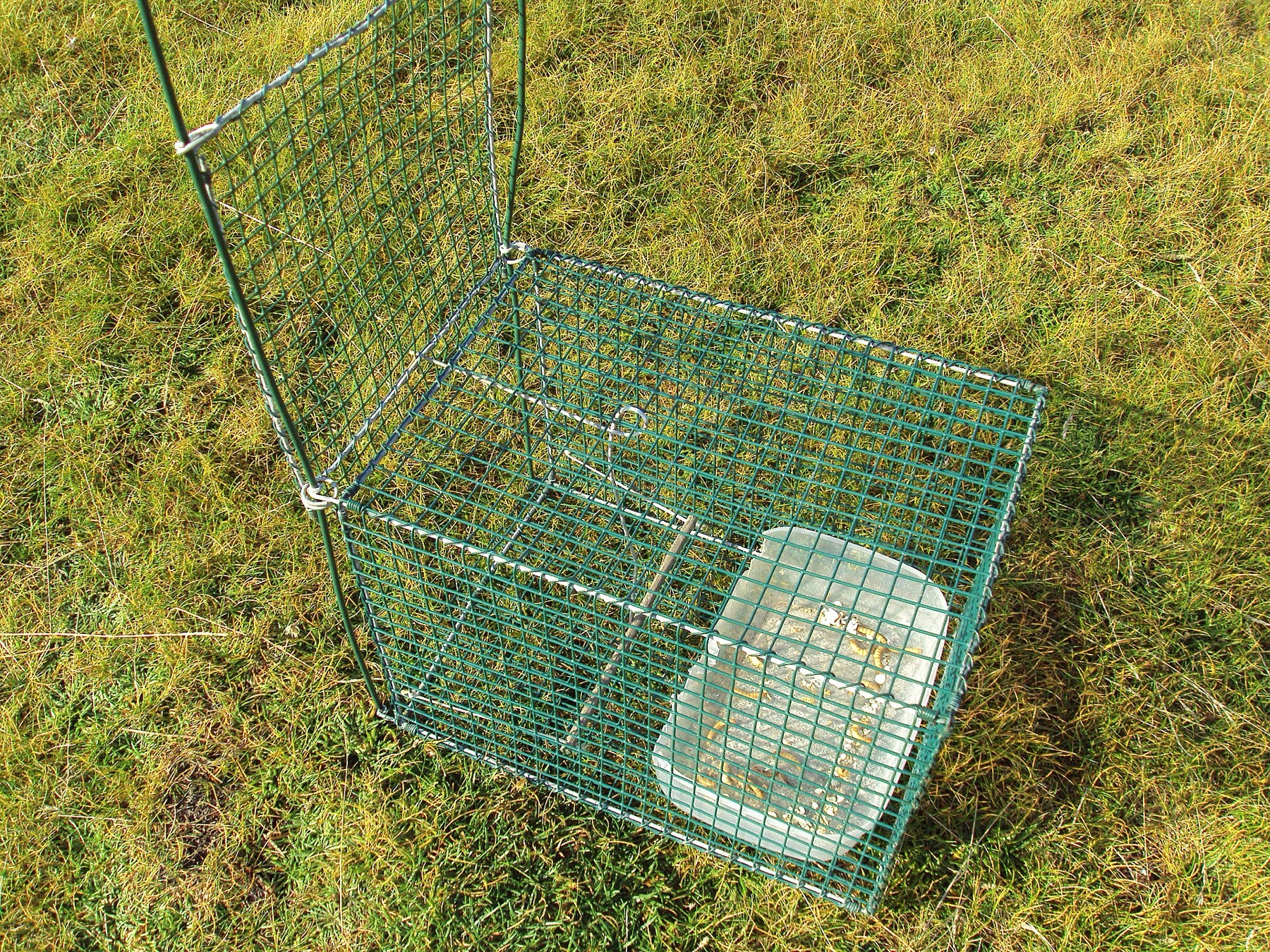
- Specialty or oddball designs: Snares, cage‑style live traps, and hybrid mechanisms occasionally show up in dealer catalogs and auction listings.
Condition is where value swings. Serious sellers describe:
- Finish and corrosion – Surface rust vs deep pitting, repaint vs original patina.
- Completeness – Chain, swivels, pan, dog, and springs all present, or missing parts.
- Functionality – Whether the trap still sets and fires, or is “for display only.”
Curated dealers like Antique Iron typically highlight brand, size, metal type (often cast iron), and visible wear so you can judge whether a piece fits your collection or staging needs.
On broader marketplaces, listing quality is mixed. Etsy tends to have better photography and more decorative framing (“rustic wall display,” “farmhouse decor”), while many eBay sellers lean on brand names and model numbers with quicker snapshots. In both cases, zoom in on maker marks and hardware details to distinguish true period traps from newer pieces that just look old.
DHgate deserves a separate mental bucket: you’re more likely to encounter modern leg‑hold or live traps described as “vintage style” than authentic Victor or Newhouse antiques. If you go that route for functional use or decor, read the listing text carefully for material, dimensions, and any mention of manufacturing date rather than assuming “vintage” means decades‑old.
Best Online Channels for Vintage Traps and How They Compare
For U.S. buyers, different channels fit different goals—single display pieces, serious collecting, or small‑batch resale. Here’s how they stack up.
| Channel type | Typical use case | Trap brands you’ll often see | Listing style & depth |
|---|---|---|---|
| Etsy | Decor + casual collecting | Victor, Oneida, Newhouse, Blake & Lamb | Lots of photos, decor‑oriented copy |
| eBay | Broader hunting/trapping audience | Same major brands plus misc. makers | Varies; more model/brand‑driven |
| Specialist dealers | Serious collectors, curated inventory | Well‑documented Victor/Oneida/Blake & Lamb lots | Detailed brand/size/condition notes |
| Auction platforms (e.g., Invaluable) | Rarer or higher‑value pieces | Select vintage traps, often grouped | Catalog descriptions, sale records |
| Used/classified aggregators | Opportunistic finds, local pick‑ups | Mixed, often unstated brands | Short, uneven descriptions |
Etsy and eBay. Both marketplaces host numerous vintage trap listings. Search phrases like “vintage animal trap,” “Victor animal trap,” or “vintage Newhouse trap” surface a range of items on Etsy, from decorative wall displays to intact, functional traps, often with maker marks visible in the photos (Etsy antique trap search, Victor trap examples). On eBay, dedicated sellers trading in “trap vintage” or “vintage trapping” stock multiple brands and sizes, useful if you’re trying to assemble inventory for resale.
Specialist dealers. Sites like Antique Iron cater to buyers who want less guesswork. Listings often bundle two or more traps and call out specific manufacturers, metal type, and condition, which helps collectors compare pieces by brand and era instead of scrolling through hundreds of mixed marketplace posts.
Auction platforms. On Invaluable’s vintage trap category, traps appear in cataloged sales—useful if you’re chasing rarer or higher‑value examples or want to see how similar items have sold over time. Availability is periodic, so this works best as a long‑term watch list rather than a quick purchase solution.
Used‑goods aggregators and classifieds. Aggregators like used.forsale’s old traps page pull in listings from various local and national classified sites. Description quality and authenticity confidence are more variable here; treat these as opportunistic sources where you might score a genuine old trap cheaply, but expect to do more legwork on verification and pickup.
For modern or replica traps, a China‑based marketplace like DHgate—described in more detail in our overview of how DHgate works—can be a way to source functional hardware at scale, especially if you’re stocking a small ecommerce shop that doesn’t require true antiques. In that scenario, focus on listing‑level details and basic seller checks rather than expecting the kind of brand‑historic information you’d get from a dealer or auction catalog. You can also use tools like the DHgate seller trust checklist and the order‑readiness checklist before placing larger orders.
If your goal is an authentic Victor or Newhouse trap with real age behind it, start with Etsy, eBay, dealers, and auctions, then keep classifieds on your radar for occasional scores. Treat DHgate and other cross‑border marketplaces as a separate lane focused on present‑day trap supply and reproduction pieces, not as your primary hunting ground for vintage hardware.