
You choose between upholstered wall panels and full wall upholstery by matching the structure to the job: panels give modular, mostly DIY coverage with rigid backing and padding, while full upholstery wraps the entire wall in fabric installed on site. From there, you narrow options by fabric type, thickness of padding, acoustic needs, fire awareness, and layout pattern. DHgate can be relevant if you want ready-made acoustic or soundproof panels in bulk, but it’s less useful if your project depends on custom wall fabrics and on-site upholstery.
What counts as upholstered wall panels vs. full wall upholstery?
Upholstered wall panels are usually built as a sandwich: a rigid backing (often wood or composite), a layer of padding, and a decorative fabric stretched over the face. Guides like JOTEX Fabrics’ panel overview describe them as a way to upgrade both the look and acoustics of a room without reconstructing the wall.
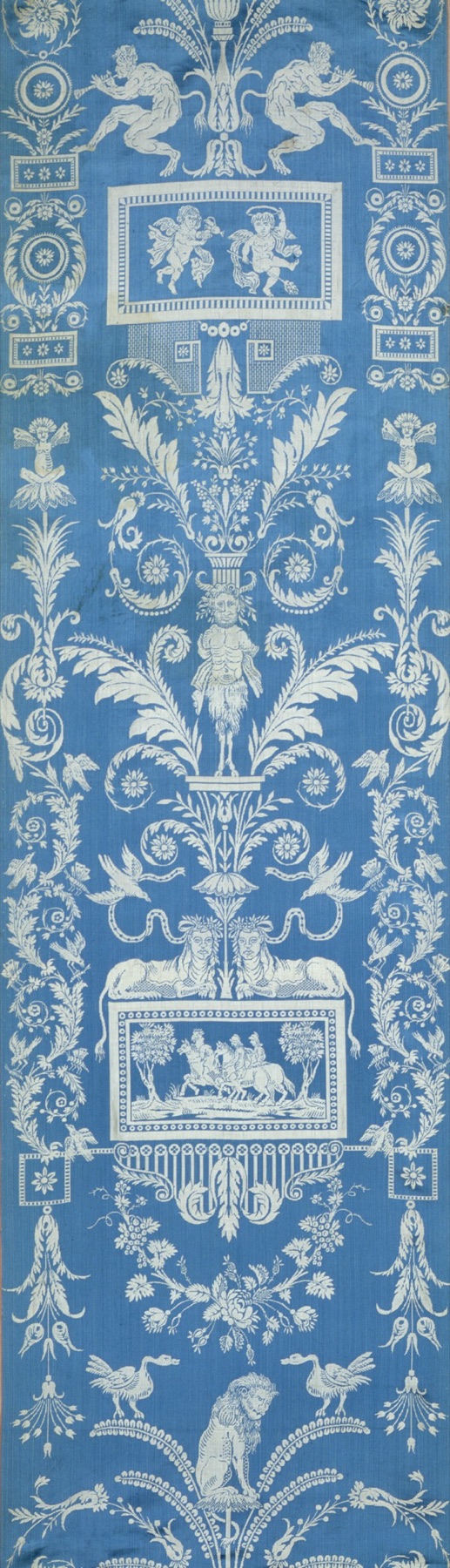
Full wall upholstery is different. Instead of attaching discrete panels, an installer treats the wall almost like a giant headboard, fixing battens or tracks, adding padding if needed, and stretching fabric across the entire surface. It’s common in high-end bedrooms, hotel corridors, and formal dining rooms where you want continuous fabric, fewer visible seams, and custom pattern placement.
In practice:
- Panel-based solutions work well for feature walls behind beds or sofas, home theaters, offices, and kids’ rooms where you want soft, protective surfaces.
- Full upholstery is better if the fabric is a central design element (large repeats, stripes), or you need to hide uneven walls and integrate trim and doors into the treatment.
Design-focused sites such as StramaPanels also stress the importance of choosing panel shape and color to match room function: square grids for formal spaces, vertical panels for height, or mixed shapes for playrooms.
Key choices: materials, performance, and layout options
Once you know which structure you’re aiming for, you need to get specific on materials and layout. Most of these decisions translate directly into what you should ask for in product specs or fabric samples.
Fabric and finish
For both panels and full upholstery, your core fabric choices are:
- Velvets and chenille upholstery fabrics – plush look and touch, popular for bedrooms and lounges.
- Plain-woven upholstery fabrics – more durable, often easier to clean, good for commercial and family spaces.
- Patterned decorative fabrics – used heavily in full wall upholstery when the pattern itself is the design.
Fabric-wrapped panels on sites like JOTEX Fabrics tend to use standard upholstery-weight materials. As a buyer, the simple filter is: if you’d use it confidently on a sofa, it’s usually appropriate for wall panels too.
Backing, padding, and touch
Padded wall panel products, such as those shown by DGFloors, highlight two selling points: decorative impact and a soft-touch or acoustic benefit. To get that:
- The backing needs to be rigid enough to mount securely.
- The padding should be thick enough to feel cushioned when leaned against.
For a home office feature wall, you might choose thinner padding, prioritizing a clean look. For a kids’ playroom or headboard-style installation, thicker padding makes accidental bumps safer and more comfortable.
Acoustic vs. purely decorative performance
Many upholstered panels provide some acoustic improvement simply because fabric and foam absorb sound better than painted drywall. However, they’re not all engineered acoustic products.
If your primary goal is sound control (podcast studio, home theater), look for panels described as acoustic or sound-absorbing and expect specs about foam type or structure. DHgate’s own blog on acoustical panels describes a mix of fabric-wrapped wall panels, acoustic foam panels, and wood acoustic panels in various thicknesses and shapes, presented as sound-control options for studios and theaters.
If you just want a softer, quieter feel in a bedroom or living room, standard padded wall panels like those from specialty interior brands are usually enough, and you can focus more on color, fabric texture, and touch.
Shapes, modular systems, and layout
Wall cushion systems such as PanelDesign24’s modular cushions are designed to be combined into larger patterns. Typical decisions:
- Shape: squares, rectangles, hexagons, or more sculptural 3D shapes.
- Size: small tiles create intricate patterns; larger tiles feel calmer and are faster to install.
- Pattern: aligned grid, offset brick, or mixed shapes in blocks.
Here’s a quick comparison of common options:
| Option type | Best for rooms | Pros | Trade-offs |
|---|---|---|---|
| Square/rectangular panels | Bedrooms, offices, hotel corridors | Simple layout, easy to measure and install | Can look rigid if not broken up |
| Modular wall cushions | Playrooms, creative studios | Mix-and-match colors and shapes; strong visuals | More planning, more individual pieces |
| Full wall upholstery | Formal dining, luxury suites | Continuous fabric, few visible joints | Needs skilled installation on site |
StramaPanels points out that color also plays a functional role: darker, calmer tones for bedrooms and focused workspaces; brighter or mixed colors for areas where energy and playfulness matter.
Where DHgate fits among sources for panels and upholstery
In the US, you essentially have three sourcing paths:
- Buy finished panels (decorative or acoustic) from specialist interior suppliers.
- Buy fabric and foam locally and build panels or full upholstery with a carpenter or upholsterer.
- Buy finished acoustic/soundproof panels cross-border, including marketplaces such as DHgate, then install them yourself.
DHgate’s editorial blog describes a broad range of wall-focused acoustic solutions: fabric-wrapped acoustic panels, foam panels in different shapes, and wood acoustic panels, plus separate articles on soundproof wall panels, soundproof foam, and mass-loaded vinyl panels. That puts DHgate in the third bucket above: a discovery place for ready-made acoustic or soundproof panels, particularly when you’re price-sensitive or buying multiple units.
There are some practical limits:
- DHgate’s strength, based on its blog, is acoustic and soundproof products, not bespoke wall upholstery fabrics or on-site installation systems.
- If you run a small ecommerce shop reselling panels, DHgate may be one of several marketplaces worth exploring alongside direct manufacturers, but you still need to verify materials, construction, and photos listing by listing.
If you decide DHgate might be relevant, it’s helpful to learn how the marketplace itself works from a buyer’s perspective. Guides such as What DHgate is and how the marketplace works and Find trusted sellers on DHgate cover platform dynamics and seller checks. Before placing a larger panel order, reviewing the DHgate order-readiness checklist can also keep surprises down.
If your project needs full fabric wall upholstery or tight coordination with on-site trades, DHgate probably won’t be the primary source; you’ll be better served by local or regional fabric houses and upholstery contractors. If you mainly want decorative or acoustic panels you can mount with basic tools, DHgate’s range sits alongside other online panel suppliers as one more channel to compare for styles and value.