
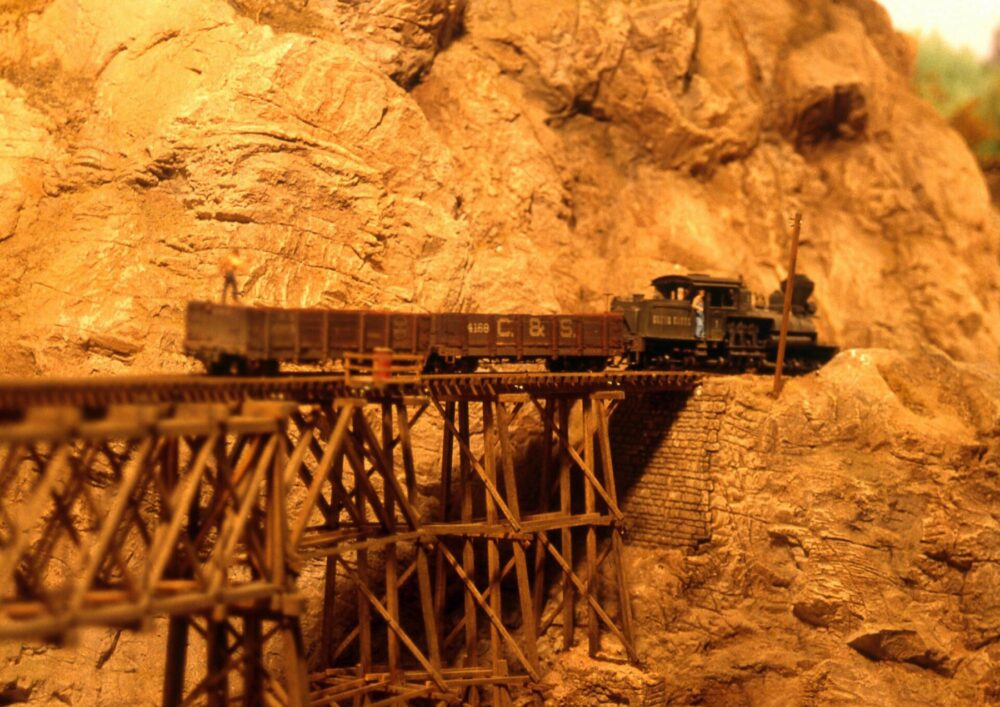
Choosing 009 (OO9) model railway options starts with compatibility, not aesthetics. Lock in the scale/gauge combo (4 mm scale stock on 9 mm track), then decide whether you want ready‑to‑run locos, simple body kits, or loose components. After that, compare what’s realistically available: specialist 009 retailers for curated stock, marketplaces like Etsy/eBay for unique bodies, and value‑driven platforms such as DHgate mainly for generic parts and tools rather than core 009 locomotives.
For Australian buyers and small ecommerce resellers, that sequence—compatibility → product type → sourcing channel—keeps you from ending up with beautiful but unusable models or stock that doesn’t suit your customers.
What 009 (OO9) Model Railways Are and Why Compatibility Comes First
009, often written as OO9 or 00-9, uses 4 mm scale (roughly 1:76, the same as standard OO) running on 9 mm gauge track, which is the width normally used for N‑gauge track.[OO9 overview] You’re effectively modelling narrow‑gauge railways in OO scale, using track and mechanisms derived from N gauge.
That mixed heritage is what drives your first big decision:
- Track – 9 mm gauge track (N gauge) from major brands is typically used as the physical rails.
- Chassis/mechanisms – Most 009 loco bodies and kits are designed to fit specific N‑gauge motor units. The shell is 4 mm scale; the running gear is N.
If those two elements don’t line up, the rest of your choice doesn’t matter. Model Railway Engineer’s 009 guide points out that loco bodies are usually engineered around particular N‑gauge mechanisms, so you can’t assume any motor will fit any body.[009 scale guide] Before you buy:
- Decide which N‑gauge track system you’ll use (straight and curved geometry affects layout design).
- Pick at least one compatible chassis or mechanism you can actually obtain in Australia.
- Only then shortlist 009 bodies, wagons, and kits that explicitly state compatibility with that mechanism and 9 mm track.
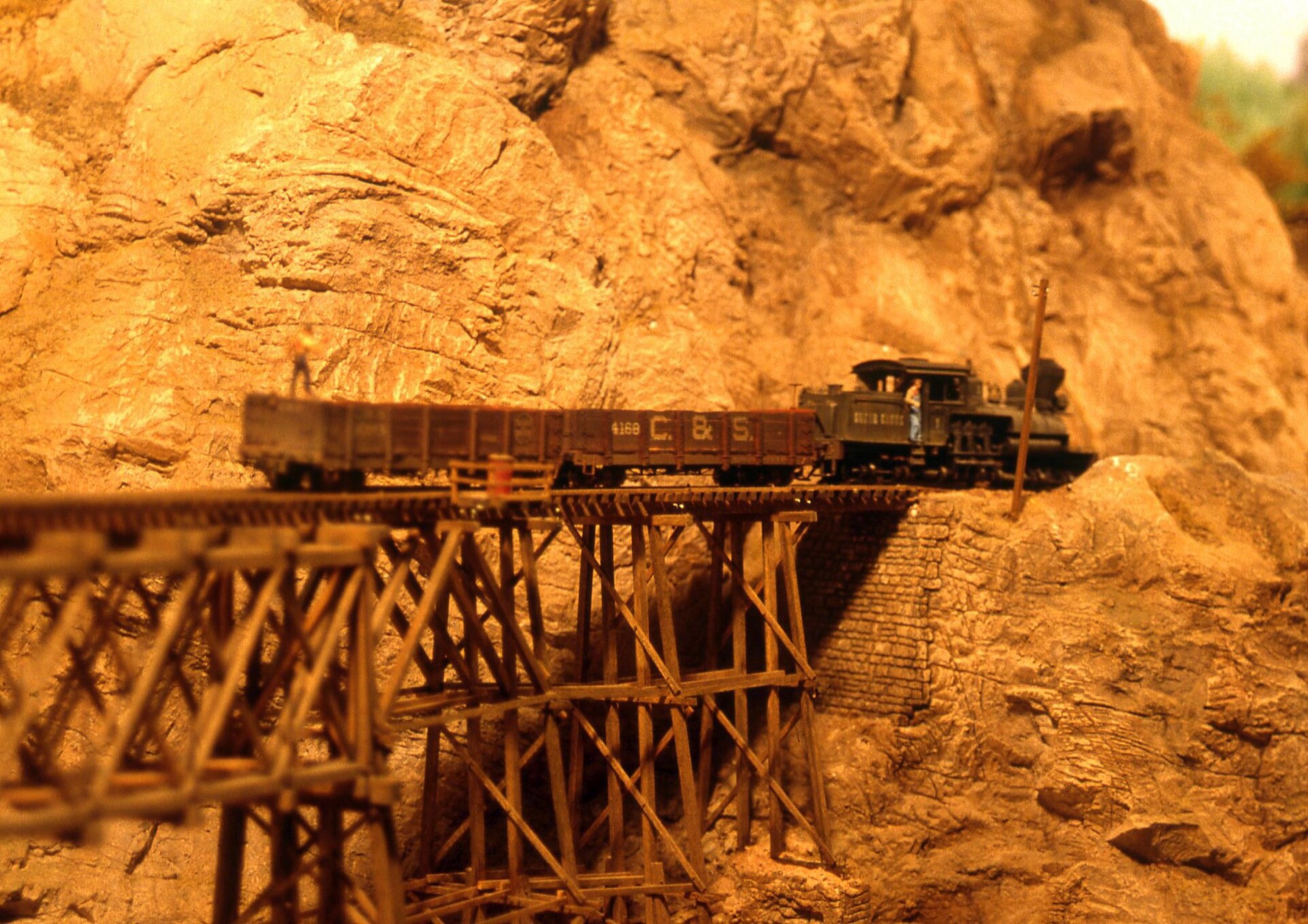
Types of 009 Kits and Components: Matching Products to Skill Level
009 offerings span several product types, and the right choice depends on whether you’re a hobbyist building one layout or a small business planning stock.
1. Ready‑to‑run 009 locomotives and stock
Specialist 009 retailers and some mainstream brands offer fully assembled locos, coaches, and wagons built to 4 mm scale on 9 mm track. These are aimed at buyers who want reliable running with minimal building.
Best fit:
- First‑time 009 buyers wanting to run trains quickly.
- Small resellers who need predictable, repeatable inventory instead of one‑off kits.
Trade‑off: Less unique; you’re limited to whatever liveries and prototypes manufacturers release.
2. Body kits designed for specific N‑gauge chassis
A large share of the interesting 009 market sits here. Body kits can be resin, plastic, or 3D‑printed shells created to fit a standard N‑gauge mechanism. For example, Etsy lists 009 tram bodies marketed as “fits Kato” N‑gauge chassis, including steam tram designs and fantasy‑inspired trams.[Etsy 009 examples]
Typical workflow:
- Buy the recommended N‑gauge chassis separately.
- Trim or lightly modify the chassis if the kit instructions require it.
- Attach the body, add details, then paint and weather.
Best fit:
- Intermediate hobbyists comfortable with cutting, gluing, and painting.
- Micro‑brands or Etsy sellers wanting unique locos based on a standard mechanism.
Key decision: Always check the listing text for the exact chassis model (e.g., a specific Kato motor unit). If you can’t source that chassis locally or via international mail, the kit becomes a paperweight.
3. Rolling stock kits and scenic components
You’ll also find 009 wagon kits, coach bodies, and lots of scenery elements that happen to match 009/OO scale—buildings, figures, trackside details.[009 scale guide] These can come from:
- Specialist 009 shops (narrow‑gauge wagons, slate wagons, small coaches).
- Etsy/eBay makers (3D‑printed bodies, cottage industries).
Best fit:
- Anyone, from beginner upward, since many wagon kits are simpler than locos.
- Small ecommerce businesses testing demand with low‑risk items like scenic details.
4. Scratch‑building parts
Scratch‑building draws on loose parts: wheels, couplers, etched brass, 3D‑printed components. These may be sold as general N‑gauge or OO‑scale items rather than 009‑labelled stock, but they can be combined for narrow‑gauge projects.
Best fit:
- Experienced modellers who are happy to cut plastic, solder, or design in CAD.
- Resellers specialising in parts rather than finished models.
Buying Factors and Where DHgate Sits Among 009 Channels
Once you know your track and chassis, and whether you want ready‑to‑run or kits, you can start comparing sourcing channels. The big split is between specialist 009 retailers and broad marketplaces.
High‑level technical references such as Everything Explained’s OO9 summary note that dedicated narrow‑gauge retailers focus their ranges tightly around compatible locos, rolling stock, and layouts, whereas general marketplaces mix 009‑relevant items into wider hobby categories.[OO9 explained] That’s exactly how the buying experience feels.
Here’s a practical comparison for Australian buyers and small resellers:
| Channel type | Typical 009 products | Strengths for buyers/resellers | Main limitations for 009 use |
|---|---|---|---|
| Specialist 009 retailers | Ready‑to‑run locos, wagons, curated body kits | Clear compatibility notes, focused narrow‑gauge range | Higher per‑unit prices; more UK/EU‑centric |
| Etsy / eBay | 3D‑printed bodies, tram shells, small-run kits | Unique designs, direct access to small makers | Compatibility varies; listings can be one‑off |
| DHgate | Generic tools, electronics, non‑specialist parts | Wide product range, competitive pricing for bulk[DHgate platform overview] | Not a primary source for specialist 009 stock |
How to weigh these factors
For personal layouts:
- Start with a specialist 009 shop for at least one ready‑to‑run train so you have a known‑good benchmark for how 009 should run.
- Use Etsy/eBay body kits to add personality once you’re comfortable matching chassis and shells.
- Bring in broad marketplaces mainly for tools (airbrushes, cutters, lighting) or generic scenery.
For small ecommerce businesses in Australia considering 009:
- Treat specialist 009 retailers as your reference catalogue: what counts as “standard” stock, and which prototypes seem to sell.
- Test demand locally with small, easily shipped items (wagons, scenic kits) sourced from narrow‑gauge shops or reliable Etsy makers.
- If you add DHgate to your mix, focus on generic accessories that support 009 modelling—cutting tools, storage boxes, possibly lighting—where scale specificity is less critical and value pricing matters.[DHgate platform overview] Don’t plan your core 009 range around DHgate unless you’ve independently confirmed a listing’s scale and gauge.
Across all channels, your anchor decision remains the same: does the product clearly state 4 mm/OO‑scale body proportions and 9 mm track compatibility, and, for loco kits, name a mechanism you can actually buy? If the listing doesn’t answer those two questions, move it out of your shortlist.
For additional DHgate platform context, use Review the DHgate order-readiness checklist.
For readers who decide DHgate deserves a closer look as a supplementary source, it’s worth understanding the marketplace structure first via What DHgate is and how the marketplace works, and, if you go further, using Find trusted sellers on DHgate alongside your own compatibility checks.