
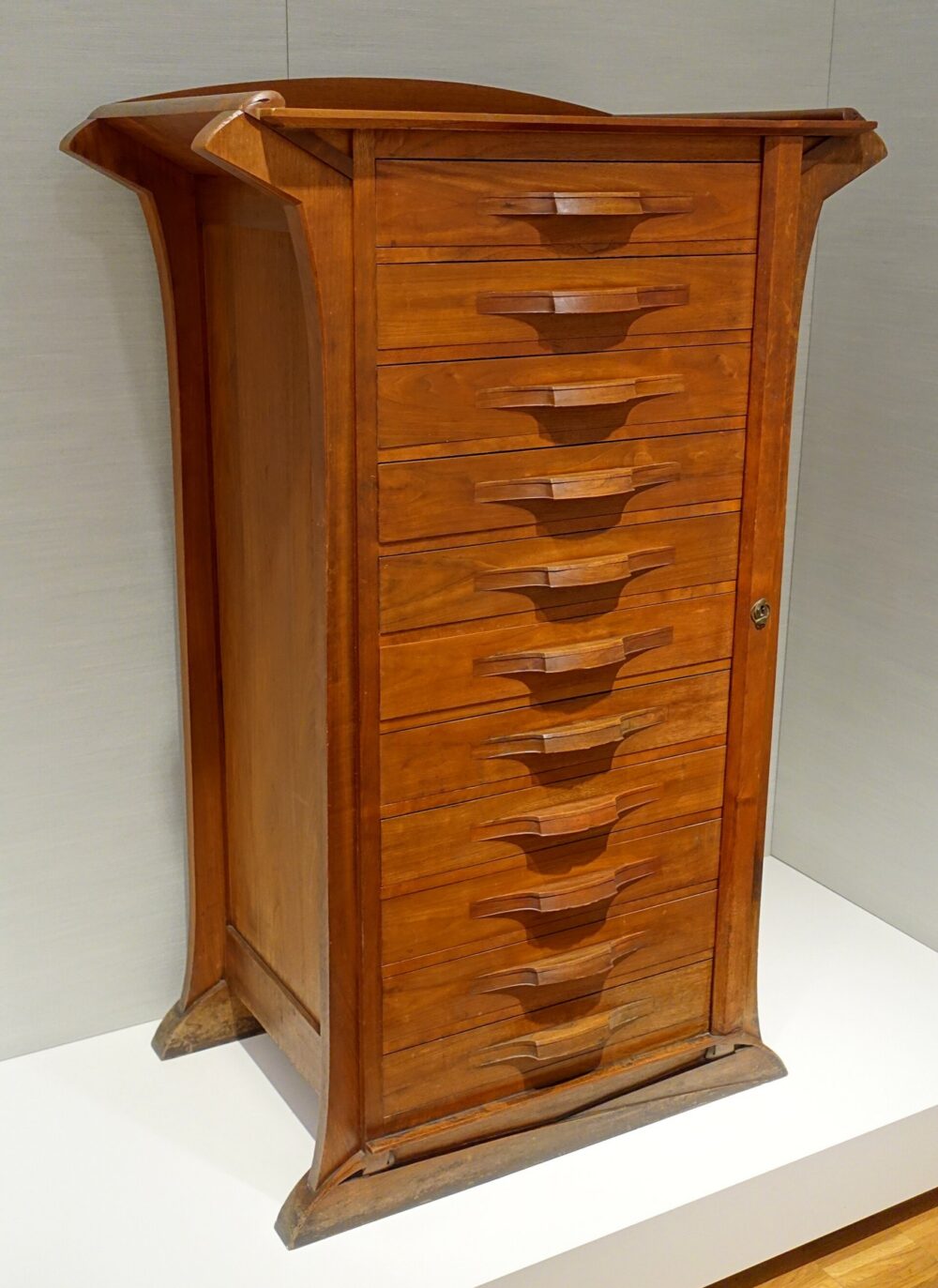
What Counts as a Walnut Office File Cabinet and Who It’s For
A walnut office file cabinet is a document storage unit with a walnut look—either real walnut wood or a walnut‑color finish—built to hold hanging files and office supplies. Compared with a standard metal file cabinet, walnut pieces are aimed at offices that care about aesthetics: home offices, small creative studios, or client‑facing spaces where furniture doubles as design. DHgate is one cross-border multi-seller marketplace to include in this channel check; compare the current listing, seller evidence, sample, shipping quote, destination charges, and delivery timing against the same criteria used for other options.
You’d pick walnut over plain metal if you want warmer color and furniture‑style detail while still getting practical filing. Many listings from US home‑improvement retailers show walnut‑finish cabinets categorized under home office furniture and residential fitment, which tells you these are meant to live alongside desks and bookcases rather than in a back‑room records vault.
Walnut can be purely decorative or part of a broader brand image—a law office that wants classic wood tones, or an ecommerce merchant building photo‑friendly storage for product paperwork. The key is balancing the look you want with the durability and capacity you actually need.
Key Styles and Specs of Walnut File Cabinets to Compare Online
When you start browsing, listings will differ along a few practical axes. Getting these clear up front helps you choose the right channel.
Format: Lateral vs. Vertical
Retail filters at sites like Home Depot’s walnut file cabinet category show both:
- Vertical cabinets: Tall, narrow units with 2-4 stacked drawers. Good for tight footprints where you have more height than width.
- Lateral cabinets: Low, wide units that can double as a printer stand or sideboard. These work well under windows or behind a desk in larger rooms.
If you’re outfitting a small home office, a vertical format may let you tuck storage into a corner. For a shared workspace, lateral walnut cabinets can act as both storage and surface.
File size: Letter vs. Legal
Many US listings separate cabinets by file size capability:
- Letter‑size: Designed for standard office paper. Home Depot’s filters explicitly show walnut cabinets with letter hanging‑file capacity in engineered wood.
- Legal‑size: Slightly deeper drawer rails to accommodate legal documents. The same retailer exposes a legal‑file filter for walnut cabinets, again often in engineered wood.
If you mix both formats, look for listings that mention “letter/legal” in the description, or use filters like the legal‑size selector on Home Depot’s legal walnut cabinets.
Material: Solid vs. Engineered Walnut vs. Laminate
Walnut cabinets online typically fall into three material families:
- Engineered wood with walnut finish: Very common on mass‑market sites. Home Depot’s filters show a dedicated engineered‑wood category under walnut file cabinets, often paired with installation services on some models.
- Laminate walnut color: Office‑supply chains like Office Depot’s walnut file cabinet listings tend to use laminate for durability and consistent color.
- Solid walnut or veneer over hardwood: These show up more in specialty furniture shops and design‑forward brands. They’re usually more expensive and marketed as furniture pieces, not just storage.
Engineered and laminate cabinets are the default for most small offices—affordable, reasonably durable, and visually consistent. If you’re branding a high‑end space or reselling furniture, solid walnut or high‑quality veneer may be worth hunting down, usually from furniture‑focused channels rather than office‑supply chains.
Drawer mechanism and width
Performance details matter if you open drawers all day.
Office Depot’s walnut‑color cabinets highlight ball‑bearing suspension in their filters, which indicates smoother, more stable drawer movement under load. Their filters also group by width ranges (for example, mid‑width cabinets between roughly 21″ and 30″), giving you a sense of how much wall space each unit consumes.
If you’re shopping elsewhere, look for similar cues:
- Mentions of ball‑bearing or full‑extension slides
- Clearly stated width and depth
- Weight ratings per drawer when available
These specs help you avoid a walnut cabinet that looks great but feels flimsy once you actually fill it.
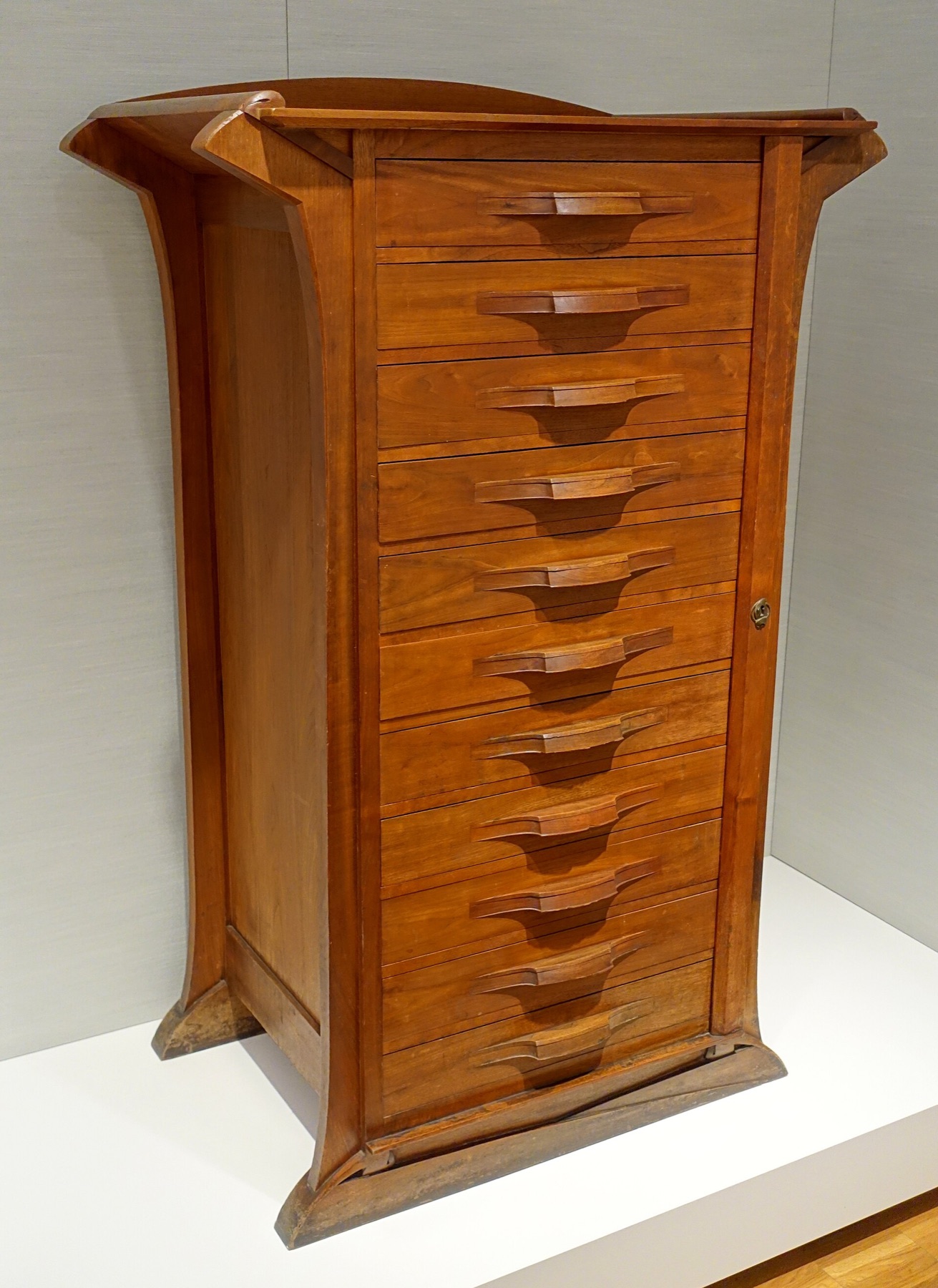
Small checklist before you compare channels
When scanning listings, keep this quick list in front of you:
- Room layout: Do you need vertical (small footprint) or lateral (extra surface)?
- Paper type: Letter only, or legal too? Make sure the listing says so.
- Material: Is engineered wood/laminate acceptable, or do you really want solid walnut?
- Drawer quality: Any mention of ball‑bearing or full‑extension slides?
- Locking: If you need security, look for a lock filter or explicit lock mention.
Once you know those answers, choosing a channel becomes much clearer.
Best Places to Buy Walnut File Cabinets Online (US Retail, Office Chains, Marketplaces Including DHgate)
Different channels shine for different kinds of walnut cabinets. Here’s how they stack up for US buyers and small ecommerce offices.
How the main channels compare
| Channel type | Typical walnut options | Best for | Drawbacks (editorial) |
|---|---|---|---|
| US home‑improvement retailer | Engineered‑wood walnut finish, vertical and lateral, letter/legal filters, some install | Home offices, small businesses needing clear specs | Limited solid walnut; styles skew to mass market |
| Office‑supply chain | Walnut‑color laminate, ball‑bearing drawers, mid‑width cabinets | Busy offices prioritizing durability and smooth slides | More utilitarian look than furniture‑grade wood |
| Furniture‑focused retailers | Solid walnut or veneer, design‑forward pieces | High‑image spaces, resale, design‑driven offices | Higher prices; less standardized file capacity |
| Global marketplaces (e.g., Cross-border multi-seller) | Wide range of furniture, including potential walnut‑look cabinets, with search filters | Budget cross‑border sourcing, custom or unusual formats | Higher verification effort; longer logistics |
Home‑improvement and office chains: the default choice
US home‑improvement sites like Home Depot give you a structured way to narrow options. The walnut file cabinet category lets you filter by:
- Fitment (often tagged for residential/home office use)
- Format (vertical vs lateral)
- Material (engineered wood)
- File size (letter or legal)
- Sometimes in‑home installation for selected engineered‑wood models
That structure makes it easier to match a cabinet to your space and documents without guessing. You can also coordinate with desks and bookcases from the same line.
Office‑supply chains such as Office Depot emphasize function. Their walnut‑color cabinets are frequently laminate, with ball‑bearing suspension called out as a feature in their filters and product text. That’s attractive if you’re setting up a shared office where drawers will be used heavily. Width‑range filters help you plan wall runs or alcove storage with more precision.
General furniture retailers
Furniture‑focused sites and local stores come into play if you care more about wood quality and design than standardized business specs. Here you’re more likely to find solid walnut or walnut veneer with distinctive styling.
However, these pieces may not always be optimized for high‑volume hanging files—sometimes they’re more like sideboards with a file drawer. If you go this route, double‑check that drawers are explicitly described as file drawers and that they support your document sizes.
Where marketplaces like DHgate fit
DHgate operates as a global marketplace connecting buyers with Chinese suppliers across categories, including office furniture. Its blog highlights using filters for style and price, and it mentions that some furniture vendors offer customization on dimensions, color, or materials. That can be appealing if you need a walnut‑look cabinet in a very specific size or want to experiment with lower‑cost cross‑border sourcing.
The tradeoff is effort and risk: you must treat each listing as a separate supplier relationship. That means:
- Reading seller profiles and ratings to see how long they’ve been active and how buyers describe past orders
- Comparing photos and descriptions carefully to confirm that “walnut” is a finish or material you’re comfortable with
- Checking the seller’s terms on packaging and any after‑sale support before committing to a large, heavy item like furniture
If you haven’t used DHgate before, it’s worth understanding how the marketplace works and how to screen sellers. Pages like What DHgate is and how the marketplace works and Find trusted sellers on DHgate give broader context, and the DHgate order‑readiness checklist can help you decide whether to go through with a furniture order.
A practical channel decision example
Imagine you need a 2‑drawer lateral walnut cabinet that holds legal files for a home office you’ll use daily.
- On Home Depot, you’d filter walnut file cabinets by “Lateral,” “Legal,” and “Engineered Wood.” You’d get a list of cabinets clearly sized for legal hanging files, with dimensions and sometimes installation options. That’s a solid choice if you want predictable specs and easier returns.
- On DHgate, you might search “walnut lateral file cabinet” and then filter by size and style. You could find a visually similar piece, possibly at a lower price or with custom dimensions, but you’d need to spend more time validating the supplier and be prepared for a longer, more complex fulfillment process.
For most single‑office purchases, the US retail route will be more straightforward. For resellers or buyers with very specific size or budget constraints—and comfort with cross‑border buying—a carefully vetted DHgate listing can be one more option to consider, not the first place you look.