
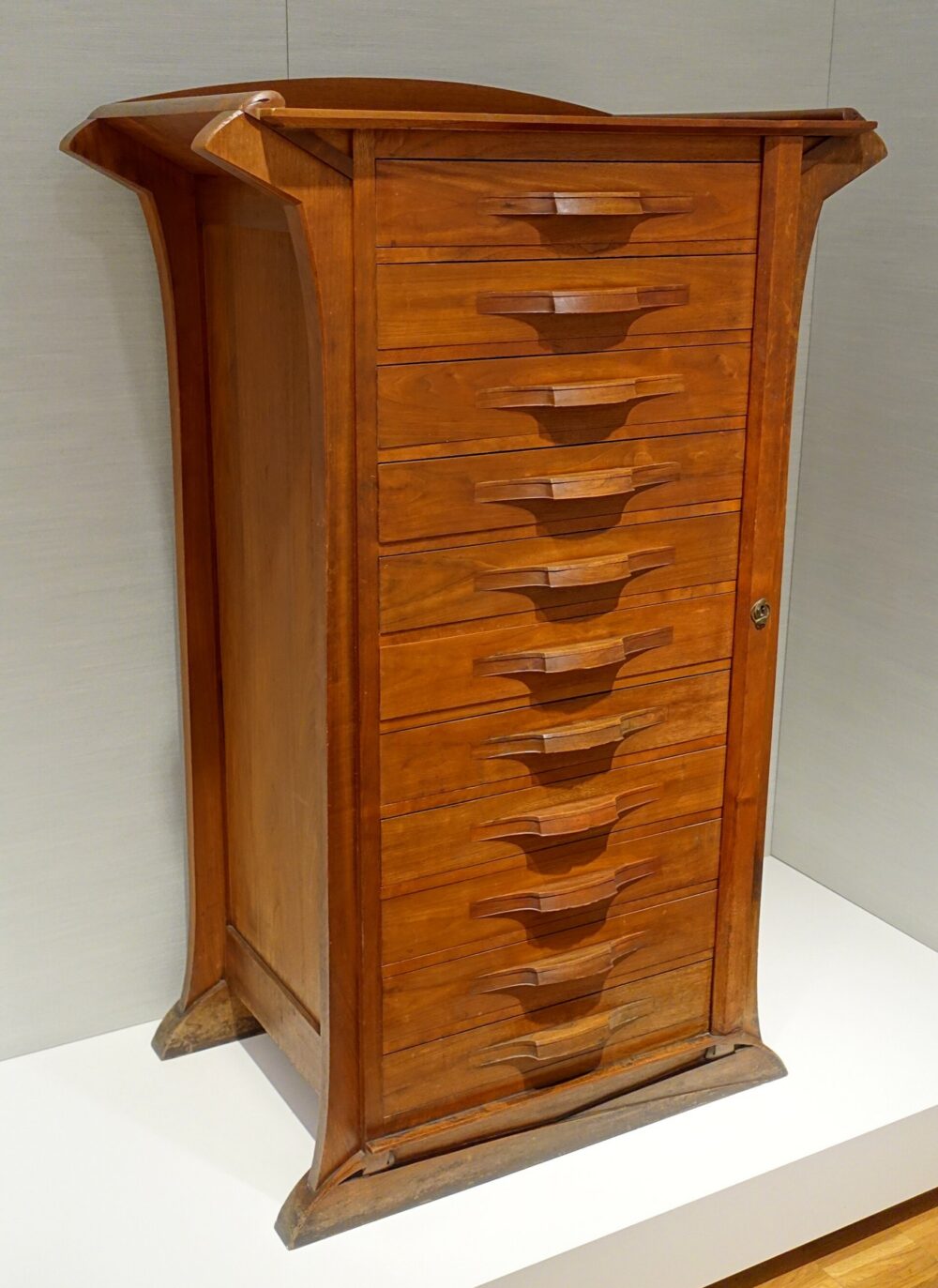
If you’re choosing a walnut office file cabinet, start by matching layout (vertical, lateral, or credenza), file size (letter vs legal), and capacity to the way you actually work. Then decide whether you want real walnut, engineered wood, or a walnut-look laminate, and compare listings from US retailers that let you filter by these specs alongside cross‑border marketplaces like DHgate only when the product details and buyer feedback look solid for your use case.
Many office furniture guides point out that the wrong cabinet format wastes floor space or won’t hold your documents comfortably. A bit of upfront planning will help you avoid that and keep walnut as a design upgrade rather than a headache.
What “Walnut Office File Cabinet” Really Means
“Walnut office file cabinet” covers a range of storage pieces that combine filing hardware with a walnut aesthetic:
- Traditional file cabinets with drawers on rails for hanging folders.
- Storage cabinets with mixed use – drawers plus shelves or doors – finished in walnut but still sized for files.
- Credenza-style units behind a desk that hide files in lateral drawers.
Many general buying guides highlight the same three functional questions for any file cabinet, and they apply directly here:
- File size – Are you storing letter-size, legal-size, or both? Some cabinets support both with adjustable rails; others are locked into one format.
- Capacity – Do you mostly keep current-year files handy or are you archiving several years? Capacity is limited by drawer width, depth, and count.
- Footprint – How much floor space do you actually have next to or behind your desk?
Guides such as the File Cabinet Buying Guide from Online Office Supplies stress how these basics affect day‑to‑day usability.
Walnut is usually chosen for appearance and perceived quality rather than pure utility. A solo home office might want a single walnut vertical cabinet that matches a desk. A small ecommerce team might need a wider walnut lateral or credenza that doubles as shared storage.
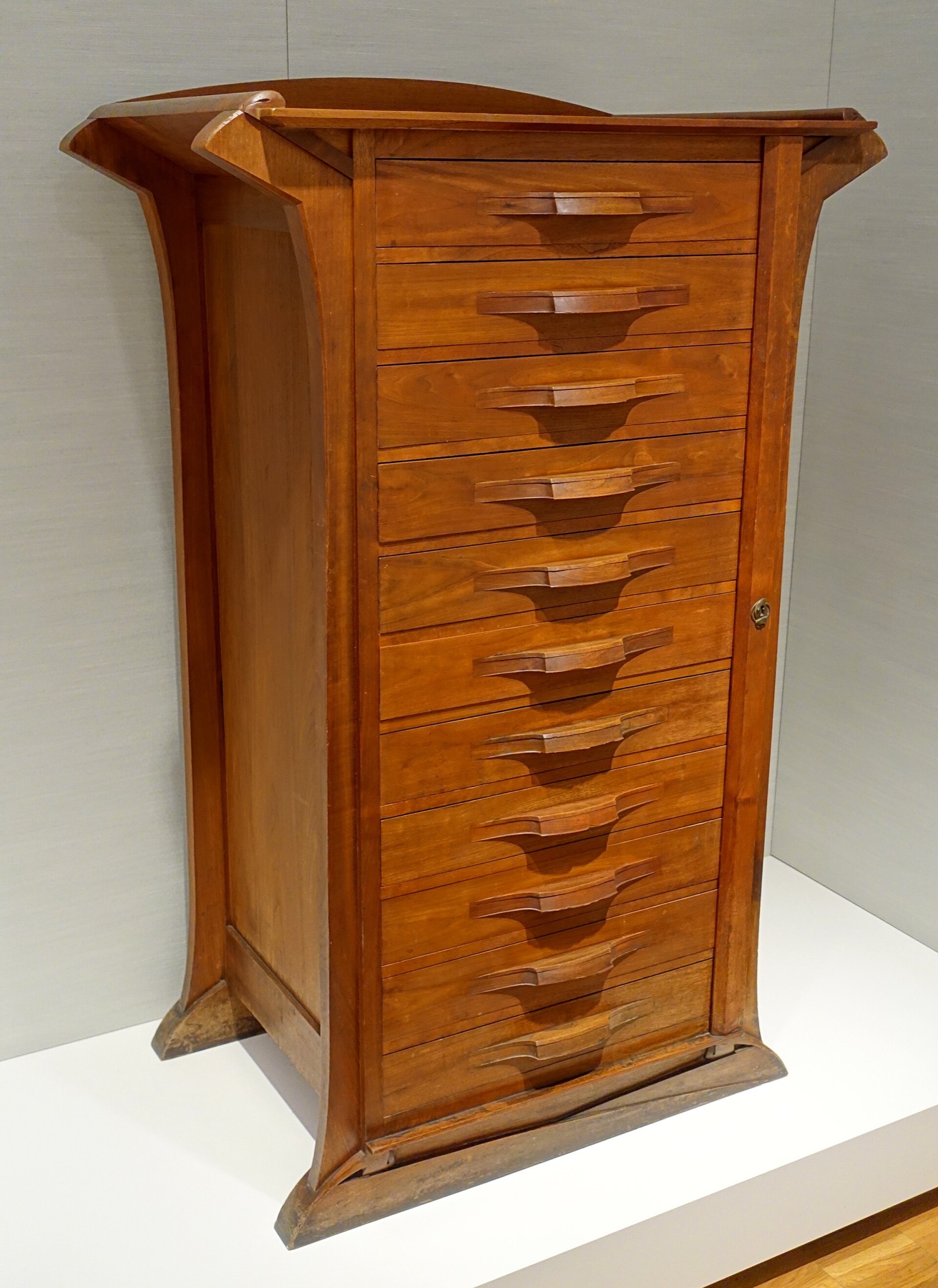
Key Walnut Cabinet Types and Specs to Compare
Most walnut cabinets you’ll see fall into three working formats. The big difference is how they use floor space and how you access files.
Layouts: Vertical vs Lateral vs Credenza
Many guides separate file cabinets into vertical and lateral, with credenzas as a hybrid. Here’s a compact comparison, focusing on how each behaves in a US office:
| Cabinet type | Orientation & access | Typical footprint use | Best fit scenario |
|---|---|---|---|
| Vertical | Drawers face you; folders run front to back | Deeper front-to-back, narrower width | Solo office, tight wall space, moderate file volume |
| Lateral | Drawers face you; folders run side to side | Wider left-to-right, shallower depth | Small team, shared files, wall space but limited depth |
| Credenza | Often lateral drawers plus cupboards under a top | Wide and shallow, doubles as surface | Behind desk, executive office, mixed storage + display |
Many vertical cabinets are designed to be tucked beside a desk; their smaller width makes them easier in narrow rooms but the deeper body means you need clearance to open drawers fully. Lateral and credenza-style cabinets, by contrast, are wider but often shallower, fitting nicely along a wall or behind a workstation.
On walnut-specific listings from US chains like Home Depot and Office Depot, you’ll see vertical, lateral, and credenza cabinets offered side by side, sometimes with filters for “File Cabinet Width Range” or similar so you can match your floorplan.
File sizes, drawer depth, and locking options
Across buying guides and retailer filters, three specs tend to matter most:
- Letter vs legal: Retailers often tag walnut cabinets as “Letter,” “Legal,” or mixed. If you have contracts or government forms on legal paper, make sure at least one drawer supports legal-size hanging rails.
- Drawer depth and hardware: Many modern cabinets, including walnut-finished models, advertise ball-bearing slides for smoother, quieter opening. Office Depot’s walnut category highlights ball-bearing suspension as a feature filter, which can be a proxy for overall hardware quality.
- Locks: Some walnut cabinets are purely decorative; others include one or more locking drawers. Home Depot’s filters let you narrow to “Locking” file cabinets, which is helpful if you handle sensitive customer data.
For a small ecommerce business that keeps tax records and customer paperwork, a walnut lateral with two deep locking drawers on ball-bearing slides and legal-size support is often more practical than a narrow decorative vertical.
Buying Walnut Cabinets: Materials, Quality Signals, and When DHgate Belongs on Your List
Once you’ve nailed the layout and size, your next choice is what “walnut” actually means in materials.
Solid walnut vs engineered wood vs laminate
Looking at walnut file cabinets on major US platforms like Home Depot and Office Depot, you’ll see three broad construction styles:
- Solid wood (including real walnut components): Higher cost, richer grain, can be refinished. Often heavier and feels more like furniture than office equipment.
- Engineered wood with walnut veneer: A composite core with a real-wood or high-quality veneer. This is common in mid-priced office furniture – better stability than solid in some climates, good look without full solid-wood cost.
- Walnut-look laminate: Printed or textured laminate over a particleboard or MDF core. These are usually the most budget-friendly and appear heavily in filtered “walnut” categories.
For a home office, engineered wood or veneer walnut is often a sweet spot between appearance and durability. For a high-traffic shared office or where spills are likely, a tough laminate might actually be the lower-risk choice even if the grain is less natural.
Hardware and functional quality signals
Beyond the wood itself, pay attention to:
- Slide type – Ball-bearing slides show up as a highlighted feature in Office Depot’s walnut file cabinets. They typically outlast basic friction slides and feel smoother when drawers are heavily loaded.
- Weight capacity hints – While retailers don’t always state precise load ratings, deeper drawers designed for legal files and multiple rows usually indicate higher capacity than shallow decorative drawers.
- Lock implementation – A single lock that secures all drawers is more practical for confidential files than individual locks.
You can cross-check these signals in general guides like the File Cabinet Buying Guide from Online Office Supplies, which stresses matching capacity and hardware to your filing habits.
How DHgate fits alongside US platforms
DHgate’s editorial content describes the marketplace as a large cross-border source for office supplies, including office furniture and cabinet styles, with varied finishes aimed at durability and design variety. It also highlights using buyer reviews and ratings to make more informed decisions.
For walnut office file cabinets specifically:
- DHgate makes more sense if you’re flexible on exact design, willing to consider cabinet-style furniture from overseas suppliers, and comfortable spending extra time reading listing photos, material descriptions (solid vs veneer vs laminate), and buyer feedback.
- US-focused retailers are often simpler when you need clear filters for “Walnut,” “Engineered Wood,” “Letter/Legal,” and “Locking” in one catalog, plus easier matching with desks and other office furniture.
A practical approach is:
- Use filtered domestic catalogs to define your spec – type (vertical/lateral/credenza), file size, material family, lock, and hardware.
- If price, style variety, or bulk availability remain issues, treat DHgate as a secondary discovery channel, searching for cabinet-style furniture that matches those specs and then judging each supplier by product details and reviews.
For additional DHgate platform context, use Review the DHgate order-readiness checklist.
If you do push into cross-border sourcing for office furniture, it can help to read general DHgate platform primers such as what DHgate is and how the marketplace works and the guide on finding trusted sellers on DHgate, so your walnut cabinet project sits on top of a clear marketplace strategy rather than trial and error.