
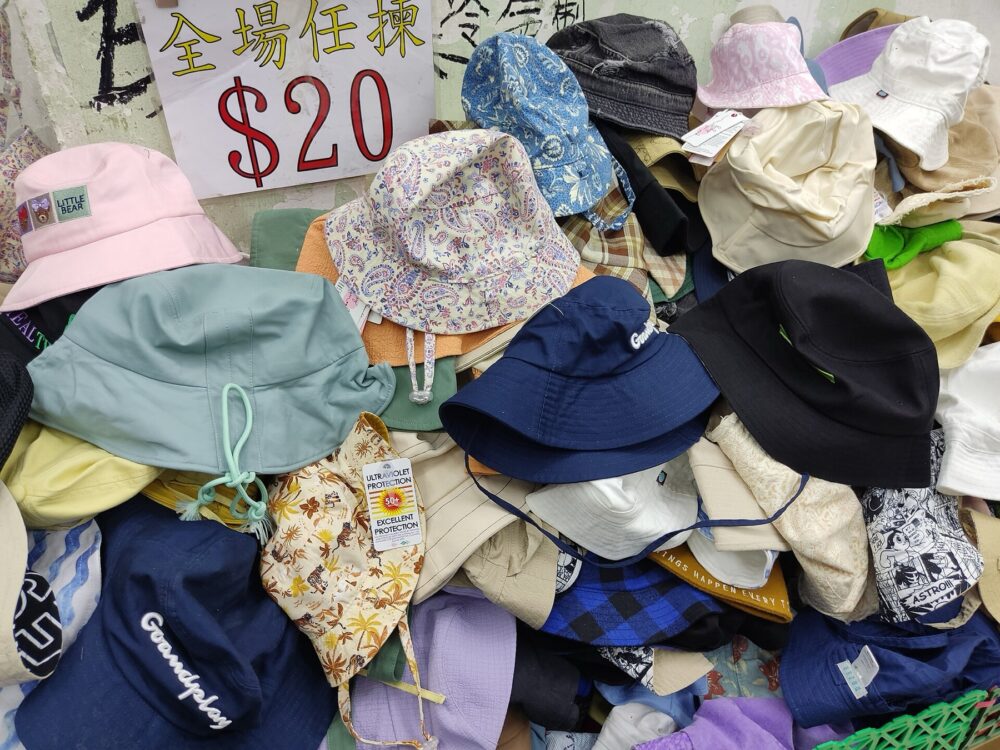
If you search DHgate for “vintage stone hats,” you’ll mostly find vintage-inspired or replica pieces, not guaranteed one-of-a-kind historic hats. You can still use DHgate to source stone-embellished caps, retro-style bucket hats, or Stone Island–style designs for personal use or a small shop, but you’ll need to lean heavily on seller ratings, reviews, real photos, and samples. If you’re chasing truly aged, collectible hats, a specialist vintage marketplace is usually a better primary channel.
What Buyers Mean by “Vintage Stone Hats” and What DHgate Actually Offers
Most buyers using this phrase mean one of three things:
- Vintage-style hats with stone embellishments – e.g., felt fedoras or wool caps with decorative stones or studs.
- Retro hats referencing Stone Island or similar labels – often modern replicas using older logo or color-block designs.
- Actual vintage hats that happen to have “stone” in the brand or design name – usually 10-30+ years old, often collectible.
DHgate is structured as a large global marketplace for clothing and fashion accessories, with many suppliers making or distributing hats for boutiques and resellers. Editorial guidance from DHgate’s own blog highlights that buyers can find vintage apparel and fashion accessories alongside other categories, but it does not promise specific inventory like stone-embellished hats or authentic Stone Island vintage stock.
In practical terms, expect DHgate to offer:
- New, vintage-inspired hats: distressed denim caps, retro patches, faux-aged logos.
- Customizable hats: OEM factories that will add stones, embroidery, or patches to basic hat blanks.
- Replica designer-style caps: especially for popular streetwear labels, with highly variable quality.
Key Buying Factors: Materials, Build, and Seller Signals for Cross-Border Hat Sourcing
Because DHgate aggregates many independent suppliers, quality and honesty vary. For hats that need to look and feel convincingly vintage-style, focus on both physical details and marketplace signals.
Hat materials and construction details
For US buyers and small boutiques, these are the practical cues:
- Base fabric: Wool, felt, cotton twill, and good-quality polyester blends usually give a more solid vintage-style hand feel than thin, shiny synthetics.
- Lining and sweatband: Look for listings that show an interior photo. A proper fabric or leather sweatband, not just raw edge stitching, tends to hold shape better and feel closer to older hat construction.
- Stone or stud attachment: Zoom in on photos to see whether stones are sewn, riveted, or simply glued. Glued embellishments on thin fabric are more likely to fall off in transit or with wear.
- Stitching and edge finishing: Uneven brim stitching, loose threads, or misaligned panels in the photos usually indicate mass-produced, low QC pieces. DHgate’s own fashion-apparel guidance stresses checking stitch quality as a proxy for overall workmanship.
For boutique sourcing, also think about consistency: if you want ten hats that all feel similar, you’ll care less about a romantic “vintage” story and more about whether the same factory is clearly producing the whole run.
DHgate-specific seller signals you can actually use
DHgate’s editorial guides for boutique sourcing and ecommerce recommend several concrete tools and behaviors:
- Seller ratings and satisfaction scores: Higher-rated sellers with a visible transaction history tend to be a safer starting point for niche accessories. Treat low ratings or very few transactions as a sign to dig deeper.
- Customer reviews and photos: Reviews that mention craftsmanship, material feel, and comfort are more useful than generic “nice hat” feedback. For hats, look for comments about shape holding up, color accuracy, and any peeling stones or logos.
- Direct messaging: The artisan-products guide encourages buyers to ask sellers about product history, methods, and customization. For vintage-style stone hats, you can ask:
- What is the base material and lining?
- Are stones sewn, riveted, or glued?
- Do you offer color or logo customization on the same model?
- Is this a new product, or is any part truly vintage stock?
If a seller responds quickly and with specific answers (e.g., “cotton twill, riveted stones, black only, new production”), that’s a better sign than vague, copy-paste replies.
For extra context on how to judge sellers more broadly on DHgate, you can also read independent advice like Find trusted sellers on DHgate.
Quick comparison of hat types you’ll likely see
Use this as a lens when you evaluate listings:
| Hat type | Typical on DHgate? | Pros for buyers/boutiques | Key risks to watch |
|---|---|---|---|
| Vintage-style stone-embellished caps | Yes, as new production | Custom looks, consistent stock for small shops | Stones falling off, thin fabric, generic fit |
| Replica Stone Island–style caps | Yes, from various sellers | Trendy aesthetic, low unit costs | Brand authenticity and legal risk; QC varies widely |
| Truly old, one-off vintage hats | Rare / uncertain | Unique pieces, collector appeal | Age claims may be false; limited or no repeat stock |
This table isn’t a promise of inventory, but it reflects how DHgate’s categories and supplier base usually translate for “vintage stone hat” searches.
Step-by-Step: Using DHgate to Search, Filter, and Test Vintage-Style Stone Hat Suppliers
1. Start with specific search terms
On DHgate, try multiple targeted queries instead of one vague phrase:
- “vintage stone cap” or “stone studded cap”
- “retro logo baseball hat” or “old school streetwear cap”
- “Stone Island style hat” if you’re specifically chasing that aesthetic (while staying aware of replica issues)
Switch between Hats & Caps and broader Fashion Accessories categories to see variations.
2. Use filters to narrow to workable options
DHgate’s ecommerce sourcing guides recommend leveraging filters and search tools to cut noise. Within your hat results:
- Filter by price range that fits your budget for samples or stock.
- Sort by best rating or orders to surface listings with more history.
- If available, filter by material keyword (e.g., wool, cotton) in the search box.
You’re aiming for a shortlist of 5-10 listings that plausibly match your style and budget.
3. Inspect seller pages and reviews in detail
Click into each promising listing, then:
- Open the seller storefront to see how long they’ve been active and whether hats are a core category or just a random add-on.
- Read buyer reviews for any mention of:
- Hat shape collapsing or arriving crushed.
- Stones or logos peeling off.
- Colors looking cheap or different from photos.
High ratings plus specific, positive feedback on craftsmanship matter more than total order volume for niche hats.
4. Message sellers before you order
For each top candidate, send a short, specific message such as:
I’m a US buyer looking to test these hats for my shop. Can you confirm the fabric, lining, and how the stones are attached? Are all units new production, or is anything truly vintage stock?
This echoes DHgate’s own advice to ask about product methods and customization. You can also request real, unedited photos of the hat, including close-ups of embellishments and interior labels.
If a seller won’t answer clear questions, treat that as a red flag and move to the next option.
5. Order samples, then stress-test them
Following DHgate’s boutique and ecommerce guides, treat samples as mandatory for cross-border hat sourcing:
- Order 1-3 hats from your best 2-3 sellers.
- On arrival, check:
- Fabric weight and feel compared with photos.
- Stone attachment (try gently flexing the fabric).
- Stitching consistency and interior finish.
Wear or handle them a bit, then decide whether they’re good enough for your audience. If you’re stocking a small ecommerce shop, this step is your real quality control.
For a structured pre-checkout review across any DHgate product type, you can also use the DHgate order-readiness checklist.
6. Decide if DHgate is your main source or a side channel
After samples, you’ll know whether:**
- DHgate hats give you the look and margin you want (good fabric, secure stones, workable unit cost). In that case, you can negotiate price and minimums with your chosen seller and slowly scale orders.
- Or the pieces feel like cheap costume accessories that won’t satisfy collectors or higher-end vintage customers.
If you need truly historic or branded vintage hats, you’re usually better off treating DHgate as a side source for filler inventory and leaning instead on platforms like eBay and Etsy, plus niche vintage sites and local shops, where age and provenance are more central to the listing.
For a broader explanation of how DHgate works and where it fits in the marketplace ecosystem, see What DHgate is and how the marketplace works. That context helps you decide how much of your vintage-style hat budget should really go through DHgate versus other channels.