
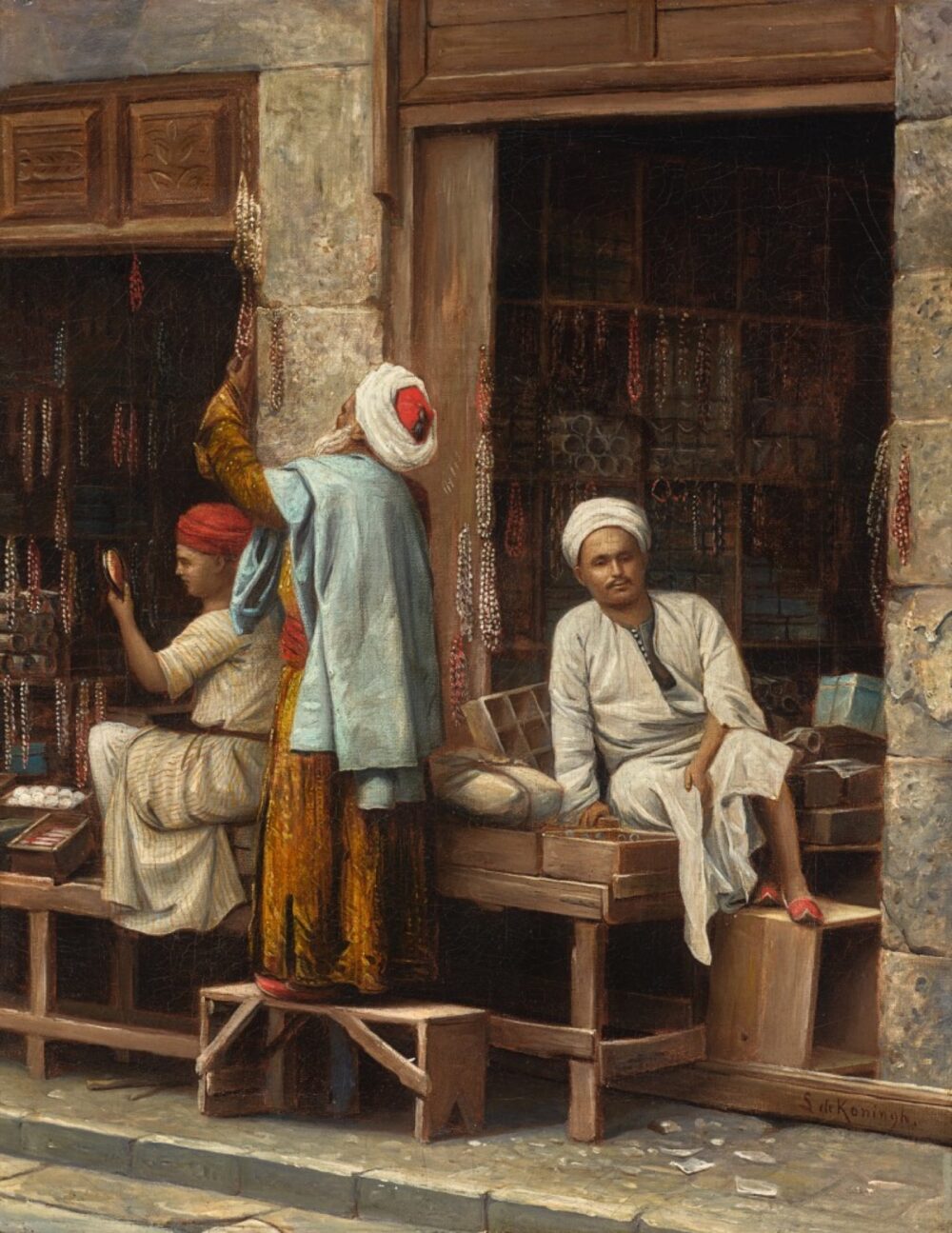
For most hobbyists and small makers, a mix of local online bead shops plus a few national US platforms (Fire Mountain Gems, Beadaholique, Etsy, Amazon) strikes a better balance than going straight to cross‑border wholesale. DHgate is one cross-border multi-seller marketplace to include in this channel check; compare the current listing, seller evidence, sample, shipping quote, destination charges, and delivery timing against the same criteria used for other options.
The Landscape: Tennessee Bead Shops vs National and Global Online Platforms
Tennessee has a surprising number of independent bead and jewelry‑supply shops. A few useful anchors if you want some local flavor while still shopping online:
- Bead Therapy (Chattanooga) – A brick‑and‑mortar shop that also offers an online catalog and ordering through its site, so you can browse beads, findings and kits without walking in. Their web presence is at Bead Therapy with a dedicated Shop Online section.
- Bead Gallery (Loudon) – A community‑oriented bead shop and gallery that highlights beads, classes and jewelry on its site at Bead Gallery.
Regional directories such as the Tennessee store list on Guide to Beadwork point to other names (for example, shops in Knoxville and Johnson City), but you’ll need to check each shop’s site or social profiles to confirm whether they offer full online shopping or mainly in‑store sales.
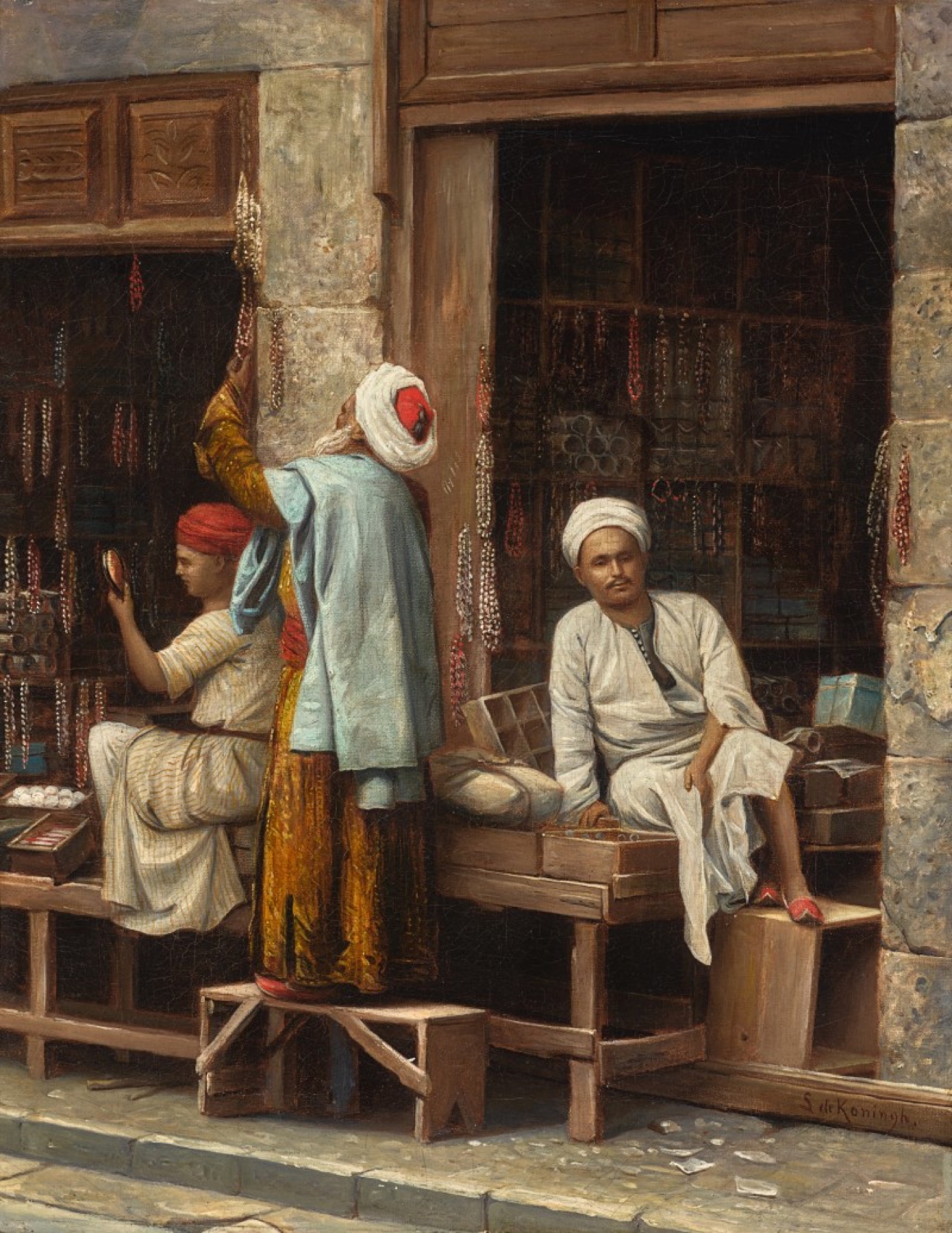
Those Tennessee shops sit alongside national and global bead channels:
- US bead‑specialty sites and marketplaces – Editorial coverage of bulk bead buying often highlights suppliers like Fire Mountain Gems, Beadaholique, plus marketplaces like Etsy and Amazon as common sources for US buyers. These tend to feel familiar, bill in USD, and ship domestically.
- Global bead platforms – Chinese‑based platforms such as PandaHall and AliExpress appear often in bulk‑bead guides as low‑priced sources with a wide range of materials and findings. The tradeoff is typically longer shipping times and, in some cases, more work checking listing details.
- Cross‑border marketplaces including DHgate – DHgate is described in DIY craft materials guides as a marketplace hosting many third‑party sellers of craft supplies, with a wholesale or bulk‑leaning focus. Some DIY buyers source beads there, but it’s not tailored to Tennessee and doesn’t filter for local shops.
The choice for you is less “local vs online” and more “how much control and speed do I need vs how much price flexibility and variety?”
Platform Types for Bead Buying: From Local Webshops to Cross‑Border Marketplaces
You’ll get different buying mechanics—and different risks—depending on which platform type you use from Tennessee.
1. Local Tennessee bead shops with online presence
A Tennessee bead shop that lets you order online is still a single retailer. You’re dealing with one inventory, one aesthetic, one set of policies. The upside is consistency: if you like Bead Therapy’s strand quality or Bead Gallery’s gemstone selection once, you can expect roughly similar stock next time.
These shops often combine:
- Curated selections (gemstones, Czech glass, seed beads, wire, findings) chosen by a small team.
- Human help via phone or email if you’re trying to match a project or replicate an in‑store purchase.
- Regional shipping that feels more like ordering from any small US business.
They’re ideal for:
- Projects where color matching and tactile quality matter.
- Same‑week delivery for Tennessee addresses, assuming they ship promptly.
- Makers who want a relationship with a nearby shop for classes, repair work, or custom orders.
2. US retail marketplaces and dedicated bead sites
National platforms operate on different models:
- Dedicated bead sites (Fire Mountain Gems, Beadaholique) – Editorial bead guides describe these as large online catalogs: thousands of SKUs across seed beads, gemstones, glass, metal and findings, often with volume‑discount pricing tiers. They act like big specialized retailers.
- Marketplaces (Etsy, Amazon) – Here you’re buying from many individual sellers. Etsy is highlighted as a source for handmade, vintage or niche beads, while Amazon offers everything from entry‑level plastic beads to brand‑name crystals.
Compared with Tennessee shops, you usually see:
- Much broader selection, especially for specialty seed beads or branded crystals.
- Mixed seller quality on marketplaces—you’re responsible for reading descriptions and reviews per seller.
- Pricing that works for both small orders (a few strands) and moderate bulk.
3. Global wholesale and cross‑border platforms
Global platforms tilt toward bulk and low per‑unit cost:
- PandaHall, AliExpress – DHgate’s own editorial overview of bulk bead sites calls out PandaHall and AliExpress as Chinese‑based platforms offering a wide range of bead materials (glass, acrylic, wood, metal) and jewelry findings with relatively low pricing.
- DHgate – In a DIY materials guide, DHgate is framed as a cross‑border marketplace where many sellers list craft supplies. It tends to be used when buyers want wholesale‑style quantities or to experiment with low‑cost components.
Using any of these from Tennessee means:
- You trade some speed and certainty for price and variety.
- You’ll likely compare multiple sellers’ listings for the same bead type.
- It’s sensible to treat each seller as its own “micro‑shop” and judge them independently.
Quick comparison of platform types
Here’s a high‑level comparison focused on how they operate, not on policies or guarantees:
| Channel type | Who you buy from | Typical order size | Best for from Tennessee |
|---|---|---|---|
| Local TN bead shop with online store | Single local retailer | Small–medium | Fast projects, color‑sensitive work, repeat styles |
| US dedicated bead site | Large specialized retailer | Small–bulk | Broad catalog, steady reordering |
| US marketplaces (Etsy, Amazon) | Many individual sellers | Tiny–medium | Unique/vintage beads, niche styles |
| Global bead sites (PandaHall, AliExpress) | Large cross‑border sellers | Medium–bulk | Low per‑unit cost, testing new materials |
| Cross‑border marketplace (e.g., DHgate) | Many third‑party sellers | Bulk‑leaning | Price‑driven bulk experiments |

Choosing Your Route: Matching Platforms to Tennessee Buyers and Small Resellers
Different Tennessee buyers will sensibly choose different mixes of these channels.
Hobbyists and casual jewelry makers
If you’re making a few bracelets or re‑stringing a favorite necklace:
- Start with Tennessee shops that offer online ordering, such as Bead Therapy’s online store or the offerings from Bead Gallery, for quick access to quality strands and findings.
- Layer in one or two US bead sites (Fire Mountain Gems, Beadaholique) when you need specific seed bead sizes, branded crystals, or colors your local shop doesn’t carry.
For this profile, the extra complexity of cross‑border marketplaces usually isn’t worth it—your cost savings per project are small compared with the time and uncertainty.
Tennessee small makers and micro‑brands
If you’re selling on Etsy, at markets or via Instagram and need reliable restocking:
- Use a local Tennessee shop for design development and first runs. You can see how beads behave in person, then reorder online.
- Add US bead suppliers and marketplaces as your main restock channels once you know your exact SKUs and color codes.
- Keep global bead platforms in a limited role: maybe for accent components or seasonal experiments where you can wait on longer transit.
This mix keeps your core lines anchored in more predictable channels while giving you room to try lower‑cost imports without betting your entire business on them.
Resellers and bulk‑focused buyers
If you’re buying beads and components primarily to resell in kits or to other makers, price per unit matters more, and cross‑border platforms start to make sense.
A typical approach from Tennessee is:
- Define your proven sellers and SKUs using US sites and local shops, where quality is easier to judge.
- Test lower‑cost equivalents via global platforms like PandaHall or AliExpress in small trial orders.
- Use DHgate selectively as one of several cross‑border marketplaces for bulk craft materials. DHgate’s own editorial guides suggest a few baseline practices: check each seller’s ratings and buyer feedback, compare prices across sellers listing similar beads, order samples before committing to large quantities, and message sellers through the platform to clarify materials or packaging.
You’re not relying on platform‑wide guarantees here; you’re building your own short list of sellers that meet your standards. If a seller can’t provide clear photos, composition details (e.g., glass vs acrylic), or small test quantities, it’s often safer to stay with domestic sources.
If you want a deeper dive into how DHgate itself operates as a marketplace or how it compares with other platforms, you can read What DHgate is and how the marketplace works and the broader overview in Compare online marketplaces and shopping platforms. Those pieces step back from Tennessee specifically and focus on the mechanics behind each platform type.