
Start from the drinks you actually serve (or drink at home), then choose boba cups, lids, straws, and carry bags that fit those volumes and how the drink travels. Most shops build around 16oz, 24oz, and sometimes 32oz cups; wide straws and leak‑resistant lids are non‑negotiable if you use tapioca pearls or other chunky toppings. DHgate can be relevant mainly for bulk, themed, or custom-printed carry bags, while U.S. restaurant‑supply channels tend to be stronger for food‑service cups, sealing film, and standard boba straws.
If you’re a small bubble‑tea shop, a home seller, or just a serious boba fan, the sections below walk through the main accessory types and what actually matters when you pick them.
What Counts as Boba Tea Accessories and Bags?
For boba, “accessories and bags” mostly means the hardware and packaging around your drink:
- Cups – clear plastic or paper cups sized for milk tea, fruit tea, smoothies, and toppings. Boba-focused supply guides treat cups as core equipment alongside shakers and seals.
- Lids and sealing film – either domed lids with a straw hole or flat film you heat‑seal onto the cup. These control leaks and let you stack drinks.
- Straws – extra‑wide, often pointed at one end so you can punch through a seal. Their diameter has to match your pearls and jellies so they don’t clog.
- Carry bags and carriers – anything that holds one or more cups for takeout or delivery: simple plastic sleeves, multi‑cup paper bags, insulated delivery totes, or themed gift bags.
Home drinkers may only need a few reusable cups and straws; small ecommerce brands that ship DIY kits or sell takeaway drinks care more about presentation and bag strength. Packaging blogs aimed at bubble‑tea operators specifically call out carriers and delivery bags as part of the overall experience, because a great drink in a flimsy bag still feels cheap.
Choosing Cup, Lid, Straw and Bag Types for Your Drinks
The easiest way to stop buying mismatched supplies is to anchor everything to your drink sizes.
Match cup volume to your menu
Industry guides and size charts show most boba shops clustering around three main sizes:
| Typical cup size | Often labeled | Best for |
|---|---|---|
| 16oz | Medium | Standard milk tea, fruit tea with pearls or one topping |
| 24oz | Large | Heavier toppings, iced drinks with lots of ice, smoothies |
| 32oz | Mega | Shareable drinks, extreme toppings, or value-focused promos |
| 8-12oz | Small | Kids’ portions, hot teas, or tasting flights |
If your signature drink is loaded with pearls and jelly, a 16oz might feel cramped; going to 24oz gives you headroom without overfilling. Smaller sizes show up less often but can help control costs or offer hot tea without a giant cup.
Choose cup material and lid style for leak resistance
Restaurant‑supply blogs highlight two main decisions: cup material and lid type.
- Cold boba, classic look: Clear PET or PP plastic cups with sealing film or tight snap‑on lids. Film seals are popular in shops because they resist spills and let staff stack cups for delivery.
- Hot or warm drinks: Double‑wall paper cups or heavier paper, with secure paper or plastic lids. Thin plastic cups can warp with heat.
- Carbonated or shaken fruit teas: Go for sturdier cups and lids designed to stay on during shaking; flimsy lids pop off.
Leak risk usually lives at two points: the lid seal and the straw opening. If you use snap lids instead of film, make sure they stay on when the cup is squeezed and carried in a bag with other items.
Pick straws that actually fit your toppings
Boba ingredient guides point out that texture is a big part of the experience: pearls, jelly, popping boba. That has direct consequences:
- Wide straws for pearls: Standard boba straws are noticeably wider than soda straws so tapioca spheres can pass through easily.
- Pointed tips: Many shop straws are diagonally cut at one end so they can pierce sealing film without cracking it.
- Match straw diameter to speciality toppings: If you love chunky aloe or large grass jelly cubes, you may need even wider straws; for fine fruit bits, standard boba width is fine.
Buying generic “bubble tea straws” without checking size can leave you with a frustrating clog in a drink you otherwise nailed.
Decide what kind of bag you actually need
Bubble‑tea packaging overviews call out several bag scenarios:
- Simple takeaway bag for one drink: Thin plastic sleeve or paper bag. Works for walk‑in customers who drink quickly, but offers little insulation.
- Multi‑cup carriers: Divider bags or cardboard carriers that keep cups upright so lids don’t pop off. Good for group orders.
- Delivery bags with insulation: Thicker, sometimes foil‑lined bags that help keep ice from melting and hot drinks warm during transit.
- Gift or goodie bags: Printed paper or plastic bags used to package DIY kits, party favors, or promo drinks.
For a U.S. shop doing a lot of delivery, insulated multi‑cup bags and carriers matter more than fancy printing. For a small ecommerce business selling boba kits, the bag is part of the branding: you might prioritize print quality, custom logos, and tissue inserts over insulation.
Quick sustainability check
If you care about waste, you have a few levers:
- Offer or include reusable cups and straws for loyal customers or kit buyers.
- Favor paper bags or cloth/shopper bags for carry‑out over thin single‑use plastic where local regulations or your brand ethos push that way.
- Use fewer layers: a sturdy multi‑cup bag can replace separate sleeves and an outer bag.
Where to Buy Boba Packaging and When DHgate Belongs in the Mix
Once you know the specs you need, you can decide where each piece should come from.
U.S. restaurant‑supply and packaging channels usually shine for the food‑service basics: cup sizes tuned for boba, sealing machines and film, standard wide straws, and takeout carriers. Their blogs and catalogs tend to explain which cup materials and lids match hot vs. cold drinks and leakage risk, which is helpful if you’re setting up a shop from scratch.
For carry bags and gift-style packaging, your options broaden:
- Domestic packaging vendors and print shops for branded paper bags or boxes.
- General ecommerce sites for off‑the‑shelf party bags and small totes.
- Cross‑border marketplaces such as DHgate when you prioritize variety, themes, or price.
DHgate’s own editorial on shopper and gift bags describes a very wide range of cloth, cotton, canvas, and party bags, plus sellers who offer customization like logos or specific designs, and emphasizes price competition across many suppliers.DHgate’s shopper bag overview and its goodie‑bag features frame it as a place to explore lots of styles and compare offers, not a specialized food‑packaging authority.
In practice, DHgate is most relevant if:
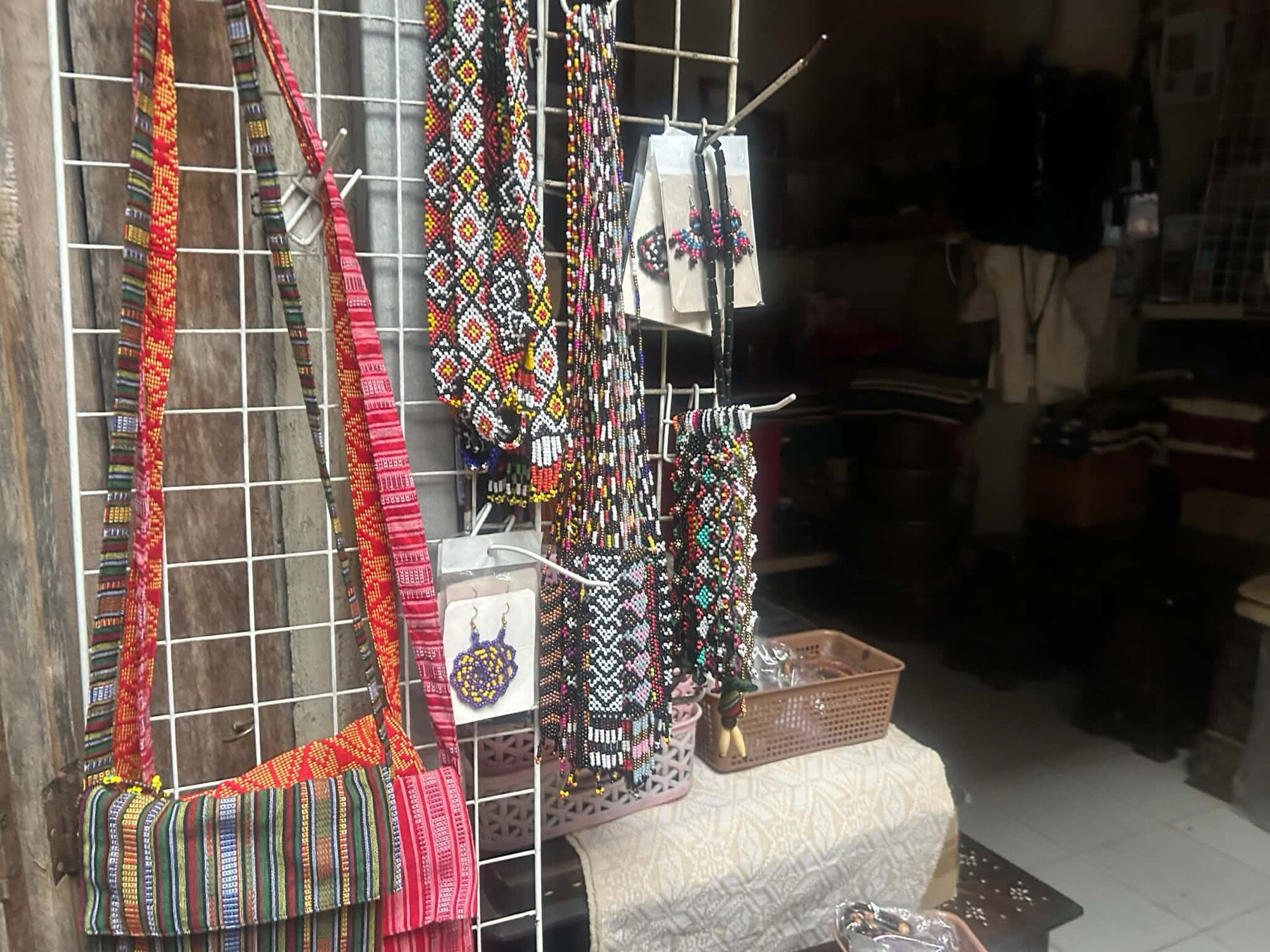
- You’re sourcing general shopper or tote bags (cloth, canvas, cotton) to use as reusable carriers or merch around your drinks.
For additional DHgate platform context, use What DHgate is and how the marketplace works, Find trusted sellers on DHgate, and Review the DHgate order-readiness checklist.
It’s less ideal for critical food‑service items like cups and lids when you need standardized specs and predictable replenishment from U.S.-based restaurant‑supply channels.