
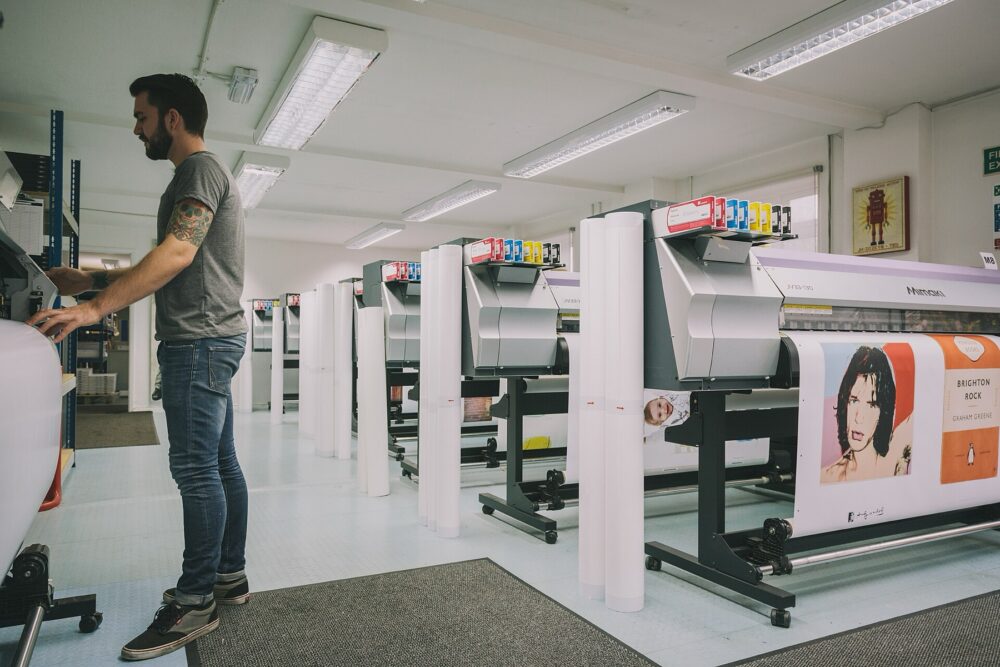
For a US store, the real question isn’t “Is DHgate cheaper?” but “For this specific product and volume, does DHgate’s landed cost per order beat the all‑in POD price enough to justify extra work and risk?” You answer that by stacking all costs side by side.
What Really Goes Into Your Print‑on‑Demand Landed Cost
Print‑on‑demand has more moving parts than a simple wholesale order. Your true per‑order cost stack typically includes:
- Blank product cost – T‑shirts, hoodies, mugs, phone cases, wall art, etc.
- Printing cost – DTG, screen, sublimation, UV, or transfer.
- Fulfillment and shipping – pick/pack, packaging, label, postage.
- Customs/import charges (for cross‑border inventory) – duties, taxes, brokerage where they apply.
- Platform/transaction fees – POD site base + print fee, marketplace commission, payment processing.
POD supplier comparison tools like PodVector’s overview of POD suppliers and PrintOnDemandDirectory show a common pattern: major POD platforms quote a per‑item price that already includes blank + printing + domestic fulfillment. Those per‑item prices look high compared with factory blanks, but they roll up a lot of operational cost you don’t have to manage yourself.
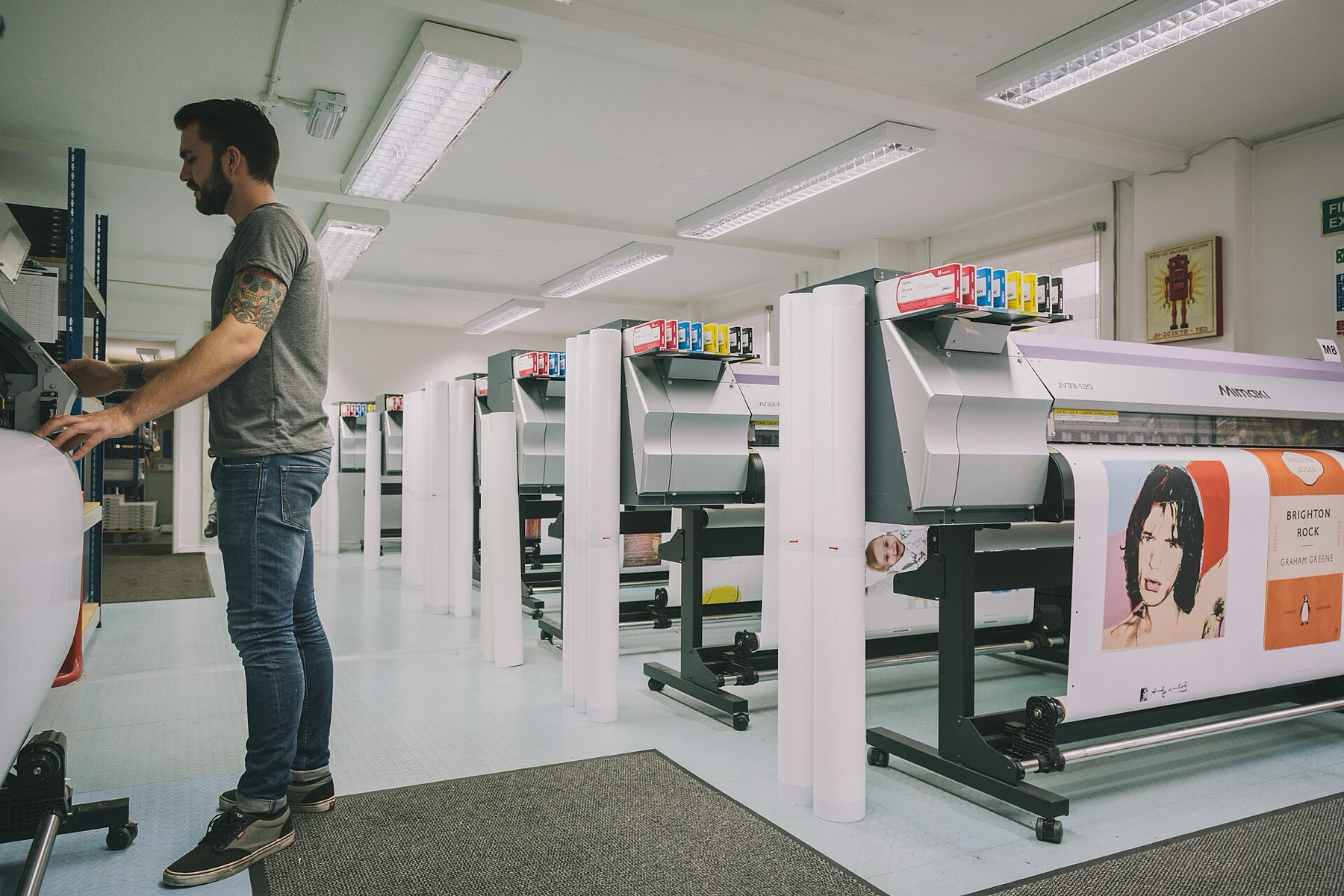
The only honest way to see which route is cheaper is to put all of these line items into the same spreadsheet.
A simple landed‑cost snapshot
For a single POD order, your cost stack might look like this:
| Cost component | Integrated POD supplier (US store) | Cross‑border blanks + in‑house print (US store) |
|---|---|---|
| Blank product | Included in per‑item POD fee | Marketplace/factory blank price |
| Printing | Included in per‑item POD fee | Ink/consumables + equipment depreciation |
| Fulfillment & packing | Included in per‑item POD fee | Your labor/materials |
| Domestic shipping to buyer | Per‑order POD fee (often tiered by region) | Carrier label from your warehouse |
| International shipping in | Not usually part of per‑item POD fee | Cross‑border inbound shipping on inventory |
| Customs/import | Not usually part of per‑item POD fee | Any duties/taxes on incoming inventory |
Once you have realistic estimates for each cell, you can calculate per‑order margin instead of guessing based on blank prices alone.
How Price Drivers Change Your Per‑Order Profit
Even with the same product, your per‑unit cost shifts a lot based on volume and choices. Price comparison data from PODPricing and other directories highlights several drivers that matter for profitability.
1. MOQ and order size
Factory‑level blanks often get much cheaper at higher quantities, while POD platforms stay relatively flat per item.
- Higher volume (roughly hundreds of units per month) – Bulk orders can unlock lower per‑unit blank costs, and you amortize international shipping and any import‑related overhead across many items.
- Low volume – You may pay more per unit, but you avoid tying up cash in inventory and reduce the risk of unsold stock.
If you’re small and testing designs, keeping inventory off your books usually matters more than shaving a small amount off the blank.
2. Customization complexity
The more complex the print (large coverage, many colors, unusual placements), the more your in‑house cost rises.
Integrated POD suppliers often price by print area and technique but bundle the complexity into a single “base + print” line item. With cross‑border blanks, every extra minute of press time or reprint due to misalignment hits your margin.
3. Shipping method and seasonality
How you move goods affects whether cross‑border sourcing stays cheap:
- Slower, economical inbound shipping spreads cost over time but lengthens lead times.
- Faster express options raise per‑unit cost and can erase savings on light, low‑value items like stickers or simple tees.
Seasonality matters too. If you misjudge lead times for holiday products, you may have inventory arriving too late to sell, turning apparent savings into sunk cost.
4. Risk, cash flow, and your time
Bulk buying blanks from overseas and printing yourself increases:
- Upfront cash investment.
- Exposure to unsold inventory if designs flop.
- Operational time spent managing import, storage, printing, and packing.
These don’t show up as line items in a price table, but they are real. For low‑volume or highly seasonal stores, paying more per unit on a POD platform can be cheaper once you factor in time and risk.
DHgate vs POD Suppliers: When Cross‑Border Sourcing Actually Wins
POD supplier directories like PrintOnDemandDirectory and analyses from PodVector consistently find that major POD platforms charge higher per‑item prices than factory blanks, but those prices include printing and domestic fulfillment.
DHgate, described in its blog as a way to access OEM factories and competitive bulk pricing, is one marketplace where you can source blanks directly from manufacturers. That can improve margins when you order enough units and manage production yourself.
From a total‑cost view, DHgate‑style sourcing tends to win only in specific scenarios.
Scenario A: Low volume, simple catalog (POD platforms usually win)
You sell a handful of designs on classic items like T‑shirts, mugs, or phone cases, with monthly orders in the tens.
- Integrated POD platforms – Per‑item cost is higher, but you pay only when you sell and avoid inventory, import, and printing equipment.
For this profile, it typically makes more sense to optimize which POD supplier you use (using tools like PODPricing) than to chase overseas blank deals.
Scenario B: Growing brand with repeat designs (DHgate can start to make sense)
You have a few proven designs with steady demand, and you’re comfortable running a basic in‑house print setup.
Here, ordering blanks from competitively priced OEM factories via DHgate in moderate bulk can:
- Lower your blank cost compared with POD platforms’ bundled rates.
- Let you control print quality and packaging.
But you’ll need to model:
- Equipment, consumables, and labor per print.
If your spreadsheet shows a clear per‑order savings after adding those costs, cross‑border blanks become a realistic margin lever.
Scenario C: High volume, focused SKU set (DHgate‑style sourcing often wins)
You move large volumes of a small number of designs—classic merch, corporate orders, or event products.
DHgate’s blog highlights access to OEM factories and competitive bulk pricing, which aligns with what you want in this scenario. Buying large batches of blanks at factory levels and printing in‑house can yield a lower landed cost per unit, because:
- Bulk pricing shrinks the blank cost.
- You spread printing equipment and labor over many orders.
Here, POD platforms’ per‑item rates, which include their own margin and operational overhead, often look expensive compared with a tuned in‑house setup.

Making Your Own Comparison, Step by Step
- Pick one product and design (e.g., a black tee with a front print) that represents your typical order.
- Use a POD price tool like PODPricing or PrintOnDemandDirectory to get a realistic per‑item POD cost including domestic shipping.
- Price similar blanks from DHgate‑style suppliers (or other cross‑border marketplaces), then add:
- A conservative customs/import estimate using resources like DHgateWiki’s customs and tariffs explainer.
- Your in‑house print, packaging, and domestic shipping cost per order.
- Compare per‑order margin at current volume and at a higher volume you realistically could reach.
If integrated POD platforms are within a small margin of your DHgate model at your actual volume, it’s hard to justify the extra complexity. If the DHgate model clearly wins—especially at volumes you expect to hit—and you’re comfortable handling production, cross‑border blanks can be a solid budget play.
For broader sourcing decisions across marketplaces, you can use DHgateWiki’s marketplace comparison on DHgate vs AliExpress, Alibaba, and Temu to understand how DHgate fits among other options. And if you decide that DHgate blanks do make sense, the guide to finding wholesale suppliers on DHgate can help you vet individual sellers before you commit to bulk inventory.