
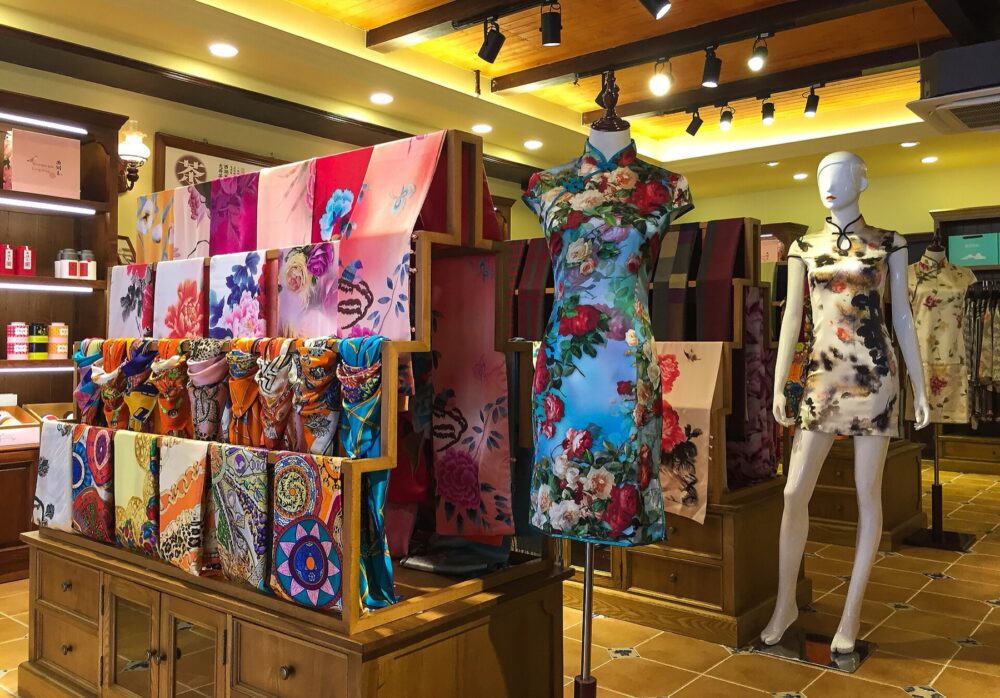
If you’re choosing a silk tiger scarf or fabric, start by deciding whether you need a finished accessory or printed yardage, then match silk type (twill, satin, chiffon), weight, and size to how you’ll wear or use it. Tiger motifs look sharper and more luxurious on crisper weaves like silk twill, while lighter chiffons feel airier but soften the print. Once you know your specs, compare prices and designs across specialist silk brands, mass-market sites that sell tiger fabric by the yard, and marketplaces like DHgate, treating DHgate as one discovery source rather than an automatic best choice.
What Counts as a Silk Tiger Scarf or Fabric, and Who Buys It?
“Silk tiger” products fall into two buckets:
- Finished scarves – ready-to-wear neckerchiefs, squares, stoles, or bandanas made from silk with tiger artwork printed or woven into the design.
- Tiger-print fabric by the yard – rolls or cuts of silk or silk-like fabric with tiger stripes or full tiger illustrations, sold primarily for sewing, crafts, or custom accessories.
Independent scarf buying guides emphasize that you should match fabric weight and size to how you plan to use a scarf: small, lighter squares for neck ties or bag accents, larger heavier pieces as shoulder wraps or display items on walls and furniture.“Silk Scarf Buying Guide: Fabric, Drape & Size” That same logic applies to tiger motifs – a 90×90cm silk square with a central tiger will read like a statement art piece, where a skinny silk strip with a repeating tiger stripe is more of a subtle accent.
On the fabric side, mass‑market business platforms such as Walmart list products like “Silk Tabby” tiger animal-skin prints by the yard (often around 42 inches wide), clearly positioned for sewing and craft projects rather than as finished scarves.Pale Yellow Tiger Silk Tabby Fabric Listing That makes these useful for small ecommerce sellers or DIY buyers who want to cut multiple scarves or clothing panels from one roll.
If you’re an individual style buyer, you’ll typically shop finished silk tiger scarves for neck, hair, or bag styling. If you’re a small ecommerce business or crafter, you may prefer tiger-print yardage to design your own product line — headbands, pocket squares, pillow covers, or custom-sized scarves.
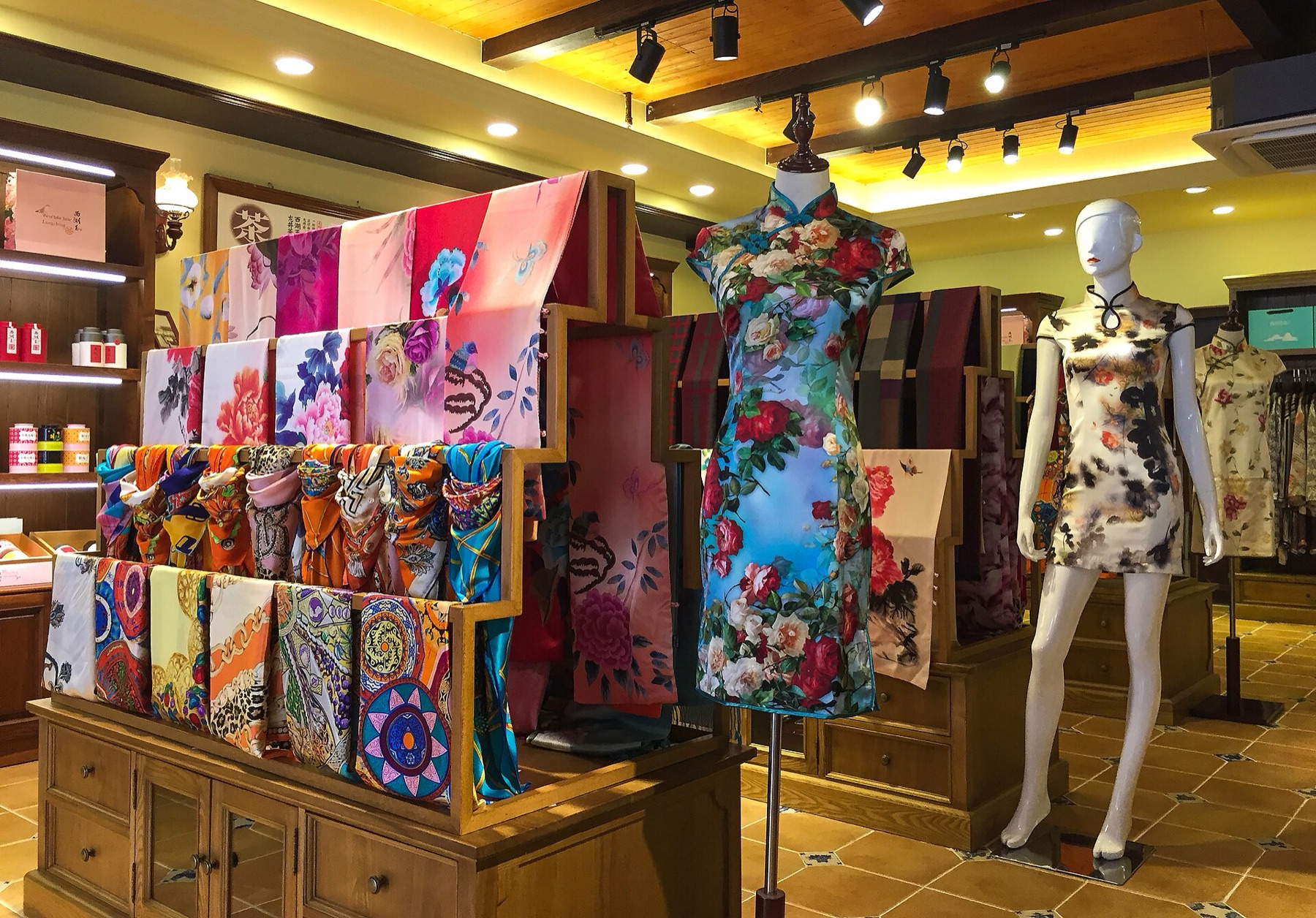
Key Types and Specs: Silk Weaves, Sizes, and Tiger Motif Styles
How silk weaves change drape and print
Major silk scarf weaves show up across both plain and tiger-themed designs:
| Silk weave | Feel & drape (editorial) | How tiger prints tend to look |
|---|---|---|
| Twill | Slightly crisp, structured with a subtle diagonal texture | Strong print definition; lines and tiger stripes look sharp and graphicFabric Guide |
| Satin | Smooth, glossy surface with fluid drape | High color saturation and shine; tiger motifs feel bold and luxuriousSilk Scarf Guide |
| Chiffon | Very light, sheer, airy drape | Softer edges and slightly muted colors; tigers feel more ethereal and layeredFabric Guide |
Specialist silk sites note that twill offers a crisper hand and strong print definition; it tends to make detailed artwork – such as tiger faces, paws, or Tibetan-style border tigers – appear clean and precise.Fabric Guide Lighter weaves like chiffon and some tabby fabrics feel airier, but the print edges can look softer, which works nicely for abstract or watercolor-style tigers.
For a tiger motif you want to treat almost like wearable art, pure silk twill or satin is usually the safest bet. For breezy layering or a more subtle pattern, chiffon or lightweight tabby-style fabrics are better.
Common scarf sizes and how they affect tiger artwork
Buying guides from independent stylists point out that scarf size strongly affects styling: small squares suit neck and bag ties, medium sizes work as headscarves, and larger formats behave more like shawls.“Silk Scarf Buying Guide: Fabric, Drape & Size” In the tiger niche, a few practical size choices are:
- ~50×50cm silk square – Good for a centered tiger icon or repeating mini tigers. Easy for neck knots and bag handles.
- ~90×90cm silk square – Common among designer tiger scarves; large enough for a full scene with a single tiger dominating the center. Works as a shoulder wrap or statement wall piece.
- Long narrow scarves (skinny) – Ideal for stripe-style tiger patterns that wrap multiple times around the neck or hair without a clear “front.”
As an example of a larger artful style, designer Gabby Malpas offers a pure silk tiger scarf drawing on Tibetan-inspired motifs rather than naturalistic wildlife. The tiger artwork fills the field of the scarf, making the piece decorative both worn and displayed.Gabby Malpas Tibetan Tiger Scarf
If you want the tiger itself to read clearly when worn, avoid very small sizes for intricate designs – the face and body can disappear once folded and tied.
Motif styles: realistic stripes vs stylized tigers
Tiger themes cover a wide spectrum:
- Realistic tiger faces and bodies – Good for wildlife fans or bold statement dressing. These often use photographic or detailed illustration styles.
- Tibetan or Asian-inspired tigers – As in the Gabby Malpas example, these draw from traditional depictions with stylized claws, swirling lines, and symbolic color palettes.Gabby Malpas Tibetan Tiger Scarf
- Tiger-stripe or animal-skin repeats – More abstract, focused on the stripe pattern rather than the animal. Common on yardage like the Silk Tabby tiger fabrics sold for craft projects on Walmart Business.Pale Yellow Tiger Silk Tabby Fabric Listing
For personal use, you’ll choose based on how loud you want the motif to be. For resale, think about your customers: wildlife enthusiasts, spiritual/talisman buyers, or shoppers who like animal prints but don’t necessarily want an actual tiger image.
How to Judge Quality and Where DHgate Fits Among Online Options
Quick checks for real silk and good construction
Buying guides for silk scarves and stoles stress starting with the fiber label – look for clear wording such as “100% silk” and check whether blends (e.g., silk/poly) are disclosed.Silk Scarves & Stoles Guide Common pitfalls include mistaking polyester satin for silk; it may mimic the shine but usually lacks silk’s breathable, cool feel.Fabric Guide
A simple at-home evaluation once the product arrives:
- Hand feel and temperature – Silk tends to feel smooth but not overly slippery, and cool against the skin. Many synthetics feel slightly sticky or warm and don’t breathe as well.
- Sheen – Silk’s shine is usually softer and more complex, while cheaper synthetics can look overly glassy.
- Print clarity – On quality silk twill or satin, tiger stripes and facial details should be crisp with clean color transitions. Blurry lines or heavy ink bleeding suggest lower print quality.
- Hemming – Many nicer scarves use hand-rolled or neatly machine-stitched hems. Uneven stitches, loose threads, or very stiff edge tape are red flags.
These cues aren’t foolproof, but they help you avoid the most obvious mislabels.
Personal use vs resale: choosing scarves vs yardage
If you’re buying for yourself:
- Prioritize comfort: a mid-weight silk twill or satin square around 70-90cm is versatile for neck and shoulder styling.
- Decide how bold you want the tiger: realistic full-body designs for statement looks, or animal-skin repeats for easier everyday wear.
If you’re buying for a small ecommerce business or craft line:
- Tiger-print yardage (such as the 42-inch-wide Silk Tabby fabrics targeted at sewing and craft projects on Walmart Business) lets you cut multiple products from one pattern run.Pale Yellow Tiger Silk Tabby Fabric Listing
- Finished silk tiger scarves from designer brands or marketplaces can be resold as accessories with less production work, but margins and brand positioning will differ.
Where DHgate fits alongside other online options
For silk and tiger-themed scarves and fabrics, your typical online options cluster into three types:
- Specialist silk brands and designers – These include pure silk tiger scarves with curated designs (like the Gabby Malpas Tibetan tiger example). You’re paying for artwork and material consistency.
- Mass-market fabric platforms – Business-oriented sites such as Walmart Business carry tiger-print silk or silk-like yardage, marketed for sewing and craft projects.Pale Yellow Tiger Silk Tabby Fabric Listing
- Large marketplaces – DHgate, as well as other global marketplaces, host many independent sellers listing fashion scarves, including silk and silk-blend options. DHgate’s own editorial blog highlights its broad selection of fashion scarves and encourages buyers to use reviews to judge quality.Accessorize with Style: Skinny Scarves on DHgate
For additional DHgate platform context, use What DHgate is and how the marketplace works, Find trusted sellers on DHgate, and Review the DHgate order-readiness checklist.
DHgate can make sense when you want variety and value across many suppliers for patterned scarves, including tiger themes, and you’re willing to do listing-level checks. Because DHgate is a marketplace rather than a single brand, treat each scarf or fabric listing as its own proposition: compare fiber labels, weave descriptions (twill, satin, chiffon), print photos, and buyer feedback.