
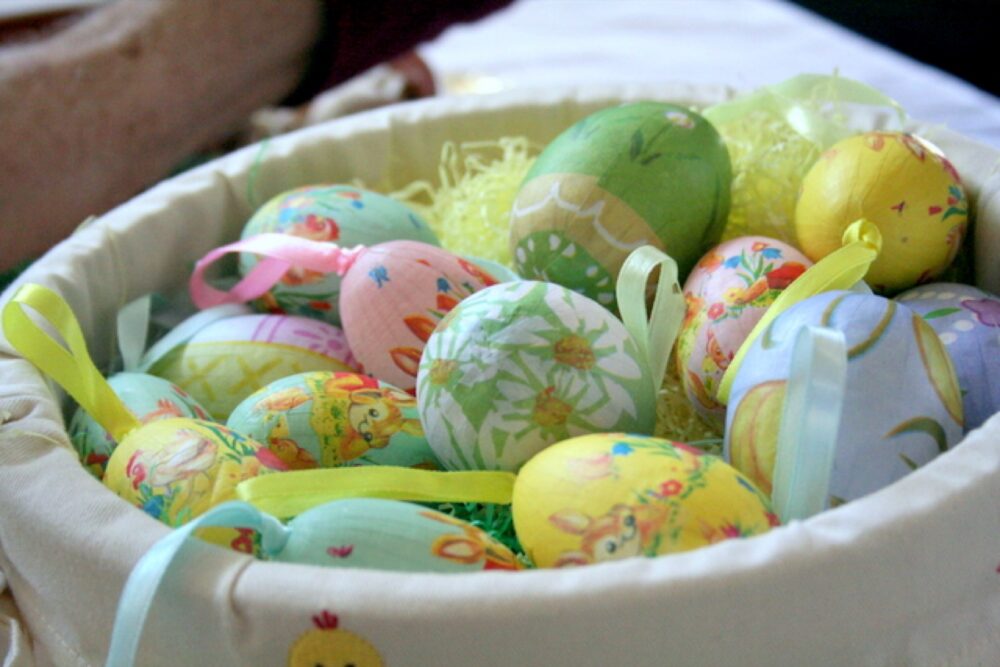
You’ll choose better vintage Easter baskets if you first decide whether you want a true older piece or just the look. Genuine vintage and antique baskets are typically 20-100+ years old, sold one‑by‑one on peer marketplaces like Etsy, eBay, or Chairish. New vintage‑inspired baskets, including wholesale décor that often shows up on DHgate, are built for modern use but don’t have age, patina, or collector value. From there, compare materials (wicker, wood, metal, plastic), condition, and size against how you’ll actually use the basket: display, gifting, or resale.
What Counts as a Vintage or Antique Easter Basket?
For baskets, collectors commonly use age as the shorthand:
- Antique: usually 100+ years old.
- Vintage: roughly 20-99 years old.
- Vintage‑style: made recently but designed to look older.
Older baskets described in décor and collecting guides often fall into the “vintage” band rather than true antique. Woven wicker or wood baskets from the 1940s–60s, midcentury metal handled baskets, and 1950s–70s molded plastic Easter baskets all show up in online markets and are often labeled “vintage.” Resources on older basket styles like Vintage Basket Styles stress construction and materials over the exact year, which is how most shoppers realistically have to work.
True antiques in the Easter category are less common but do exist, often as multipurpose baskets later styled for spring décor—think Victorian or early 20th‑century wicker or wood handled baskets now filled with eggs or florals. These are more likely to be listed on higher‑end vintage platforms like Chairish or by dedicated antique dealers.
Vintage‑style reproductions are new pieces with nostalgic paint colors, fluted rims, or faux patina. They’re ideal if you want the look without worrying about age or wear, but they should be understood as décor, not collectibles.
Key Basket Types and How They Fit Different Uses
Most vintage Easter baskets you’ll see online fall into a few material/style groups. Matching these to your use case—home décor, gifting, or resale—makes the decision much easier.
Woven wicker and wood handled baskets
These are the archetypal “grandma’s Easter basket” styles: natural wicker or wood splints, sometimes with a wooden handle and simple weave. Listings on Etsy for “vintage woven Easter basket” show many examples.
- Best for: Rustic or farmhouse décor, centerpieces, photo styling, higher‑end resale.
- Pros: Warm patina, often hand‑woven, sturdy enough for light use if the weave is intact.
- Watch for: Broken or loose splints, repaired handles, dark water stains.
These work well styled on a sideboard with dyed eggs, vintage bunnies, and linens as shown in décor roundups like Timeless Vintage Easter Decor Ideas.
Metal handled baskets
Enamel, tin, or other metal baskets with printed scenes or pastel colors show up from midcentury through later decades.
- Best for: Display pieces, themed vignettes, collectors who focus on specific brands or motifs.
- Pros: Graphic prints, often very nostalgic; easier to wipe clean than wicker.
- Watch for: Rust, sharp edges, flaking paint. Many older metal baskets are display‑only for safety and condition reasons.
Midcentury molded plastic Easter baskets
From the 1950s–70s onward, molded plastic baskets with bunnies, chicks, or scalloped rims became common. Searching eBay or Etsy for “vintage plastic Easter basket” turns up many examples.
- Best for: Retro décor, kids’ nostalgia gifts, lower‑price resale.
- Pros: Usually lightweight and durable; bright colors read well in photos.
- Watch for: Faded or brittle plastic, cracks at the handle, and discoloration.
These are often more practical if you want the basket to be actively used in egg hunts or kid gifts, while still having genuine age.
How use case changes the “right” basket
Here’s a quick way to map basket type to use:
| Use case | Good basket types | What to prioritize |
|---|---|---|
| Seasonal décor centerpiece | Woven wicker/wood, metal handled | Patina, color, visual presence |
| Kid Easter morning basket | Vintage plastic, sturdy newer wicker | Clean interior, strong handle, size |
| Photo styling / content | Any with strong texture or graphics | Distinct look, condition on visible areas |
| Small‑batch resale | Wicker/wood, collectible metal or plastic | Authentic age, intact structure, nostalgia |
Decorators often layer baskets with other older pieces—ceramic bunnies, dyed eggs, vintage linens—so think of the basket as one element in a broader Easter story.
Buying Criteria and Platform Comparison (Including DHgate)
Before you click “buy,” look past the word “vintage” in the title and assess the basket itself. Collectors and appraisers focus on construction details, materials, and wear patterns rather than seller claims, as guides like the Antique Basket Identification & Value Guide emphasize.
1. Age signals and authenticity
You probably won’t get a certified year, but you can still separate older pieces from new vintage‑style:
- Construction: Hand‑woven splints with slight irregularities usually indicate age. Perfectly uniform machine weaves often mean newer.
- Hardware and finishes: Old nails, oxidized staples, or worn varnish point to age; shiny modern staples or plastic coatings look newer.
- Patina and wear: Smooth darkening where hands would have held the basket, scuffing on the base, and sun‑fading on one side are realistic use patterns.
If you’re buying for resale, keep a screenshot of the listing and any provenance the seller offers so you can describe it accurately.
2. Condition and safety for your use
Decide if the basket is display‑only or functional:
- For display, light fraying and cosmetic wear can add charm.
- For kid gifts or egg hunts, you need a solid handle, no sharp metal, and an interior that can be lined or cleaned.
Zoom every photo. Look for cracks where the handle meets the basket, gaps in the weave that might widen, and any unusual stains.
3. Size and proportion
Listings often give rough dimensions; match them to your plan.
- Centerpiece on a dining table: medium basket that doesn’t dominate place settings.
- Front‑step or entryway display: larger, taller baskets read better from a distance.
- Gifting: enough interior space for treats without being so deep that small items get lost.
If size isn’t listed, ask the seller for height, width, and depth, or compare the basket visually to known props in the photo.
4. Where different needs are best met
Your choice of platform should follow from the decisions above:
- True vintage / antique focus: Peer marketplaces like Etsy and eBay have many individual vintage baskets, from basic woven wicker to specific midcentury plastic designs. Higher‑end antiques and styled pieces often appear on Chairish, where listings like the antique wicker and wood Easter basket show detailed photos and descriptions.
- Vintage‑inspired, new décor or wholesale stock: Broad marketplaces such as DHgate are oriented mainly to new, themed décor and gifts, including Easter items that mimic older styles but are produced today. That can make sense if you’re a small ecommerce seller who needs repeatable stock or a consistent set of baskets for an event.
If you’re considering DHgate specifically for vintage‑style baskets or related décor, it’s worth first understanding the platform’s structure via What DHgate is and how the marketplace works. Since stock is mostly new, treat anything labeled “vintage” there as a reproduction unless the seller provides convincing age details.
For additional DHgate platform context, use Find trusted sellers on DHgate, and Review the DHgate order-readiness checklist.
For one‑off, true vintage pieces with character and patina, your time is usually better spent browsing Etsy, eBay, or local antique shops. For coordinated, repeatable, vintage‑look baskets you don’t mind being new, large marketplaces geared to new goods—including DHgate—can be relevant options alongside mainstream retailers.