
You’ll choose a mallard duck rug by three things: design (art piece vs printed wildlife vs playful duck shape), construction (wool art rug vs synthetic printed pile vs plush mat), and size/placement. For a cabin living room you might look at a hand-tufted wool design like the “Mallard Duck Flight” area rug from Scalloped Rugs, while kids’ rooms and resale inventory often lean on mass-market printed rugs and duck-shaped mats sold through big-box and social-commerce. DHgate can sit in your comparison list as a large cross-border marketplace with varied rug categories, but it’s one of several routes rather than the default.
If you’re a home buyer, start by deciding whether you want the rug to be a focal art piece or just a fun accent. If you run a small shop, think about how rugged the material needs to be and how easy it is to restock. Then match pile, backing, and dimensions to where the rug will actually live—entryway, bedside, cabin hearth, or product photo backdrop.
What counts as a “mallard duck rug” and who buys them?
“Mallard duck rug” covers more than one product type, and your choices look very different depending on whether you want decor or novelty.
Art-quality wildlife rugs. Scalloped Rugs’ Mallard Duck Flight hand-tufted wool rug is a good example: it treats the mallard as art, with wool pile and a composition that feels like a painting underfoot. This sort of rug usually suits:
- Cabin or lodge living rooms and dens
- Nature-themed offices or reading nooks
- Higher-end home decor clients if you’re reselling
Printed wildlife area rugs. Specialty retailers like WildlifeWonders’ mallard duck area rug show the more mainstream wildlife category: a rectangular rug with a mallard in the design, sized for standard rooms or entryways. These appeal to:
- Bird and hunting enthusiasts furnishing an everyday home
- Gift buyers looking for something specific but not ultra-luxury
- Small ecom shops that want recognizable wildlife graphics without artisan pricing
Duck-shaped mats and novelty rugs. On social-commerce, you see character-style pieces—TikTok Shop lists a mallard duck–shaped soft plush bedside mat with the rug cut to the bird’s outline and finished like a plush toy. This format is usually aimed at:
- Kids’ rooms and dorms
- Playful bedside mats or bathroom accents
- Low-risk impulse buys and budget-friendly resale inventory
Most Walmart mallard listings fall into the printed or novelty buckets, which signals that you’re not stuck hunting niche artisans—wildlife rugs and duck mats are a recognized mainstream category.

Design, material, and size choices: match a mallard rug to your space
Once you know which type you’re shopping, start narrowing by how the rug will look and feel in the actual room.
Design: realistic, stylized, or playful
Product copy for mallard rugs on Walmart and other retailers tends to push three design angles:
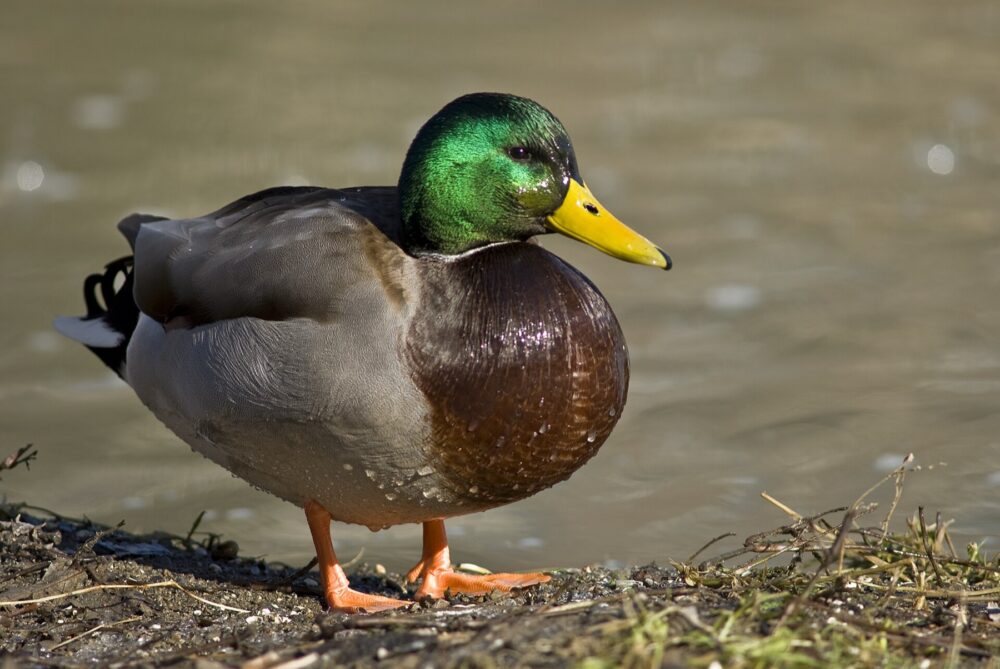
- Realistic wildlife scenes – Good for cabins and nature-themed spaces. Look for clear detailing in the mallard’s green head, chest band, and feather pattern, and a background (marsh, lake, reeds) that doesn’t clash with your flooring.
- Stylized or vintage prints – Think bordered panels, muted colors, or lodge-style typography. These integrate more easily into traditional living rooms and hallways.
- Playful character ducks – Oversized eyes, simplified shapes, or full duck silhouettes like the TikTok plush mat. These work best where whimsy is the goal: kids’ spaces, storefront displays, short-form video backdrops.
If the mallard is the star of the room (feature wall, mantel art), lean toward a wool art rug or a detailed wildlife print. If it’s just a theme accent among many, a simpler duck motif or shape is enough.
Material and construction: comfort vs durability
Retailers generally nudge buyers to compare material and pile as much as design. Here’s how the main choices line up:
| Rug type | Typical material & feel | Best uses |
|---|---|---|
| Hand-tufted mallard art rug | Wool pile; rich color, substantial feel | Living rooms, reading corners, display |
| Printed wildlife area rug | Synthetic (often nylon or poly) pile | High-traffic halls, cabins, entryways |
| Duck-shaped plush bedside mat | Soft plush synthetic, cushiony underfoot | Bedside, kids’ rooms, low-traffic areas |
| Thin printed duck door mat | Low-pile synthetic with non-slip backing | Doorways, kitchen sinks, shop entrances |
Wool art rugs, like the hand-tufted Scalloped example, tend to hold color depth and feel warmer underfoot, but they’re not what you throw at a muddy back door. Printed synthetics from big-box channels are cheaper, easier to spot-clean, and can be replaced without drama.
Backing matters too. For entryways and kitchen use, look for a non-slip or rubberized backing similar to the non-slip kitchen rugs highlighted in DHgate’s rug editorial; for a cabin living room, you’ll probably pair the rug with a separate pad for cushioning and grip.
Size and placement: think in actual rooms, not just dimensions
Mallard rugs show up in several standard formats across wildlife retailers and Walmart listings:
- Small accent (1.5’–3′ wide) – Duck-shaped mats, door mats, bedside plush. Ideal where you just need a visual pop and a place to wipe feet or step out of bed.
- Runner or hallway size – Long, narrow printed wildlife scenes that guide traffic past mudrooms or down a cabin hall.
- Area rug sizes (often 4’×6′, 5’×7′, or similar) – Rectangular rugs with mallard artwork in the center or framed by borders, meant to anchor seating in a living room or den.
For a US home, sketch your placement:
- Cozy cabin decor – A mid-size wool or detailed wildlife area rug in front of a fireplace, with colors that echo wood tones and stone.
- Kids’ room – A plush duck-shaped mat near the bed plus a neutral main rug; that keeps the theme fun but replaceable.
- Small ecommerce photo studio – A medium printed wildlife rug gives you a recognizable pattern for product shots without the upkeep of wool.
Measure the floor area you want to cover and leave at least a few inches of visible floor around the rug, so the mallard artwork doesn’t feel cramped.
Where mallard duck rugs are sold and where DHgate fits in your comparison
Mallard-themed rugs sit in a niche that’s easier to source once you know which channels carry which styles:
- Specialty wildlife retailers – Stores like WildlifeWonders focus on animal and outdoor motifs. They’re good hunting grounds for mid-range area rugs with more thoughtful artwork than generic prints.
- Big-box and general marketplaces – Several mallard rug and mat listings on Walmart and related SKUs indicate broad mass-market coverage, mainly printed synthetics and novelty mats. For US buyers and small shops, this is often the fastest way to get budget stock or a single household piece.
- Social-commerce platforms – TikTok Shop’s duck-shaped plush bedside mat shows how creators and small sellers use playful mallard designs as decor and content props. This channel leans heavily toward novelty and impulse-friendly price points.
- Cross-border marketplaces – DHgate’s own blog highlights a wide rug selection, including faux hide and non-slip kitchen rugs, which suggests themed rugs could appear in multiple seller catalogs even though specific mallard listings weren’t verified in this research. That makes DHgate a reasonable place to check if you’re comfortable browsing cross-border listings and want more variety or lower per-piece pricing, but it shouldn’t replace a quick scan of US-based options.
For additional DHgate platform context, use Review the DHgate order-readiness checklist.
If you do widen your search to DHgate later, it’s worth reading a neutral overview of what DHgate is and how the marketplace works and then, for any specific listing, applying a careful seller check using guides like find trusted sellers on DHgate before you treat a mallard rug as ready-to-buy stock.