
If you’re shopping pongee fabric online in Australia, start from the end use: umbrellas and jackets usually need standard polyester pongee in the 190T–210T range, while batik scarves and higher-end apparel call for silk pongee with a softer drape and brighter dyes. Match that use case to fibre (poly vs silk), density (T rating and GSM), and finish (water‑repellent, anti‑UV, or plain). DHgate can be one of several useful platforms for inexpensive polyester pongee, but it’s rarely the best place to hunt for premium silk or niche eco pongee.
For small e‑commerce brands and sewists, the practical rule is: don’t buy pongee on fibre name alone. Read the specs and imagine how the cloth will behave in the Australian climate—sun, humidity, and washing routines—then choose a marketplace that actually carries the variant you need.
What Pongee Fabric Is and Where It’s Actually Used
Pongee is a lightweight, plain‑weave fabric that was traditionally made from silk, and is now more often woven from polyester or blends. It has a smooth texture, subtle sheen, and a slightly crisp feel, which makes it useful wherever you want a light but reasonably durable layer rather than a heavy fashion fabric.
Modern pongee turns up most often in:
- Garment linings – for jackets, coats and some dresses, where the smooth surface helps clothes slide on easily.
- Lightweight outerwear shells – windbreakers, school rain jackets and promotional jackets.
- Umbrella canopies – especially the familiar microfibre‑feeling polyester umbrellas.
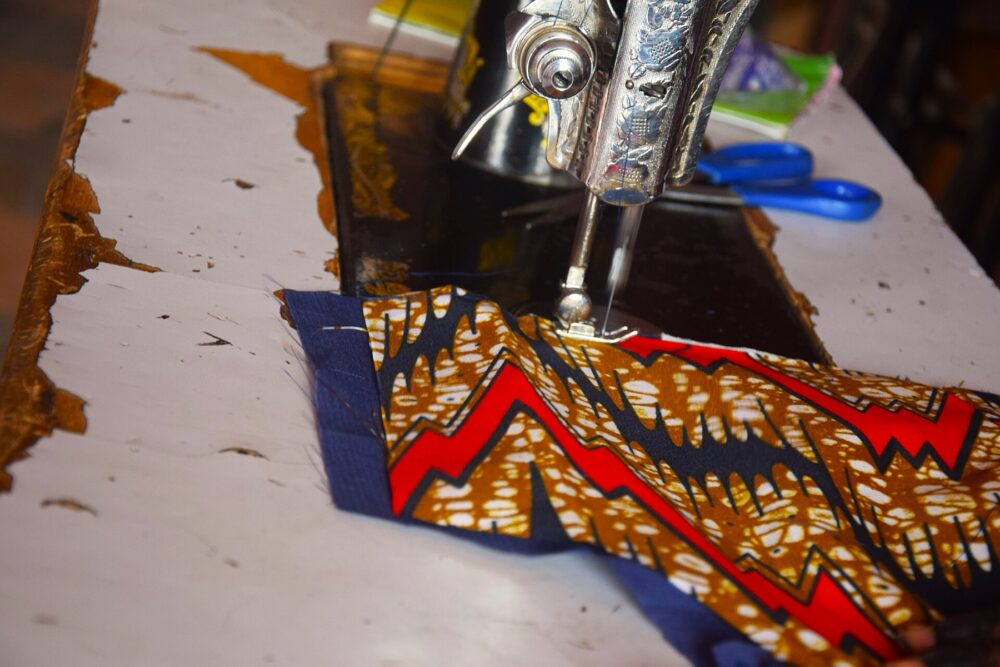
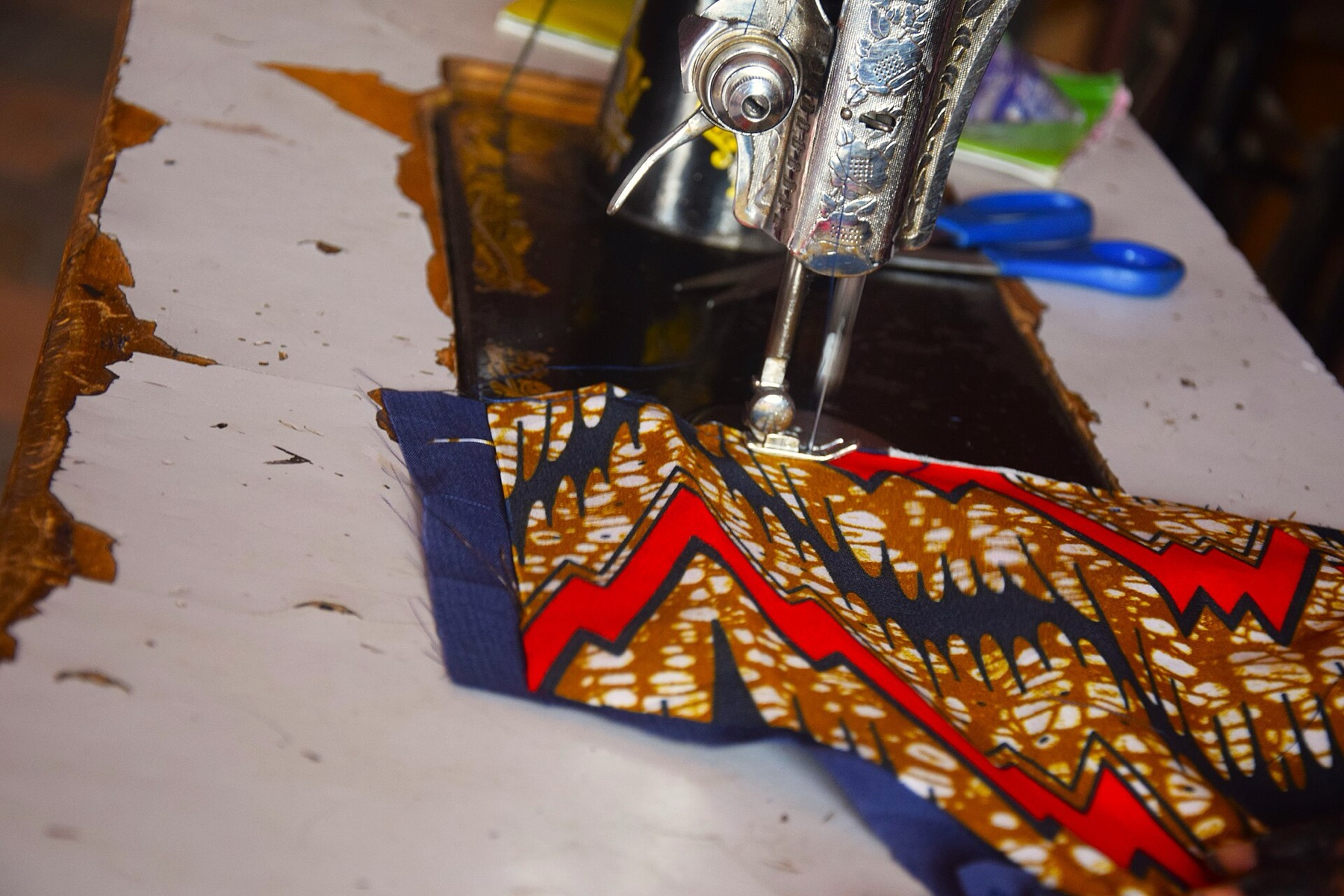
- Craft and batik work – silk pongee is a popular base for batik and hand‑painted scarves because it takes colour well and drapes fluidly.
For an Aussie buyer, that translates to fairly specific projects: school uniform suppliers needing budget lining, a small brand designing a branded umbrella, or a maker wanting silk pongee for hand‑dyed wraps.
Key Pongee Types and Quality Signals Buyers Should Compare
The biggest mistake online is treating all “pongee” as the same. These are the main variants and what their specs imply.
Fibre: Polyester vs Silk (and Why It Matters)
- Polyester pongee is the workhorse. Manufacturers describe it as smooth, lightweight, wear‑resistant, non‑shrinking, easy to wash and quick‑drying, often with a cotton‑like feel. That combination suits umbrellas, corporate jackets and basic linings that need to survive frequent use and machine washing.
- Silk pongee has a softer hand, more fluid drape and brighter dye uptake than basic polyester versions, which is why it’s widely used for batik and more refined apparel linings and tops.Fabriclore and Vintage Fashion Guild both highlight its smooth texture and colour response.
If your garment needs to breathe in hot, humid weather or feel luxurious (even if it’s sold online), silk or blends are usually the better fit. If it’s a promo umbrella or hard‑wearing workwear lining, polyester pongee is designed for that job.
Thread Density (T Rating) and GSM
Most polyester pongee listings for umbrellas and linings quote a T rating, roughly indicating thread count per square inch:
- 190T–210T is typical for standard polyester pongee aimed at umbrellas and basic linings.Premium pongee vs standard pongee comparison notes this range.
- GSM (weight per square metre) is usually on the lighter side, targeting quick drying and easy handling.
In practice:
- Lower T and GSM = lighter, faster to dry, often cheaper, but less opaque and slightly less durable under abrasion.
- Higher T and GSM = denser canopy or lining, usually better drape and perceived quality, with a marginal weight increase.
Finishes and Coatings
Look for finishes in the product description, especially for outdoor use:
- Water‑repellent or waterproof coating for umbrellas and rainwear.
- Anti‑UV finishes for sun umbrellas in harsh Australian UV.
- Calendered or “silky” finishes for smoother linings and fashion‑forward shells.
A plain, uncoated polyester pongee can be fine for indoor linings. For umbrellas or beach gear, skipping the coating is a false economy in Australian conditions.
Quick Comparison of Pongee Variants by Use
| Use case | Typical fibre | Typical spec (T / weight) | Key qualities |
|---|---|---|---|
| Basic jacket lining | Polyester pongee | ~190T–200T, light GSM | Smooth, durable, easy‑wash |
| Branded rain jacket shell | Polyester pongee | ~190T–210T, light GSM | Quick‑dry, can be coated waterproof |
| Standard umbrella canopy | Polyester pongee | 190T–210T, light GSM | Light, colourfast, water‑repellent |
| Premium fashion lining | Silk pongee / blend | Higher GSM, softer hand | Fluid drape, brighter dye uptake |
| Batik scarf or art textile | Silk pongee | Light–medium GSM | Takes colour vividly, soft drape |
Specs within each row are typical rather than universal; your best move is to treat them as a filter when skimming listings.
Online Market Options for Pongee Fabric, Including DHgate
Once you know the fibre, density and finish you need, the platform choice gets easier.
Cross‑border marketplaces such as Alibaba commonly list many polyester pongee options for linings and umbrellas.Alibaba pongee overview shows how this category is framed for lining fabric. DHgate functions in a similar space: a broad marketplace connecting buyers to suppliers, where you’ll mostly encounter polyester pongee in finished umbrellas, jackets, or bulk fabric cuts rather than niche silk pongee.
For an Australian buyer:
- Polyester pongee in volume (umbrella shells, uniform jackets, promotional gear) is where platforms like DHgate or Alibaba can make sense, especially if you’re comparing several mills or factories for similar 190T–210T specs.
- Silk pongee, batik bases, or recycled/specialty pongee are often easier and more predictable through specialist fabric sites or local/regionally focused wholesalers that highlight fibre origin and weaving quality. Sources such as Textile Details and Fabriclore show how these premium variants are positioned outside general marketplaces.
If you decide to include DHgate in your search, treat it as one option in a multi‑tab comparison rather than a one‑stop. Shortlist by fibre (polyester vs silk), density (T rating) and declared finish first, then use ordinary buyer checks on individual listings rather than expecting the marketplace to separate standard pongee from true premium fabrics for you.
For additional DHgate platform context, use What DHgate is and how the marketplace works, Find trusted sellers on DHgate, and Review the DHgate order-readiness checklist.
For more fabric‑specific listing checks, the guidance in How to evaluate sewing supplies on DHgate instead of chasing top stores is a useful next step once you’ve decided pongee is the right material.