
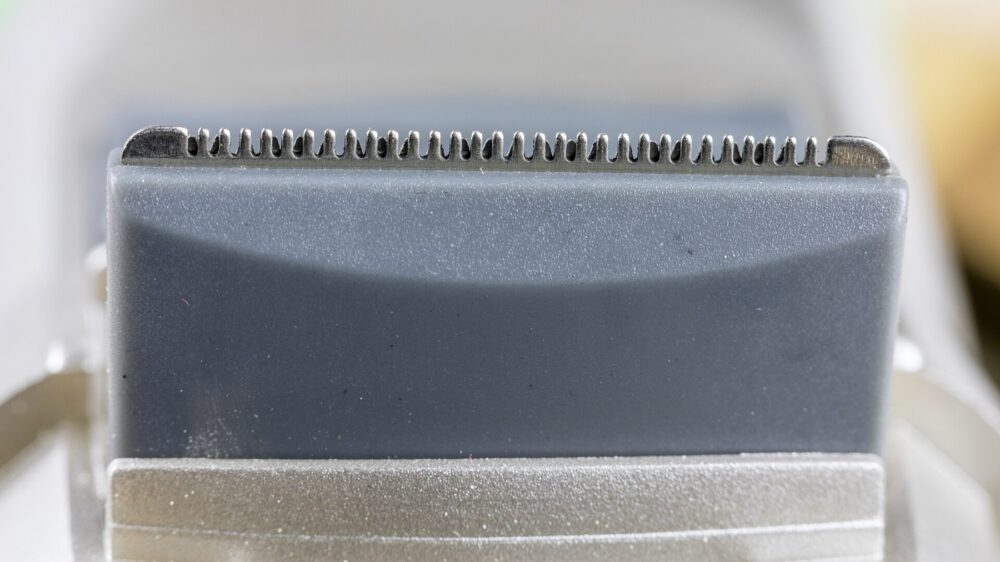
Konka nose hair trimmers and pocket shavers don’t show up on most big US retail sites, so the “best platform route” depends on whether you’re buying one unit to groom at home or trying to stock inventory. For a single Konka trimmer, niche cross-border retail sites and individual marketplace sellers are usually the simplest. If you’re a small ecommerce business testing or replenishing stock, wholesale‑style marketplaces such as DHgate can matter more, because they connect you directly to Chinese suppliers and often support multi‑unit orders at lower per‑unit cost.
The key is to match your use case to the platform type instead of chasing a generic “cheapest nose trimmer” listing.
How Konka Nose Hair Trimmers and Shavers Show Up Across Online Platforms
Konka-branded nose hair trimmers are mostly found on small, cross-border-focused retailers rather than household US names. For example, Gosupps lists a “2024 New Konka Electric Nose Hair Trimmer” with IPX7 waterproofing and rechargeable design, sold as a single unit for international consumers.Gosupps Konka listing
Independent ecommerce sites like KYD’s Choice and Cutehart also surface Konka pocket nose trimmers, again as single consumer products. These are typical of niche cross-border shops that curate Chinese-branded gadgets and ship globally on a per-order basis.
By contrast, major US retailers such as Best Buy carry nose hair trimmers primarily from Philips, Wahl, Panasonic, and other mainstream brands, with no Konka visible in the assortment at the time this article was researched.Best Buy nose trimmer category That doesn’t mean Konka can never appear there, but it does mean US buyers usually have to treat Konka as a cross-border buy rather than an in-store grab.
Marketplace sellers on platforms like eBay or TikTok Shop sometimes list Konka-style nose trimmers, often alongside other unbranded or lesser-known models. In at least one case, a third-party marketplace listing explicitly references a DHgate item ID as its upstream source.Wikishopline example That’s a sign Konka grooming tools flow through wholesale channels and reappear on consumer-facing sites.
Retail Marketplaces vs Wholesale Platforms for Konka Grooming Tools
For Konka nose trimmers and shavers, you’ll see three broad platform models:
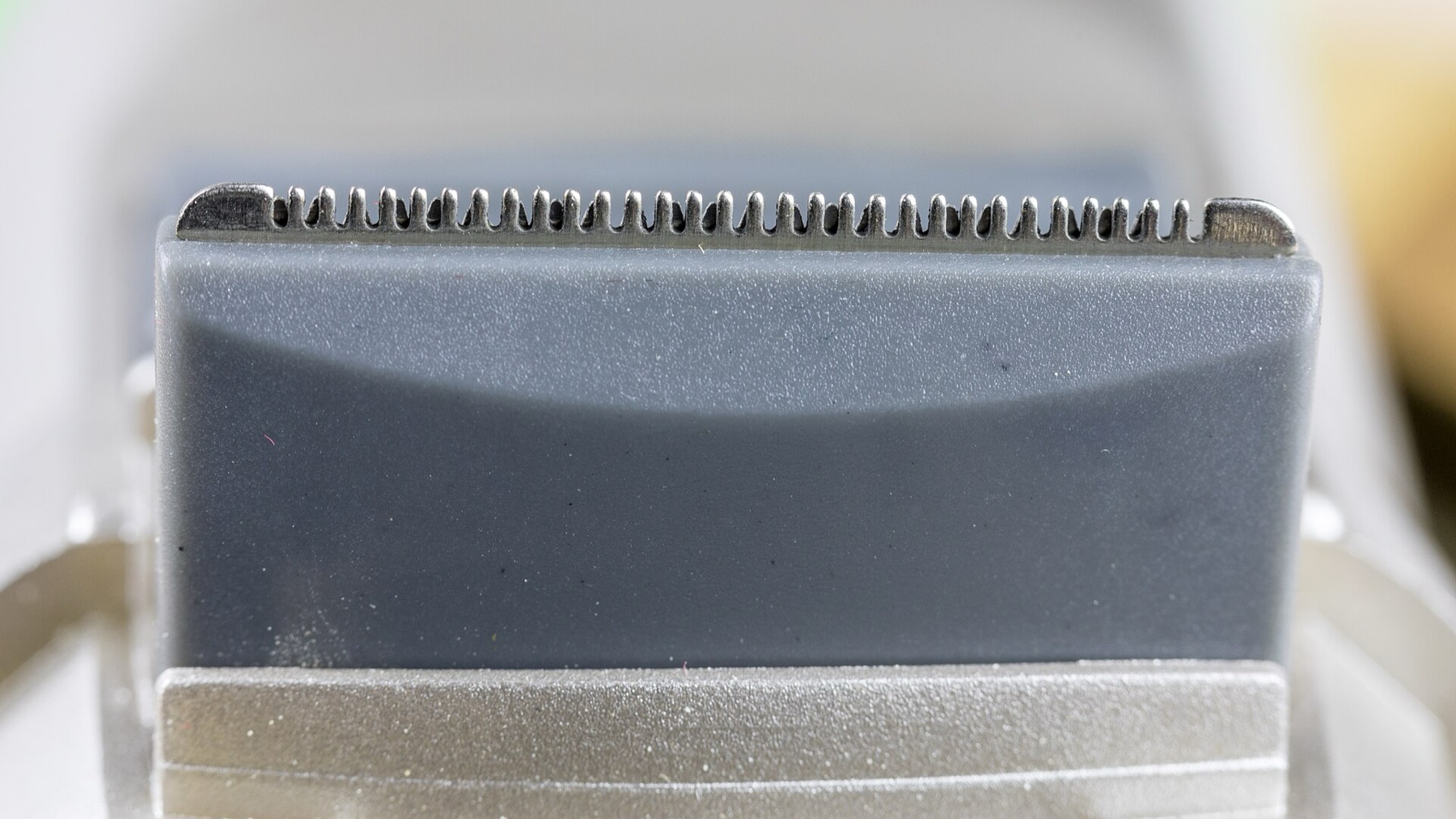
1. Cross-border retail sites (B2C) Examples: Gosupps, Cutehart, KYD’s Choice. These operate like online stores aimed at individual buyers. They sell single Konka units, sometimes with a few color or bundle options. Pricing is straightforward retail pricing; you add one or two trimmers to your cart and check out. Minimum quantity is typically one, and you’re treated as an end consumer, not a reseller.
2. Retail marketplaces (B2C with many sellers) Examples: Amazon, eBay, TikTok Shop. Here Konka may appear as a niche listing from a small seller importing stock from China. You still buy per unit, but everything about the listing—description, photos, how many pieces you can order—is controlled by that seller. This route is convenient for one-off experimentation, yet it doesn’t give you much visibility into upstream supply or long-term pricing for wholesale orders.
3. Wholesale-style marketplaces (B2B/B2C hybrid) Examples: DHgate, Alibaba, some AliExpress sellers who tolerate bulk orders. DHgate’s own editorial material describes the platform as a global marketplace that “cuts out the middleman,” letting buyers connect directly with Chinese suppliers and access wholesale-oriented pricing.DHgate blog on low prices That typically means:
- Sellers are often factories or trading companies.
- Listings can support multi-unit or bulk purchases, sometimes with tiered pricing.
- Negotiation and supplier relationships matter more than on a click-and-ship retail site.
From DHgate’s editorial comparisons with AliExpress and Amazon, the positioning is clear: they pitch DHgate as better suited to buyers who prioritize cost and are willing to manage more of the vetting and communication, while AliExpress and Amazon lean into retail convenience and pre-structured listings.DHgate vs AliExpress editorial You should treat that as platform spin, but it does capture a real operational difference: retail sites excel at easy single orders; wholesale marketplaces are built to support repeated or bulk sourcing if you’re willing to do the extra work.
Here’s how these platform types usually line up for Konka grooming tools:
| Platform type | Typical buyer role | Units per order (editorial pattern) | Pricing behavior (editorial pattern) |
|---|---|---|---|
| Cross-border retail site | End consumer | 1-3 Konka trimmers | Fixed retail price per unit |
| Retail marketplace | Consumer / micro-seller | 1-10 units from a marketplace seller | Per-unit price; occasional volume discounts |
| Wholesale-style marketplace (e.g., DHgate) | Reseller / small business | 10+ units or negotiable quantities | Wholesale‑style; price can reflect bulk buying |
These aren’t hard rules, but they reflect how Konka SKUs tend to be offered online.
Choosing Your Platform Route: Where DHgate Fits for Konka Trimmers
To pick the best route, start with your scenario rather than the brand:
1. You just want one Konka nose trimmer or shaver for yourself.
2. You run a small shop and want to test Konka as a niche product. Here a hybrid route works well:
- Buy 1-3 units from a cross-border retailer or marketplace seller to physically inspect quality and packaging.
- Once the product passes your own checks, look for upstream supply on wholesale-style platforms like DHgate or Alibaba to explore multi-unit pricing.
The Wikishopline example that cites a DHgate source ID shows how some resellers already treat DHgate as an upstream supplier for electric nose trimmers.Wikishopline example You’re essentially cutting out that middle reseller step and talking more directly to the source.
3. You want ongoing Konka inventory for ecommerce or salon retail. At this point, DHgate and similar wholesale marketplaces become more relevant. Their editorial messaging focuses on cost-effective bulk acquisition by connecting you straight to Chinese suppliers.DHgate blog on low prices You can:
- Identify Konka-branded or equivalent nose trimmer listings.
- Ask suppliers about OEM branding, packaging, and repeat-order terms.
- Use unit-price differences between retail listings (Gosupps, KYD’s Choice) and wholesale quotes as a sanity check on your margin structure.
For this kind of sourcing, it helps to understand how marketplaces work in general and how DHgate sits among them. If you’re new to that, start with What DHgate is and how the marketplace works and then zoom out with Compare online marketplaces and shopping platforms. If you’re weighing DHgate against AliExpress or Alibaba for broader grooming inventory rather than Konka specifically, this side‑by‑side comparison can help clarify where each platform’s model is stronger.
The practical takeaway: use retail platforms to touch and test Konka trimmers; turn to wholesale-style marketplaces like DHgate only once you have a clear plan for bulk orders, margin, and supplier vetting. That way you’re using each platform type for the job it’s actually built to do.