
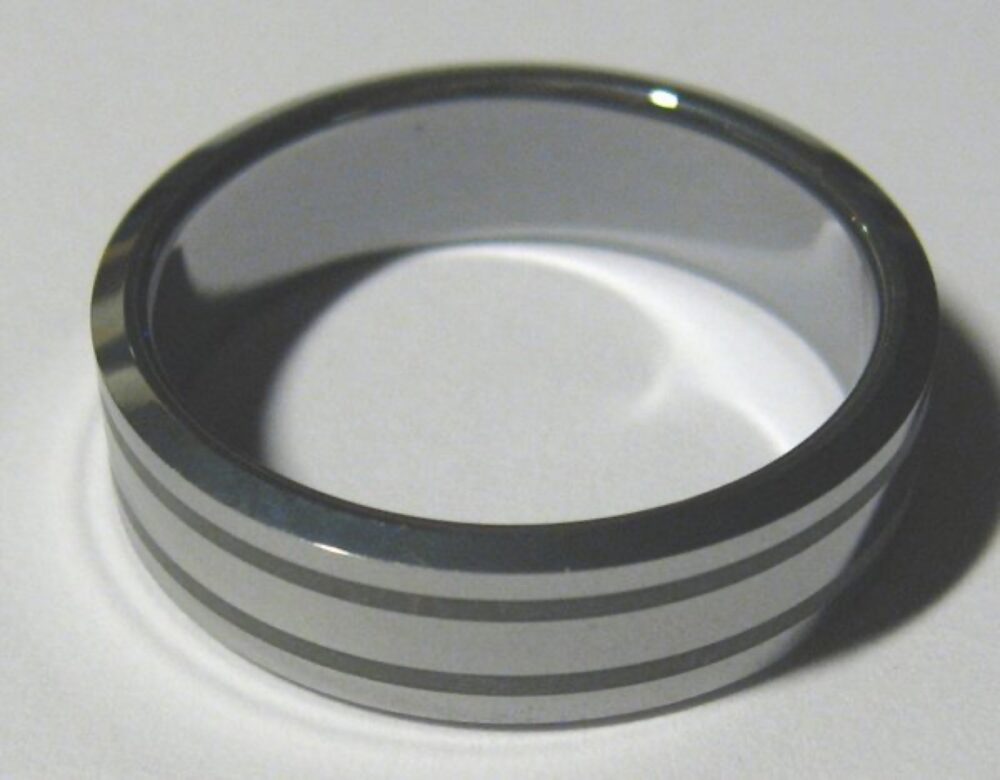
The best way to choose a black and red tungsten ring is to decide how bold you want the color contrast to be, then match width, finish, and comfort-fit to how you’ll actually wear it. Start by picking a structure—black outer band with red interior, black band with red inlay, or black band with red pattern—then narrow the options to a width you like (often 6-8 mm for men), a finish that fits your style (matte vs polished), and a rounded comfort-fit interior if you’ll wear it daily. Once you know those specs, compare designs and pricing across US specialty ring sites, big-box retailers, and marketplaces such as DHgate, rather than assuming one channel will automatically be “best.”
What Counts as a Black and Red Tungsten Ring?
Black and red tungsten rings sit in a specific niche: durable tungsten carbide bands with a black base color and a red accent that shows up either inside the ring or on the visible surface. Tungsten carbide is popular for men’s black rings and wedding bands because it’s very hard and scratch‑resistant compared with softer metals, yet typically more affordable than precious metals.
In this niche, the most common layouts are:
- A solid black exterior with a red interior sleeve that flashes color when the ring moves.
- A black band with a red groove, stripe, or other inlay running around the circumference.
- Black bands with red patterns, such as Celtic knots, dragon motifs, or geometric designs.
US specialty retailers recognize this as its own style category; for example, IntelliRings’ black and red tungsten bands and Newman Bands’ black tungsten collections show multiple variations aimed at everyday wear and wedding bands. That’s good news if you’re a buyer or small ecommerce seller: you’re not chasing a one‑off trend, but a stable niche with repeatable designs.
Key Styles and Specs: How Black and Red Tungsten Options Differ
You’ll see a lot of listings that all claim to be “black and red tungsten,” but they behave differently once you put them on. These are the specs worth comparing side by side.
Core style variants
Here’s a practical way to think about the main designs:
| Style type | How the red shows | Visual feel | Typical buyer use |
|---|---|---|---|
| Black band, red interior | Mostly hidden; visible from side or when the ring moves | Subtle, modern pop of color | Everyday ring, low‑key wedding band |
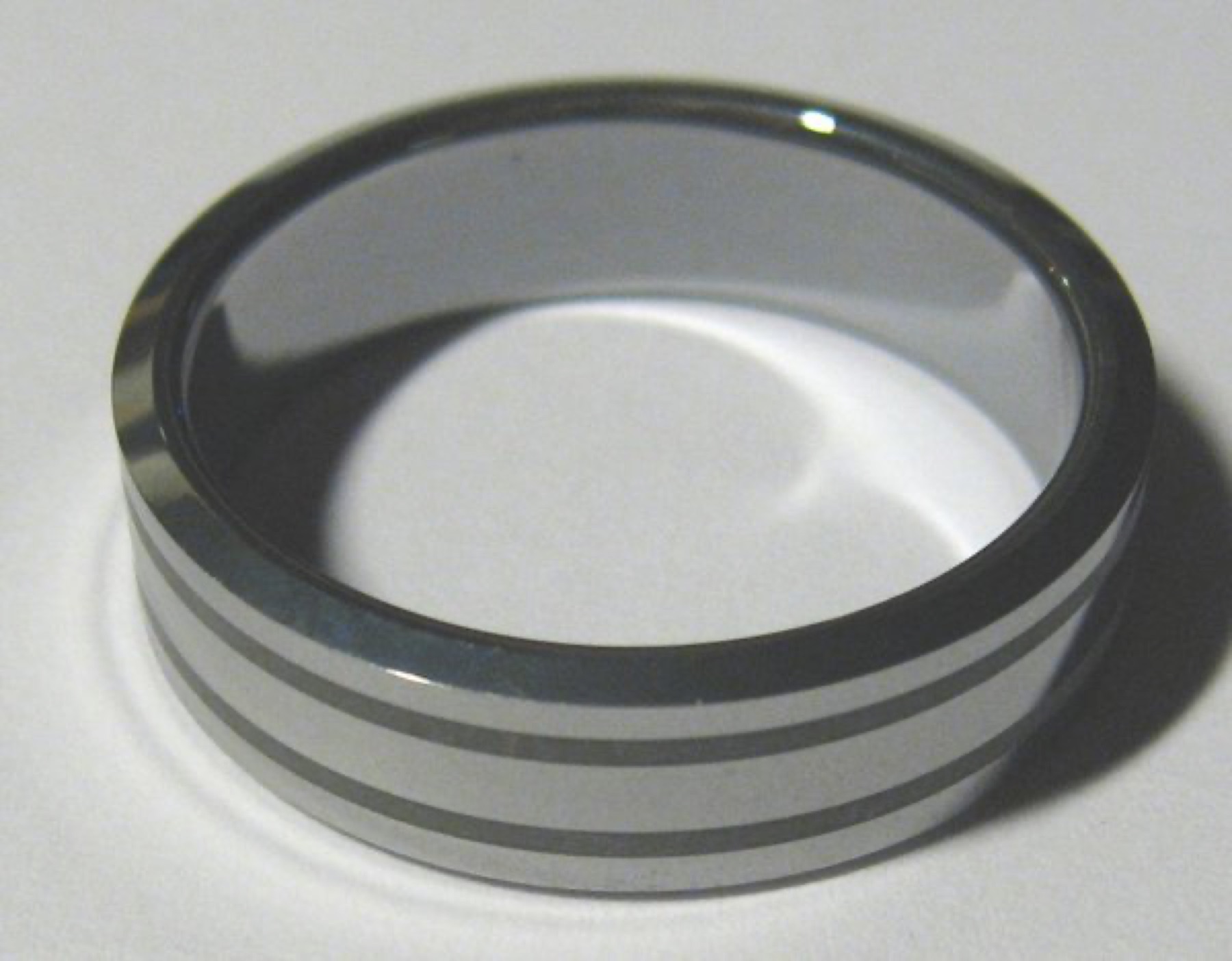
| Black band, red stripe/inlay | Continuous accent on outer band | Bold, sporty or tech‑y | Statement ring, themed gifts |
| Black band, red pattern | Dragon, knot, or geometric motif in red | Themed, eye‑catching | Niche fashion, cosplay, fandom |
A seller might use different language (“two‑tone,” “dragon scale,” “circuit board”), but almost every design falls into one of these structures.
Width and profile
Width changes how the ring looks and feels more than most product photos admit:
- 4-6 mm: Slim profile, closer to a traditional band. Good if you’re not used to rings or need something that won’t catch when you work with your hands.
- 8 mm and up: Wide, noticeably chunky. This width shows off black and red contrast better, especially stripes or patterns, but can feel heavier.
For small ecommerce sellers, stocking one slim and one wide option within each style type can cover most customer preferences without bloating your inventory.
Finish and edges
Finish dictates how “loud” the ring appears:
- Brushed or matte black: Less reflective, often perceived as more premium and understated. A red interior against a brushed black exterior (the kind you’ll see from makers like CustomJewelry14’s brushed black tungsten with red interior) tends to look refined rather than flashy.
- Polished black: High shine, catches light and makes red accents look brighter. Good for more overt statement rings.
Edge treatment matters for both comfort and perceived quality:
- Rounded or domed edges: Often labeled “comfort‑fit,” these edges help the ring slide over the knuckle and sit more naturally during daily wear.
- Flat / sharp edges: Can give a more industrial aesthetic but may feel harsher if the ring is wide.
Comfort‑fit interiors and rounded edges are widely recommended for men’s black bands, and that carries over here: if you’re choosing a daily ring, prioritize comfort‑fit over decorative details.
Interior color vs exterior detail
For buyers:
- Red interior is for you if you want a mostly black ring at a glance, with color that shows only in motion or close‑up.
- Red exterior inlay or pattern is better if the black‑and‑red combo is the whole point and you want people to see it from a distance.
For ecommerce sellers, interior‑color designs are safer cross‑market bets; they appeal to both conservative and bold buyers, while highly themed patterns (dragon, Celtic) skew toward narrower audiences.
Buying Smart: Fit, Durability, and When to Include DHgate in Your Search
Once you’ve narrowed down style, you still have three practical decisions: fit, durability expectations, and where to shop.
Getting the fit right
Tungsten carbide doesn’t flex or resize easily, so sizing errors are more painful than with gold or silver.
- If possible, get your finger measured with a standard US ring sizer at a local jeweler before ordering.
- Comfort‑fit bands often feel slightly looser because of the rounded interior. Some people choose a half size smaller than their flat‑interior size, but you should confirm with the specific seller’s sizing notes rather than rely on a generic rule.
- Think about temperature and activity: if your hands swell in heat or during workouts, err toward a fit that isn’t skin‑tight.
For wedding or couple rings, it’s worth ordering a single test band in the same width and fit style before committing to engraved or customized pieces.
Durability and realistic wear
Tungsten’s main selling point is durability: high hardness and strong scratch‑resistance. That makes it well‑suited to black rings that will be worn daily and occasionally knocked against desks, tools, or gym equipment. But coatings and color treatments can still vary.
Practical checks:
- Look for clear material descriptions (“tungsten carbide” rather than just “metal alloy”).
- Compare finishes: brushed surfaces hide minor scuffs better than mirror‑polish.
- For ecommerce sellers, inspect samples under bright light for any uneven color in red accents or thin plating along edges, as those are common weak points.
Where DHgate belongs in your search
You can buy black and red tungsten rings in several places:
- Specialty ring brands and custom shops (examples include IntelliRings and FoundryCut’s black tungsten bands) for curated designs aimed at weddings and fashion.
- Mass retailers like large US chain stores’ online catalogs, which list many black and red tungsten styles at accessible price points.
- Marketplaces, from US‑based platforms to cross‑border sites.
Online marketplaces, including DHgate, can broaden your options significantly: they aggregate many sellers so you’ll often see more variations in red patterns, widths, and finish combinations than in a single brand catalog, and pricing can be competitive because sellers operate with different cost structures. That said, quality can vary between individual listings.
To decide whether a listing on a marketplace like DHgate deserves a spot on your shortlist:
- Use specific spec filters in your search (e.g., “8mm black tungsten red interior comfort fit” rather than just “black red ring”).
- Read customer reviews and ratings carefully for clues about true color, finish durability, and sizing accuracy.
- Cross‑check one or two promising designs against similar rings from US specialty retailers to see if you’re trading off brand reputation or customization in exchange for a better price or a more unusual pattern.
If you’re evaluating DHgate alongside other platforms, it helps to understand what the marketplace is and how it works and to follow guidance on finding trusted sellers and an order‑readiness checklist before checkout. Used this way, DHgate becomes one more channel for discovering black and red tungsten rings—especially unusual patterns—rather than a default destination.