
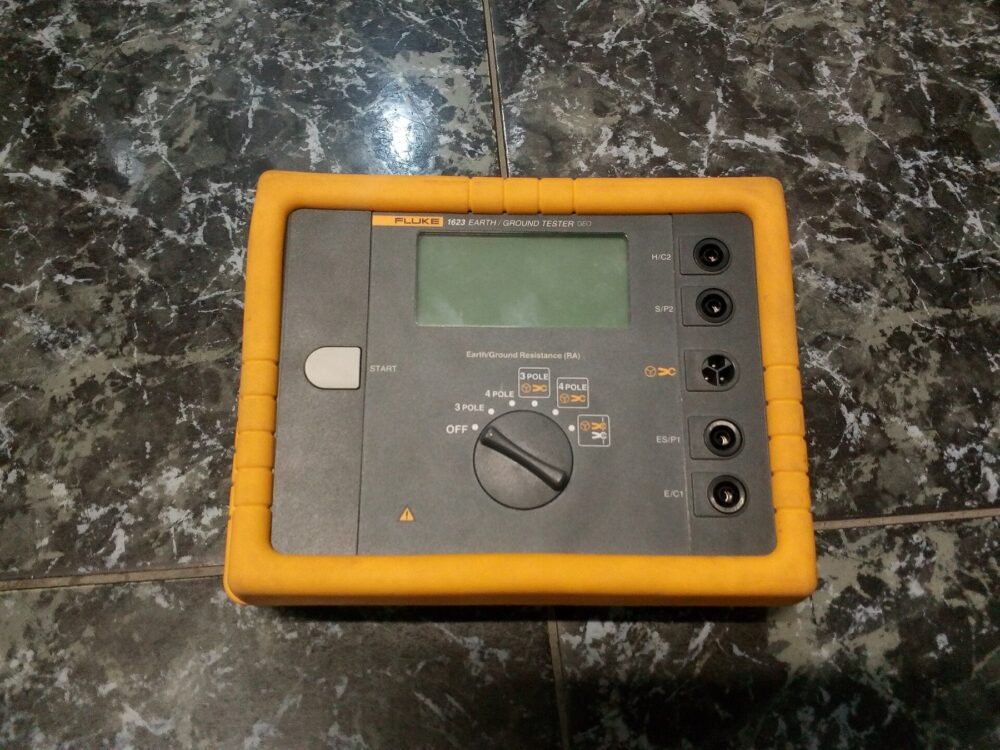
Below, we’ll first clarify what kind of equipment you’re actually looking for, then walk through buying criteria and a DHgate‑specific workflow you can follow.
What Earth Electrode and Ground Resistance Testing Equipment Actually Is
Earth ground resistance testers are instruments that measure the resistance between a grounding system and the earth, helping you confirm whether an installation can safely carry fault current into the soil. High resistance here can undermine the whole protective system.
In practice, that usually means three main equipment types:
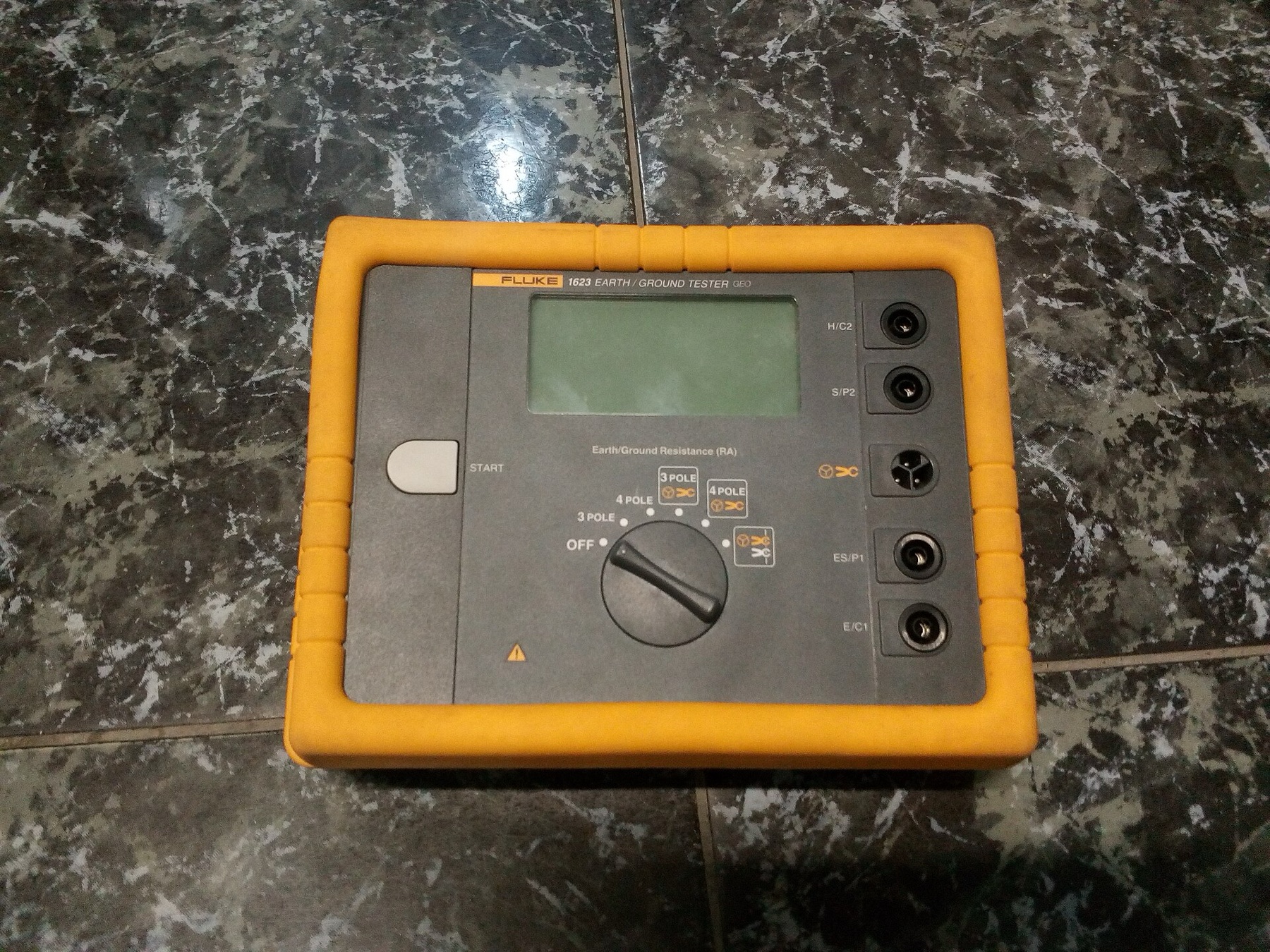
- 3‑ or 4‑point earth resistance testers – Portable meters that inject a known current into the ground system and measure the resulting voltage drop, using multiple test leads and auxiliary electrodes placed at set distances in the soil. These are commonly used to verify a single earth electrode or small grounding system.
- Clamp‑type ground resistance testers – Instruments that clamp around a grounding conductor and measure resistance without driving test spikes. These are useful where you can’t easily install temporary electrodes (dense urban sites, fenced areas), but they rely on having parallel ground paths.
- Soil resistivity test sets – Often based on a 4‑point method derived from earth testing, using four stakes in a straight line to characterise the soil itself. These are more niche, but relevant if you’re involved in designing or upgrading electrode systems.
All of these rely on accessories: long test leads, robust auxiliary electrodes/spikes, and usually a carry case so the kit survives site work. If you search DHgate only for vague terms like “ground tools,” you’ll get noise. Use these specific categories in your search and in your product evaluation.
Buying Criteria for Ground Resistance Testers and Why Safety Limits Your Options
Because earth resistance affects whether fault currents are safely dissipated and touch voltages remain within safe limits, your choice of instrument isn’t just a convenience question. Some marketplace devices may be fine for non‑critical checks; others will be a poor fit for UK installations.
Focus on these criteria:
1. Test method and range
Confirm what the instrument actually measures and how:
- Does it support standard 3‑point or 4‑point methods with auxiliary electrodes and separate current/potential terminals? That’s the backbone of most earth electrode testing.
- Is the resistance range clearly specified (for example, into low‑ohm territory suitable for typical electrodes, not just high‑ohm insulation values)?
Listings on DHgate should show test method and ranges in the spec table or description. If that information is missing or vague, treat it as a red flag rather than a minor omission.
2. Accessories included vs. what you’ll need to add
A bare meter without leads or ground rods is not a functional kit. For earth testing you typically need:
- At least two auxiliary electrodes (often called P and C or similar) for multi‑point measurements
- Long, color‑coded test leads that can span tens of metres
- Carry bag or case suited to field use
On DHgate, confirm whether the listing includes electrodes and leads or only the instrument. Ask the seller for actual lengths and wire types if they’re not listed.
3. Standards cues and documentation
You’re not looking to do a full regulatory audit here, but you should expect some indication of design and usage standards:
- Does the manual reference recognised testing methods such as the fall‑of‑potential 3‑point technique described in independent guides like Hengfeng’s earth testing overview?
- Is there a clear operating manual, preferably downloadable, rather than just a one‑line spec?
Absence of any standards language doesn’t automatically mean the instrument is unusable, but it’s a signal that you shouldn’t rely on it as your sole basis for sign‑off on UK installations.
4. Safety relevance: where marketplace sourcing may be unsuitable
For UK electricians, designers and inspectors, earth resistance testing feeds directly into safety reports and sometimes legal obligations. Faulty or inaccurate measurements can hide dangerous grounding issues.
For that reason:
- Use DHgate with extra caution if the tester will underpin formal certification or statutory inspection.
- For business‑critical instruments, at least compare what you find on DHgate against specialist suppliers such as Megger’s earth tester range or Fluke’s earth testing guidance.
A marketplace unit might be fine as a secondary or training instrument, but your main compliance tool is often best sourced from a dedicated manufacturer or UK distributor where calibration, support and conformity are clearer.
Step-by-Step: Searching, Filtering and Verifying Earth Resistance Testers on DHgate
Because our research didn’t verify any specific DHgate listing for earth electrode testing, the safest approach is to focus on workflow rather than particular products. Here’s a practical way to work through the marketplace.
Step 1: Start with targeted keywords
On DHgate’s homepage search bar, use specific queries rather than generic ones:
- “earth resistance tester” or “earth ground resistance tester”
- “3 point earth tester” or “4 point earth tester”
- “clamp earth tester” for clamp‑type instruments
- “soil resistivity tester” if you need design‑stage equipment
Run several variations and note which categories the results sit in (electrical tools, measuring instruments, etc.). Avoid unrelated hits in gardening or general hardware.
Step 2: Use filters to narrow to plausible instruments
DHgate lets you apply filters and sorting to focus on relevant results and ignore obvious outliers.
For this category, useful moves include:
- Filter to electronics / instruments categories if available, not general tools.
- Sort by seller rating or “orders” to see listings with a transaction history.
- Exclude extremely low price points that look more like simple multimeters or generic gadgets than specialised ground testers.
This doesn’t guarantee quality; it simply gets you closer to listings where other buyers have at least interacted.
Step 3: Deep‑read listing specs and photos
Each DHgate listing includes product specifications, images, prices and seller ratings. Spend time on these details:
- Check whether the description clearly says “earth resistance” or “earth ground” and explains the test method.
- Look at front‑panel photos: are terminals marked for P1/P2, C1/C2 or similar, indicating multi‑point capability? Or does it look like a basic multimeter with an ohms range?
- Confirm accessories in images vs. text – do you see ground rods and long leads, or only short test probes?
If the listing looks copied or inconsistent (e.g., text mentions soil resistivity but photos show a generic clamp meter), move on.
For help developing this kind of listing scrutiny beyond instruments, see What DHgate is and how the marketplace works and Find trusted sellers on DHgate.
Step 4: Evaluate the seller, not just the product
- Prefer sellers with consistently high ratings and multiple reviews mentioning test equipment or instruments.
- Read buyer comments for clues on build quality, accuracy, and whether the delivered item matched the description.
- Message the seller with specific questions: test method supported, range, included accessories, manual language.
If the seller can’t answer basic technical questions, treat that as a strong reason to look elsewhere.
Step 5: Use samples before any bulk or business‑critical order
DHgate’s sourcing guides explicitly recommend ordering samples before committing to larger quantities. That’s especially relevant for specialist instruments:
- Place a single‑unit order as a functional sample rather than jumping to multiples.
- Once received, have it checked or trialled by a competent professional who already works with established brands (e.g., comparing readings against a known Megger or Fluke unit).
If the sample fails basic checks, your total risk is limited to that small purchase instead of a full fleet of unreliable testers.
Step 6: Decide if DHgate is the right channel for your use
After going through search, filtering, listing checks and sampling, ask where the instrument will sit in your workflow:
| Intended use in your business | How DHgate might fit | When specialist suppliers are safer |
|---|---|---|
| Informal checks, training, non‑critical tasks | Marketplace unit could be acceptable if sample performance looks stable and documentation is clear. | Still worth comparing price vs. entry‑level units from specialist brands. |
| Primary tester for UK installation sign‑off | Use DHgate only with extreme caution; lack of clear standards and calibration history is a concern. | Prefer dedicated manufacturers and UK distributors, where support and conformity are part of the offer. |
| Resale through your ecommerce store | You need predictable quality and documentation for your customers. DHgate may serve as a source if you’ve thoroughly vetted the supplier and instruments. | Established brands with defined warranties and calibration options often align better with resale obligations. |
If your answers skew toward safety‑critical or regulated work, treat DHgate as an exploratory source, not your default. Specialist brands such as Megger and guidance from companies like Fluke on earth ground testing can anchor your expectations of what a robust instrument looks like.
Before checkout, you can also run through a general marketplace health check via the DHgate order‑readiness checklist, then decide if this specific purchase should move ahead or be rerouted to a more controlled channel.