
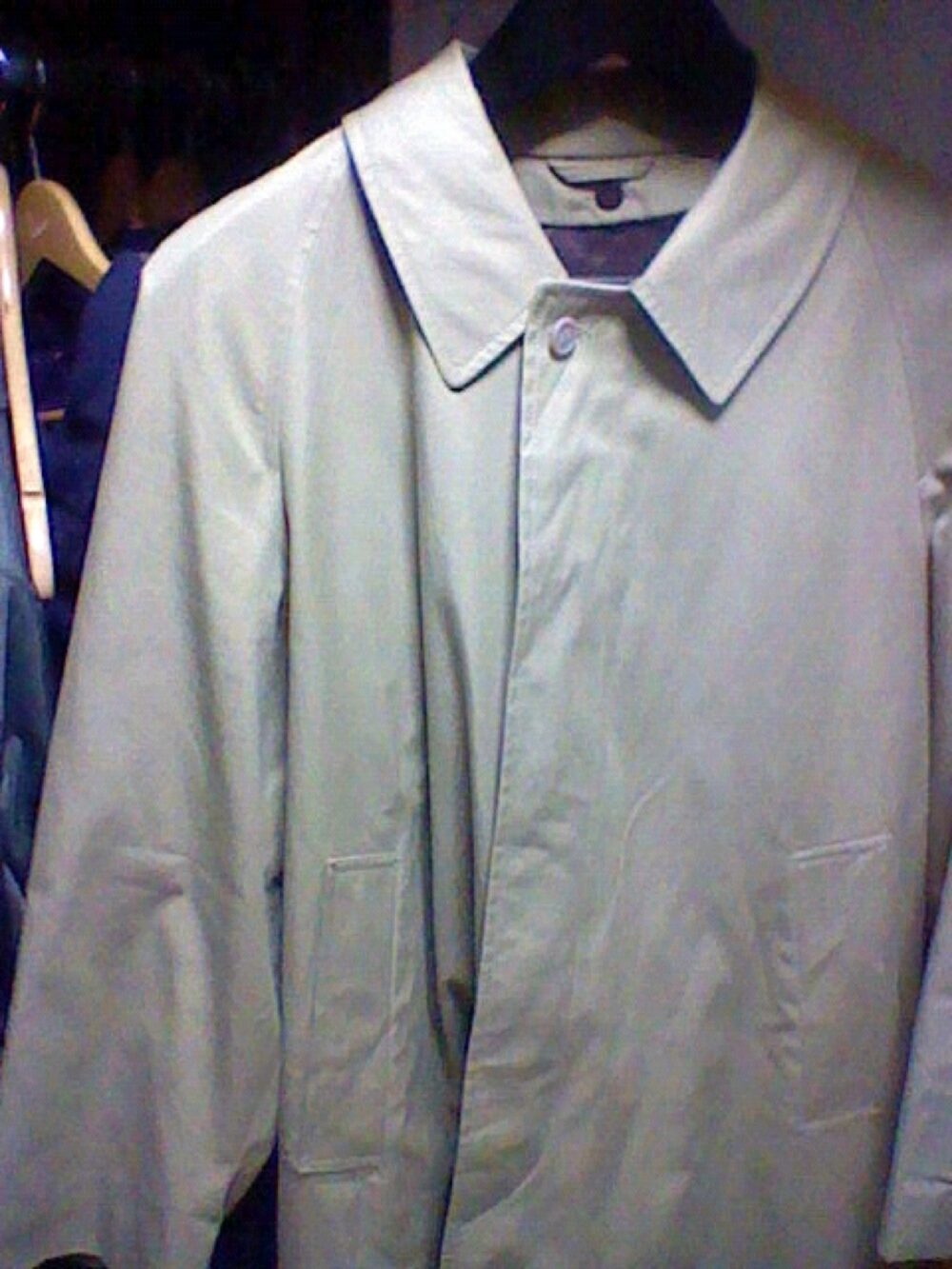
Most “vintage fur collar coats” on DHgate are new coats designed with retro details, not true second-hand furs from the 1940s–1980s. You can use DHgate to source vintage-inspired wool, faux-fur, and shearling collars for personal wear or a boutique, but you’ll need to be very deliberate about search terms, filters, and seller vetting. If you specifically want an authentic mink or fox vintage coat, dedicated vintage platforms and fur specialists are usually a better fit than DHgate.
What “Vintage Fur Collar Coat” Usually Means on DHgate
DHgate is a large global marketplace that connects buyers to Chinese suppliers across many categories, including fashion apparel and outerwear. Seller listings in the “vintage” apparel space are typically new garments styled to look retro—think 1950s swing coats, 70s maxi coats, or Y2K cropped puffers, often tagged with the word “vintage” for aesthetic rather than age.
For fur collar coats, you’ll usually see:
- Wool or wool-blend body with faux fur collar described as “vintage” or “retro”.
- Parka or down-style coats with large synthetic fur-trimmed hoods.
- Shearling or faux shearling collars on tailored coats, sometimes labeled “Korean vintage” or “European vintage style”.
Because everything is new production, you won’t get the same variability in patina, label history, or resale value that a real vintage fur would have. That’s good if you want consistent sizing for a boutique rack, less good if your priority is original mid-century fur craft.
A quick external check of vintage-focused collections like the fur section at Foundry Vintage shows the contrast: those platforms highlight provenance, era, and condition of second-hand pieces. DHgate sellers rarely emphasize those elements, so treat “vintage” as a style tag unless the listing explicitly states otherwise and you can verify.
How to Search and Filter Fur Collar Coat Listings on DHgate
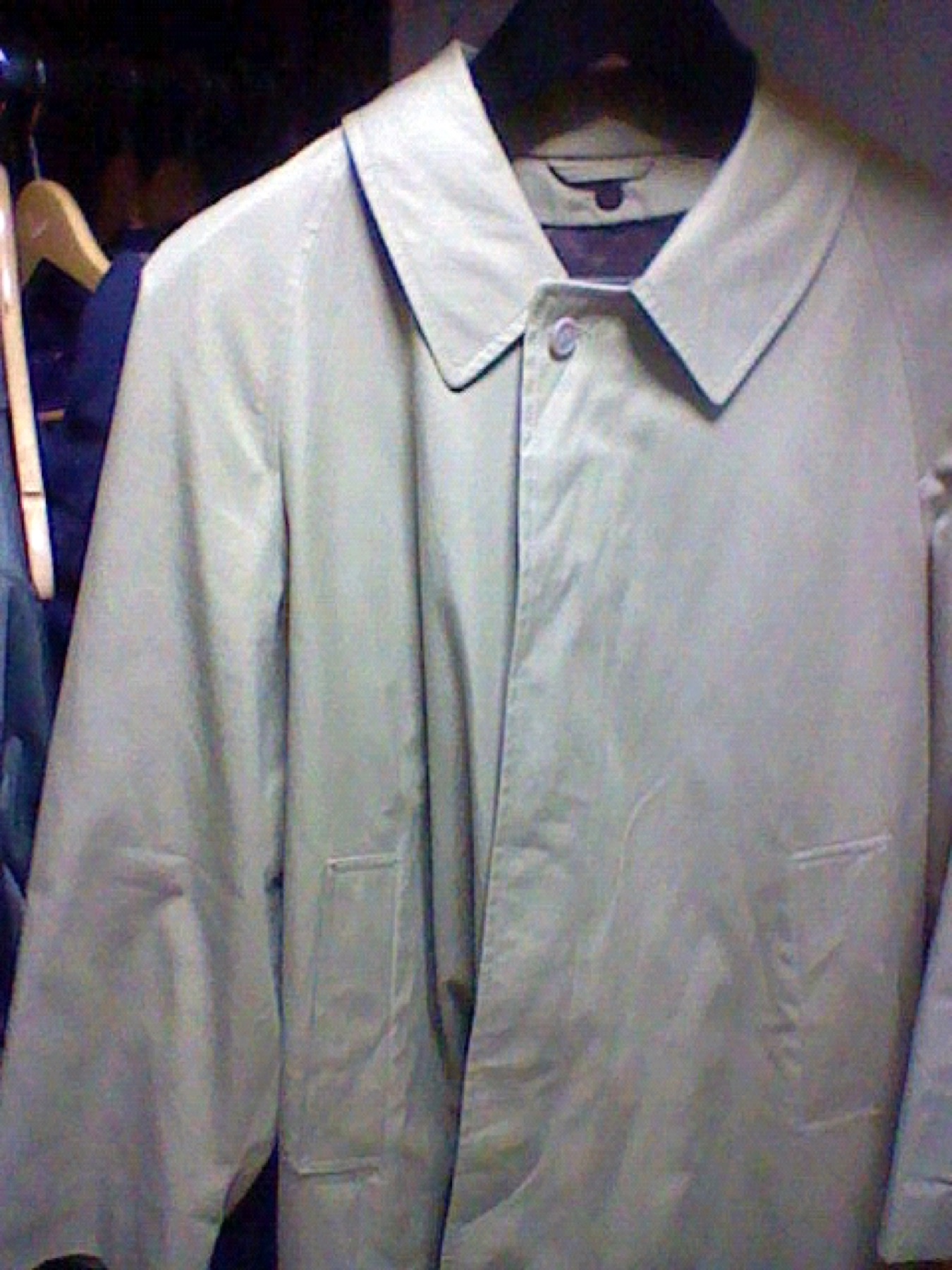
You won’t see a neat “vintage fur collar coat” category on DHgate, so you have to build your own workflow. Here’s a practical way to move from thousands of results to a shortlist.
1. Start with targeted search terms
On DHgate, use the main search bar and try several specific phrases:
- “vintage fur collar coat” – broad sweep for retro-styled coats.
- “wool coat faux fur collar” – narrows to wool bodies with synthetic fur.
- “shearling collar coat women” or “shearling collar coat men” – for that 70s aviator look.
- “Y2K fur collar puffer” – if you want cropped, trend-driven silhouettes for younger shoppers.
Change gender terms, cut (“long”, “cropped”), and season (“winter coat”) to refine results.
2. Use categories and filters to cut noise
DHgate’s interface lets you narrow product lists using categories and basic filters. Once you’ve run a search:
- Click into the Clothing / Outerwear or similar apparel category if the search has mixed in unrelated items.
- Apply price filters to match your budget or expected resale pricing.
- Sort or filter by seller rating to push low-rated sellers down the list.
For boutique sourcing, do one pass filtering for mid-range price bands—very cheap coats often have thin fabric or low-grade faux fur that may not meet your standards—and another pass for highly rated sellers, even if prices are slightly higher.
3. Narrow by style, size and material language
Open promising listings in new tabs and vet them against your inventory plan:
- Style: Is the collar dramatic and oversized, or subtle? Double-breasted or single? Belted waist or straight? Match this to your target customer.
- Size range: Check the size chart and confirm how many sizes are offered. For a small ecommerce brand, look for at least several sizes so you’re not stuck with one-size-fits-few stock.
- Material description: Scan for phrases like “faux fur”, “polyester”, “acrylic”, “sheep shearling”, “wool 100%” or “wool blend.” If the listing claims “real fur” without specifying species or origin, treat that as a red flag until the seller provides more detail.
4. Shortlist with a boutique-oriented checklist
Once you’ve opened a dozen or so candidate coats, cut down to 3-5 options with a quick internal table. Here’s a structure many boutique owners use when working through DHgate search results:
| Listing note | Why it matters for fur collar coats |
|---|---|
| Collar material stated | Distinguishes faux vs wool/shearling; guides pricing and ethics. |
| Lining and thickness info | Indicates warmth and drape; thin linings feel cheap. |
| Size chart detail | Helps avoid returns; vague charts often mean inconsistent sizing. |
| Seller rating & reviews | Key signal for real-world quality in a multi-seller marketplace. |
| Real customer photos | Show actual fur texture, shine, and how the collar sits on the neck. |
Only keep listings that score well across most of these points. That becomes your sample or first-order shortlist.
Evaluating Sellers and When to Choose Another Platform
How to judge fur collar coat quality from a distance
For each shortlisted coat:
- Read multiple reviews, not just the overall score. Look for comments about fabric weight, collar softness, shedding, and whether the coat looks “cheap” or “luxurious” in person.
- Zoom in on all listing photos. Check stitching around the collar and shoulders and whether the fur looks matted or glossy. Uneven seams or very shiny, sparse faux fur are warning signs.
- Ask the seller questions. Request close-up photos of the collar, lining, and buttons; ask what the collar fur is made of and how to care for it. DHgate’s boutique-sourcing guidance suggests requesting samples before bulk orders, and that logic applies here too.
For boutique owners, a single sample order can save you from committing to stock that feels off-brand once it arrives.
You can find more general seller-vetting tactics in Find trusted sellers on DHgate, which is useful to read alongside this product-specific checklist.
Ethics and material transparency: real vs faux fur
Many US buyers and boutiques prefer faux fur for ethical or regulatory reasons. DHgate listings may mix real and faux language, so you should:
- Treat “fur” as ambiguous until confirmed; never assume real or faux.
- Ask for the exact fiber content and whether the collar is synthetic or animal fur.
- For US resale, document the seller’s answer for your own compliance records.
If the seller can’t clearly answer or provide close-up photos that match their claims, consider that listing too risky for anything beyond personal experimentation.
When DHgate isn’t the right tool
There are several scenarios where DHgate is not the best place to keep searching:
- You want vintage fur with clear indications of age and history (for example, 1950s mink, tailored fox collars, or collectible labels).
- You need professional appraisal or resale value guidance for investment pieces.
- Your brand promises certified ethical or recycled fur with documented sourcing.
In these cases, specialist vintage and fur platforms or consignment houses—such as the vintage fur collections highlighted by sites like Foundry Vintage—are often more aligned with your goals.
If you stay with DHgate, tighten your process with the broader DHgate order-readiness checklist before paying: confirm measurements against your own body or mannequins, review all seller communication, and be sure a slightly imperfect coat won’t sink your budget.
For sourcing multiple coats at once, combine this article’s search-and-filter workflow with the boutique-focused tips in What DHgate is and how the marketplace works. That way, you’re using DHgate as one tool in a wider sourcing strategy, not assuming it will deliver true vintage fur just because the listing says so.