
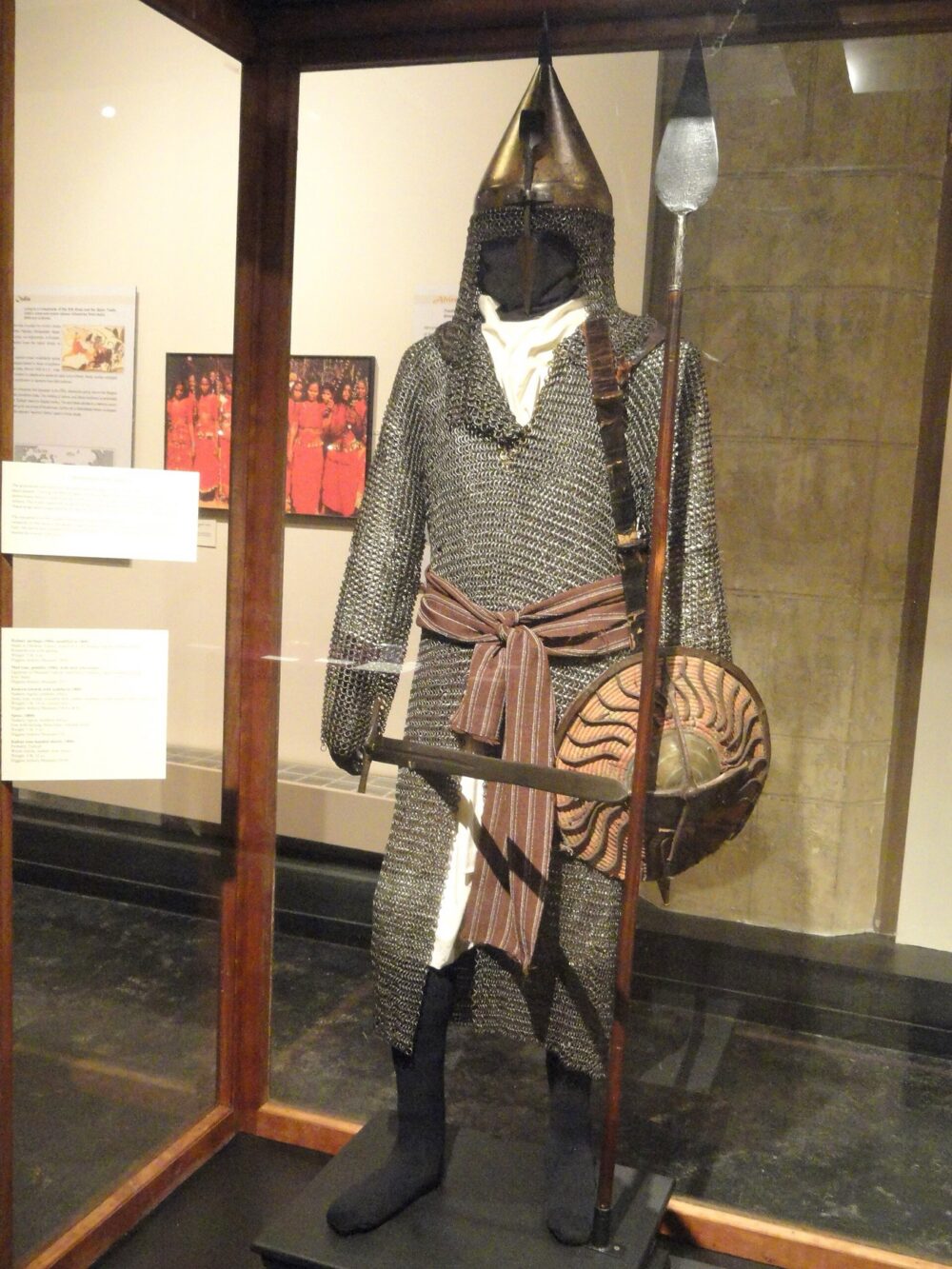
Frog‑mouth helmets are niche armor pieces. To choose the right one, decide first whether you need jousting‑grade steel, a convincing cosplay replica, or a frog‑themed novelty shell. Historical frog‑mouth helms are heavy, tournament‑only armor with a jutting visor and narrow eye slit, while most items sold online today are decorative or costume‑grade. DHgate is mainly relevant if you’re looking for themed or costume helmets and accessories, not if you need a serious replica built for impact training.
Once your use case is clear—collection, reenactment, cosplay, décor, or resale—you can match it to the right type of frog helmet armor and set realistic expectations for safety, durability, and price.
What Frog‑Mouth Helmet Armor Actually Is (and Isn’t)
A frog‑mouth helmet (often called a Stechhelm) is a late‑medieval jousting helm. It has a tall, boxy form with the face section thrust forward and a narrow horizontal eye slit, shaped so a lance sliding up a shield is deflected away from the opening rather than into it. You can see this profile in museum‑style descriptions on sites like Avalon Sibyl, which frame it as tournament armor rather than battlefield gear.
Specialist medieval armor shops such as Medieval Armour sell frog‑mouth helms in steel as replicas, aimed at collectors, reenactors, and jousting enthusiasts. These listings typically emphasize craftsmanship, historical styling, and materials, but they’re marketed as replica armor—not as certified safety equipment.
That’s very different from frog‑themed helmets and covers you might see elsewhere online: bright green fabric shells with big eyes and an open mouth that slip over a motorcycle or bike helmet, like the novelty cover described on Walmart’s business portal. Those covers change how a helmet looks but don’t replace the protective core.
So when you see “frog helmet armor” in a product title, it can mean:
- A historically shaped frog‑mouth jousting helm
- A modern decorative or cosplay piece in frog‑mouth style
- A cute frog cover on top of a regular sports or motorcycle helmet
Your first decision is which of those you actually want.
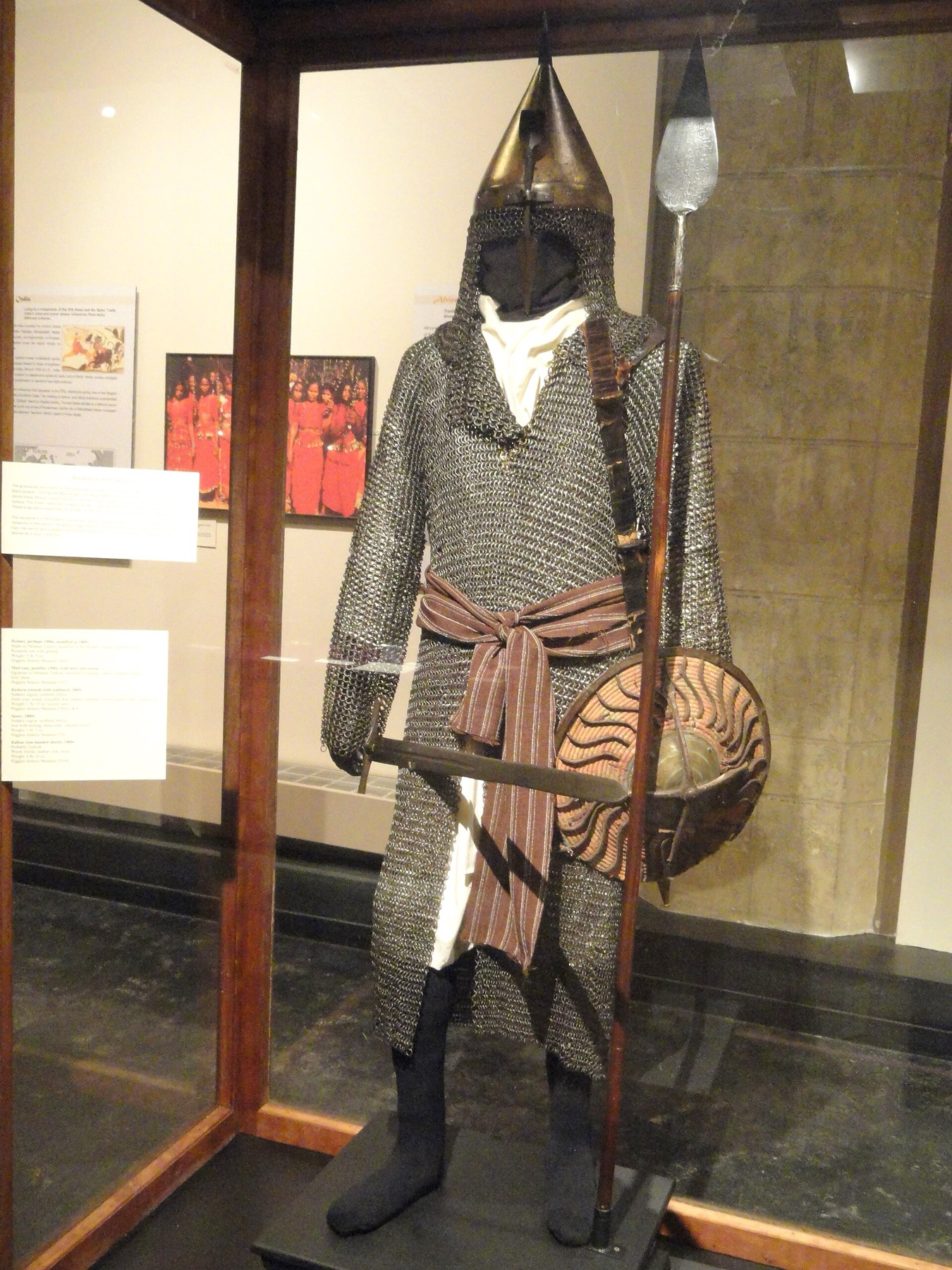
Types of Frog Helmets and Frog‑Themed Armor Online
If you search across specialist armor sites, 3D marketplaces, and mass retailers, frog‑related helmet products fall into a few clear buckets.
1. Replica steel frog‑mouth helms
On medieval armor sites such as Medieval Armour and similar shops, you’ll find:
- Material: Typically carbon steel or stainless steel
- Thickness: Often around 16-18 gauge in product descriptions (thinner for purely decorative pieces)
- Features: Fixed or limited‑movement visor, narrow viewing slit, and minimal ventilation
- Audience: Collectors, reenactors, sometimes jousting clubs, but positioned as replica armor
The same design occasionally appears as part of a full suit. For example, Artizans Hub shows a medieval jousting armor suit with frog‑mouth helmet, marketed as handcrafted warrior décor or a collector piece. The emphasis there is on visual impact and craftsmanship, not sport certification.
2. 3D‑printed frog‑mouth helmets for cosplay or display
3D marketplaces like Cults3D host STL files for frog‑mouth helmets described as “wearable armor” for cosplay or display. Typical traits:
- Material: Depends on your filament or resin—often PLA or similar
- Structure: Hollow shells, sometimes with suggested wall thickness; not engineered for real impacts
- Use case: Costume armor, convention wear, display on a stand
These designs are great if you need multiple lightweight helmets for a cosplay store or stage props, but they’re not impact‑tested.
3. Frog‑mouth style partial suits and décor armor
Full suits that include a frog‑mouth helmet, like the Artizans Hub example, give you:
- A coordinated look with breastplate, pauldrons, gauntlets, and helm
- Matching finish (polished, antiqued, or patinated steel)
- Often a stand or mounting hardware for display
They’re sold as interior décor, themed venue pieces, or high‑ticket collector items. Weight, mobility, and safety standards are secondary.
4. Frog‑themed fabric helmet covers and shells
Novelty frog helmet covers, such as the green frog motorcycle cover on Walmart’s business site, usually offer:
- Material: Stretch fabric or plush material
- Fit: Sized to go over a certified helmet (motorcycle, bike, ski, etc.)
- Purpose: Styling and visibility; the underlying helmet provides protection
These are useful if you’re a small retailer in Australia looking for easy‑ship, low‑risk inventory: a fun accessory that doesn’t require explaining armor specs.
Here’s how these types compare at a glance:
| Product type | Intended use | Typical material | Safety expectation* |
|---|---|---|---|
| Replica steel frog‑mouth helm | Collection/reenactment | Carbon/stainless steel | Replica; no stated certification |
| Full suit with frog‑mouth helmet | Décor/collector display | Steel armor components | Décor; not sold as sport gear |
| 3D‑printed frog‑mouth helmet STL | Cosplay/display | User‑printed plastic | Costume; not impact‑tested |
| Frog fabric helmet cover | Styling over real helmet | Stretch/plush fabric | Pure styling; helmet underneath |
*Always read the listing; most of these are not presented as certified protective equipment.
Buying Factors and When DHgate Makes Sense
Once you know which category you’re in, you can narrow specs and decide where to shop.
Lock the use case first
Ask yourself:
- Jousting or full‑contact training? Stay with local clubs’ guidance and armor specialists; look for documented standards and, ideally, region‑specific recommendations.
- Reenactment or collection? Replica steel helms or full suits from specialist shops make sense, even if they’re mostly display pieces.
- Cosplay or stage props? 3D‑print STL files or lighter replica helms are easier to wear and ship.
- Novelty or resale accessories? Frog helmet covers and themed shells are low‑risk inventory for small ecommerce stores.
Material, thickness, and finish
For replica armor:
- Check the steel type and gauge in the product description. Medieval armor retailers often specify 16-18 gauge for helms, which gives you a sense of heft.
- Assess finish: polished mirror vs. antiqued or brushed steel. For décor, scratches and patina can be desirable; for resale, most buyers prefer a clean, even finish.
For 3D‑printed helmets:
- Look at wall‑thickness recommendations in the STL description on sites like Cults3D. Thicker shells feel sturdier but weigh more and print longer.
- Plan ventilation and padding yourself; most files focus on outer shape, not wearer comfort.
For fabric frog covers:
- Confirm they’re explicitly marketed as covers for existing helmets, like the novelty frog cover on Walmart’s business portal, which is framed as “helmet styling” and a “novelty riding accessory,” not protection.
Sizing and comfort
Replica frog‑mouth helms often have limited interior space and a fixed visor. If a listing from a medieval armor shop offers sizing (head circumference, adjustable liner, or custom fit), treat that as a plus. For cosplay helmets, prioritize:
- Enough room for padding
- Ability to see and breathe during events
For fabric covers, focus on compatibility with common helmet shell sizes you or your customers already use.
Where DHgate can be relevant
DHgate’s own editorial blog describes a broad range of helmets and sports protective gear from multiple sellers, emphasizing that buyers can compare designs, colors, and features across listings. That makes it a reasonable place to browse costume‑grade or frog‑themed accessories—for example, playful helmet shells or covers—if you’re comfortable doing your own vetting.
For serious frog‑mouth replicas or armor suits, DHgate is less of a natural fit. Specialist medieval retailers and 3D marketplaces clearly label frog‑mouth designs, materials, and thickness, which is crucial when you’re paying for a specific historic style. Use DHgate more as a general helmet and novelty‑gear marketplace than as a dedicated source of jousting armor.
Quick buyer checklist
Before you commit, run through this short list:
- Have I clearly chosen between armor replica, cosplay prop, and novelty cover?
- Does the listing state material and, for metal, a gauge or thickness?
- Is the product positioned as display/replica rather than certified protective gear—and does that match how I’ll actually use it?
- For cosplay or resale, can I realistically manage weight, comfort, and shipping to Australia?
- If I’m browsing DHgate or other mass marketplaces for frog‑themed pieces, am I treating them as styling accessories, not armor?
For additional DHgate platform context, use What DHgate is and how the marketplace works, Find trusted sellers on DHgate, and Review the DHgate order-readiness checklist.
If your answers line up with the product type and channel, you’re in the right territory; if they don’t, step back and choose a different frog helmet option or a more specialized seller.