
Baroque wall clocks sit in a niche between art and hardware, and you can buy them across several very different channels. If you want genuine antiques or high-end reproductions, markets like 1stDibs and some Etsy sellers are the main hunt. If you just need a dramatic, Baroque-inspired decor clock, big-box marketplaces and decor sites like Wayfair or Walmart are easier. Cross-border platforms such as DHgate can add a low-cost, higher-volume route for ornate clocks, but typically for modern decorative pieces rather than verified antiques, so listing-level checks matter.
The right channel for you depends on how strict you are about authenticity, how ornate you want the design to be, and whether you’re buying one clock for your living room or a small batch for resale.
What Counts as a Baroque Wall Clock Today
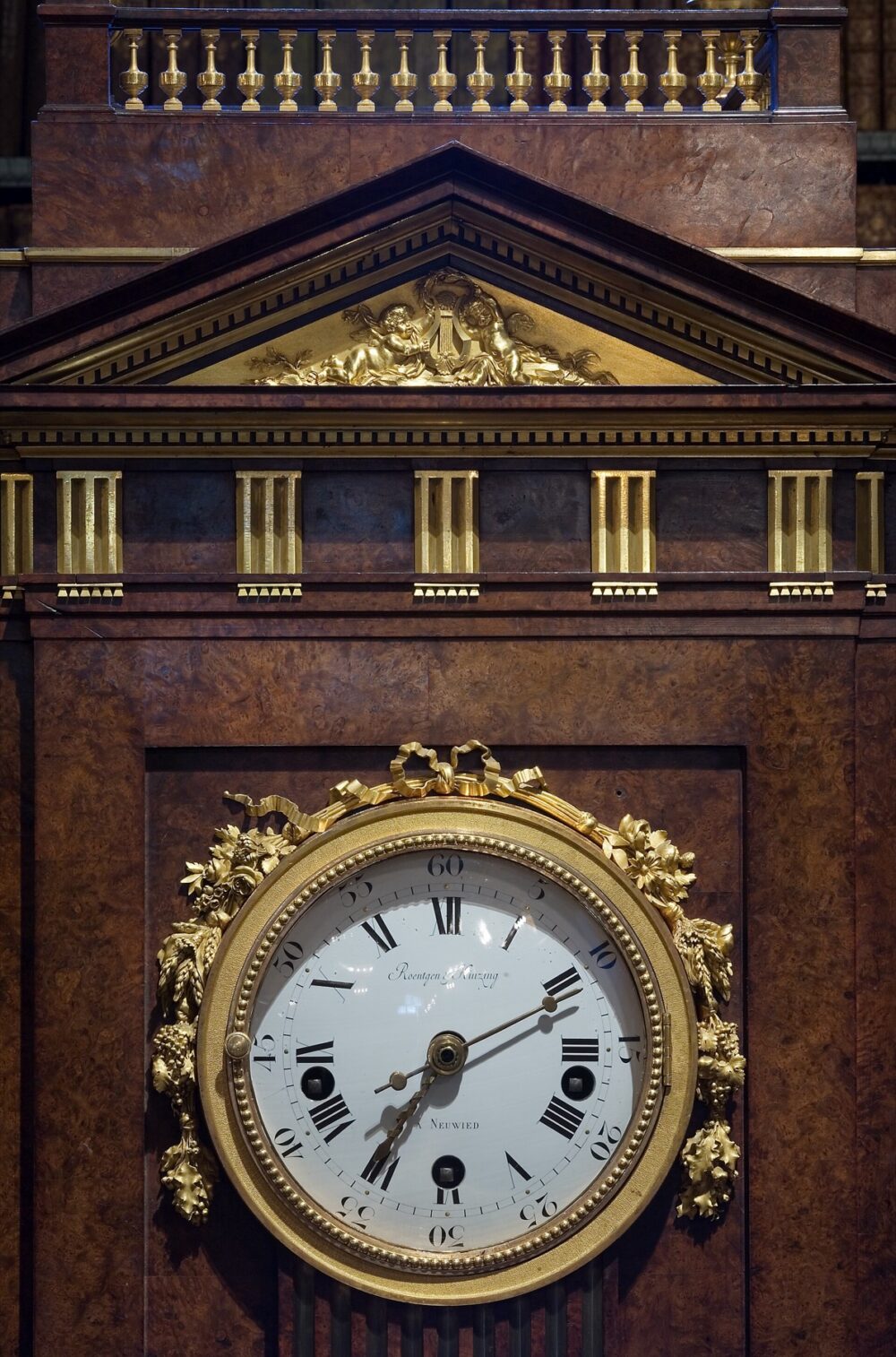
Online, “Baroque wall clock” usually describes the look, not a museum-grade object from the 17th century.
Baroque aesthetics are all about drama and ornament: heavy carving, flowing curves, and visual richness. Common traits you’ll see in listings include:
- Gilded or gold-toned frames
- Intricate scrolls and acanthus leaves
- Floral or shell motifs around the dial
- Classical figures or crest-like ornaments at the top
You can see these details clearly on Etsy pieces tagged as Baroque-style, like this ornate gold wall clock, which uses a modern movement inside a highly embellished frame.
Most listings fall into one of three buckets:
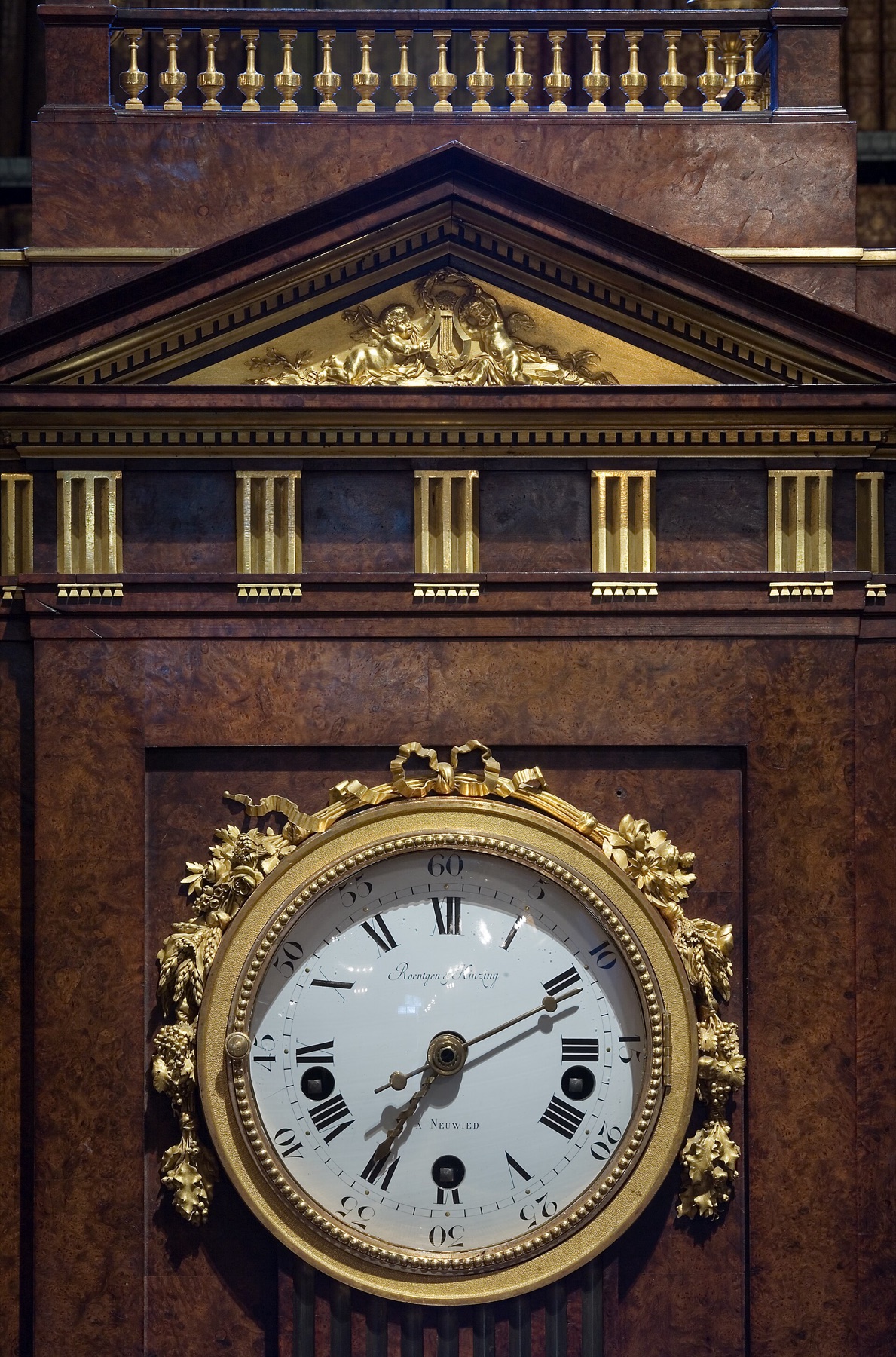
- True antiques or near-antique clocks. These tend to be French or Central European pieces with gilt bronze or carved wood cases. Sites like 1stDibs’ Baroque clocks category and some auction-style platforms highlight age, maker, and provenance.
- Vintage and reproduction Baroque-style clocks. Often mid-20th-century or newer, using molded resin or cast metal to mimic carved wood. Etsy has a mix of vintage Syroco-style gold clocks and new handmade Baroque-style designs.
- Modern decor clocks with a Baroque pattern. These lean more graphic—think a printed Baroque motif or simplified scrollwork on a metal frame. Wayfair’s Baroque design wall clocks show this decor-first approach, typically with quartz movements and Roman numerals.
Understanding whether you’re buying “period Baroque,” “Baroque revival,” or just “Baroque-inspired” helps you pick the right platform and avoid paying antique-level prices for mass decor.
Key Buying Factors for Ornate Baroque Clocks
With Baroque clocks, the challenge is balancing showpiece looks with usability and risk.
1. Movement and noise
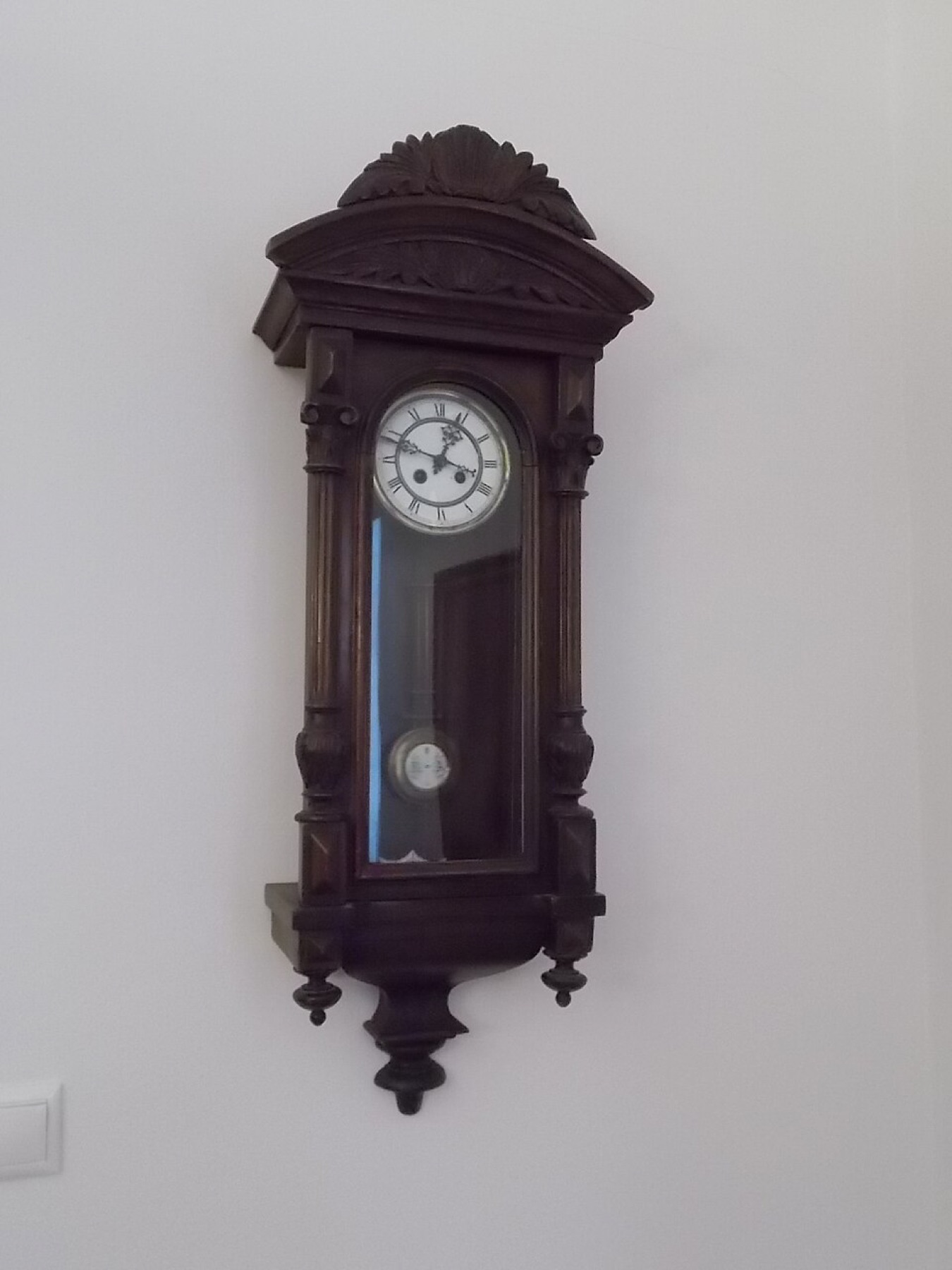
Most modern Baroque-style wall clocks use quartz movements; older ones may be mechanical.
- Quartz: Battery-powered, generally accurate and low-maintenance. For living rooms and bedrooms, look for “silent” or “sweeping second hand” in the description if ticking would bother you.
- Mechanical: Wound by key or weight. They feel more authentic but require regular winding and occasional servicing. Antique mechanical clocks need specialist work if something breaks.
Highly decorative clocks can hide a small dial inside a big frame. Before you buy, check photos and text for movement type plus any mention of noise—especially on cross-border listings where “silent” may be used loosely.
2. Readability vs ornament
Baroque frames often overwhelm the face. To avoid a clock you can’t read:
- Check dial size in inches or centimeters, not just overall dimensions.
- Look closely at numerals (bold Roman numerals are usually easier to read than thin script).
- Make sure the hands contrast with the dial background.
DHgate’s own guidance on decorative wall clocks emphasizes that good living-room clocks need clear faces and appropriate sizing, not just a fancy border. Apply that same mindset here: if all the listing photos focus on the frame and never zoom in on the dial, treat it as a warning sign.
3. Materials and finish
Materials signal both durability and how “luxury” the clock will feel in person.
- Gilt bronze/brass, solid wood: Typical of higher-end antiques and premium reproductions. Heavier, more expensive, more convincing in a formal interior.
- Resin, MDF, lightweight alloys: Common on Etsy reproductions and mass-market decor clocks from Wayfair/Walmart; they keep costs down but can look plasticky at close range.
For cross-border decorative sourcing (including China-based suppliers on marketplaces like DHgate), expect more resin and alloy frames marketed as Baroque. If you’re reselling, ask for material details and close-up photos so you know how the finish will photograph.
4. Authenticity and claims
True antique Baroque or Baroque revival clocks sit in a different category legally and financially than new decor pieces.
- On antique-focused platforms such as 1stDibs, you’ll see age ranges, origin (e.g., “French gilt bronze”), and sometimes maker attribution. Treat those as claims, not guarantees—if the age or origin affects value, consider independent appraisal once the clock arrives.
- On mixed markets like Etsy, “Baroque-style” often just means the frame design. A clock described only as “vintage-style” or “Baroque-style decor” with no dates is almost certainly a modern piece.
Importing genuine antiques can trigger customs, CITES, or cultural-property rules. If you suspect a clock is genuinely old or made from regulated materials, talk to a specialist or customs broker rather than relying on a marketplace description.
5. Cross-border checks for ecommerce buyers
If you’re a small ecommerce business looking to stock Baroque-style clocks from overseas suppliers:
- Compare photos and descriptions across multiple listings; identical images under different brand names often signal generic factory production.
- Ask about packaging and drop tests—ornate frames with protruding details are prone to damage.
- Confirm battery type and any local compliance marks you need (for example, whether the movement already carries general certifications in its home market).
Best Online Channels to Find Baroque Wall Clocks
You don’t have to browse every site. Matching your use case to the right channel saves time and reduces risk.
Channel fit by budget and authenticity
Here’s a quick comparison of how major options line up for Baroque-style wall clocks:
| Channel type | Typical use-case | Authenticity level | Budget range (relative) | Volume suitability |
|---|---|---|---|---|
| Antique/vintage marketplaces (1stDibs) | Collectors, high-end residential interiors | Genuine antiques & premium reproductions | $$$$ (highest) | Mostly single pieces |
| Mixed handmade/vintage (Etsy) | Statement decor, unique gifts, small resellers | Mix of vintage, handmade, reproductions | $$–$$$ | Small batches possible |
| Mass decor retail (Wayfair, Walmart) | Everyday home decor, quick refresh | Modern Baroque-inspired designs | $–$$ | Good for repeat retail |
| Baroque/rococo wholesalers | Formal European-style interiors, boutique stores | New luxury Baroque-style decor | $$$ | Designed for multi-unit orders |
| Cross-border marketplaces (e.g., DHgate) | Budget decorative sourcing, online shops needing margin | Modern decorative, style-focused | $ | Suits higher-volume orders |
Relative budget symbols here are editorial judgment, not fixed prices, and individual listings can vary widely.
Where to look first based on your goal
You want a true antique or investment piece. Start with curated marketplaces that explicitly label Baroque clocks by style and period. The Baroque clocks selection on 1stDibs shows examples with gilt bronze cases and detailed descriptions of origin. Expect to pay a premium and to factor in appraisal and shipping.
You want an ornate statement clock for your home, but not necessarily antique. Etsy is strong here: searching for “Baroque style clock” or “French Baroque wall clock” surfaces both vintage carved pieces and newer handmade designs with lavish frames. For more standardized products and straightforward returns, you can browse Baroque-pattern wall clocks on Wayfair or decorative options on Walmart. These usually use modern quartz movements and emphasize easy installation.
You’re outfitting a formal, European-style interior or boutique showroom. Dedicated Baroque/rococo decor wholesalers such as Barockgrosshandel’s luxury wall clocks focus on opulent frames, often with matching mirrors and furniture. These sites are geared toward professional buyers, usually with higher per-piece pricing but consistent style families that work across a whole room.
You’re a small ecommerce seller testing Baroque-style clocks as a product category. Mass decor marketplaces (Wayfair, Walmart) and mixed markets (Etsy) are good for small initial orders. If you need lower landed cost and are comfortable doing more product vetting, cross-border platforms like DHgate can offer decorative Baroque-style clocks from China-based suppliers in larger quantities. In that scenario, treat each listing as a separate product to be evaluated—design clarity, materials, packaging, and sample quality—before you build your brand story around it.
The most efficient path is to decide upfront whether “Baroque” for you means a historically grounded piece or simply a richly ornate look. From there, the right channel usually becomes obvious, and you can reserve the more complex cross-border sourcing routes for cases where price and volume trump authenticity.