
If you want great vintage pink shoes, start by deciding whether you need truly vintage pairs (older, often one-offs) or you’re happy with vintage-inspired styles that nail the look without the age. From there, narrow by era (’50s pin-up pumps, ’70s platforms, ’90s chunky sneakers), shade of pink, materials, and how long you actually plan to stand or walk in them. Compare photos and descriptions across multiple marketplaces, and treat DHgate as one more discovery channel for retro-inspired pink shoes rather than a primary source for museum-level vintage.
This guide focuses on the shoes themselves: what “vintage” means, how to read specs, and how DHgate listings fit alongside specialty vintage boutiques and resale platforms.
What Counts as a “Vintage” Pink Shoe Today?
In everyday shopping, “vintage pink shoes” usually means one of two things:
- True vintage – shoes produced decades ago, often pre-2000, with era-accurate construction and wear. These show up on consignment and resale platforms or specialist boutiques.
- Vintage-inspired – modern shoes that copy old silhouettes, colors and detailing (like ’50s sweetheart pumps or ’70s block-heel sandals) but are manufactured now.
Retailers like TopVintage’s pink pumps section highlight both true vintage and vintage-inspired designs using era language (think “50s style,” “retro,” “pin-up”). That’s a good clue: if the description leans heavily on “style” and “inspired,” you’re likely looking at a new shoe made to look old.
Common style families to decide between:
- Dressy heels and pumps – slingbacks, T-straps, peep toes, kitten heels, block heels. Ideal for weddings, parties, or editorial looks.
- Flats and Mary Janes – ballet flats, cap-toe styles, almond-toe Mary Janes for everyday wear with skirts or cropped pants.
- Sneakers and sporty shoes – 80s/90s-inspired runners or court sneakers in pastel or bubblegum pink; more practical for daily streetwear.
- Boots and booties – pink ankle boots with block heels, Victorian-style lace-up boots in dusty rose.
Before you start scrolling listings, decide your main use case:
- One-off event (wedding, cosplay, editorial shoot) – you can prioritize look over long-term durability.
- Everyday wear – you need sturdier materials, realistic heel heights, and replaceable soles.
- Resale or small shop inventory – you need styles that can be reordered or sourced repeatedly, which usually means vintage-inspired rather than one-of-a-kind true vintage.
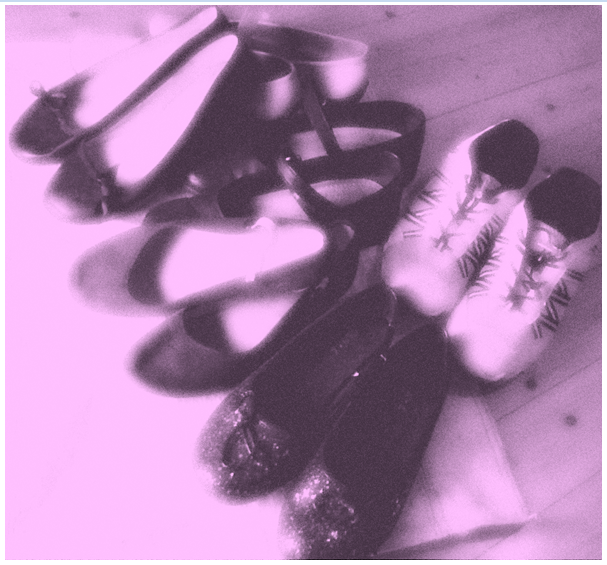
Specs to Compare: Shade, Era Style, Materials, Wearability
Vintage shoe guides consistently stress style, authenticity (for true vintage), build quality and fit as the core things to judge. For pink shoes, color and silhouette add extra decisions.
Shade of pink and outfit impact
Color-focused guides like Lace & Layer’s pink shoes outfit color guide show how different pink tones change the mood of an outfit:
- Soft blush or dusty rose – reads more neutral and pairs easily with black, navy, denim and florals. Good for everyday and office looks.
- Mid-tone bubblegum pink – visibly playful; works with casual dresses, jeans and monochrome pink outfits.
- Hot pink/fuchsia – loud and ‘80s or Y2K-coded; stronger contrast against neutrals, often better for statement heels or sneakers.
When comparing listings, check photos in different lighting and look for words like “blush,” “nude pink,” “fuchsia,” or “neon.” These are rough signals of how bold the shoe will look in person.
Era-inspired style and silhouette
Editorial style overviews like Pink Addict’s pink shoes guide show how pink shows up across sneakers, heels, flats and boots for all genders. For vintage-leaning pairs, pay attention to:
- Toe shape: Round and almond toes feel ’40s–’50s; sharp points skew ’60s mod or ’80s glam.
- Heel type:
- Kitten heels (low, tapered) – mid-century vibe, more walkable.
- Block heels – strong in ’70s styles, modern-friendly comfort.
- Stilettos – later vintage and retro, more demanding to wear.
- Straps and details: Mary Jane straps, ankle straps, bows, piping, perforations, or contrast caps all pull the shoe toward specific decades.
When a listing claims “vintage” without clear era cues in photos, treat it as a general retro style, not a historically accurate reproduction.
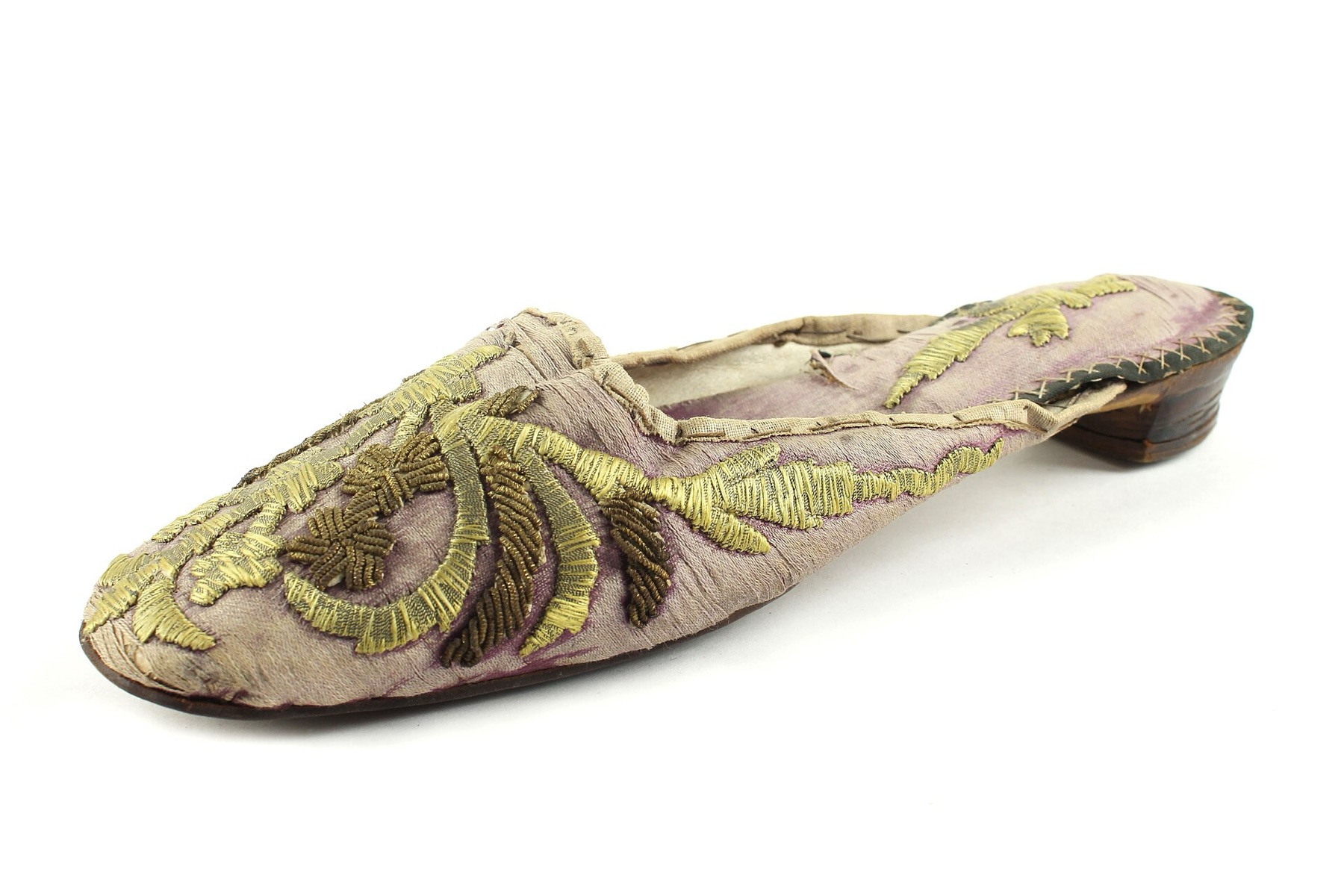
Quick contrast: true vintage (like the historic pink silk slipper above) often has distinctive construction and aging you will not see on new, vintage-inspired shoes.
Materials and construction
Because many “vintage” pink shoes online are new, you’re often choosing between modern materials:
- Leather (or high-quality faux leather): Better mold to your foot over time, often more durable for heels and boots.
- Textiles (satin, canvas, silk, lace): More fragile, especially on toes and heels; best for occasional dress wear.
- Synthetic uppers and soles: Common in mass-produced retro-inspired shoes. Durability varies; check for close-up photos of stitching, glue lines, and edges.
For true vintage, watch for:
- Creasing, cracking, or flaking on leather.
- Lifted soles or loose heels.
- Insole discoloration or compressed padding.
Those details matter more than the “vintage” label itself if you actually plan to walk in the shoes.
Wearability and heel height
Look beyond the style name and scan for:
- Heel height range: If a listing only shows a dramatic pump in photos with no measurements, assume it’s high and plan accordingly.
- Platform vs non-platform: Platforms can make tall heels feel more stable and era-accurate (especially for ’70s looks).
- Closure: Buckles, straps, or laces are more secure than plain slip-ons, especially in older or replica shoes.
For everyday pairs, prioritize block or kitten heels and closed backs. For event-only wear, you can tolerate steeper silhouettes, but don’t assume all “vintage-inspired” shoes are comfortable; comfort depends on modern construction, not just the style name.
A quick comparison table
Here’s a compact way to think through options:
| Shoe type | Typical vintage vibe | Comfort level (editorial judgment) | Best use case |
|---|---|---|---|
| Blush kitten-heel pump | 1950s pin-up, ladylike | Moderate to good | Weddings, office, dressy events |
| Hot-pink stiletto heel | 1980s glam, Y2K statement | Low to moderate | Parties, photos, short wear |
| Bubblegum pink Mary Jane | 60s/70s, schoolgirl chic | Good (if heel is low/block) | Everyday with dresses/skirts |
| Pastel pink court sneaker | 80s/90s sporty/retro | High | Daily streetwear, resale stock |
| Dusty rose ankle boot | 70s or modern retro mix | Moderate (depends on heel) | Fall outfits, capsule wardrobes |
Finding Vintage-Style Pink Shoes Across Marketplaces (Including DHgate)
Once you know your shade, silhouette and wearability needs, you can decide where to look.
Where true vintage usually lives
If you want authentically old pink shoes (e.g., branded 90s sneakers or mid-century pumps), you’ll typically find them on:
- Specialty vintage boutiques and museums’ shop sections.
- Resale platforms and consignment sites, where each listing is usually one specific, aged pair.
Those channels are better for collectors or buyers who care about original-era production, but stock is limited and sizes are hit-or-miss.
Where retro-inspired pink shoes are abundant
For new, vintage-inspired pink shoes (including heels, flats and sneakers), larger marketplaces and fashion retailers often have deeper, repeatable inventory:
- Multi-brand fashion sites that carry retro-styled pumps and Mary Janes.
- General marketplaces with many third-party sellers producing their own interpretations of vintage styles.
For example, DHgateFinds highlights a pink sneaker style under a “Campus 00s ‘Scarlet Pink Gum'” page, which gives you imagery and basic listing context without you manually digging through every DHgate search result. Treat these tools as starting points, not final proof of quality.
A note for small resellers
If you run a small shop or online boutique:
- True vintage pink shoes can be great one-off story pieces but are hard to restock and size consistently.
- Retro-inspired pink shoes from cross-border marketplaces are usually more repeatable: you can reorder the same style and color multiple times, assuming the seller keeps producing them.
That makes DHgate and similar marketplaces more relevant for building a cohesive inventory of pink sneakers or classic-style pumps, while specialty vintage channels are better for occasional standout finds.
If you do include DHgate in your sourcing mix, pair product discovery with listing-level due diligence. For deeper help on evaluating individual DHgate shoe listings before you buy, see how to evaluate DHgate shoe listings, which stays focused on evidence in photos and descriptions.
How to Use This Guide in Practice
To turn all of this into a concrete decision:
- Write down your target era (e.g., “50s-style pumps” or “90s pink sneakers”), shade (blush vs hot pink), and wear frequency (event-only vs weekly).
- Decide whether you care about authentic vintage or are fine with new vintage-inspired shoes.
- Use that to choose channels: specialty vintage/resale for true vintage; fashion retailers, large marketplaces and cross-border sites like DHgate for retro-inspired.
- For every listing you shortlist, judge it by:
- Era cues in shape, heel and details.
- Color tone in multiple photos.
- Materials and visible construction quality.
For additional DHgate platform context, use What DHgate is and how the marketplace works, Find trusted sellers on DHgate, and Review the DHgate order-readiness checklist.
If a listing looks good on all four, you’re far more likely to end up with vintage pink shoes that not only match your aesthetic, but actually get worn — or resold successfully — more than once.