
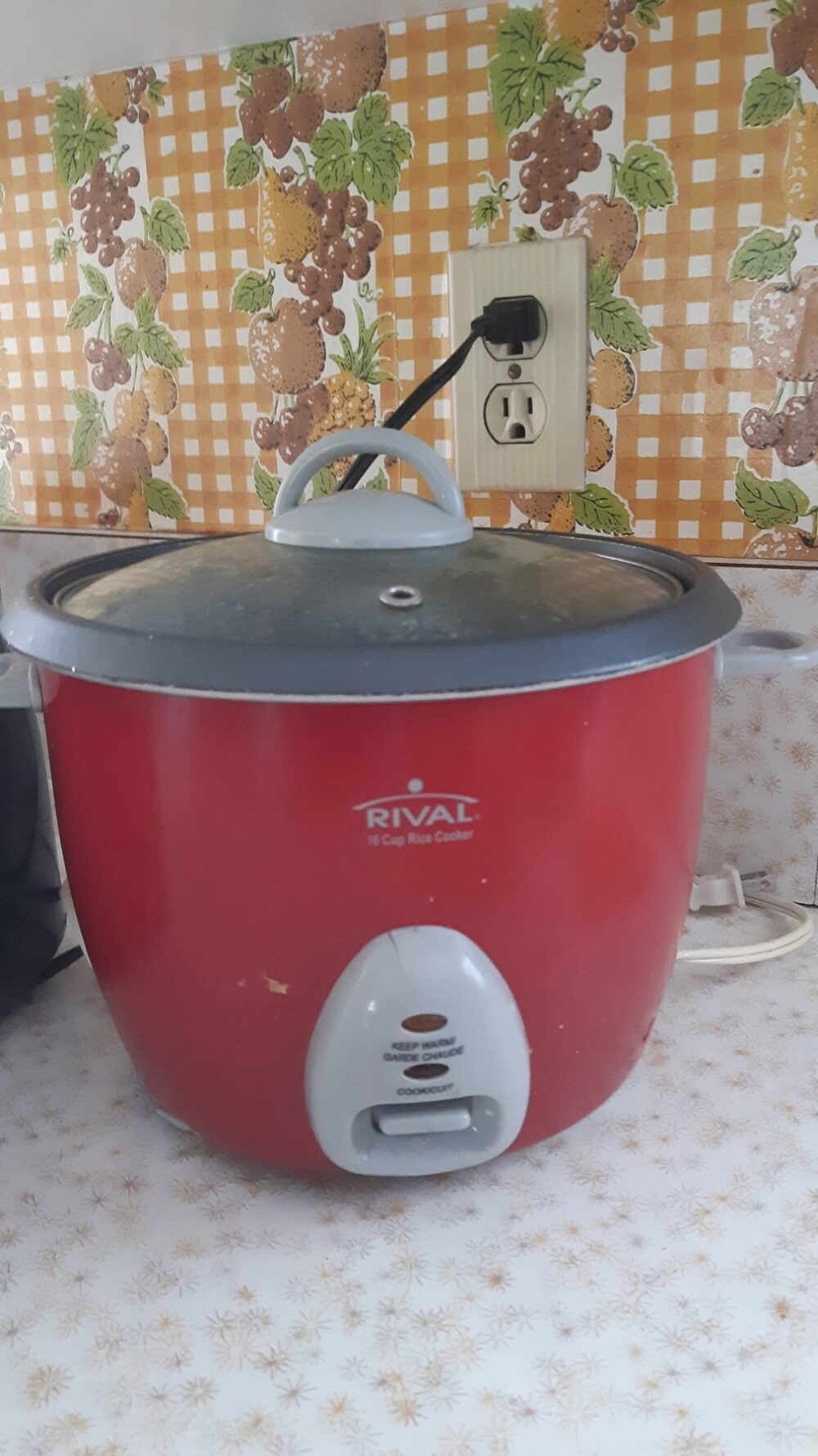
Most Rival rice cookers, steamers, manuals, and parts you’ll find online today are on resale and classifieds sites, not big retail. Original Rival-branded units show up intermittently on platforms like eBay, Mercari, and Kijiji as second-hand appliances or old stock. DHgate is more relevant if you’re willing to buy compatible generic cookers or spare parts instead of exact Rival replacements, and you should treat each listing as a separate product rather than expecting model-specific Rival stock.
If your goal is to keep an existing Rival cooker running, you’ll usually be piecing together manuals and compatible components rather than ordering a factory-fresh replacement. For Canadian buyers and small ecommerce sellers, that means mixing three channel types: resale marketplaces for true Rival units, general retailers for modern substitutes, and cross-border marketplaces for generic parts.
What Rival Rice Cookers & Steamers Are and Why Originals Feel Scarce
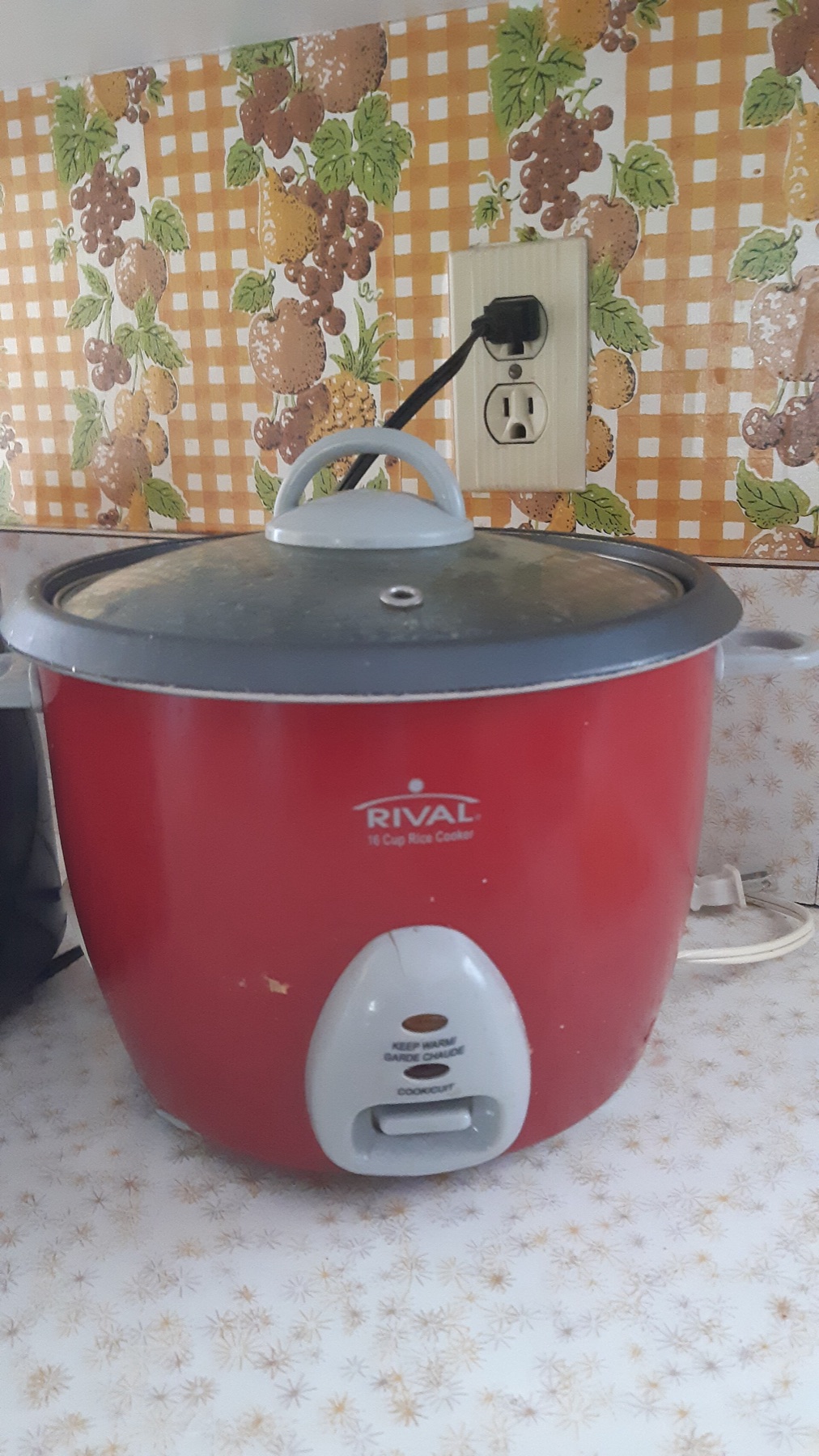
Rival is a legacy kitchen appliance brand best known for simple, automated cookers that handle white rice and often ship with a steamer basket for vegetables or dumplings. Typical units are compact countertop machines with a single lever or button, a removable inner pot, and an automatic switch from cook to keep-warm.
If you browse Rival-branded rice cookers on resale platforms like eBay Canada, you’ll notice most listings are individual units: older 6-16 cup cookers, clear-lid designs, and steamers that look like they’ve lived a few kitchen lives.[c1] That pattern repeats on US-focused resale apps such as the Rival clear rice cookers section on Mercari and local Canadian classifieds, where you might see a lone “Rival automatic steamer and rice cooker” offered in Calgary or a “Rival rice cooker” listing in Brockville on Kijiji.[c2]
New mass-market distribution for Rival has largely faded, so there isn’t a reliable pipeline of boxed, current-generation Rival cookers. Instead, you’re dealing with legacy inventory and household resellers. That scarcity is why you rarely see Rival listed by major Canadian retailers’ rice cooker categories, even though those retailers stock plenty of other brands.[c5]
Key Buying Factors for Rival Units, Compatible Parts, and DHgate-Like Alternatives
If you’re open to either an original Rival or a close substitute, you’re balancing two decisions: preserving your specific model versus getting equivalent cooking performance from another brand.
Capacity and use-case
Think about how much rice you actually cook. Older Rival units often sit in the 6-16 cup cooked range, which works for families or small food businesses.[c1] If you replace the cooker with a non-Rival brand, aim for similar capacity so your recipes and batch sizes still work.
Inner pot materials and wear
Legacy Rival cookers typically use a non-stick coated pot that can chip or wear over time.[c1] If you’re hunting parts online, you’ll rarely find a pot explicitly labeled for “Rival [your model number].” Instead, you might match dimensions and voltage using your instruction manual and buy a generic inner pot. Stainless steel inner pots tend to be more durable and avoid coating concerns, but they’ll change how quickly rice sticks compared with your original.[c4]
Cooking performance: multi-grain and keep-warm
Rice cooker comparisons consistently show that capacity, multi-grain capability, and keep-warm behavior matter more than brand name.[c4] Cheaper models often overheat on keep-warm, drying out the rice after a couple of hours, while better units hold moisture longer and handle brown or mixed grains with dedicated modes.[c4] If you move away from Rival, prioritize those performance traits in the spec sheet and reviews instead of chasing a logo.
Voltage, durability, and energy use
Before ordering lids, pots, or power cords from any generic marketplace, confirm:
- Your Rival model number and wattage (from the bottom plate or manual).
- Pot diameter and height, so a generic inner pot actually fits in the housing.
- Plug type and voltage match (most North American Rival units are 120V).
Older Rival cookers can be simple and long-lived, but many modern substitutes add features like automatic shut-off or eco modes that help manage energy use.[c4] For small resellers, these added features can be a selling point versus second-hand legacy units.
You can use the instruction manual library at the RivalProducts manuals page to check diagrams and specs.[c6] That’s especially useful if you only remember the unit visually and need the exact model number before matching parts.
How DHgate fits in this mix
DHgate is a global online marketplace where manufacturers and wholesalers list products directly, including many generic rice cookers and accessories.[c3] It’s a possible channel if you’re sourcing compatible pots, steam trays, or off-brand cookers in bulk, but Rival-branded appliances are not a given. Treat each listing as its own product: match dimensions and voltage carefully, and assume you’re buying a non-Rival substitute unless the listing clearly states otherwise.
Channel comparison: originals vs substitutes
You’ll make different trade-offs depending on whether you prioritize the Rival brand, modern features, or bulk sourcing. The table below summarizes the main roles of common channels for Canadian buyers and small resellers.
| Channel type | Typical role for Rival and substitutes | Key pros for Canadian buyers/sellers | Main limitations |
|---|---|---|---|
| Resale/classifieds (eBay, Mercari, Kijiji) | Main source of Rival-branded cookers and steamers, usually second-hand or old stock.[c2] | Access to legacy Rival models and occasional new-old stock; local pickup can avoid border charges. | Inventory is unpredictable; condition varies; cross-border purchases may incur duties or brokerage fees. |
| Big-box retail (Best Buy Canada, Home Depot Canada) | Stock current non-Rival rice cookers and steamers as functional substitutes.[c5] | New units with clear specs and modern features; easier returns; no surprise duties within Canada. | Rarely carry Rival-branded units; assortments focus on contemporary brands. |
| Grocery chains (Loblaw banners) | Offer budget-friendly rice cookers and steamers as everyday substitutes for simple use-cases.[c5] | Convenient local shopping; frequent promotions; suitable for basic white-rice cooking needs. | Limited feature sets; more focus on price than multi-grain performance or build quality. |
| Global B2B marketplaces (Cross-border multi-seller, similar) | Provide generic rice cookers, inner pots, and steam accessories that can be matched to Rival specs.[c3] | Potential for bulk sourcing and a wide range of generic parts and units. | Original Rival branding not guaranteed; requires careful spec matching and attention to shipping terms. |
Best Online Channels for Rival Cookers, Steamers, Manuals, and Substitutes
Canadian buyers usually need a channel mix. Here’s how the main options tend to break down in practice.
Resale and classifieds: where most Rival units actually live
If your priority is keeping the Rival nameplate and aesthetic, resale is your primary hunting ground:
- eBay (Canada and US) – Rival rice cookers appear on eBay.ca mostly as individual used or new-old-stock units, often with photos that show wear level and included accessories.[c1]
- Mercari (US-only shipping) – Sections like the Rival clear rice cookers page on Mercari feature individual listings of older models.[c2] Canadian buyers need to consider cross-border shipping or a reshipper.
- Kijiji and similar local apps – Listings such as “Rival automatic steamer and rice cooker” in Calgary or “Rival rice cooker” in Brockville on Kijiji illustrate what you’ll typically see: one-off appliances offered within driving distance.[c2]
This channel is best if you:
- Want a direct replacement unit rather than parts.
- Are willing to accept cosmetic wear and uncertain age.
- Prefer local pickup to avoid duties and carrier brokerage fees on cross-border parcels.
Big-box and grocery retail: realistic sources for substitutes
If you mainly care about function—cooking reliable rice and steaming vegetables—modern non-Rival cookers sold in Canada may be a better bet.
Retailers like Best Buy Canada’s rice cooker category and Home Depot Canada’s rice cooker and steamer section stock current brands with new units.[c5] Large grocery chains under the Loblaw umbrella (Loblaws, No Frills, Maxi, Atlantic Superstore, Zehrs) each maintain rice cooker and steamer assortments on their sites, typically at budget-friendly price points.[c5]
These channels won’t usually list Rival specifically, but they excel at:
- New units with clear specs (capacity, multi-grain settings, keep-warm claims).[c4]
- Consistent supply if you’re a small reseller looking to restock the same model.[c5]
- Local returns and predictable costs compared with importing older gear from the US.
For a small ecommerce business, this is often the practical move: build your rice cooker assortment around brands you can reorder reliably, while treating Rival as an occasional vintage or clearance-style listing sourced from resale.
Manuals and documentation: glue that holds mixed sourcing together
Whether you’re repairing a Rival unit or matching generic parts to it, documentation matters:
- The RivalProducts instruction manuals page lets you look up many models by name or number.[c6] Use these PDFs to confirm pot size, wattage, and any special features.
- Once you have the confirmed model, you can search that exact string on eBay, Mercari, Kijiji, or generic marketplaces to find either full replacement units or close-match parts.[c2]
For both household buyers and micro-resellers, this step reduces misfit risk. A measured inner pot and a checked voltage spec give you far better odds of a compatible generic part actually working in your Rival housing.
Quick scenario: replacing a broken Rival cooker in Canada
Imagine your 10-cup Rival cooker dies and you’d like a similar experience:
- Identify the current unit – Pull the model number from the bottom plate, then grab the PDF from the RivalProducts manuals page to confirm capacity and wattage.[c6]
- Scan resale channels for direct replacements – Search that model on eBay and Kijiji; decide how much cosmetic wear you’re willing to accept and whether shipping from the US is reasonable, including potential duties or courier brokerage fees.[c2]
- Price out substitutes at Canadian retailers – Filter Best Buy Canada and Home Depot Canada by 8-10 cup capacity and check reviews for keep-warm performance and multi-grain features.[c4][c5]
- Keep generic parts as a backup plan – If you find a Rival housing that works but has a damaged pot or lid, you can look for generic inner pots or steam trays on broader marketplaces (including DHgate) that match your measured dimensions and voltage, treating them as compatible components rather than exact replacements.[c3]
For most buyers, this process ends in a modern non-Rival cooker plus, optionally, a second-hand Rival as a nostalgic backup. Small ecommerce sellers often skip original Rival entirely and focus on reliable substitute models, using resale channels only when there’s clear demand for vintage units.