
You choose between bath bombs and bubble bath by deciding the soak you actually want, then matching ingredients, skin needs, and sourcing channel. For Australian buyers, branded bombs and liquids from makers like Little Brown Goose or Lush are built for direct use and gifting, while cross-border marketplaces such as DHgate skew toward bulk, unbranded or private‑label inventory and price-led sourcing.
For personal baths, start by asking: do you want dramatic fizz and colour, or long‑lasting foam? For a small ecommerce shop, the first decision is whether you’re reselling known brands or creating your own line from generic bases.
Bath Bombs vs Bubble Bath: What You’re Actually Buying
Bathorium and other bath specialists describe bath bombs, bubble bath and salts as distinct additives that behave differently in water.Source Bath bombs are solid spheres or shapes that fizz when they hit the bath. They typically combine baking soda and citric acid, plus oils, butters, fragrance and colour. Think of a Little Brown Goose bomb in Australia: you drop it into a full tub, it dissolves over a few minutes, and leaves colour, scent and sometimes skin‑feel additives like sweet almond oil or shea butter.Source
Bubble bath is a liquid or sometimes a solid bar that you add under running water to create foam. It relies on surfactants (cleansing agents) to make bubbles, plus fragrance and sometimes mild conditioners. A classic Lush bubble bar, for example, is crumbled under the tap and produces a mound of foam without the dramatic fizz or strong colour of a bomb.Source
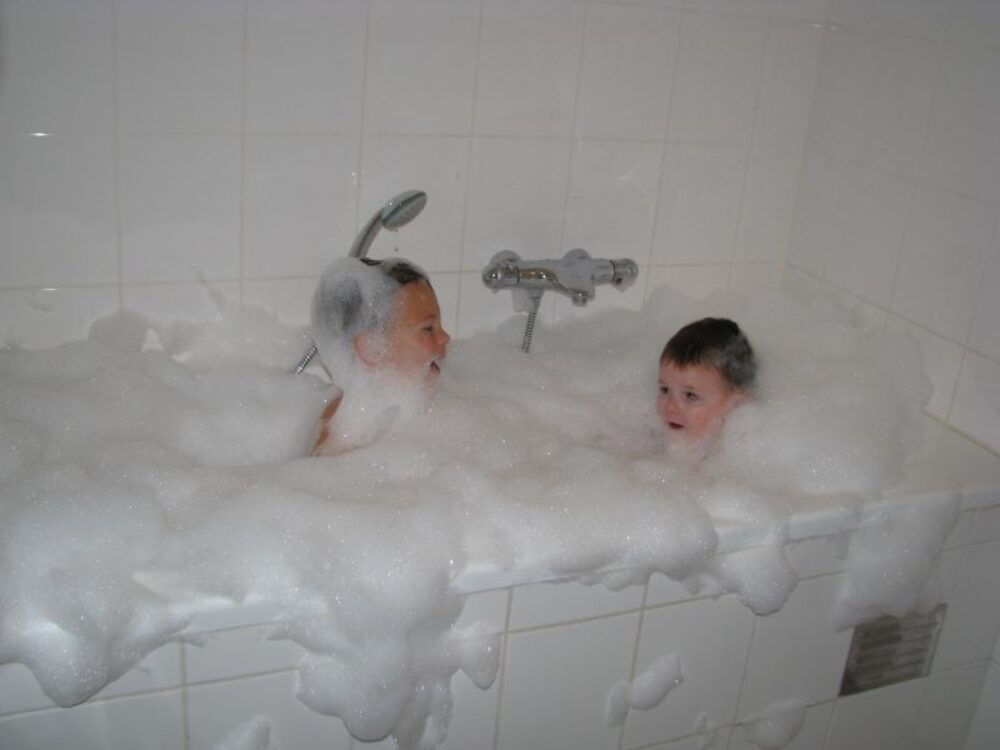
Village Wax Melts’ user comparisons line this up clearly: bath bombs offer a strong visual and sensory hit, but relatively little long‑lasting foam; bubble bath prioritises a thick layer of bubbles and a more consistent feel in the water.Source If you or your customers care about photo‑ready colours and surprise effects (glitter, embeds), bombs win. If the priority is bubble volume and a soapy, spa‑style soak, bubble bath is the better fit.
Here’s a quick way to match product type to use case:
| Product type | What it does in water | Best for | Common drawbacks |
|---|---|---|---|
| Bath bomb | Fizzes, colors water, adds scent and oils | Visually dramatic soaks, gifting, self‑care | Can stain tubs or skin if heavily colored |
| Bubble bath | Creates foam and light scent | Long bubble soaks, kids’ baths | Can be drying if surfactants are harsh |
| Bomb + bubble combo | Some fizz plus bubbles (separate products or dual‑purpose) | Gift sets, upsell bundles, ecommerce value packs | Harder to control overall fragrance load |
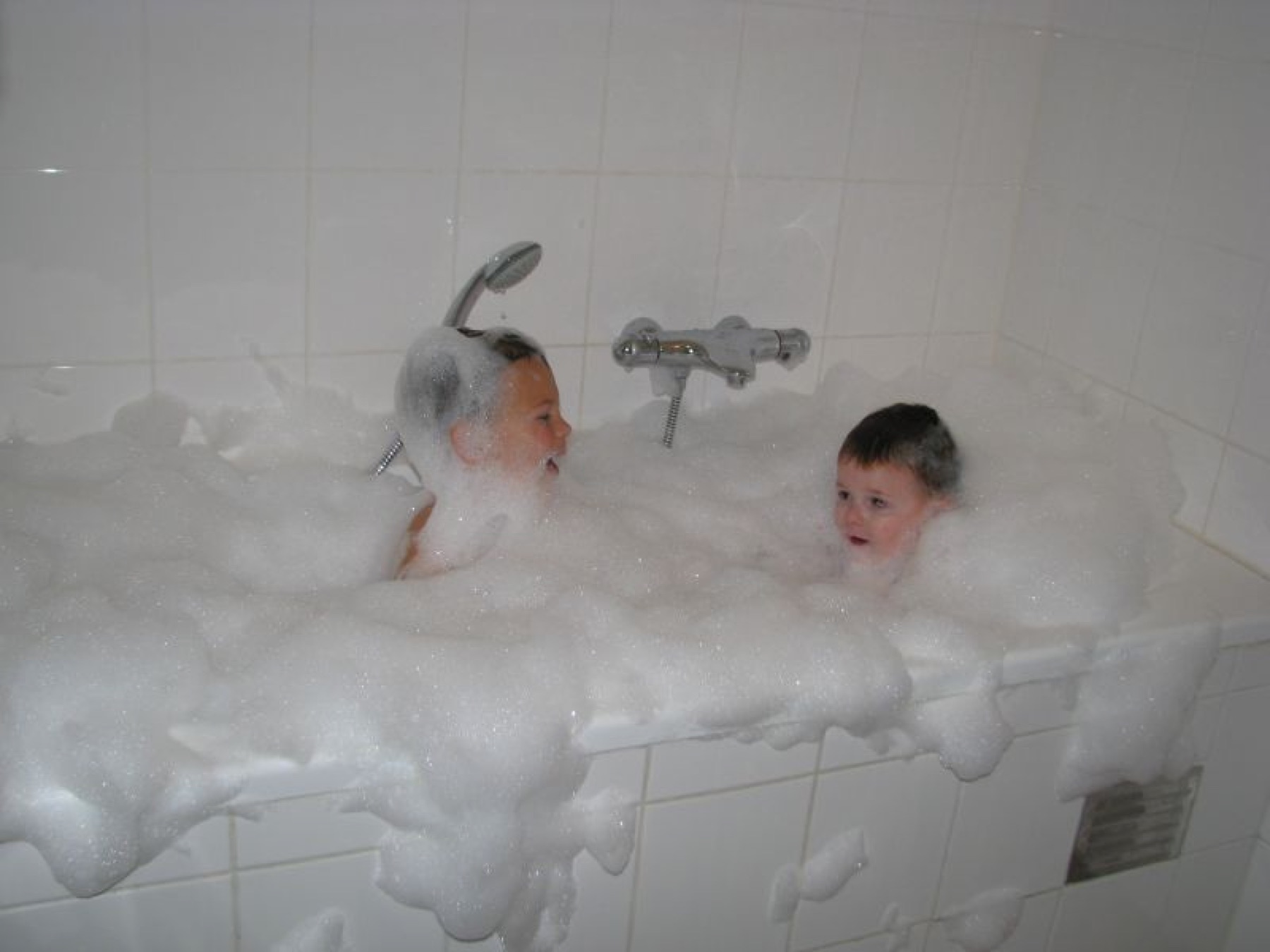
If you only have a shower‑over‑bath and soft water pressure, a highly foaming bubble bath might disappoint. In that scenario a bath bomb or salts that don’t rely on heavy aeration are more reliable.
Key Buying Factors for Combos and Single Products
Once you know whether you want bombs, bubble bath or both, the label is your next filter. Bathorium’s guide emphasises that different bath additives dial up fragrance, colour or comfort rather than any medical treatment, so treat claims like “relaxing” as experience, not therapy.Source
1. Ingredients and skin sensitivity
Little Brown Goose’s Australian bath bomb guide encourages buyers to watch for how many synthetic colourants and strong fragrances are loaded into a single bomb.Source For sensitive or reactive skin:
- Prefer bombs with simple colour (or no colour), and plant oils you recognise (e.g., coconut, almond, jojoba) over long lists of dyes.
- Look for bubble bath formulas that mention “gentle” or “sulfate‑free” surfactants; harsh foaming agents can feel drying.
If you’re stocking an ecommerce store, think in segments: one highly scented, bright line for customers chasing drama, and one low‑colour, milder fragrance line to serve sensitive‑skin buyers who still want a bath ritual.
2. Scent strength and fragrance type
Bath bombs tend to front‑load fragrance: the first few minutes can be intense, especially in smaller tubs. Bubble bath layers the scent more slowly as you pour under the tap. For personal use, ask yourself if you’re comfortable with strong perfume in a closed bathroom; if not, pick:
- Unfragranced or lightly fragranced bombs (often sold as “sensitive” or “gentle”).
- Bubble bath labelled with “fresh” or “herbal” notes rather than heavy gourmand or musk scents.
For gifting and ecommerce, scent variety sells. A mixed set (citrus, floral, vanilla, herbal) mirrors what brands like Lush and Little Brown Goose curate and lets buyers choose their mood.
3. Colour, glitter and tub cleanup
Bombs with bright pigments, mica and glitter photograph beautifully, but users often report stained tubs or clingy shimmer. If you’re renting or have a porous enamel tub, gravitate to bombs with more muted colour or natural clays. Bubble bath usually rinses cleaner, though strong dyes can still leave a ring.
Combo sets should balance impact with practicality. If you’re creating your own branded sets from unlabelled stock (the sort you might source from DHgate or other cross‑border markets), test one of each SKU yourself in a white tub before committing: check how much colour clings, how easy it is to rinse, and whether the scent lingers pleasantly or becomes overpowering.
4. Format, giftability and price logic
Lush’s usage instructions highlight that some bath products can be split: bubble bars can be crumbled for multiple baths, and larger bombs can be broken in half.Source That matters for both value and inventory planning.
- Single large bombs: Great for one‑off indulgence and gifts, but they move faster through inventory.
- Multi‑pack smaller bombs or mini bubble bottles: Better for ecommerce AOV (average order value) and subscription boxes.
- Pre‑boxed combos (1 bomb + 1 bubble bath + accessory): Ideal for gifting, but you pay a packaging premium.
Where Bath Bomb and Bubble Bath Options Come From: DHgate vs Alternatives
As you compare options, it helps to think in channels instead of just brands.
Local Australian and mainstream retail
Australian buyers see a lot of bath bombs and bubble bath through supermarkets, chemists and specialty sites. A retailer like ShopNaturally carries bombs, bubble bath and salts from multiple natural‑leaning brands, usually with clear ingredient breakdowns and skin‑type notes. International mass retailers such as Walmart’s bath bombs & bubble baths section show the mainstream mix: branded bombs and bubbles, individual units, and gift sets at consumer prices.
These channels suit you if:
- You want personal‑use products with clear local labelling and familiar brands.
- Your ecommerce model is simple resale of well‑known names, and you’re not chasing ultra‑low wholesale cost.
Indie makers and wholesale marketplaces
Indie bath makers (including Australian brands like Little Brown Goose) often sell wholesale directly or via curated B2B platforms. These routes emphasise story, ingredients and branding, rather than rock‑bottom pricing.
Cross‑border marketplaces such as DHgate sit in a different niche. Its own health and beauty sourcing guide describes a wide product range and competitive, budget‑friendly pricing across categories such as skincare, tools and bath items.Source In practice, that usually means:
- Bulk lots of generic or lightly branded bath bombs and liquids.
- Private‑label‑ready inventory where you apply your own brand and packaging.
This makes DHgate relevant if you’re an Australian small business building a low‑cost house brand, comfortable with importing and doing your own ingredient and safety checks. It’s a weaker fit for buyers who specifically want established Western brands or highly curated natural formulas.
For additional DHgate platform context, use Review the DHgate order-readiness checklist.
If you’re weighing DHgate against other cross‑border marketplaces for a bigger sourcing move, it can help to read neutral platform explainers such as What DHgate is and how the marketplace works and trust‑focused pieces like Find trusted sellers on DHgate before committing budget.