

You’ll find red tones on DHgate in various formats—clip‑ins for occasional wear, sewn‑in wefts for long‑term installs, and tape‑ins for more seamless blending—across synthetic and human hair bundles of different lengths and textures.
Red Hair Extensions: What You’re Actually Buying
Before you type anything into DHgate’s search bar, pin down what “red hair extensions” means for your use case.
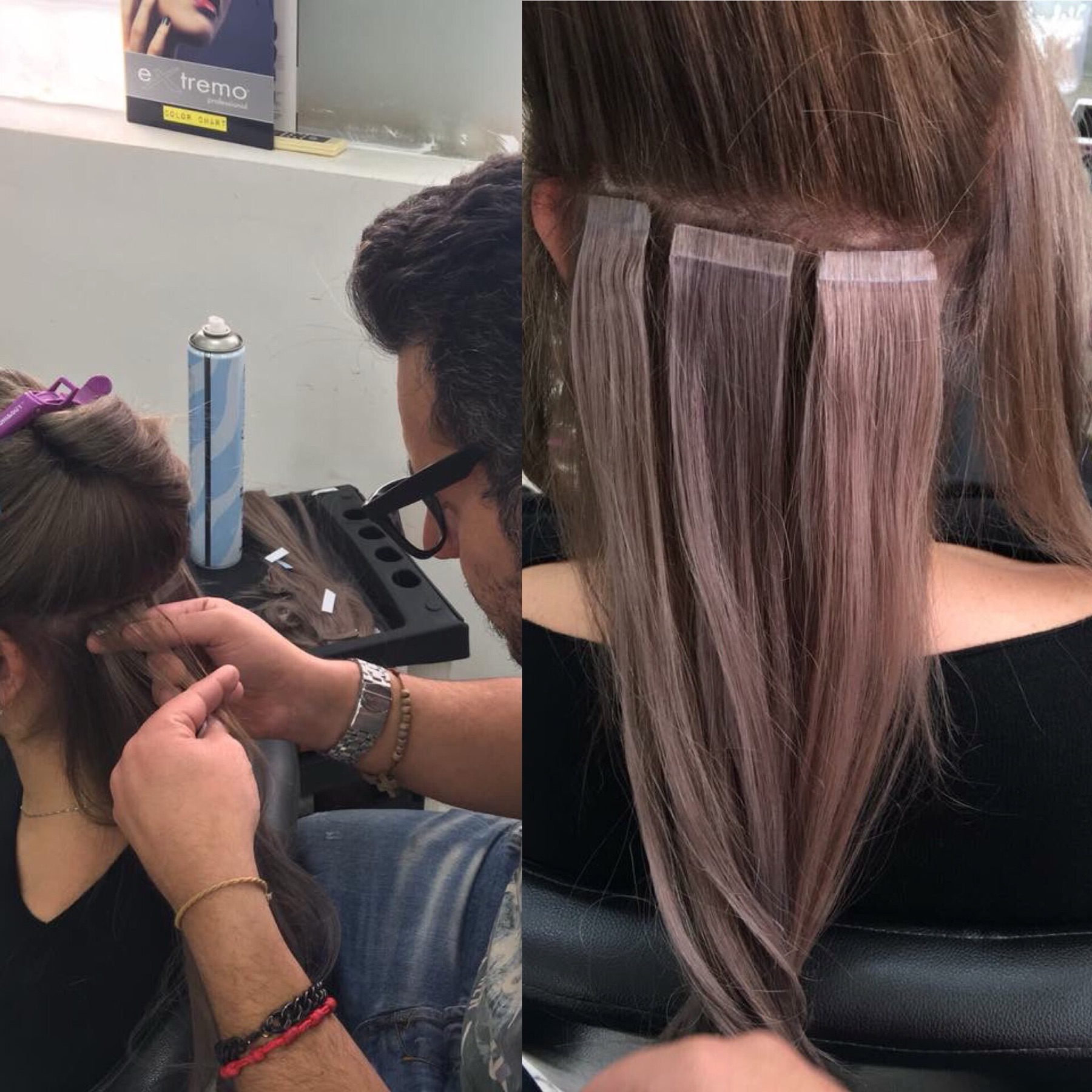
Types of extensions Editorial guidance on red extensions from DHgate’s blog describes three common formats:
- Clip‑in extensions – Separate pieces with clips you can put in and take out yourself. Good for content creators, cosplay, and clients who only want red on weekends.
- Sewn‑in wefts – Long strips of hair sewn into braids. Typical for full installs or long‑term wear in salons.
- Tape‑in extensions – Thin bonded strips that sit close to the scalp for a flatter, more seamless look.
Each type needs different installation skills: clip‑ins are DIY‑friendly; wefts and tape‑ins usually require a professional.
Shades of red to think through Red isn’t one colour. On DHgate and other platforms you’ll see terms like:
- Copper, ginger, or strawberry – lighter, warm reds.
- Auburn – brown‑red, popular for subtle changes.
- Burgundy, wine, 99J – deeper violet‑red tones.
For Australian buyers, colour perception is heavily influenced by lighting. Aim to match your base hair or wig under daylight and indoor lighting, not just what a seller’s studio photo shows.
Material choices DHgate’s hair bundles and extensions range from synthetic fibres to human hair in many lengths and textures.[“Understanding Product Listings” snippet, DHgate blog] Synthetic red extensions generally hold bright colour and are cheaper but can tangle or look less natural. Human hair supports heat styling and more subtle reds but can fade if poorly processed.
Use cases: single buyer vs small salon
- A single buyer might only need one set of clip‑ins in a vivid red for events. A slight shade mismatch is annoying but manageable.
- A small salon or online wig shop needs repeatable colour: multiple packs or bundles in the same tone across orders. This is where inconsistent dye lots or vague shade naming on DHgate can become a real business risk.
Clarifying type, shade family, material, and use case up front will keep your DHgate search focused and your risk manageable.

Key Quality and Risk Checks for Red Extensions
Once you’re looking at red extensions online—on DHgate or anywhere else—your job is to separate plausible, accurately described products from risky guesses.
Material and construction
- Look for clear language on human vs synthetic hair. Ambiguous phrases like “high‑temperature fiber” usually mean synthetic.
- Check how the extension is constructed: single weft, double weft, number of pieces in a clip‑in set. DHgate blog coverage of hair bundles highlights that bundles come in multiple lengths and textures; the same applies to red extensions.
Colour accuracy signals Because screens and studio lighting shift colour, treat each listing like a hypothesis you have to test:
- Are there multiple photos in different lighting or on different models?
- Do photos of customer installs show the same shade as the main product image or is it noticeably darker/lighter?
- Does the listing specify a colour code (e.g., “99J” for wine red) or just a generic “red”? Codes aren’t perfect, but they give you a baseline.
If you’re a salon or reseller, plan to build your own colour ring from samples and treat each supplier’s “99J” or “auburn” as their specific version.
Seller history and reviews DHgate’s product listings typically include specifications, images, prices, and seller ratings, plus buyer reviews.[“Understanding Product Listings” snippet, DHgate blog] When you’re assessing red extensions, make that section work for you:
- Read reviews that mention colour explicitly: phrases like “exactly as picture,” “more orange than expected,” or “too dark” are extremely useful.
- Prioritise sellers with a visible transaction history on hair products, not just a few recent orders on random items.
Always order samples first DHgate’s ecommerce sourcing guidance recommends requesting samples before committing to larger orders.[DHgate ecommerce sourcing blog] For colour‑sensitive products like red extensions, treat that as non‑negotiable:
- Order one or two pieces or bundles in the exact shade and texture you plan to sell.
- Test them under daylight and warm indoor lighting, on your own hair or a mannequin.
- Wash and lightly style them to see whether the red bleeds or fades.
If the sample passes your colour and quality bar, then and only then consider scaling the relationship.
Compact pre‑order checklist For any DHgate red extension listing you’re considering:
- Clear type (clip‑in / weft / tape‑in) and length/texture info?
- Explicit material (human vs synthetic) and construction details?
- Multiple, consistent photos and at least a few colour‑specific reviews?
- Reasonable seller history in hair products?
- Sample ordered and tested for shade and shedding?
If you can’t tick most of these, treat the listing as a high‑risk experiment, not core inventory.
Step-by-Step: Searching and Vetting Red Extensions on DHgate
Here’s a practical DHgate workflow you can reuse, whether you’re an Australian consumer or running a small ecommerce brand.
1. Start with a focused search
Go to DHgate’s homepage and use the search bar. Type something specific like:
- “red clip in hair extensions”
- “99J red human hair bundles”
- “burgundy tape in extensions”
DHgate’s own guidance notes that buyers can search for terms such as “red hair extensions” and then narrow results using category filters.[DHgate homepage observation]
2. Use categories and filters to trim noise
Once results load:
- Select the hair extensions / hair bundles related category if it’s not already applied. That helps exclude unrelated red accessories.
- Where available, use filters for length, texture, or material to align with your plan (e.g., 18″ straight human hair).
Don’t assume every red product shown is an extension—there are red wigs, braiding hair, and novelty pieces mixed in. Your job is to stay within the extension subcategory you actually need.
3. Shortlist 3-6 candidates, not dozens
Open promising listings in new tabs and build a small shortlist. For each, scan:
- Title and specs: do they clearly say clip‑in/weft/tape‑in, red shade, length and material?
- Photo consistency: does the shade look similar across all images?
- Seller rating and hair‑related reviews.
If a listing’s photos or specs feel vague, move on. A small, high‑quality shortlist beats scrolling endlessly.
4. Deep‑dive into each listing’s details
For each candidate, read the full product description and reviews. Using DHgate’s own listing tips as a guide, focus on:
- Product specifications – lengths offered, piece count, texture, and any mention of dyeing or processing.
- Images – zoom in on the roots and ends; poor colour at the ends can signal uneven dyeing.
- Seller ratings and review content – look for patterns like repeated complaints about tangling, shedding, or colour mismatch.
If you’re new to DHgate, Find trusted sellers on DHgate expands on seller‑vetting signals you can apply here.
5. Message sellers and request samples
Before committing to volume, use DHgate’s messaging system to:
- Confirm the exact colour code and ask for real‑life photos (not just the polished listing images).
- Ask whether they can supply a small sample order of the red shade you need.
DHgate’s ecommerce sourcing guidance specifically recommends ordering samples before large orders and evaluating supplier ratings and history as part of that process.[DHgate ecommerce sourcing blog] Treat this as part of your standard operating procedure.
6. Test samples, then decide where DHgate fits
Once samples arrive, evaluate them in your context. For Australian buyers, factor in:
- Colour match to your own hair or wig line under multiple lighting conditions.
- Quality and feel over at least a few washes and styles.
If samples disappoint or timelines are too uncertain, consider treating DHgate as a testing ground for occasional looks, while sourcing core red shades from Australian‑based wholesalers or other platforms that can offer tighter colour control and faster restocks.
Red extension workflow at a glance
This table summarises how a single buyer and a small salon might approach DHgate for red extensions:
| Buyer type | DHgate use case | Sample strategy | When to switch channels |
|---|---|---|---|
| Individual buyer | One set of clip‑ins in bright red | 1 sample set in chosen shade | If colour badly mismatched or scratchy |
| Small salon | Ongoing stock of auburn/burgundy wefts | Multiple samples across shades/suppliers | If dye lots inconsistent between orders |
| Online wig store | Niche vivid reds for limited collections | Test small batch across textures | If delays break launch timelines |
For additional DHgate platform context, use What DHgate is and how the marketplace works, and Review the DHgate order-readiness checklist.
Used this way, DHgate can be part of a balanced sourcing mix for red hair extensions—just not a blind trust source. Combine careful search, listing vetting, and sample testing, and you’ll know whether DHgate is a fit for your specific red‑hair plans.