
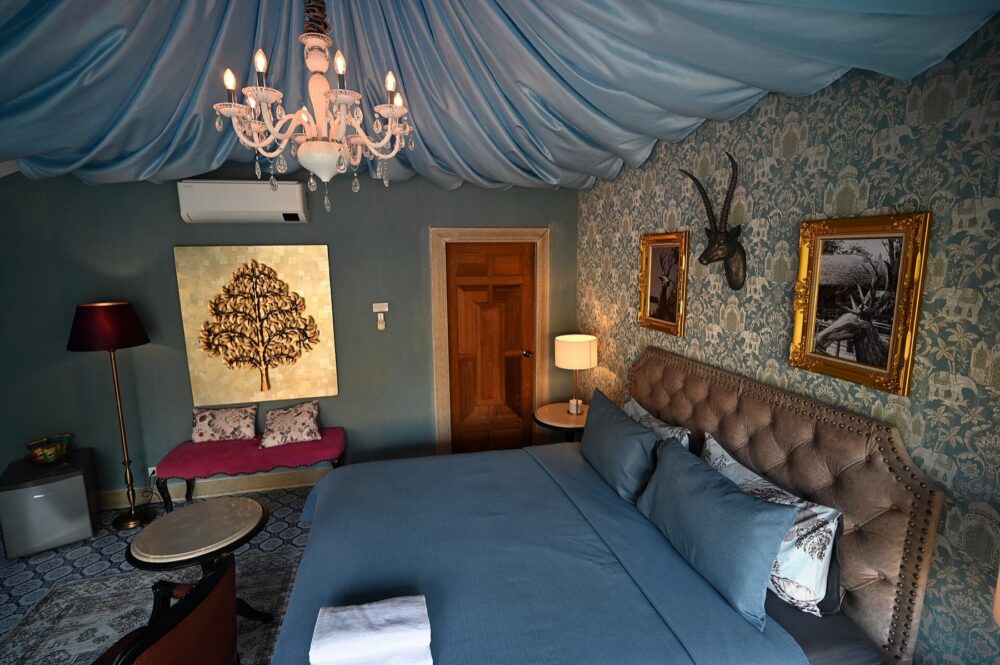
You can buy boutique-style chandeliers online from three main routes: specialist lighting retailers, independent decor boutiques, and large marketplaces like Amazon, eBay, and DHgate. DHgate does list chandeliers and other lighting at generally budget-friendly price points, but selection and quality depend entirely on each seller and listing, so it’s better treated as a cross‑border option once you know how to vet materials, reviews, and certifications.
If your query started with “Chandeliers Boutique,” you’ve probably hit a naming snag. Chandeliers Boutique NY is a US clothing and accessories shop with online and app-based shopping, not a lighting specialist. For actual chandeliers, you’ll want lighting-focused sites or marketplaces rather than that fashion brand.
Understanding Online Channels for Boutique Chandeliers
For chandeliers that feel “boutique”—visually distinctive, not straight out of a big-box catalog—your realistic online options fall into a few buckets:
- Specialty chandelier and lighting retailers. Sites like USChandelier position themselves as luxury lighting and chandelier-focused retailers that also serve wholesale buyers. ChandelierLightMall presents a curated chandelier selection rather than trying to sell every type of home goods.
- Decor boutiques that include lighting. These are smaller shops that curate decor across categories (furniture, art, lighting). They may carry a handful of statement chandeliers that match a particular aesthetic—farmhouse, French country, mid-century.
- General marketplaces. Large platforms host many sellers listing chandeliers at all quality levels. DHgate, for example, is a global online marketplace where independent sellers offer home decor and lighting alongside clothing, electronics, and more.
Your job is choosing which type of channel fits your project: a single showcase fixture for a US home, or a small batch of eye-catching pieces for a boutique or ecommerce shop.
How Different Online Routes Handle Chandeliers
These platform types don’t just look different; they operate differently around sourcing, pricing, and how they relate to you as the buyer.
Specialty chandelier retailers
Specialist sites like USChandelier and ChandelierLightMall generally:
- Source narrowly: They focus on lighting, often leaning into crystal, modern statement pieces, or traditional designs.
- Curate styles: Assortment is edited to feel cohesive—useful if you want a luxury or boutique vibe without sifting through thousands of generic fixtures.
- Serve both retail and small wholesale: USChandelier explicitly frames itself as both luxury retailer and wholesale chandelier source, which is helpful if you’re a small business looking for repeatable stock rather than one-off finds.
For US buyers, this route works well when you care about design cohesion and want chandeliers that already align with a styled interior rather than mixing random marketplace finds.
Independent decor boutiques
Decor boutiques—often smaller brands or designer-run shops—tend to:
- Mix categories: Chandeliers sit alongside rugs, wall art, and furniture as part of a broader aesthetic.
- Limit quantities: They may carry only a few units of each lighting piece, or treat chandeliers as pre-order or made-to-order items.
- Prioritize uniqueness: Their appeal is that your chandelier doesn’t look like something ordered from a mass retailer, which can matter if you’re styling Airbnb spaces or a brick-and-mortar boutique.
This path fits if you’re buying 1-3 pieces that must feel distinctive, and you’re willing to accept less choice in exchange for a stronger “boutique” identity.
Large marketplaces (including cross‑border)
Marketplaces—US-based or cross‑border—work differently:
- Many sellers, broad price spread: The same rough style can appear at several price points, with different materials and build quality.
- Less curation, more filters: You rely on search terms, filters, and your own eye rather than a retailer pre-selecting designs.
- Mixed buyer profiles: Individual US homeowners, interior decorators, and small ecommerce sellers all shop the same listings.
DHgate sits in this bucket: its own editorial content describes it as a global marketplace where boutique owners and consumers can source products across clothing, home goods, and lighting categories. Convenience and variety are the upside; doing your own vetting is the cost of entry.
Comparing Major Online Routes for Chandeliers (Including DHgate)
For both US home buyers and small ecommerce businesses, the decision is less “which site” and more “which channel logic” fits your needs.
Snapshot comparison by channel
Here’s how the main routes typically stack up for boutique-style chandeliers:
| Channel type | Typical role for buyer | Style & uniqueness | Batch / MOQ feel | What you control most |
|---|---|---|---|---|
| Specialty chandelier retailer | Single statement pieces; small repeat orders | Curated, often luxury or design-forward | Retail, plus some wholesale paths | Design quality and brand alignment |
| Decor boutique | 1-3 highly distinctive fixtures | Strong boutique or designer aesthetic | Very limited quantities | Overall vibe of the space |
| Large marketplace (incl. DHgate) | Budget-conscious or cross‑border sourcing | Wide range: generic to unique, mixed quality | Flexible: single units to small lots | Price, supplier choice, vetting work |
If you swap out “chandelier” for something generic, this comparison stops making sense—chandeliers have specific risk factors: weight, electrical safety, installation complexity, and material differences (crystal vs glass vs acrylic vs plastic) that matter for your decision.
Where marketplaces like DHgate realistically fit
DHgate’s own editorial blog notes that buyers can find chandeliers and other lighting categories on the marketplace, often at lower price points than some domestic retail. That can be appealing if you’re sourcing for a boutique or flipping decor online.
The trade-off: quality and safety are entirely seller-by-seller. Before treating DHgate—or any cross‑border marketplace—as your chandelier source, you should:
- Read seller ratings and reviews carefully. DHgate content itself highlights using ratings and customer feedback as a key way to judge product quality and seller reliability.
- Inspect materials in the listing. Look for clear descriptions (crystal, glass, acrylic, metal finish) and be skeptical of vague wording.
- Watch for certification claims. Listings may mention standards like UL or CSA; treat these as claims to verify, especially for hardwired fixtures in US homes.
If you’re leaning toward DHgate specifically, it can help to understand its marketplace model more broadly through What DHgate is and how the marketplace works and to compare it with peers via Compare online marketplaces and shopping platforms or Compare DHgate with AliExpress, Alibaba and Temu.
Matching channels to your scenario
- US homeowner, one statement chandelier: Start with specialty lighting retailers or decor boutiques; they’re optimized for aesthetics and safety-conscious fixtures. Marketplaces can be a backup if you find a specific design that passes your personal checks.
- Small boutique or ecommerce shop, limited runs: A luxury-focused site like USChandelier may support small wholesale, making repeatable stock easier. Cross‑border marketplaces, including DHgate, can expand your style and price range but demand more vetting and a higher tolerance for variability.
Treat “boutique chandeliers” as a style and channel decision, not just a keyword. Once you’re clear on whether you need curation, uniqueness, or cost flexibility, the right combination of lighting retailers, decor boutiques, and marketplaces becomes much easier to spot—and you’re less likely to end up browsing a fashion boutique when you really needed a ceiling fixture.