
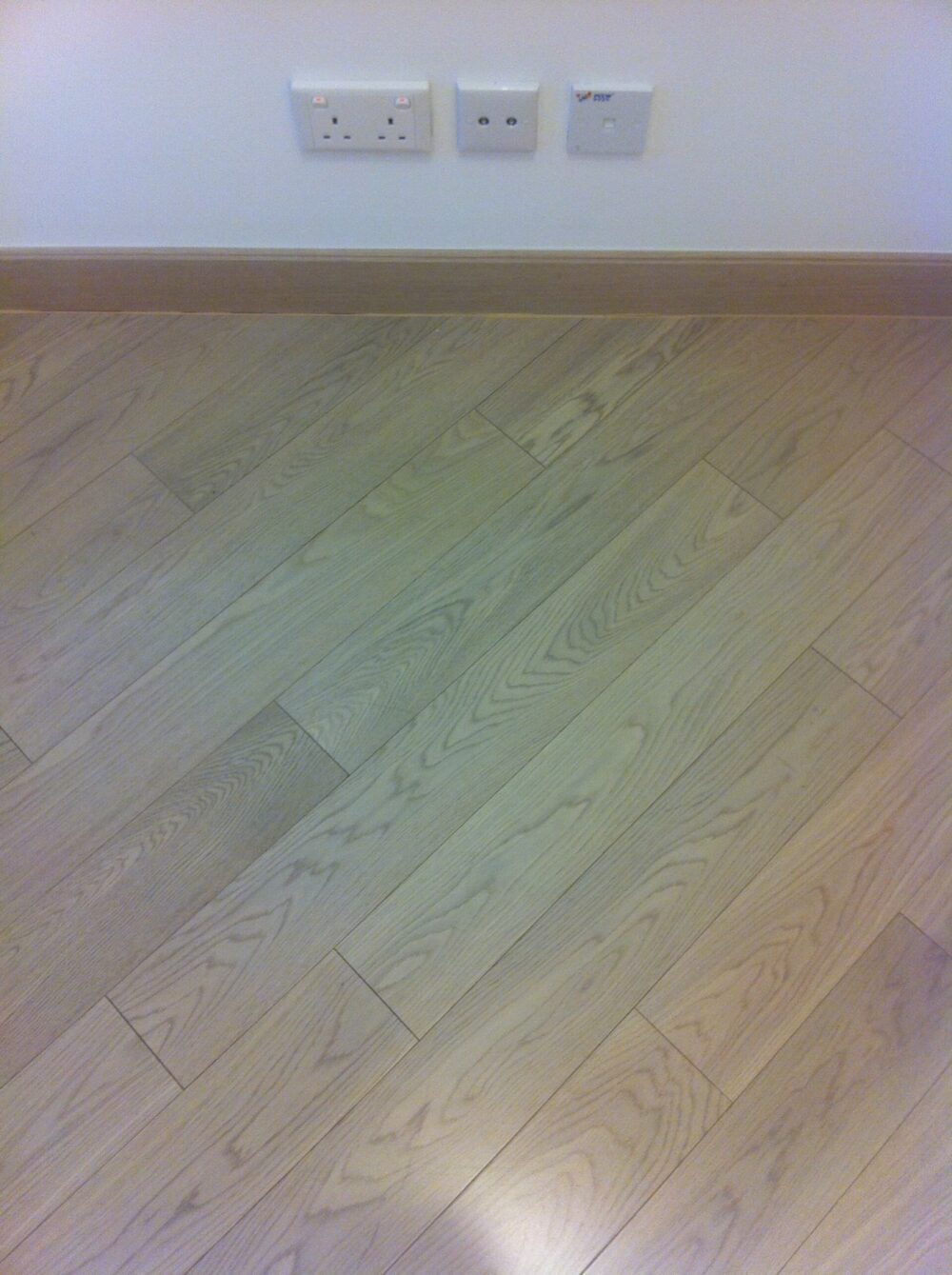
You’ll find rustic solid and engineered wood flooring online through three main routes: big-box US retailers, specialist rustic/wide-plank suppliers, and Chinese manufacturer marketplaces. DHgate can surface low-cost flooring options in that last group, but listings vary widely; you’d need to vet each seller’s specs, samples, and terms carefully before trusting it for a full floor.
For most US homeowners and small renovation businesses, big-box sites are the easiest starting point. If you’re chasing a very specific wide-plank barnwood look or planning repeat projects, specialist flooring sites or direct-from-China channels can make more sense, as long as you’re comfortable trading convenience for more hands-on verification.
What Counts as Rustic Wooden and Engineered Flooring?
Rustic wood flooring is less about a species and more about the look: knots, color variation, visible mineral streaks, and other natural imperfections that create a warm, character-rich surface. Retailers like Harper Floors showcase this style with boards that lean into dramatic grain and tonal shifts rather than the uniform, “select grade” look.
Solid wood flooring uses a single piece of wood per plank. Engineered wood flooring, by contrast, is built from a hardwood veneer layer over a core of other wood or composite materials, designed to improve stability under changing humidity. The core construction isn’t visible once installed; what you see and feel is the top layer of real wood, which can also be rustic in appearance.
Rustic engineered flooring is simply engineered planks where the veneer is graded and finished to highlight knots and variation. It can mimic old barnwood or reclaimed boards while offering a more controlled construction underneath.
Key Rustic Flooring Types and Specs to Decide Before You Shop
Before you start comparing websites, lock in a few concrete choices. That way you’re not trying to evaluate dozens of incompatible products.
1. Solid vs. engineered construction
- Solid rustic planks: Typically thicker single-species boards. They can be sanded more times over their life, but are more sensitive to moisture and usually narrower in mass-market listings.
- Engineered rustic planks: A hardwood veneer over a multilayer core. Chinese manufacturer listings such as this multilayer rustic-grade oak plank often highlight the layer count and thickness (e.g., 14 mm overall) as selling points for stability.
2. Species and grade
- Common rustic species online: oak (very dominant), hickory, walnut, and sometimes pine for a softer, farmhouse feel.
- “Rustic” or “character” grade usually means more knots, filler, and variation. Chinese parquet offers, like this rustic-grade oak parquet, explicitly call out rustic grade in the title.
3. Plank width and format
Wide plank (often 7″+ in US retail or 190-220 mm in EU/China listings) gives that barnwood feel. Specialist suppliers such as Wide Plank Floor Supply showcase reclaimed white oak barnwood installations that rely on long, wide boards to create a continuous, old-farmhouse look.
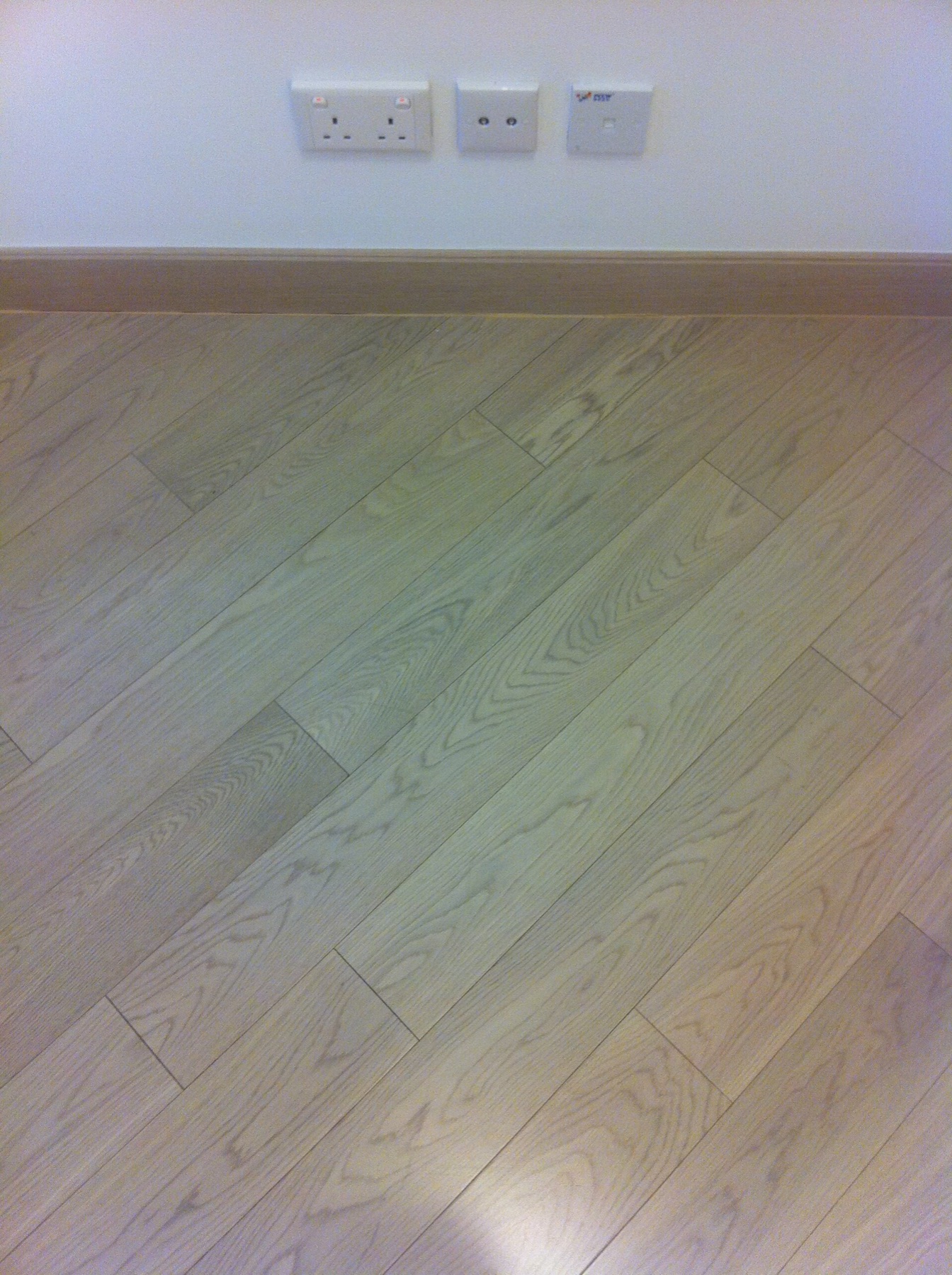
If you like geometric patterns but still want rustic texture, parquet and herringbone engineered panels are also sold in rustic grades on manufacturer marketplaces.
4. Surface treatment and finish
- Wire-brushed / distressed: Retailers like Floor Warehouse pair rustic grades with wire-brushed surfaces to accent grain and texture.
- Brushed and oiled / lacquered: Many engineered offers (both EU/UK and China) use brushed surfaces plus oil or lacquer to keep a more natural, low-sheen appearance.
- Stain color: Big-box filters often split rustic looks into light, medium, and dark. You should decide roughly where you want to land.
5. Installation system
Engineered rustic products online commonly use some form of click-lock or tongue-and-groove. That affects which underlayment you need and whether DIY installation is realistic.
To keep these decisions straight as you shop, it helps to sketch a simple spec profile:
| Choice | Example spec for a rustic project |
|---|---|
| Construction | Engineered wood, multilayer core |
| Species & grade | Rustic-grade white oak |
| Width / format | 190-220 mm wide plank, random lengths |
| Surface & finish | Wire-brushed, natural oil or matte lacquer |
| Installation system | Click-lock engineered |
Once you have a profile like this, you can quickly dismiss products and channels that don’t match.
Where to Buy Rustic Solid and Engineered Flooring Online (Including DHgate)
Online options for rustic and wide-plank flooring break into a few distinct buckets, each with strengths and trade-offs.
1. Big-box US retailers: fast, predictable, limited uniqueness
Large chains such as Home Depot carry wide ranges of engineered hardwood marked as “Rustic” in their filters. Their engineered hardwood category for rustic styles lets you filter by color tone (light, medium, dark), brand, and features like water resistance and whether a visualizer is available, as seen in their rustic engineered hardwood selection.
Pros:
- Broad assortment of SKUs with clear specs and photos.
- Straightforward checkout, shipping quotes, and access to store staff.
- Good for conventional rustic looks (distressed hickory, wire-brushed oak) rather than very niche reclaimed styles.
Cons:
- Limited true reclaimed or barnwood options.
- You’re largely confined to the brands and formats they stock; ultra-wide planks or custom textures may be missing.
2. Specialist rustic and wide-plank suppliers: more character, more involvement
Niche flooring retailers and mills focus specifically on rustic and character floors. Floor Warehouse’s rustic wire-brushed collection shows a lineup that leans into texture and engineered constructions. On the project side, companies like Wide Plank Floor Supply highlight reclaimed white oak barnwood installations, indicating that reclaimed and wide-plank sourcing is a major part of their business.
Pros:
- Access to reclaimed lumber, barnwood-style planks, and unusual widths.
- Deeper expertise on rustic aesthetics, species, and matching board character to your room.
Cons:
- Typically higher per-square-foot costs than mass retail.
- Longer lead times, and more project-style ordering (samples, quotes, back-and-forth).
For a small ecommerce or renovation business, these suppliers can be ideal if you’re building a portfolio of distinctive, character-heavy projects and can plan ahead.
3. Chinese manufacturer marketplaces: cost and spec flexibility, higher verification burden
Platforms like Made-in-China host factories and trading companies listing rustic-grade engineered oak planks, parquet, and click-lock systems. Examples include multilayer rustic-grade oak boards with specified thicknesses and parquet panels labeled “rustic grade” and “white brushed surface”.
Pros:
- Wide variety of constructions (3-layer, multilayer), dimensions, and surface treatments.
- Potential access to factory customization if you need specific widths or finishes.
Risks and work involved:
- You must confirm technical specs (veneer thickness, core type, formaldehyde emissions, etc.) directly with the manufacturer.
- Shipping heavy flooring to the US adds freight complexity and cost, and you need to plan for samples and test batches.
DHgate sits closer to this category than to big-box retail. Its blog notes that the site carries flooring materials and encourages buyers to weigh durability, installation ease, and budget when choosing flooring options, but flooring listings are seller-run, not centrally curated. If you explore rustic or engineered flooring there, treat each listing as a separate relationship: ask for detailed construction specs, request physical samples, and review seller feedback rather than assuming platform-wide consistency.
If you’re new to DHgate, it’s worth reading an overview of what DHgate is and how the marketplace works and using guidance like how to find trusted sellers on DHgate and the DHgate order-readiness checklist before committing to a large flooring order.
4. A worked scenario: US big-box vs. cross-border manufacturer
Say you want rustic engineered white oak wide planks for a 400 sq ft living room:
- US big-box route: You find an engineered white oak with a “Rustic” style tag, wire-brushed surface, and click-lock installation on Home Depot. Specs are clear, and you can see similar projects via their visualizer. You order a couple of boxes or an official sample kit to verify color and texture, then place the full order if it matches expectations.
The first path optimizes convenience and predictability; the second optimizes customization and potential cost savings but demands more diligence and tolerance for logistics complexity.