
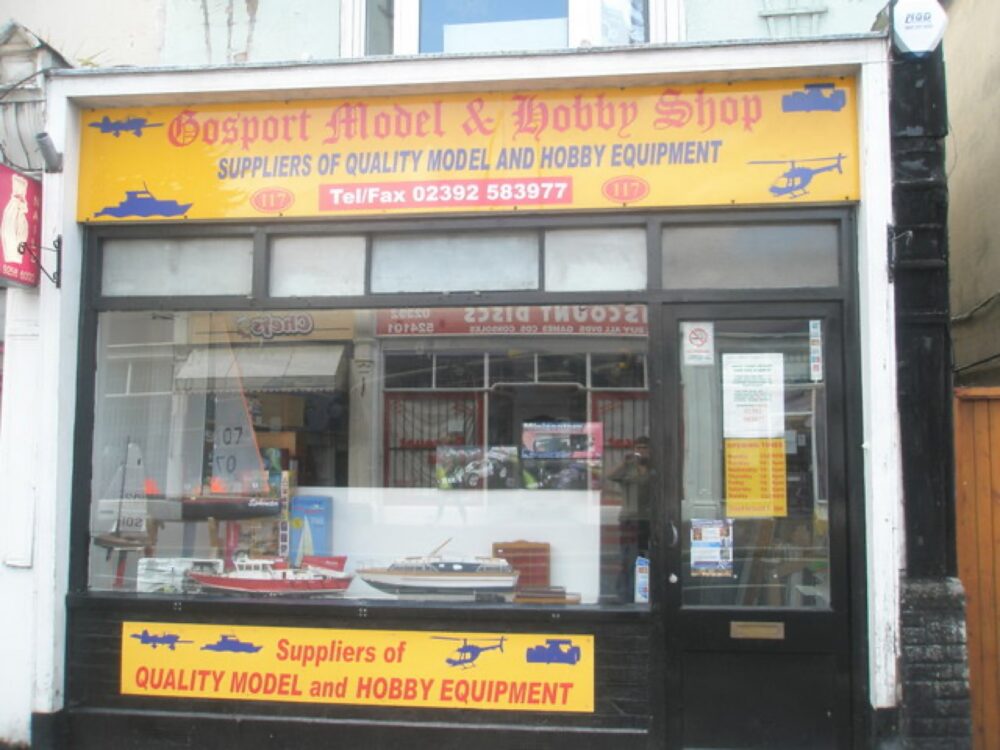
If you’re choosing scale reproductions, start by locking two things: the scale you need (for example 1/24, 1/48, 1/72) and the product type (plastic kit, diecast car, unpainted figures, scenery parts). Once you know that, specialist hobby shops are usually best for high-detail kits and collector-grade models, while broad marketplaces like DHgate, Amazon, or Alibaba can make more sense for budget accessories, bulk figures, or simple display items—especially if you’re a small ecommerce seller stocking volume.
From there, your decision is mostly about trade‑offs: precision and brand selection at hobby shops versus price and quantity flexibility on marketplaces.
What “scale reproductions” actually cover
In practice, “scale reproductions” breaks into a few main product families:
- Plastic model kits – Aircraft, armor, ships, cars, and sci‑fi subjects you assemble and paint yourself. Typical scales: 1/72 and 1/48 for aircraft, 1/35 for armor, 1/24-1/25 for cars.
- Diecast and finished models – Pre‑built cars, planes, and trains with fixed finishes. Often aimed at collectors or decor.
- Figures and miniatures – Human figures, vehicles, and creatures used for dioramas, architectural models, tabletop games, and train layouts.
- Diorama and scenery parts – Buildings, trees, roads, street furniture, and other environment pieces that bring scenes together.
US hobbyists typically buy plastic aircraft or armor kits for building projects, while small online sellers often focus on figures and accessories—items that can be bought in bulk and resold individually. DHgate’s own editorial guide to model shops points to large US online retailers like MegaHobby, Scalehobbyist, and Squadron as examples of shops with broad selections of kits, paints, and tools, underscoring how much depth specialist stores offer compared with general marketplaces.
If you’re a hobby builder, that depth matters. If you’re a small ecommerce business, you might care more about whether you can source 200 unpainted figures cheaply in a consistent scale.
Key specs and quality signals for models and figures
Once you know the type of item you want, three decisions drive whether a listing is a good fit: scale, material/finish, and painted vs unpainted.
1. Match scale to your project and skill
Guides like Scale-Model-Aircraft’s aircraft kit overview stress that you should pick a scale that matches both your subject and your comfort level:
- Larger scales (1/24, 1/32) show more detail and are physically bigger. Great for display pieces, but they demand more careful finishing.
- Mid scales (1/48) balance detail and space; common for aircraft.
- Smaller scales (1/72 and below) make it easier to build whole squadrons or scenes, but tiny parts can be trickier to handle.
Across figures and dioramas, existing DHgateWiki guidance on 1/24 scenes highlights the same principle: everything in the scene needs to share a coherent scale, or the eye immediately notices inconsistencies. If you’re stocking a shop or online store, mismatched scales are a fast way to generate returns and complaints.
2. Materials and finish level
For plastic kits, quality signals include tight, clean molding, sensible part breakdown, and clear instructions. Reputable kit brands are heavily represented at specialist shops, so you can often trust that a 1/48 aircraft kit has been designed with buildability in mind.
For diecast and finished models, look at:
- Paint thickness and sharpness of color separation.
- How well doors, hoods, or canopies line up if they open.
- Proportion accuracy—does the car or plane look right next to known references in the same scale?
For figures and small scenery parts, the key is crisp detail relative to size. Soft edges or undefined features often mean less convincing results once painted.
3. Painted vs unpainted figures
SuntekStore’s guide to scale figures for dioramas and painting draws an important line between painted and unpainted options:
- Painted figures work well if you want quick layout population and don’t plan to customize much. They’re convenient for train layouts and rapid prototyping.
- Unpainted figures suit hobbyists and pros who want control over colors, shading, and weathering—or small ecommerce sellers who offer custom paint services.
If you buy painted items from a marketplace in bulk, expect more variation across batches. If you build your brand around consistent, high‑end painting, unpainted figures from a stable hobby supplier may be safer.
Where hobby shops and marketplaces (including DHgate) each shine
You’re really choosing between depth and curation (specialist hobby shops) and breadth and price flexibility (global marketplaces). Here’s how those channels line up for scale reproductions:
| Buyer need / scenario | Specialist hobby shops (e.g., MegaHobby, Scalehobbyist, Squadron) | Broad marketplaces (Amazon, Alibaba, DHgate) |
|---|---|---|
| High‑detail plastic kits for personal builds | Strong: wide kit selection, trusted brands, accessories & books | Variable: kits available, but selection and brand mix are less curated |
| Collector‑grade diecast models | Strong: focus on reputable diecast brands and limited runs | Mixed: lots of listings, quality and provenance vary widely |
| Bulk figures and scenery for resale | Moderate: packs available, but pricing often assumes hobby use | Strong: DHgate positions itself around wholesale‑oriented pricing and large orders, Alibaba has similar bulk focus |
| One‑off accessories on a tight budget | Moderate: you’ll find quality, but not always the lowest price | Strong: competitive pricing and countless variations across sellers |
| Guidance, tutorials, and support | Strong: staff expertise, product notes, and community resources | Weak to moderate: depends on the individual seller and reviews |
DHgate’s own editorial positioning compares it to Amazon by emphasizing that DHgate is better suited for bulk purchases because of its wholesale pricing, while Amazon focuses on individual items. Applied to scale reproductions, that means:
- If you’re a US hobbyist buying one or two aircraft kits a year, the curated range and kit‑difficulty information at specialist shops is hard to beat.
- If you’re a small ecommerce seller importing inexpensive figures, model cars, or scenery pieces in quantity, a marketplace like DHgate or Alibaba can be attractive because you can experiment with multiple factories and batch sizes.
The trade‑off is predictability. Specialist hobby shops filter their catalogs; marketplaces expose you directly to many manufacturers, so you have to do more work checking photos, materials, and buyer feedback for each listing.

Practical channel choices by scenario
To make this concrete, here are typical channel fits:
- You want to build a historically accurate 1/48 WWII aircraft – Use a specialist hobby shop first. You’ll get kit‑specific difficulty ratings, accurate decals, and compatible paints and tools in the same cart.
- You’re populating a 1/24 car showroom diorama – Lock the scale, then source cars and figures in that scale. A hobby shop gives better control over brand and detail; a marketplace can provide cheaper bulk figures if you’re okay sorting and repainting.
- You run a small online store selling painted miniatures – Consider buying unpainted figures from a consistent supplier. If you use marketplaces (including DHgate) to find base figures, treat those purchases as tests and evaluate details and mold quality carefully before committing.
- You need 300 generic modern city figures for an architectural model – A bulk‑friendly marketplace is often more economical. Scale and pose variety matter more than brand, and you can cull any weak pieces.
If you decide that DHgate or another marketplace is a serious option for your project, you’ll benefit from separate guidance focused on marketplace mechanics and seller checks. DHgateWiki already has material on judging DHgate as a marketplace and on how scale scenes like 1/24 dioramas stay coherent when you mix suppliers.
For additional DHgate platform context, use What DHgate is and how the marketplace works, Find trusted sellers on DHgate, and Review the DHgate order-readiness checklist.
The key is to make your product decisions—scale, type, finish—before you pick the channel. Once those are clear, the choice between a hobby shop and a marketplace like DHgate becomes much simpler: buy curated kits and collector pieces from shops, and use marketplaces for experimental, bulk, or low‑cost components where you’re prepared to do your own quality triage.