
You find 30‑minute hourglass timers on DHgate by treating them like a small but real sourcing project: define the timer you need (materials, size, accuracy), search with specific keywords, use filters and seller metrics to narrow the results, then validate one or two sample pieces before placing a larger order. If that feels like more effort than the purchase is worth, a local retailer or another marketplace may be a better fit.
Because DHgate is a cross‑border marketplace, you’re not just picking a pretty timer—you’re choosing a seller and an entire purchasing workflow. For Canadian and US buyers, the payoff is usually lower per‑unit cost or more variety, which matters more for classrooms or e‑commerce inventory than for a single kitchen timer.
What a 30‑Minute Hourglass Timer Is and Why People Use It
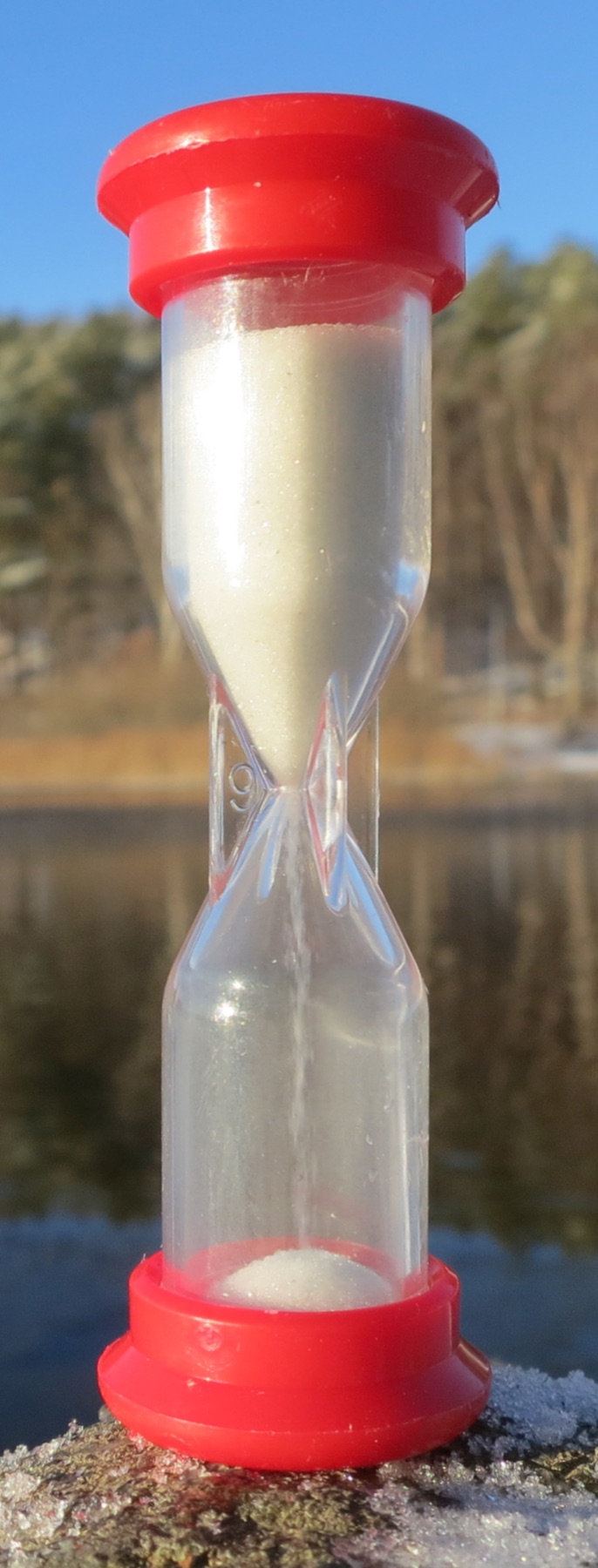
A 30‑minute hourglass timer is a physical sand timer designed so the sand runs from top to bottom in roughly half an hour. These are commonly sold as time‑management tools for tasks, breaks, and routines, as highlighted by retail listings like the generic 30 Minute Hourglass Sand Timer.
Kitchens use 30‑minute timers for slow‑cooking steps (resting dough, marinating, simmering) where approximate timing is fine and a phone app can be distracting or impractical. Classrooms use them for reading blocks, test practice, cleanup time, or quiet work sessions, especially when teachers want a visible, screen‑free countdown the whole room can see.
Most 30‑minute sand timers share a few traits:
- A glass capsule with a narrow “waist” that controls sand flow
- An outer frame in plastic, metal, or wood to protect the glass
- Colored sand (blue, red, tan, etc.) for visibility and style
- Stated duration (“30 minutes”), often with an accuracy tolerance like ±3 minutes on better‑specified products
For kitchen and classroom use, you’re balancing three things: timing accuracy (does it actually run close to 30 minutes), durability (does the frame survive daily handling), and visibility (can kids or adults easily see the sand level).
Decide Your Timer Type and Quality Bar Before You Search DHgate
You’ll get better results on DHgate if you do a bit of homework first. Hourglass timers look similar in thumbnails but behave very differently in real life.
Common variants you’ll see
Think through these differences before you start typing into the search bar:
- Frame style: open wood stand, enclosed plastic tube, or decorative metal frame. Classrooms usually do better with enclosed or robust frames that protect the glass.
- Size: small desk pieces vs. large display timers. Teachers often need something big enough to read from across the room; a home kitchen can use a smaller footprint.
- Sand color: bright colors (blue, red) are easier to see from a distance than pale tan sand.
- Stated accuracy: very few low‑cost timers are laboratory‑accurate. Better listings will acknowledge a tolerance (for example, external listings mention ±3 minutes), which is more honest than a vague “accurate” claim.
- Set or single: some sellers offer mixed‑duration sets (5, 10, 15, 30 minutes). If you only need 30 minutes, sets may be overkill, but they can help a classroom manage different task lengths.
Micro‑checklist: what to decide in advance
Before you even open DHgate, answer these for yourself:
- Minimum acceptable accuracy: Are you okay with ±3-5 minutes, or do you need closer timekeeping? For baking or test practice, know your tolerance.
- Material preference: Wood and metal feel more durable; plastic can be lighter and safer if kids will handle the timer directly.
- Drop and break risk: In a classroom, assume someone will knock it over. Favor designs with protected glass and wider bases.
- Safety and age group: For younger children, avoid very fragile designs. If a timer broke, would it leave sharp shards or loose beads that are a hazard?
- Order size: Are you buying one or two for home, or a dozen for resale or a school set? Your ordering strategy on DHgate will change with quantity.
Being explicit about these points makes it much easier to discard weak listings quickly instead of scrolling for hours.
Step‑by‑Step: Searching and Vetting 30‑Minute Timers on DHgate
On DHgate, your goal is to turn a broad keyword like “sand timer” into a short list of sellers whose 30‑minute hourglasses match your spec and feel trustworthy enough to test.
1. Use specific keywords in the main search bar
Go to DHgate’s homepage and start with concrete phrases:
- “30 minute hourglass timer”
- “30 minute sand timer”
- “30 min hourglass” + “kitchen” or “classroom”
These queries are more likely to surface true 30‑minute designs instead of mixed sets or purely decorative pieces. If you get a lot of irrelevant results, experiment with adding “sand” or removing words like “decorative” that can skew toward purely ornamental items.
2. Apply filters to narrow the field
DHgate’s own sourcing guidance suggests using filters to match your criteria. For timers, typical filters that help include:
- Category: pick the most relevant category (often home décor, clocks, or educational supplies) so you’re not mixing in unrelated products.
- Price range: set realistic bounds for your budget, especially if you’re buying in bulk.
- Minimum order quantity (MOQ): if you only need a handful, exclude listings that clearly expect large wholesale orders.
- Seller attributes: some filters highlight higher‑rated or verified sellers. These don’t guarantee quality, but they’re a reasonable starting point.
If you’re buying for a small e‑commerce operation, these filters help you quickly find suppliers positioned for repeat or bulk orders rather than one‑off gifts.
3. Read the listing like a spec sheet, not a marketing blurb
DHgate’s shopping tips emphasize paying close attention to product descriptions, and that matters a lot for hourglass timers. For each candidate listing, look for:
- Stated duration: it should say “30 minutes” clearly, not just show “hourglass” with no time.
- Dimensions: height and width so you can picture classroom visibility or counter space.
- Materials: frame (wood/metal/plastic) and glass type; vague phrases like “high‑quality material” without specifics are a flag.
- Timing accuracy statement: even a simple “±3 minutes” or “about 30 minutes” is more honest than no mention. If precision matters to you, consider messaging the seller to ask how they test duration.
- Photos: multiple angles, close‑ups of the sand and frame, and any packaging shots if you care about retail presentation.
Use your pre‑defined checklist: if the listing doesn’t answer your key questions, move on. On DHgate you can’t assume the seller’s idea of “large” or “durable” matches yours unless the specs support it.
4. Evaluate seller history with timer‑specific questions in mind
DHgate’s own editorial advice to buyers is to check seller ratings, reviews, and transaction history. For 30‑minute timers, focus on:
- Overall rating and volume: higher ratings with a meaningful number of orders suggest the seller has at least some track record.
- Product reviews mentioning timing: prioritize listings where buyers comment on whether the timer actually runs close to 30 minutes and how it feels in hand.
- Photos from buyers: user photos often reveal true scale and build quality better than studio shots.
For a classroom, pay special attention to complaints about broken glass or loose frames. For a small business, look for mentions of consistent quality between batches—variation can kill repeat orders.
If you’re new to DHgate, it’s worth reading an overview like What DHgate is and how the marketplace works so you understand you’re dealing with many independent sellers, not a single store.
5. Message sellers before committing, especially for bulk
DHgate provides a messaging system that its shopping tips encourage buyers to use. For 30‑minute timers, send short, targeted questions:
- “What is the actual measured time on this hourglass (average and variation)?”
- “Do you have larger sizes of this 30‑minute timer suitable for classroom use?”
- “Can you confirm the frame material and thickness?”
- “If I order [X] units, are they packed individually or together?”
Their responses help you gauge communication quality and whether they understand timing tolerances. If a seller can’t answer basic questions, that’s a sign to keep searching.
For higher‑risk or larger orders, use DHgateWiki’s guide on finding trusted sellers to deepen the seller vetting beyond ratings alone.
6. Treat samples and small trial orders as your timing test
DHgate’s sourcing guidance for e‑commerce businesses suggests requesting samples or placing small trial orders before larger commitments. For hourglass timers, a sample isn’t just about how it looks—it’s your chance to:
- Time the actual duration: flip the hourglass and measure with a known accurate clock or timer, ideally multiple times.
- Check consistency: if you ordered two or three, see whether they all run close to the same duration.
- Inspect build quality: look for bubbles in the glass, uneven sand flow, or frames that wobble.
A simple process is:
| Scenario | Suggested initial order | What you’re testing first |
|---|---|---|
| Single kitchen timer | 1-2 units | Personal timing tolerance and look/feel |
| One classroom | 2-4 units | Visibility, durability, and backup if one breaks |
| Small e‑commerce store | 4-12 units | Consistency between pieces and packaging quality |
| School or bulk resale | 10-20 units | Batch consistency before larger PO |
These ranges are editorial judgment, not DHgate rules, but they show how to scale your caution. Before you finalize checkout, use something like the DHgate order‑readiness checklist to make sure specs, quantities, and addresses are all aligned.
7. Know when DHgate isn’t the right channel
DHgate becomes more compelling when:
- You need multiple 30‑minute timers for classrooms or resale
- You’re comfortable doing sample testing and building a relationship with a supplier