
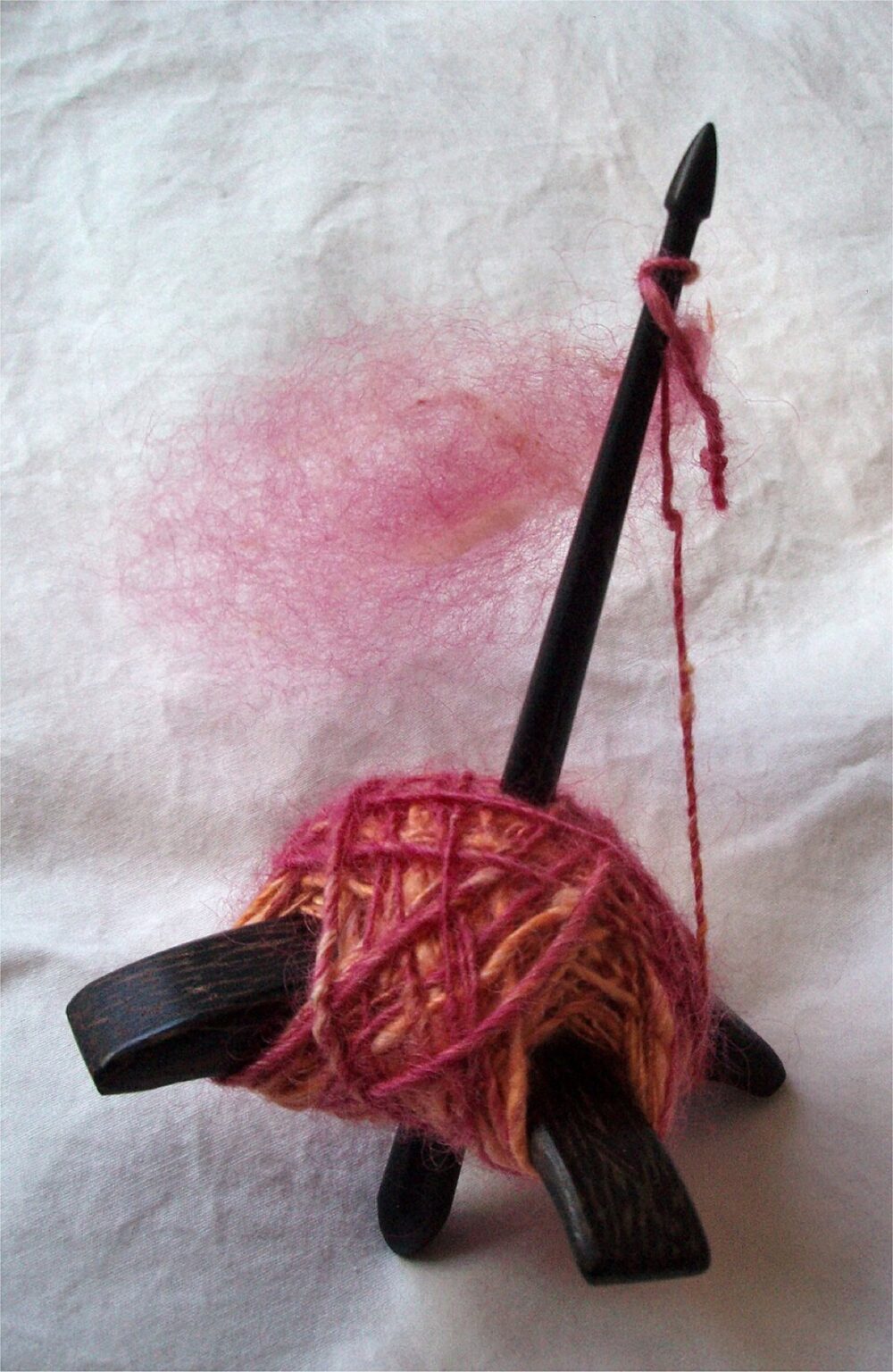
If you want a true Snyder Turkish spindle and consistent spinning quality, start with the maker’s own site and a couple of specialty fiber shops, then treat big marketplaces like Etsy, Shop.app, and DHgate as secondary options for generic Turkish-style spindles or backup inventory. SnyderSpindles lists a dedicated Turkish spindle collection of wooden and 3D‑printed models in different sizes and weights, which gives you far more control over how the tool spins than a random marketplace listing.
What Turkish and Snyder Spindles Are and Who They’re For
A Turkish spindle is a type of drop spindle built around a straight shaft and two sliding cross‑arms. You wrap your yarn around those arms as you spin; when you slide the arms off the shaft, they leave behind a tidy center‑pull ball that’s ready for plying without rewinding. That “spin, build a turtle, slide off, ply” workflow is what makes Turkish spindles a favorite for portable spinning.
Snyder Spindles focuses on handcrafted Turkish spindles and publishes a specific Turkish collection on its site, covering both wood and 3D‑printed versions in several formats.Turkish spindle collection at SnyderSpindles This makes Snyder a useful reference point even if you later buy elsewhere.
These spindles make sense if:
- You want a compact, packable tool for handspinning.
- You like the convenience of a built‑in center‑pull ball.
- You’re a small fiber shop adding a recognizable maker brand and visually distinctive tools to your catalog.
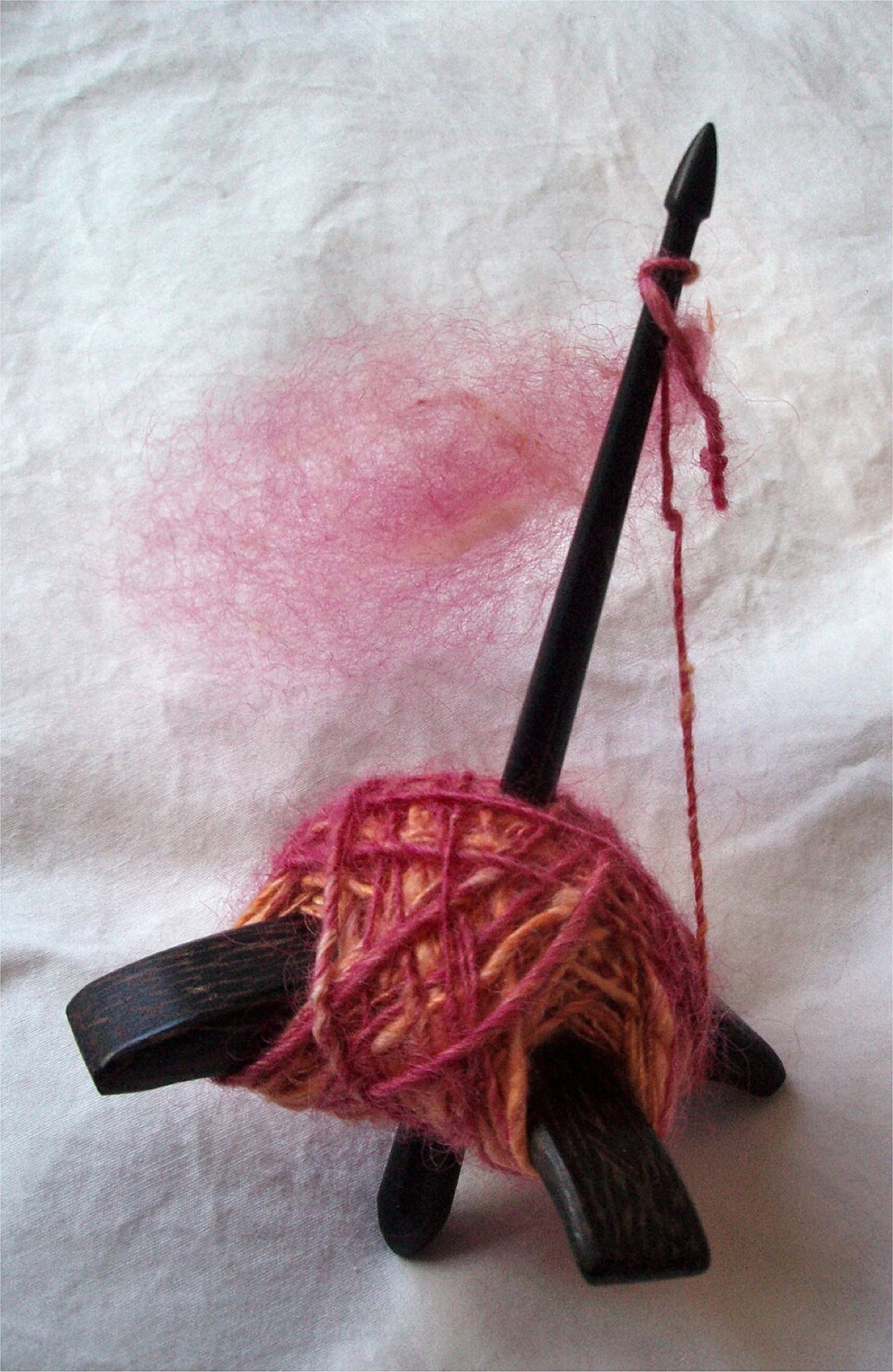
Key Types and Buying Factors for Turkish and Snyder Spindles
Snyder’s Turkish range is a good way to see the meaningful differences between models instead of treating “Turkish spindle” as one generic product.
Common Snyder Turkish Variants
From current Snyder listings you’ll see at least these patterns:
- Standard Turkish drop spindle (3D‑printed) – A straightforward Turkish with printed arms and shaft, designed for everyday use.3D-printed standard Turkish spindle
- Full‑size Glider Turkish (3D‑printed) – A larger glider style with extended arms and body, giving longer, smoother spins and more yarn capacity per turtle.3D-printed full-size glider Turkish
- Wooden gliders and standards – Bocote, maple, tiger maple, leopardwood and other woods show up on Snyder product pages, usually in medium or mini glider formats.Bocote full-size glider example
- Cut‑out designs (sheep, narwhal, etc.) – Turkish spindles whose arms or whorl area are cut into playful shapes but still function as proper Turkish arms.Cut-out sheep spindle example
These are not just cosmetic differences; they affect how the spindle behaves.
What to Look For When Buying Online
Because you can’t spin‑test online, use product details and photos as proxies:
- Weight range: Many Turkish spindles sit around a mid‑weight sweet spot that works well for most wools. Some Snyder standards are roughly an ounce class, while gliders often run heavier. Lighter is better for fine yarns and short spins; heavier favors long spins and thicker singles.
- Size and arm length: Longer arms build a bigger turtle and change balance. Snyder’s full‑size gliders and medium/mini gliders show how the maker adjusts size for different spinning styles.
- Material:
- Wood (maple, bocote, tiger maple, leopardwood) tends to feel warm in the hand and has a traditional look.
- 3D‑printed models (PLA/PETG or similar) often offer precise balance and lower cost, with bright colors and consistent dimensions.
- Maker identity: Look for “Snyder Spindles” clearly in the title or description if you specifically want their work. On a marketplace, a listing that just says “Turkish spindle” with generic photos may not be Snyder at all.
- Arm/sliding design: Confirm it is a true Turkish (two cross‑arms you can slide off to release a center‑pull ball) rather than just a decorative cross‑bar.
On broad marketplaces—including DHgate—you may see vague descriptions or no weight listed. That’s a red flag if you care about spin behavior. In those cases, either contact the seller for exact weight and dimensions or treat the spindle as an experiment rather than a core tool or stock item.
Quick Channel–Fit Table
This table summarizes how typical Turkish and Snyder options line up with different buying goals:
| Channel / product type | Branding & authenticity | Detail level (weight, size) | Typical use case |
|---|---|---|---|
| SnyderSpindles direct | High – maker’s own branding | High – models, weights, sizes listed | Primary spindle for a spinner; curated shop stock |
| Specialty fiber shops (e.g., Mielke’s Fiber Arts) | Medium–high – carry known spindle makers | Medium – often list weight & wood | Add a few reliable Turkish spindles to retail inventory |
| Etsy / Shop.app sellers | Mixed – some carry Snyder, some indie makers | Mixed – detail varies by listing | Unique designs, small‑batch reselling, gift buyers |
| DHgate & similar B2B marketplaces | Low–unclear for Snyder; mostly non‑branded tools | Often low – specs can be minimal | Low‑cost, experimental Turkish‑style tools in bulk |
Where to Buy Turkish and Snyder Spindles Online
You have four main routes: Snyder direct, specialist fiber shops, craft marketplaces, and broad B2B marketplaces.
1. SnyderSpindles: Direct From the Maker
For a Snyder Turkish spindle, the most straightforward option is the official Turkish collection at SnyderSpindles. You’ll see:
- Wooden standards and gliders in specific woods like bocote or tiger maple.
- 3D‑printed standard and full‑size glider Turkish spindles.
- Distinct themed designs (narwhal, sheep, f‑hole/apex, etc.).
Because this is the source, product names, weights, and sizes are generally explicit. For a US spinner buying one or two “forever” tools, or a small shop that wants clearly branded stock, this route usually gives the cleanest information and least guessing.
2. Specialty Fiber Retailers
Fiber arts shops curate spinning tools alongside fiber. A representative example is Mielke’s Fiber Arts spindle page, where Turkish spindles sit next to other spindle types.
These shops:
- Often carry Turkish designs from known makers, sometimes including Snyder models.
- Provide enough detail (wood species, approximate weight, style) to judge fit for your audience.
- Let small ecommerce businesses test a modest range of Turkish spindles without managing direct maker relationships for every item.
If your priority is consistency and a fiber‑centric shopping experience, but you don’t need every last Snyder design, this is a strong middle ground.
3. Craft Marketplaces: Etsy, Shop.app, and Similar
Multi‑seller craft marketplaces bridge the gap between maker‑direct and mass marketplaces. For example, Snyder Turkish spindles appear on platforms that syndicate catalog through Shop.app, where you can find a walnut standard Turkish spindle tagged as Snyder.
These channels are useful if:
- You’re hunting for a specific Snyder model that’s out of stock on the main site.
- You want to browse other makers’ Turkish spindles (3D‑printed or wood) in one feed.
- You’re a small shop testing which styles and price points resonate before going deeper.
Check listing titles for “Snyder” or clear maker attribution and confirm materials and dimensions match what you expect from that model.
4. Broad B2B Marketplaces Like DHgate
DHgate describes itself as a large online wholesale marketplace that connects buyers to manufacturers, importers, and wholesale distributors, with millions of products and a strong focus on direct‑from‑China sourcing.DHgate wholesale marketplace overview
For Turkish spindles, DHgate is best thought of as an experimental sourcing channel:
- Expect mostly non‑branded Turkish‑style spindles or generic spinning tools.
- Use detailed search terms (“Turkish spindle”, “drop spindle”, “spinning tool wood”) and filter by material if possible.
- Treat each listing as its own product: look closely at arm design to ensure it actually functions as a Turkish spindle, and ask for exact weight and dimensions if they’re missing.
This route can make sense if you’re a US‑based micro business testing low‑cost, entry‑level spinning kits or props and you’re comfortable with trial‑and‑error. It’s a poor fit if your goal is carrying Snyder‑branded tools or avoiding variability in how the spindle spins.
Short Scenario Examples
- You’re a new handspinner with one good spindle budget: Buy a mid‑weight Snyder standard Turkish directly from SnyderSpindles or a fiber shop that lists Snyder models. You’ll get clear specs and predictable behavior.
- You run a small online fiber shop: Start with a few Snyder standards or gliders from SnyderSpindles, then layer in a couple of Turkish spindles from a fiber retailer like Mielke’s to broaden materials and price points.
- You sell low‑cost spinning kits in bulk: Use a broad marketplace like DHgate to test generic Turkish‑style spindles, but prototype with samples first and keep Snyder‑branded tools separate in your catalog.
Buyer Checkpoints Before You Commit
As a final filter, ask these specific questions of any listing, regardless of channel:
- Does the description explicitly say “Turkish” and show removable cross‑arms?
- Is weight listed, and does it line up with the yarn types you plan to spin or sell for?
- Is the maker named (e.g., Snyder Spindles) if you care about brand?
- Are material and size clearly described, not just “wood” or “plastic”?
If the answer is “no” on two or more of those, treat the spindle as a low‑stakes experiment or skip the listing entirely and head back to SnyderSpindles or a fiber specialist.
For readers who want to understand DHgate’s marketplace structure before experimenting with Turkish‑style tools, you can look at What DHgate is and how the marketplace works and the guide on finding trusted sellers on DHgate before placing any orders.