
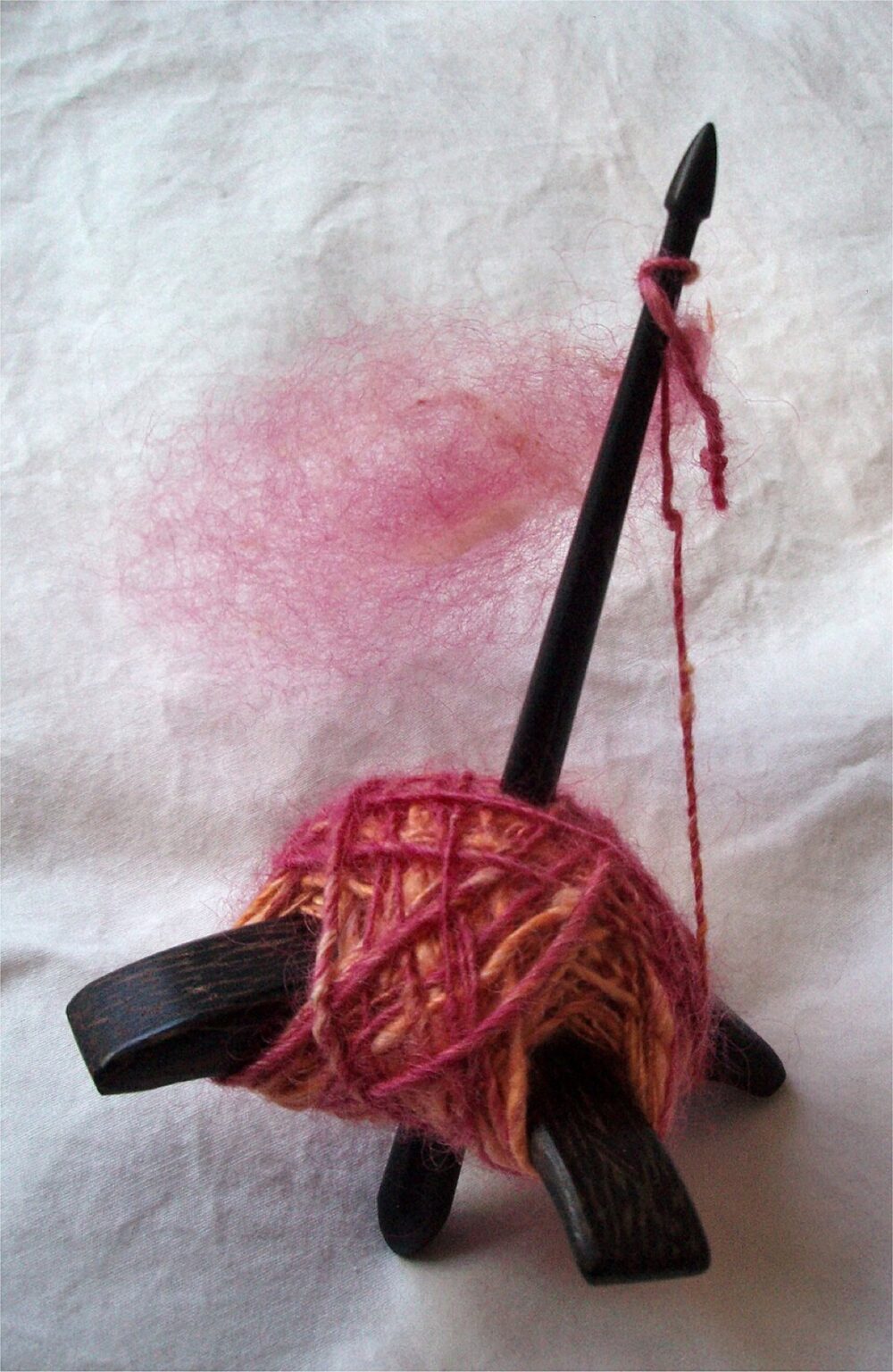
If you’re choosing between Turkish-style spindles, a practical way to decide is to treat Snyder’s Turkish spindles as your benchmark, then see how cheaper generic options — including those you’ll find on DHgate and similar marketplaces — line up on weight, size, and material. Start by picking the spindle type that matches your spinning style (portable vs production, fine vs chunky yarn), then decide whether you want artisan fit-and-finish or are willing to trade that off for lower cost and bulk availability.
A good first filter is weight: Snyder’s standard Turkish spindles typically sit around 26-35 g, which is a sweet spot for versatile yarns. Their heavier gliders suit longer, production-style spins, while lighter minis are better for very fine yarns or small travel projects. Once you know which weight band feels right, you can compare artisan tools to mass-market Turkish-style listings and see which ones actually publish comparable specs.
What Turkish and Snyder spindles actually are and who they suit
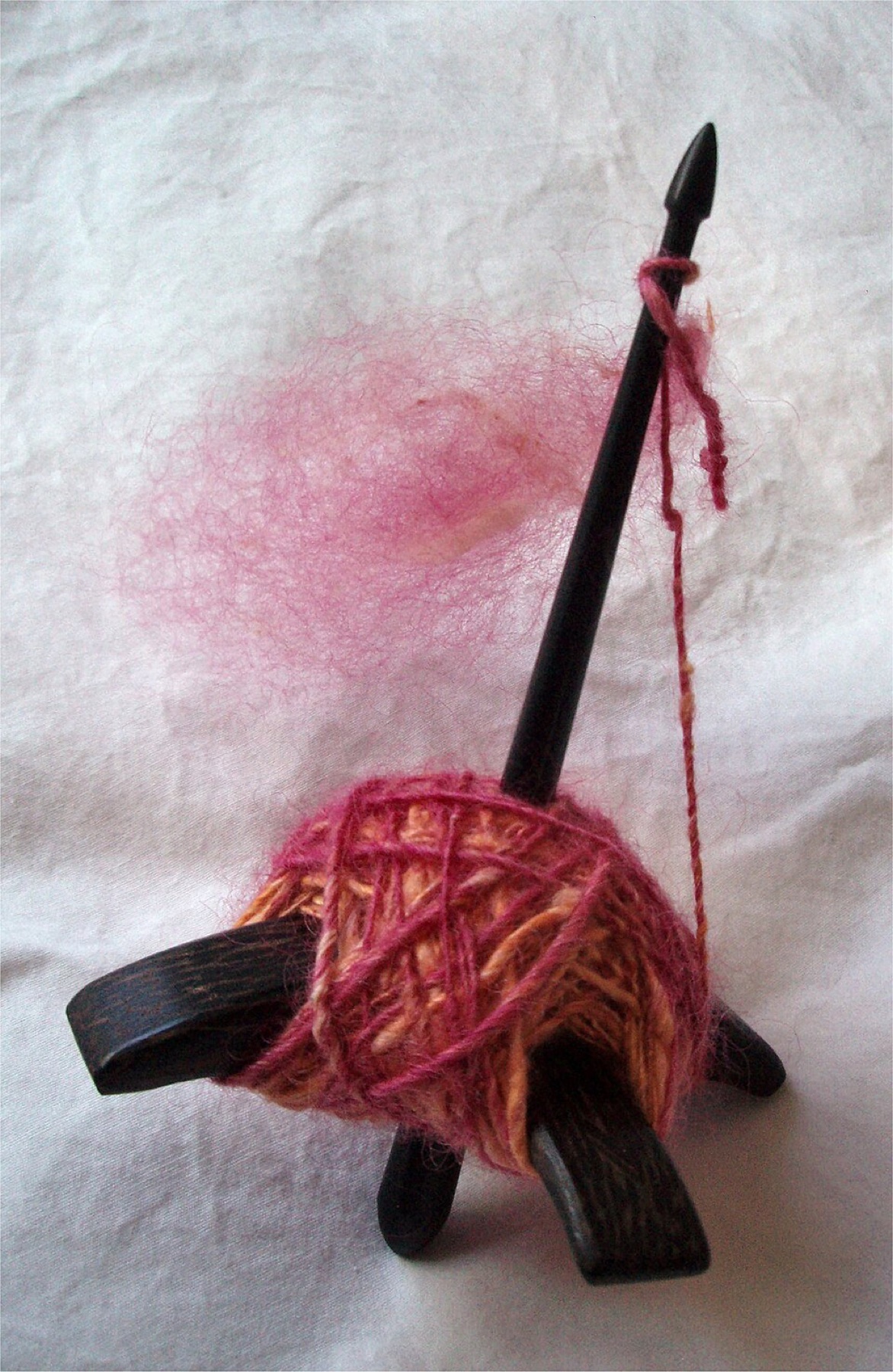
Turkish spindles are a style of drop spindle with two cross arms and a removable shaft. You wind your yarn around those arms as you spin, and when you slide them out, you’re left with a neat center-pull ball already wound off the spindle. That built-in winding is a defining functional feature: you’re not just spinning yarn, you’re packaging it as you go.
Snyder Spindles is a well-known maker of Turkish spindles with a clearly structured range: standard, glider, mini, cut-out, and 3D-printed versions, among others you can see in their Turkish spindle collection. Because they publish weights and sizes, Snyder tools work nicely as reference points for judging more generic Turkish-style spindles.
In practice:
- A hobby spinner who wants a portable, forgiving tool for wool or blends will usually be happiest in the “standard” weight band.
- A small yarn seller planning to produce a lot of handspun may prefer heavier gliders that keep spinning longer between flicks.
- Spinners who travel or work very fine fibers often reach for minis or lighter cut-out designs that reduce arm weight.
If you can describe your workflow — occasional spinning vs daily production, coarse vs fine fiber — you’re halfway to picking the right Turkish subtype.
Key Turkish spindle types and specs: Snyder vs generic Turkish-style options
Snyder’s lineup gives clear, spec-based differences that you can use to judge less-documented spindles.
Snyder sub-types in practice
From Snyder’s catalog and individual product pages:
- Standard Turkish – General-purpose spindles in the roughly 26-35 g range. Good for a wide array of fibers and yarn weights, with woods like maple or walnut as typical examples.
- Glider (full size and medium) – Heavier arms and/or larger diameter designed to “glide” longer while spinning. These often use denser woods such as bocote or leopardwood, or 3D-printed plastics in their full-size glider variants.
- Mini / Lil – Smaller, lighter versions aimed at finer yarns or ultra-portable spinning, like the maple “Lil” standard models.
- Cut-out Turkish – Arms with decorative cut-outs (narwhal, sheep and other motifs) from the cut-out series. The cut-outs reduce arm mass slightly and shift the feel while adding visual personality.
- 3D-printed Turkish – Both standard and glider formats are available in plastic. These tend to have very consistent weights and are less sensitive to humidity than wood.
You can see examples of specific woods and materials across Snyder’s shop, including maple, walnut, bocote, leopardwood and 3D-printed plastics in listings like the bocote full-size glider and various 3D-printed standards.
Comparing Snyder-style specs to generic Turkish spindles
Most generic Turkish-style spindles — the kind you’ll see on big marketplaces and cross-border sites — publish only minimal specs. Weight may be rounded or missing; woods may be labeled simply “hardwood” or “wood.” To keep your expectations realistic, use a compact comparison like this:
| Spindle type / source | Typical weight band (approx.) | Materials you’ll actually see named | Where it tends to shine |
|---|---|---|---|
| Snyder standard Turkish | ~26-35 g | Specific woods (e.g., maple, walnut) | Everyday spinning, teaching, general-purpose yarns |
| Snyder glider (wood or 3D-print) | Heavier than standard | Dense woods, 3D-printed plastics | Longer spin time, production-style spinning sessions |
| Snyder mini / Lil | Lighter than standard | Similar woods in smaller format | Fine yarns, travel kits, smaller hands |
| Snyder cut-out Turkish | Around standard, slightly less | Named hardwoods with decorative cut-outs | Personalization, slightly livelier feel, gift appeal |
| Generic Turkish-style (marketplace) | Highly variable, often undisclosed | “Wood,” “bamboo,” or generic plastic | Low entry cost, bulk purchases, experimentation |
For artisan Snyder spindles, the balance between shaft, arms, and whorl is tuned intentionally. Generic marketplace spindles can work perfectly well, but the lack of reliable specs means you often have to treat the first purchase as a test piece.
How to choose the right Turkish spindle and when to consider DHgate
Once you understand the broad types, choosing comes down to three concrete decisions: weight, arm size, and material.
1. Lock in the weight range that matches your goals
- If you’re a beginner or casual spinner, aim for a spindle in the Snyder-standard band. When you see a listing that states a weight around 26-35 g, you’re close to this benchmark.
- If you’re a small yarn seller planning longer sessions and thicker yarns, a glider-style spindle that’s clearly heavier than standard will give you more spin per flick and smoother production.
- If you mostly spin laceweight or travel, look for minis or “lightweight” Turkish spindles whose arms and shaft are visibly smaller.
If a listing — artisan or marketplace — doesn’t publish weight at all, treat that as a risk. You may still buy it as an experiment, but don’t assume it will behave like a Snyder of the same visual size.
2. Choose arm size and material for your fiber and environment
Woods like maple and walnut (commonly seen on Snyder standards) feel different from denser species such as bocote; plastic 3D-printed arms feel different again. Heavier woods or plastics favor longer spin and may suit medium to heavier fibers. Lighter woods and cut-out arms feel quicker and can be more comfortable for fine fibers or short drafting styles.
For humid climates or rough travel, a 3D-printed Turkish spindle can be a smart “beater” tool — you won’t worry about dings the way you might with a figured hardwood.
3. Decide where artisan quality vs marketplace price matters
Artisan brands like Snyder reward you with:
- Consistent specs across models.
- Carefully finished shafts and arms, which reduce snagging and make winding those center-pull balls smoother.
- Clear material descriptions and weights, published directly on the product pages.
Generic Turkish-style spindles from big marketplaces — including DHgate, which is an online marketplace connecting buyers and sellers with competitive prices and broad product selection — tend to win on price and availability rather than refinement. They’re useful if:
- You want multiple spindles for classes or kits and need to keep the per-piece cost low.
- You’re experimenting with Turkish spindles and don’t yet know if this style is right for you.
On DHgate specifically, you’ll need to lean heavily on seller ratings and product reviews to judge quality, because you won’t have the same brand reputation you get with Snyder or similar makers. DHgate’s own editorial guidance suggests checking seller scores and reading buyer feedback to understand what actually arrived in people’s hands, which applies just as much to niche tools as to mainstream products. For deeper platform context you can read What DHgate is and how the marketplace works and, if you go that route, our checklist in Review the DHgate order-readiness checklist.
Quick scenarios: hobby spinner vs small yarn business
- Hobby spinner, single spindle: Start with a Snyder standard Turkish or a similar artisan spindle in the ~26-35 g band. Once you know how that feels, you can safely judge whether a cheaper Turkish-style spindle listing (on DHgate or elsewhere) looks close enough in size and weight to be a backup.
- Small yarn seller, multiple spindles: Buy one or two artisan Turkish spindles first (standard plus glider) to define your preferred spec. Then, if you want classroom or demo spindles, consider marketplace options that explicitly state weight and material, and compare those details back to your Snyder benchmarks before placing a larger order.
For additional DHgate platform context, use Find trusted sellers on DHgate.
If you stay anchored to concrete specs — not just photos — you’ll make far better decisions about where Snyder-style artisan tools belong in your toolkit and when lower-cost, DHgate-style Turkish spindles are “good enough” for your actual workflow.