
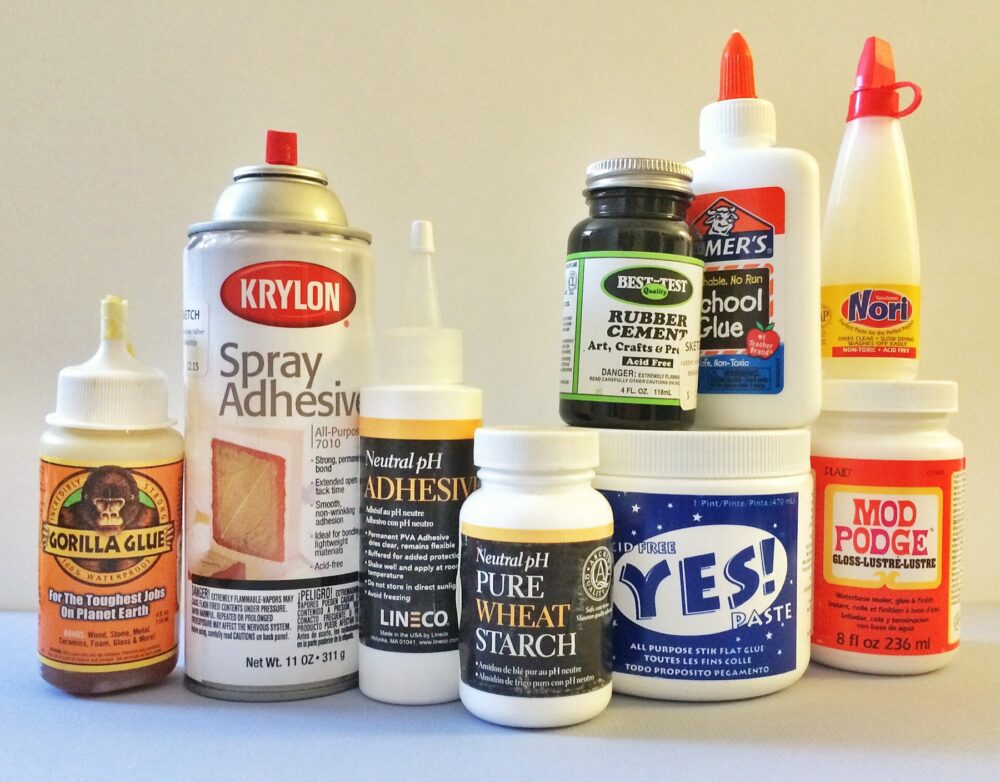
You can look for fabric glue and other textile adhesives on DHgate using targeted keyword searches, filters, and seller checks, then test samples before any meaningful order. The catch is that our research did not verify specific fabric-glue listings, so you should treat DHgate as a discovery and negotiation channel: if you can’t get clear specs, test results, or a sample, it’s safer to buy locally or from a more spec-heavy platform.
For small ecommerce brands in Australia, this guide walks through the concrete DHgate workflow and where it stops being worth your time.
What Fabric Glue and Adhesives Buyers Need Before They Go Online
Before you even open DHgate (or any marketplace), you need a tight brief for the adhesive you’re trying to source. “Fabric glue” covers several different products:
- Permanent fabric adhesives for hemming, patches, and repairs that need to survive washing.
- Temporary or repositionable glues (often used for quilting or basting) that should release or wash out.
- Specialty textile adhesives for stretchy synthetics, leather, or mixed-fibre garments.
For denim and everyday clothing repairs, you’re usually looking at permanent fabric glue that bonds cotton, denim blends, or patches and can handle domestic washing.
Write down, in plain terms:
- Fabric and use-case: e.g., “medium-weight denim jeans, bonding a patch over a tear,” or “light cotton, turning up hems.” Different glues behave very differently on denim versus nylons or felt.
- Permanence and wash resistance: Do you need it to survive machine washes, dry cleaning, or just occasional spot cleaning? Many craft glues that look fine on day one will crack or peel off denim after a few cycles.
- Application preferences: Tube, squeeze bottle, pen, spray. For ecommerce or kits, packaging format affects your customer experience and shipping weight.
- Dry time and flexibility: Fast-set glues help production, but extremely rigid bonds can feel uncomfortable in clothing, especially at hems and knees.
- Volume and format: Are you sourcing single tubes for retail resale, or bulk containers to decant in-house? DHgate skews toward bulk and wholesale, but some sellers offer small craft quantities.
Having this written down lets you quickly discard vague listings that say “strong glue for crafts” without any detail, and ask focused questions when you do contact a seller.
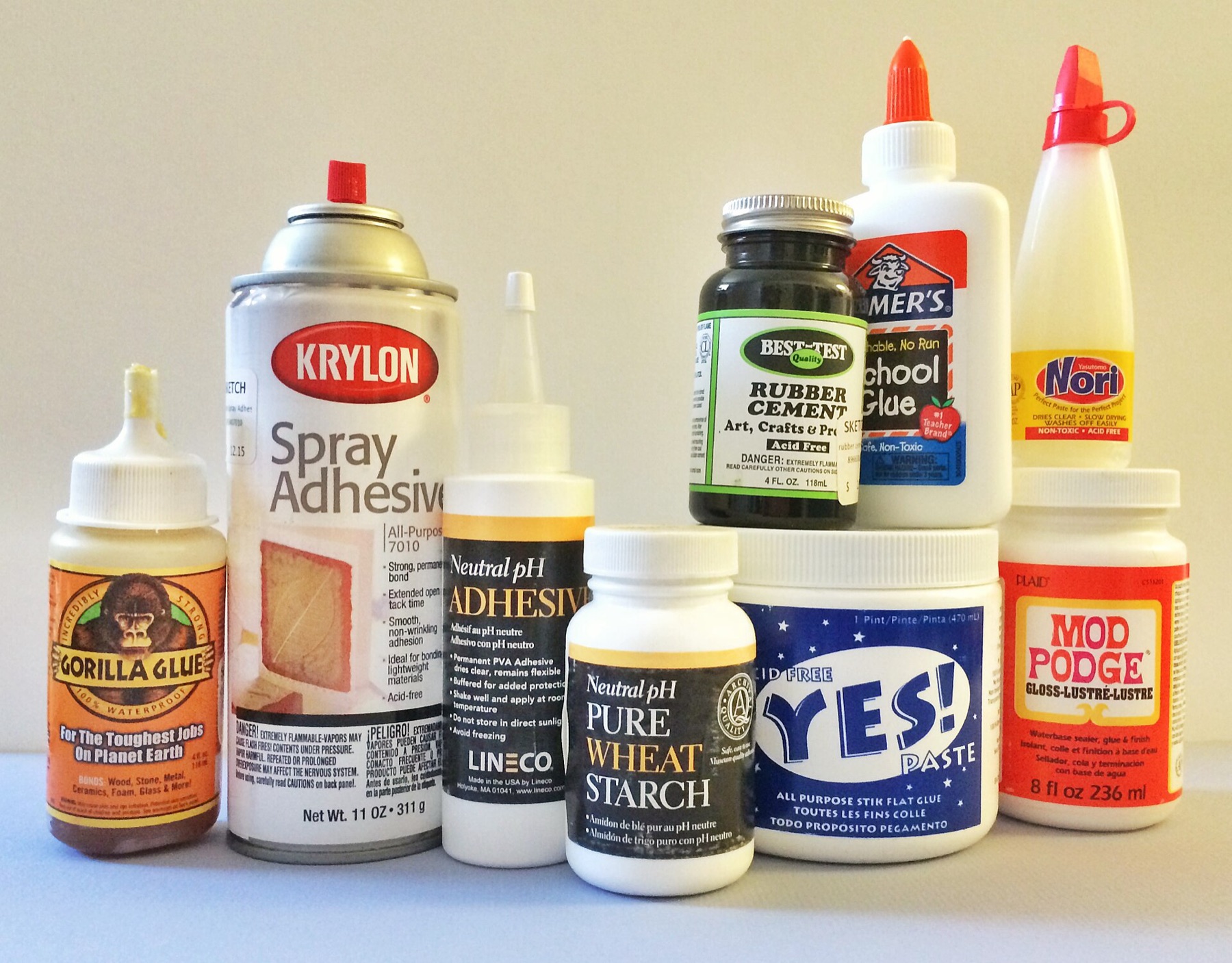
Step-by-Step: Searching and Narrowing Fabric Glue Listings on DHgate
DHgate can be used for DIY materials like craft foam and child-safe glue, and its own editorial advice is to pair that with careful seller checks and samples for bulk buys. For fabric glue and textile adhesives, treat the search process as a funnel.
1. Start with focused keywords
On the DHgate homepage use the main search bar and try:
- `fabric glue`
- `fabric adhesive`
- `textile adhesive`
- `patch glue` or `denim patch adhesive`
Run each search separately. You’re looking for categories that clearly mention fabric or textile use, not generic industrial or construction glues.
2. Use filters to trim the noise
DHgate’s own sourcing guidance stresses using filters and search tools to narrow huge result sets. Once you see a results page, use available filters to align with your brief:
- Price range: Set a realistic band so ultra-low-price, ultra-vague listings don’t dominate.
- Minimum order quantity (MOQ): Many DHgate listings are wholesale-oriented. Use MOQ filters or sorting to find listings that match your batch size.
- Seller region or shipping options: If you prefer shorter lead times into Australia, experiment with region-related filters where available.
Don’t worry about getting the perfect filter mix on the first pass. The aim is to reduce the list to a manageable number of candidates you can actually read and compare.
3. Read product titles and descriptions critically
Click through to any listing that mentions fabric, textiles, clothes, patches, or denim. Treat descriptions as your first quality screen:
- Good sign: The listing specifies fabric types (cotton, denim, polyester), permanence, washability, recommended applications (hems, patches, crafts), and any limitations.
- Red flag: Very generic wording like “super strong glue” and “for all crafts” with no textile examples, or stock photos that don’t show fabric use.
- Missing data: No mention of wash resistance, flexibility, or curing time.
DHgate blog guidance on product descriptions warns that some sellers use attractive images or titles that don’t match the actual product. For adhesives, that’s especially risky. Read the full description carefully before shortlisting anything.
4. Short worked example of a search
Imagine you’re in Sydney, looking for a permanent glue for denim patches you’ll include in repair kits:
- Search `fabric glue`.
- Filter to MOQs that make sense for your business (for example, dozens of tubes, not thousands) and a mid-range price band.
- Open 5-10 listings whose titles mention clothes, jeans, or hem repairs.
- For each, check whether the description mentions machine washing and denim or cotton. Eliminate any that don’t.
- From the remaining few, note down seller names, ratings, and any mention of testing or certifications.
If you can’t find at least a couple of listings with clear fabric-oriented wording after doing this, DHgate may simply not be the right marketplace for your adhesive needs at this moment.
5. Use DHgate’s discovery tools as supporting signals
DHgate editorial material highlights AI-powered recommendations and buyer services that can surface components and raw materials. For fabric glue, treat these as secondary aids:
- Watch for suggested similar products once you click into a listing.
- Use any trend or analytics tools only as directional information, never as proof of quality.
Your main decision still rests on the listing detail and seller track record, not on a recommendation widget.
Evaluating DHgate Sellers, Samples, and When to Use Other Channels
Once you have a small set of possible fabric adhesive listings, you move to seller and product validation. DHgate blog guidance for components and DIY materials consistently points buyers to ratings, reviews, transaction history, and samples before committing to larger orders.
Reading seller signals in a fabric-glue context
Seller checks are more useful if you connect them to your specific textile use. Here’s a focused way to do that:
| Checkpoint | What to look for on DHgate | Why it matters for fabric glue |
|---|---|---|
| Seller rating & tenure | Long history of transactions, consistently high feedback score | Suggests stable operations and repeat buyers |
| Review content | Mentions of clothing, fabric, patches, or DIY crafts | Shows the glue is actually used on textiles |
| Repeat customers | Multiple reviews from the same buyer over time | Indicates predictable performance across batches |
| Product photos in reviews | User photos showing glue on fabric projects | Real-world examples beyond stock images |
DHgate editorial advice emphasizes reading both seller profiles and product feedback carefully. Use that to separate general hardware or construction adhesives from listings that have clearly been used on cloth.
For a deeper look at trust signals, you can cross-check with Find trusted sellers on DHgate, then apply those principles specifically to adhesive listings.
Always request and test samples for adhesives
Across multiple DHgate blog articles on sourcing components and DIY materials, the platform recommends ordering samples before bulk purchases. For fabric glue, that’s not optional:
- Ask the seller directly—via DHgate’s messaging tools—if they can provide a small paid sample batch.
- Test the sample on the same fabrics and repairs your customers will do (e.g., denim patches, cotton hems).
- Run a minimum wash test: several cycles in the type of washing your buyers will use.
- Document results for yourself: bond strength, flexibility, discoloration, and any smell or residue.
If a seller refuses samples or can’t describe basic performance on fabric, treat that as a major warning sign and move on.
Using communication to fill spec gaps
DHgate editorial material also encourages buyers to communicate with sellers to clarify product details. For fabric glue, send concrete, technical questions instead of generic ones:
- “Has this adhesive been used for denim patches or clothing repairs?”
- “Is the bond flexible after curing, or does it dry rigid?”
- “What wash conditions has it been tested under?”
- “Do you have a technical data sheet or MSDS for this product?”
The quality and speed of the replies help you judge how seriously the supplier treats product performance.
When DHgate is a poor fit and you should switch channels
Since our research didn’t confirm specific fabric-glue listings on DHgate, you need a clear line where you stop searching and try something else. DHgate is generally strongest when:
- You want bulk quantities at competitive prices.
- You’re willing to test samples and iterate with overseas suppliers.
- Your use-case can tolerate some variability while you dial in the right product.
It’s weaker for:
- Highly specified performance, like branded jeans repairs that must match existing adhesives or comply with strict internal standards.
- Tiny, one-off craft projects, where the effort of cross-border sourcing outweighs the savings.
In those cases, buying from a local craft or sewing store, or from a major platform that shows detailed adhesive specs and verified fabric use, may be safer and faster.
Before you check out anywhere, including DHgate, it’s worth running through the DHgate order-readiness checklist to confirm that quantity, timelines, and communication are truly aligned with your business.
Quick recap: how to decide if DHgate is worth it for fabric glue
For Australian buyers and small ecommerce brands, DHgate can be a useful sourcing lab for fabric glue if:
- You define your adhesive requirements upfront.
- You use targeted searches and filters to surface plausible textile-oriented listings.
- You vet sellers via ratings, fabric-specific reviews, and direct Q&A.
- You insist on samples and run realistic wash and wear tests before scaling orders.
For additional DHgate platform context, use What DHgate is and how the marketplace works.
If that process doesn’t yield at least one clearly documented, tested adhesive you’re confident in, treat that as a data point: for this particular product, a different channel is likely a better fit. DHgate isn’t a magic shortcut for fabric glue—but it can be part of a broader sourcing mix if you approach it with clear specs and a strict testing mindset.